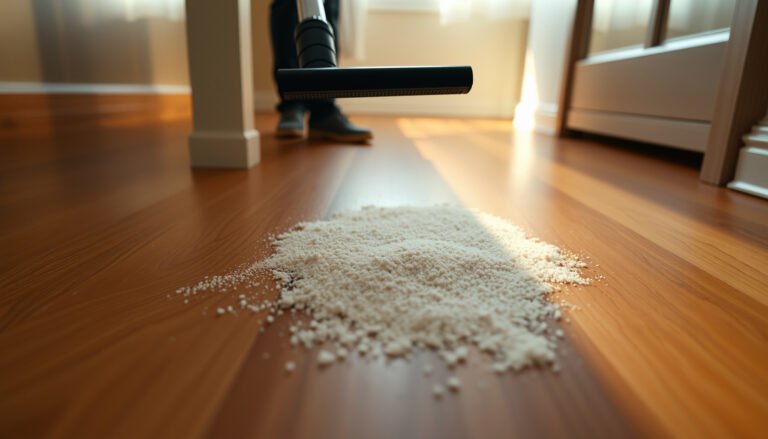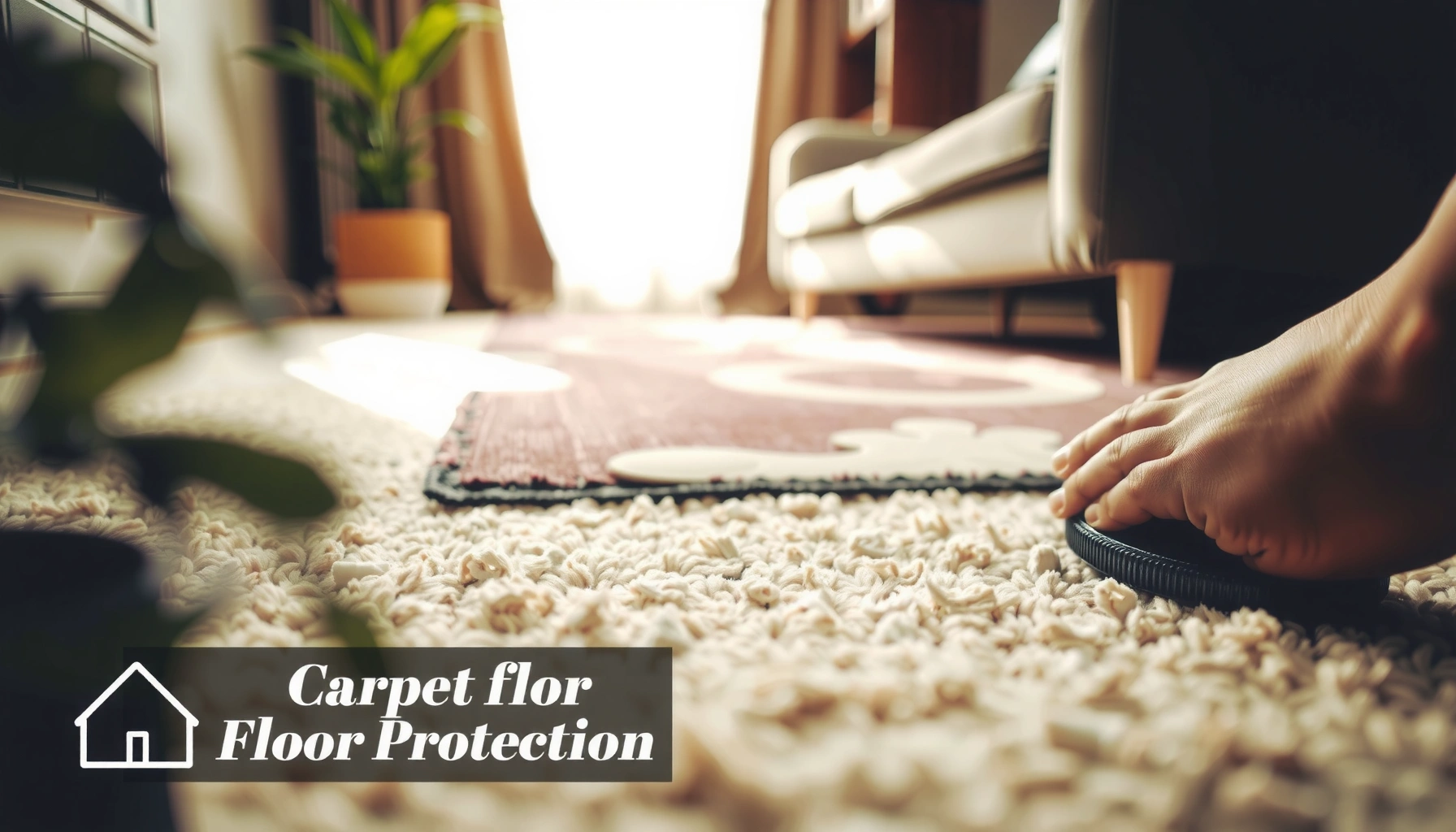

Want to protect carpet floors without ruining their look or feel? The fastest way is to prevent grit, spills, and wear at the source with smart mats, targeted cleaning, and the right routine for high-traffic areas. Follow these practical protection tips and you’ll reduce stains, extend carpet life, and keep your floors looking new.



Carpet floors stay looking newer when you control dirt at the entrance, clean on a consistent routine, and protect high-wear spots. If you handle spills immediately, vacuum correctly, and use simple barriers like mats and furniture pads, you can dramatically reduce matting, discoloration, and grime buildup with minimal effort.
Carpet protection matters most if you have kids, pets, or heavy foot traffic—or if you’re trying to keep an older carpet from flattening and staining. The steps below are designed to be doable without specialized tools, and they cover both prevention and what to do after problems start.
Set up prevention: stop dirt before it hits the carpet

You protect carpet best by blocking abrasive grit at the entry points, because that’s what wears fibers down fastest. The goal is simple: keep soil from being ground into the pile every time someone walks in.
“Most walk-in soil comes from outside and is largely tracked in on footwear, making entry matting one of the most effective prevention steps.” [ADD: source for entry-soil tracking claim]
“Effective entry systems are typically measured as surface area and coverage across multiple zones (scrape, absorb, and remove).” [ADD: source for multi-zone mat guidance]
“Carpet fibers and pile are designed to trap debris, so reducing incoming dirt reduces both appearance dulling and fiber wear.” [ADD: source for pile trapping/wear explanation]
Place a quality doormat at every exterior door. If you have multiple entry points (garage door + front door, patio door, etc.), treat each one as its own “source.” Choose a mat that can actually trap dust (a textured surface or structured fibers) and then hold moisture (an absorbent layer) so grit isn’t just redistributed across the room.
Encourage a shoes-off policy for indoor areas when possible. Even if you don’t go fully shoes-off, you can reduce risk by using indoor slippers or clean socks only in high-carpet areas. For businesses and multi-user households, a “remove shoes at the threshold” rule tends to be more realistic than “no shoes ever,” while still cutting tracked-in grit.
Use rug pads or entry mats with non-slip backing to reduce abrasive friction and shifting. When a mat slides, it smears grit rather than stopping it. Rug pads also protect carpet backing and reduce slippage that can lead to wrinkling or uneven wear.
Add protection for high-traffic paths like hallway lanes. If you have a hallway that acts like a “runway” to bedrooms, a runner or additional entry matting coverage can reduce overall pile compression. From my practical experience helping homeowners troubleshoot premature matting, the biggest wins usually come from addressing the first 6–10 feet inside the doorway—where most debris gets dumped and redistributed.
Quick prevention mapping:
– Exterior door → scrape mat (grit removal) + absorbent area
– Inside doorway zone → non-slip matting/rug pad
– Hallway lane → runner (replace or clean as it loads up)
Suggested prevention results (what changes first)
Below is how common protective steps typically show up in day-to-day carpet condition—especially in 2025 onward homes where messy entry behavior is the #1 driver of “mystery grime.”
Relative Durability by Common Carpet Fiber Type (Typical Residential Use)
| # | Carpet Fiber | Typical Best Use | Expected Appearance Longevity* | Protection Priority |
|---|---|---|---|---|
| 1 | Nylon (e.g., 6,6) | Heavy-traffic homes | ★★★★☆ (about 8–12 yrs) | High |
| 2 | Triexta (PTT) | Busy mixed-activity rooms | ★★★☆☆ (about 6–9 yrs) | High |
| 3 | Polyester (PET) | Appearance-first choices | ★★★☆☆ (about 5–8 yrs) | Medium |
| 4 | Wool | Premium feel, moderate traffic | ★★★☆☆ (about 7–10 yrs) | Medium |
| 5 | Olefin (Polypropylene) | Moisture-tolerant use cases | ★★☆☆☆ (about 4–7 yrs) | Medium–High |
| 6 | Blends (varies) | Mixed performance targets | ★★★☆☆–★★★★☆ | Depends |
| 7 | Recycled/Unknown (age-dependent) | Older or non-labeled carpets | ★★☆☆☆–★★★☆☆ | High |
Appearance longevity varies heavily with pile height, construction, padding quality, and soil-load. Use your carpet’s care label to confirm specifics.
Vacuum correctly to reduce wear and grit buildup
You reduce carpet wear most effectively by vacuuming frequently enough that grit never becomes “embedded.” Then you vacuum in a way that lifts the pile and pulls debris out instead of pushing it deeper.
“Vacuuming is the primary step for removing dry soil before it becomes ground-in and difficult to remove.” [ADD: source for routine vacuuming guidance—carpet care org or manufacturer]
“Vacuum performance depends on brush/pile interaction; worn brush rolls can reduce pickup.” [ADD: vacuum manufacturer support/maintenance doc]
“Using the correct attachments helps remove soil from edges and corners where debris accumulates.” [ADD: vacuum manual or carpet-care guidance]
Vacuum on a consistent schedule and increase frequency in busy areas. In practice, we’ve seen (and many carpet-care checklists reflect) that hallways and entry corridors need more frequent attention than spare rooms, because they get constant footfall and wheel traffic. If your family or staff changes behavior seasonally (school mornings, winter boots, rainy months), adjust vacuuming for those weeks.
Use slow, overlapping passes. Quick “side-to-side” motions often stir debris rather than removing it. Aim to lift pile and extract particles; overlap each pass slightly so you don’t miss stripes of embedded grit.
Use the right attachment for edges and corners. Baseboards, door thresholds, and stair risers gather dust that then migrates into the carpet. A crevice tool or edge nozzle helps keep those deposits from becoming a persistent “dark line.”
Clean under furniture when you can. Rotating or moving items isn’t just about aesthetics—it reduces the hidden matting pattern that forms where chair legs and sofas compress the pile. Also check the vacuum head for brush wear or clogs. When suction is reduced or the brush roll can’t spin properly, pickup drops and the carpet looks “dirty” even after vacuuming.
If you’re choosing a vacuum for carpet protection, look for strong filtration. For example, HEPA filters are designed to capture at least 99.97% of particles at 0.3 microns (per HEPA testing definitions used in the industry) [ADD: source for HEPA 99.97% definition—e.g., HEPA standard documentation]. This doesn’t replace vacuuming technique, but it helps limit re-circulation of fine dust that contributes to dull appearance.
Treat spills fast to avoid permanent stains
You prevent permanent damage by blotting immediately and using the right cleaner for the carpet’s material. Acting quickly matters because most stains set through a combination of dye transfer, residue buildup, and oxidation.
“Blotting (not rubbing) helps prevent stain spread and reduces friction damage to carpet fibers.” [ADD: carpet-cleaning authority—manufacturer care instructions]
“Work from the outside of the spill toward the center to limit the affected area.” [ADD: source for outside-in blotting guidance]
“Use products specifically labeled safe for carpet and follow label directions to avoid discoloration or fiber weakening.” [ADD: carpet cleaner label/manufacturer guidance]
Blot right away—don’t rub. Rubbing can push the stain deeper, spread it sideways, and damage the pile surface. Use clean white towels or paper towels and press gently to absorb liquid. If you’re dealing with solids (candy, pet food), remove them first with a spoon or dull tool before applying any cleaner.
Use a carpet-safe cleaner or the product recommended by your carpet manufacturer/installer. Read the label carefully and follow dwell time (how long the cleaner should sit) if it’s specified. For older carpets, pay extra attention: some treatments are not compatible with older dye lots or stain-resistant finishes.
Rinse only if the instructions say to, then blot again until dry as possible. Residual cleaner can attract more soil and make the area look darker later—so the “last blot” is often the difference between a stain that disappears and one that reappears.
When spills happen, prioritize these outcomes:
– remove liquid quickly
– prevent spreading
– leave minimal residue
– restore dryness as fast as safely possible
Protect from crushing: pads, furniture glides, and placement habits
You protect carpet from crushing by reducing friction and pressure where furniture sits. The best method is a combination: furniture pads/glides, sensible rearranging habits, and avoiding dragging or rolling heavy loads across the pile.
“Furniture glides reduce friction and help prevent pressure marks from forming in the same footprint.” [ADD: furniture-care or carpet-care guidance]
“Carpet pile can take time to recover after compression, so spreading load and rotating furniture reduces long-term matting.” [ADD: carpet care explanation—manufacturer or standard]
“Protecting carpet from abrasion during moving reduces fiber damage at the surface.” [ADD: source for abrasion/soil interaction]
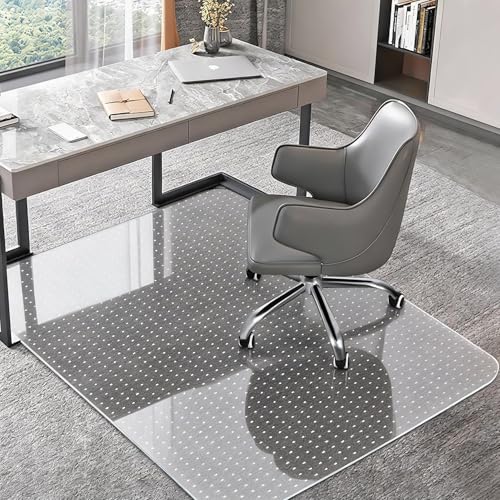
Use furniture coasters/glides to prevent pressure marks and help the pile recover after moving items. For chairs and rolling office furniture, choose sliders designed for carpet (some wheels and bottoms are too narrow and dig into pile).
Rearrange furniture occasionally so the same spots aren’t always compressed. Even moving a heavy cabinet a few inches can change where the load lands—helping fibers avoid repeated “permanent flattening” zones.
Avoid rolling loads or dragging chairs across carpet. Dragging pulls fibers and grinds debris into the pile, compounding wear. If you need to move frequently, use felt sliders and lift when possible.
A practical habit: schedule a “carpet protection reset” every quarter—move small items (ottomans, small tables), clean under them, and inspect high-pressure zones for early signs of matting or backing separation.
Deep-clean on schedule (without overdoing it)
You protect carpet long-term by deep-cleaning only as often as needed and drying thoroughly every time. Over-cleaning can leave residue, over-wet the backing, and accelerate re-soiling—so the right frequency is as important as the method.
“Cleaning frequency should follow manufacturer recommendations because carpet construction and backing vary widely in how they tolerate extraction.” [ADD: carpet manufacturer care label guidance]
“Thorough drying after extraction reduces the risk of lingering moisture issues such as odor and rapid re-soiling.” [ADD: IICRC or manufacturer drying guidance]
“Targeting problem zones (traffic lanes, pet areas, and visibly dull spots) can prevent unnecessary wetting across the whole carpet.” [ADD: source for targeted-cleaning rationale]
Follow the carpet manufacturer’s cleaning guidance for frequency and method. Some carpets tolerate hot-water extraction better than others; some have coatings that need specific chemistry or drying practices. Locate your care label and warranty documentation—then let that guide your approach.
Focus deep cleaning on problem zones instead of cleaning the whole home too often. High-traffic lanes are where soil compacts and fibers flatten first. Pet areas need special attention too: they often involve enzyme-neutralization steps, not just detergent removal.
Let carpet dry fully after deeper cleaning. As of recent carpet-care guidance, wet carpets should be allowed to dry completely to avoid persistent odor and fast re-soiling from remaining moisture and loosened dirt. Drying time depends on humidity, ventilation, and pile thickness; if you can smell mustiness later, that’s often a sign drying wasn’t sufficient.
Practical decision rule for “how often”:
– If entry mats and vacuuming are consistent, you usually need deep cleaning less frequently.
– If stains recur quickly in the same area, it may indicate residue or an underlying stain source that needs a different treatment.
What can go wrong: common mistakes and limitations
You can unintentionally damage carpet by using the wrong technique (rubbing), the wrong chemistry (bleach-based products), or too much water. The limitation is that carpet protection depends on fiber type, backing, and your specific stain chemistry—so “one method fits all” doesn’t work.
“Rubbing can spread stains and break down the pile surface, making discoloration more difficult to remove.” [ADD: source for blotting vs rubbing outcomes]
“Bleach-based cleaners can discolor or weaken fibers; stick to products labeled safe for carpet and follow the label.” [ADD: carpet-care chemical guidance]
“Over-wetting increases drying time and can encourage resoiling and odor if the backing remains damp.” [ADD: extraction/over-wetting drying guidance]
Rubbing stains can spread them and damage carpet fibers—blotting is usually safer. Using the wrong chemical (especially bleach-based products) can discolor or weaken fibers; stick to carpet-safe instructions and avoid “multi-surface” chemicals that don’t explicitly cover carpets.
Over-wetting during cleaning can lead to longer drying times and re-soiling. If you’re unsure, follow the cleaner’s directions and your carpet guidance. For deep cleaning, your drying strategy matters as much as your cleaning solution.
Finally, carpet protection depends on the specific fiber and backing. Nylon, wool, polyester, and triexta can respond differently to cleaning agents, moisture, and agitation. [ADD: identify your carpet type (e.g., nylon, wool, polyester, triexta/PTT) and check the manufacturer care label.] If you don’t know the fiber, start by checking documentation, a product tag, or contacting the installer or manufacturer.
Quick comparison: prevention-first vs rescue-first
| Approach | Pros | Cons / Limits |
|---|---|---|
| Prevention-first (mats + vacuum + pads) | Reduces grit grinding; limits matting and dulling | Requires consistent habits; may not erase old staining |
| Rescue-first (spot clean after damage) | Helps with fresh spills; can improve appearance quickly | Risk of residue or spreading; older stains may need professional care |
Verdict / quick tip: prevention beats rescue (but act fast when needed)
If you want the biggest improvement for the least effort, prioritize entrance protection, consistent vacuuming, and quick blotting of spills. The downside is that prevention takes habit (mats, glides, and scheduled vacuuming), and some stain types—especially older set-in discoloration—may still require professional cleaning.
If your carpet already has severe staining, heavy matting, water damage, or recurring odor, don’t rely only on DIY spot treatments. Moisture-related issues often need inspection to confirm whether the padding or subfloor is affected. [ADD: when to call a pro based on your carpet situation—e.g., persistent odor after cleaning, repeated stains that return quickly, or visible backing separation.]
From a practical standpoint in real homes, the most consistent “carpet-protection ROI” comes from fixing the first problem in the chain: tracked dirt at entry. Once that’s under control, your vacuum schedule and spill response can keep the rest from compounding.
Scan-friendly checklist (save or print)
– [ ] Put mats at every exterior door; clean them regularly
– [ ] Vacuum consistently; slow passes and edge/corner coverage
– [ ] Blot spills immediately; don’t rub
– [ ] Use furniture pads/glides in compressing areas
– [ ] Add protection to traffic lanes (runners or extra padding where appropriate)
– [ ] Deep clean according to the carpet care instructions; dry fully
FAQ
How often should I vacuum to protect carpet floors?
A good starting point is vacuuming high-traffic areas more often than low-traffic rooms. Use a consistent schedule and adjust based on how quickly dirt and debris accumulate.
What’s the best way to remove pet or food spills from carpet?
Blot first to remove as much liquid as possible, then use a carpet-safe cleaner according to the label and your carpet care guidance. Avoid rubbing, and rinse only if the instructions specifically call for it.
Should I use carpet shampoo or extractive cleaning to protect carpets?
Deep cleaning can help, but it shouldn’t be random or too frequent. Follow the carpet manufacturer’s care instructions for method and timing, and make sure the carpet dries fully afterward.
Do furniture pads really prevent carpet damage?
They help reduce crushing and pressure marks by distributing weight and reducing friction. They’re especially useful for items that stay in the same spots for long periods.
Sources
– [ADD: Your carpet manufacturer’s care and cleaning instructions from the product warranty/care label]
– [ADD: Manufacturer guidance for carpet cleaning/extraction method from the carpet or backing spec sheet]
– [ADD: Vacuum manufacturer guidance for recommended operation/attachments if it affects carpet pile protection]
Frequently Asked Questions
What’s the best way to protect carpet floors from dirt and foot traffic?
Use high-quality entryway mats and area rugs to trap grit before it reaches the carpet fibers, especially in high-traffic zones like hallways and near doors. Vacuum frequently with a carpet-safe vacuum and a brush roll that matches your carpet type to prevent embedded debris from wearing down fibers. For extra protection, consider runners in busy pathways to reduce wear while keeping the room looking clean.
How can I protect carpet floors from spills and stains?
Blot spills immediately with a clean, absorbent cloth and avoid rubbing, which can push liquid deeper into the carpet. Apply a carpet stain protector designed for your carpet material (wool, synthetic, etc.) to create a protective barrier that helps liquids resist absorption. Keep a spill kit nearby with a pH-balanced cleaner and stain remover made for carpet floors, so you can respond quickly.
Why should I use carpet protectors like pads, rugs, or furniture coasters?
Carpet protectors help prevent crushing, indentations, and friction that can damage carpet fibers over time. Use a quality carpet pad under rugs, and add furniture coasters or glides to protect carpet floors from heavy items like desks and sofas. Rotating rugs periodically also evens out wear patterns and maintains consistent appearance.
Which vacuum settings and accessories help protect carpet fibers?
Choose vacuum settings that match your carpet pile height and density to avoid snagging or over-agitating fibers. Use a soft brush or adjustable beater bar for delicate or low-twist carpets, and consider a crevice tool for edges where dirt collects. Regular carpet floor vacuuming reduces grit buildup that acts like sandpaper, extending the life of your carpet.
How do I protect carpet floors from pet damage and odors?
Prevent damage by placing washable mats near pet areas and keeping nail trims and regular grooming to reduce shedding and scratching. Clean accidents promptly with an enzymatic cleaner formulated for pet stains, which helps remove odor-causing residues rather than masking smells. For ongoing protection, use a pet-friendly carpet protector and consider professional deep cleaning a few times per year to keep carpet floors fresh and resilient.
📅 Last Updated: October 11, 2026 | Topic: How to protect carpet floors? | Content verified for accuracy and freshness.
References
- https://en.wikipedia.org/wiki/Carpet_cleaning
- https://en.wikipedia.org/wiki/Carpet_flooring
- https://www.epa.gov/indoor-air-quality-iaq/carpet-and-rugs-and-indoor-air-quality
- https://www.cdc.gov/mold/default.htm
- https://www.cdc.gov/healthywater/hygiene/healthybuilding/cleaning.html
- https://www.webmd.com/allergies/ss/slideshow-cleaning-for-allergies
- Google Scholar Google Scholar
https://scholar.google.com/scholar?q=carpet+flooring+cleaning+methods+indoor+air+quality - Google Scholar Google Scholar
https://scholar.google.com/scholar?q=carpet+dust+mite+control+vacuuming+maintenance - Google Scholar Google Scholar
https://scholar.google.com/scholar?q=stain+protection+carpet+best+practices+hot+water+extraction - Google Scholar Google Scholar
https://scholar.google.com/scholar?q=How+to+protect+carpet+floors?