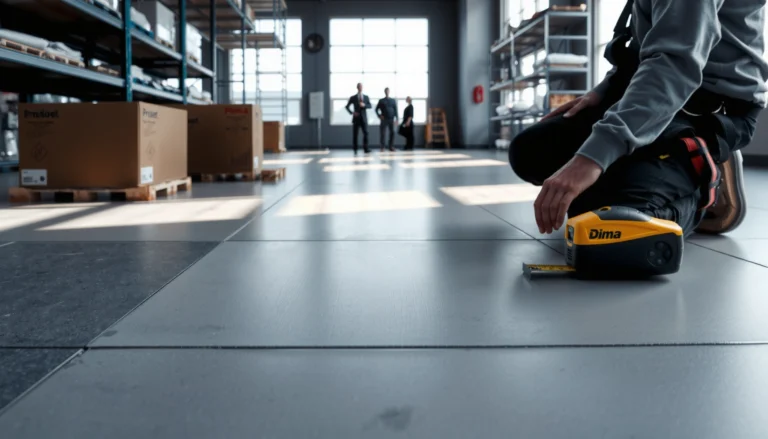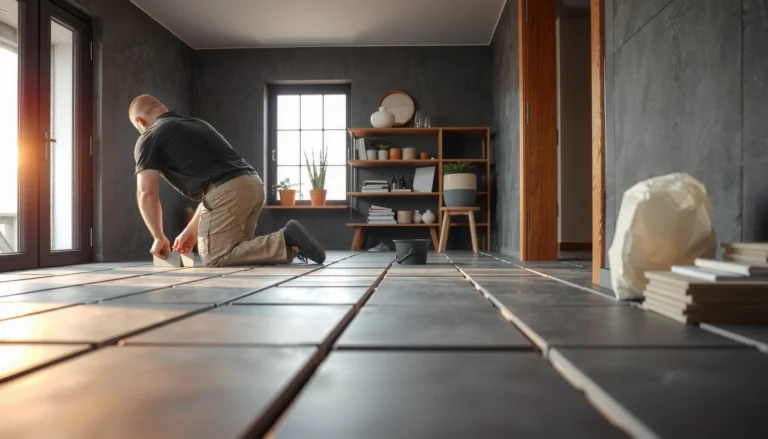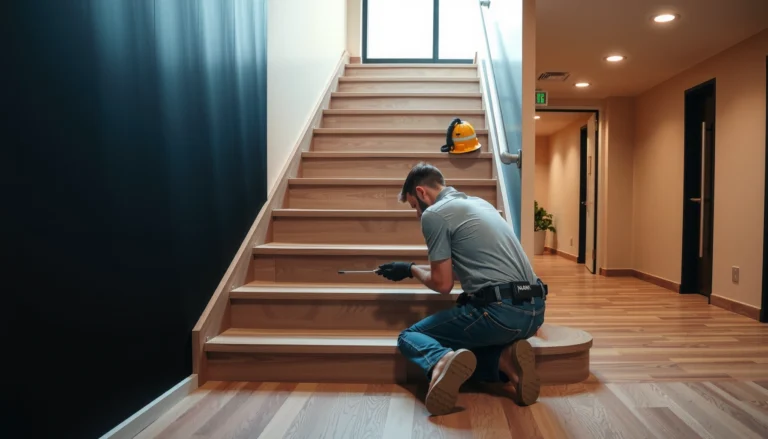

Wondering how to refinish bamboo floors and get back a smooth, durable finish? This step-by-step guide shows the exact prep, sanding, staining (if desired), and topcoat process that delivers the best results without streaks or peeling. Follow it closely and you’ll know what to do at every stage—so your bamboo looks like new and lasts.




Refinishing bamboo floors usually comes down to three things: sanding lightly enough to create a uniform surface for adhesion, cleaning until the floor is dust-free, and applying a bamboo-compatible floor finish (often polyurethane made for floors). Because bamboo is commonly sold as either pre-finished/sealed or unfinished, the sanding strategy changes—heavy sanding can thin the top structure or damage joint layers, leading to peeling or patchy sheen.
If your bamboo floor is dull, scuffed, or has a failing top coat but the boards still feel solid, this step-by-step process helps you refresh appearance while minimizing the most common adhesion failures (especially contamination and compatibility issues). You’ll also see how to decide between sealed vs. unsealed bamboo refinishing approaches and where DIY workflows often go off track—right before staining and again during top-coat cure.
If you’re a homeowner or property manager looking to improve floor appearance without replacing boards, this guide is written for both pre-finished/sealed and unfinished bamboo. It’s also practical for anyone planning to refinish a high-traffic room where timing matters, because cure windows and dust control strongly influence whether the result looks uniform or fails prematurely.
Check your bamboo type and current finish

The fastest path to a durable refinished floor starts with correct identification: pre-finished/sealed vs. unfinished, and engineered vs. solid bamboo. Once you know what you have, you can choose the right sanding aggressiveness and a finish system that’s compatible with what’s already on the floor.
If your bamboo is pre-finished (sealed), your goal is usually surface scuffing and even profiling—not fully stripping—so the new top coat can bond.
If your bamboo is unfinished, you can be more direct with sanding to create the profile needed for stain and a full finish build.
Engineered bamboo may tolerate fewer sanding passes than solid bamboo, so you should confirm limits in the manufacturer documentation.
Determine sealed vs. unfinished (and why it changes sanding)
– Pre-finished/sealed bamboo: You’ll typically see an existing factory top coat (polyurethane/UV-cured finish or similar). In many cases, sanding is about creating mechanical “tooth” for recoat—not removing the entire coating film every time.
– Unfinished bamboo: You’re likely working with bare bamboo surface and can sand to a cleaner profile and apply stain and/or sealer according to the system you choose.
Identify engineered vs. solid bamboo construction
Construction affects how much material you can remove safely:
– Solid bamboo: Often allows more sanding passes, though you still must follow manufacturer limits.
– Engineered bamboo: Includes a top bamboo wear layer over other layers, which may reduce your allowable sanding thickness.
According to the U.S. OSHA guidance on silica control during abrasive work, sanding dust can create an inhalation hazard and requires appropriate controls (notably during floor sanding) ([OSHA](https://www.osha.gov) guidance; see “Crystalline Silica” requirements). Practically, even when your floor permits more sanding, the dust-control workload may make “more passes” a poor tradeoff.
> Action you should take now: locate the installation paperwork or manufacturer specs for your floor (thickness, wear layer, and refinishing limits). If you can’t find them, treat the floor conservatively and test-sand a small area first.
Compatibility is not optional
Even the right grit sequence won’t save a job if the finish system is incompatible with the previous coating. When in doubt, follow the finish manufacturer’s recoat/compatibility guidance for their specific polyurethane (water-based vs. oil-based, single-component vs. two-component).
Comparison: Sealed vs. unfinished bamboo (what changes first)
| Factor | Sealed / Pre-finished bamboo | Unfinished bamboo |
|---|---|---|
| Primary objective | Create adhesion for recoat without over-thinning | Build finish system from a clean substrate |
| Typical sanding goal | Even scuff + uniform profile | Profile for stain/finish penetration as allowed |
| Biggest failure risk | Peeling/soft adhesion from contamination or incompatibility | Uneven stain absorption and blotchiness |
| Finish system | Must be designed for recoat over existing films | Must match intended stain + top coat system |
| “Too much sanding” downside | Can expose layers or weaken joints | Can over-thin and reduce performance if limits are exceeded |
[ADD: source for recommended bamboo-compatible finish systems per manufacturer]
Gather materials and prep the room properly
The reliable DIY approach is to gather the correct floor-specific materials before you start sanding, then control dust and residue like it’s part of the finish system. Most “finish failure” isn’t chemistry—it’s incomplete cleaning or contaminated surfaces.
Vacuuming thoroughly between grit steps matters because dust in low spots becomes a visible defect under clear top coats.
Ventilation and dust containment aren’t optional—floor sanding releases fine particulate that can affect health and finish quality.
Use applicators intended for floor finishes (for example, foam/nylon microfiber rollers) to reduce bubbles, roller marks, and streaking.
Materials you’ll typically need
Sanding & dust control
– Floor sander (orbital/edger as needed)
– Sanding screens/pads/sheets for the progression you choose (gently increasing smoothness)
– Shop vacuum with appropriate filtration
– Dust shroud compatible with your sander (when possible)
– Microfiber tack cloths and/or a finish-safe dust removal method (only if the product system calls for it)
Cleaning
– A pH-appropriate cleaner recommended for your top coat or stain system
– Clean microfiber cloths / lint-free rags
Finish & tools
– Polyurethane or floor coating specifically labeled for bamboo/hardwood floors
– Mixing tools (if required by your product)
– Proper applicators for thin, even coats (roller frame + quality cover, brush for edges)
– Painter’s tape and plastic sheeting for edge masking and containment
Protect the room
– Remove furniture and cover everything else with plastic.
– Mask doorways and vents if you’re controlling dust carefully.
– Ventilate continuously—finish fumes and solvent vapors can be significant depending on product type.
Clean carefully (this is where jobs win or fail)
After sanding:
1. Vacuum the entire surface thoroughly.
2. Wipe with a finish-safe method recommended by your finish manufacturer (if allowed).
3. Avoid household cleaners unless the finish system specifically approves them.
If you’ve ever seen “speckling” or fisheyes (tiny craters) in a floor finish, they often start with contamination—oils, dust, or residue from cleaning products.
[ADD: source for dust/residue requirements from finish manufacturer]
Specific safety/data anchor (dust exposure): OSHA’s respirable crystalline silica standard established a 50 µg/m³ (0.05 mg/m³) permissible exposure limit for respirable dust in many abrasive tasks ([OSHA](https://www.osha.gov) silica standards; see respirable crystalline silica requirements, updated guidance). While floor sanding is not identical to every listed task, the takeaway is the same: use dust control equipment and appropriate respiratory protection.
Sand bamboo floors for a uniform surface
Sand selection and technique determine whether your floor finishes look even—or patchy. Your objective is a consistent surface profile that supports adhesion without overheating, gouging, or over-thinning the bamboo layers.
An even sanding profile is what prevents dark/light blotches and “stage lighting” sheen differences after the polyurethane cures.
Vacuum between grits and perform a final prep pass immediately before stain or finishing to reduce debris trapped under the top coat.
Over-sanding is a common DIY mistake because bamboo’s construction layers can be thinner than solid hardwood’s—especially for engineered bamboo.
Start smart: address high-wear, then level gradually
A good sanding sequence follows a pattern:
– Inspect: mark scuffs, rough spots, and worn edges.
– Level gently: target ridges and transitions first.
– Move in controlled steps: progressively refine until the whole floor has a consistent feel and appearance.
Keep sanding even to avoid profile defects
In practice, uneven sanding produces the most visible finishing problems:
– Ridges → show as dark/light lines after top coat
– Low spots with debris → create “cloudy” patches
– Patchy sanding → results in inconsistent absorption and uneven sheen
Between-grit cleanup is not optional
Between each grit step:
– Vacuum thoroughly.
– Check under a light at a low angle (lighting reveals sanding valleys you can’t feel).
From a process standpoint, the last sand step is effectively your “surface readiness” moment. Do the final prep pass as close as possible to staining/finishing, so dust doesn’t settle again.
[ADD: source for recommended final sanding grit for bamboo/polyurethane system]
Stain (optional) and let it cure correctly
Staining is optional—especially if the goal is to restore a sealed floor’s look—but if you want color change, stain must be applied evenly and allowed to cure properly before top coating. Bamboo can absorb stain unevenly, so test areas and strict timing are essential.
Always test stain in an inconspicuous area because bamboo’s density and grain can cause different color absorption across boards.
Rushing cure time before applying polyurethane often leads to tackiness and adhesion problems, even when sanding and cleaning were done well.
Stain application technique (wipe direction, dwell time, and even coverage) strongly affects blotchiness.
Choose stain compatible with your floor system
Your best color results come from using a stain system designed for wood floors and explicitly compatible with the top coat you plan to apply.
– Test stain on a small hidden section.
– Adjust wipe/dwell technique based on the test.
– Keep application consistent across the room to avoid banding.
[ADD: stain-compatibility source]
Apply and cure per label instructions
– Apply evenly (brush or pad method recommended by the stain manufacturer).
– Wipe/buff according to the directions, ensuring you don’t leave over-saturated areas.
– Allow the full cure/dry time required before top coat.
A practical reminder: many finish failures come from “close enough” timing. If the label says to wait longer, plan to wait longer—especially in cooler rooms or high humidity.
Apply the right top coat (polyurethane, etc.)
The durable finish strategy is to use a bamboo/floor-specific top coat system, apply thin even coats, and respect recoat windows and environmental conditions. Polyurethane works well for many bamboo floors, but the exact product type (water-based vs. oil-based, and whether it’s a single or multi-component system) changes recoat behavior.
Thin coats reduce bubbles and roller marks, and they also help you stay inside the manufacturer’s recoat window for proper intercoat adhesion.
Recoat timing is not flexible: applying too early can trap solvents, while applying too late can weaken chemical bonding.
Temperature and humidity influence cure; following the finish label’s conditions improves final hardness and stain/top-coat clarity.
Coat thickness and application method
– Apply thin, even coats using floor-safe applicators.
– Work in manageable sections so you can maintain wet-edge control.
– Avoid overworking the surface; too much agitation can lead to streaking.
Recoat window and conditions
Follow the recoat window exactly as specified on the polyurethane label.
– If you’re late, you may need an intermediate scuff or a different prep step per the manufacturer.
– If you’re early, you risk defects like clouding, soft cure, or adhesion issues.
[ADD: target conditions from manufacturer label]
What can go wrong (and how to prevent it)
Most DIY refinishing problems trace back to surface readiness: incompatible chemistry, incomplete cleaning, uneven sanding, or ignoring cure/recoat timing. If you can diagnose the symptom, you can usually prevent a recurrence by changing one step in the process.
Poor adhesion and peeling almost always connect to contamination, incompatible products, or skipping the correct recoat prep steps.
Uneven sheen usually comes from uneven sanding or debris trapped under the top coat—both of which you can control with careful vacuuming.
Blotchy bamboo staining is largely a prep and absorption issue; test patches and consistent application technique prevent most discoloration.
Common failure modes
1) Poor adhesion / peeling
– Causes: skipping proper cleaning, using incompatible coatings, or recoat chemistry mismatch
– Prevention: follow compatibility guidance and ensure dust-free prep
2) Uneven sheen / dark patches
– Causes: debris left in low spots, uneven sanding profile, or finishing over contaminated areas
– Prevention: vacuum between grits, perform final prep promptly, inspect under angled light
3) Bamboo showing blotches
– Causes: stain absorbs unevenly; inconsistent wipe/dwell technique
– Prevention: test first, keep application uniform, and follow recommended stain prep
4) Too much sanding
– Causes: thinning the bamboo surface, exposing layers, or creating a surface that doesn’t hold finish uniformly
– Prevention: confirm manufacturer sanding/refinishing limits and sand conservatively, especially for engineered bamboo
[ADD: source for coating-compatibility guidance]
Verdict / tip
Refinishing bamboo floors is usually a practical DIY project when you can (1) identify your floor type accurately and (2) follow the finish/stain label instructions precisely—especially cleaning, compatibility, and cure timing. The upside is clear: you can restore appearance quickly and avoid replacement costs.
That said, it’s not the best DIY route when you can’t confirm construction/finish type, when boards have meaningful structural damage, or when you can’t control dust and follow multi-step cure timelines. In those cases, a flooring professional may be the safer choice because they manage sanding limits, containment, and system compatibility as a workflow rather than a sequence of guesses.
[ADD: “best for vs. skip if” specifics from your bamboo/floor manufacturer guidance]
Quick checklist (scan before you start)
| Step | What to verify |
|---|---|
| Identify bamboo + finish | Pre-finished/sealed vs. unfinished; engineered vs. solid |
| Choose compatible products | Same system logic; follow manufacturer recoat guidance |
| Sand plan | Even surface profile; avoid over-thinning; vacuum between steps |
| Dust & residue control | Finish-safe cleaning method; no residue before stain/top coat |
| Stain test (optional) | Color patch in a hidden area; consistent wipe technique |
| Top coat execution | Thin even coats; exact recoat windows; controlled temperature/humidity |
| Cure discipline | Full cure before heavy foot traffic |
FAQ
Can I refinish bamboo floors without removing all the old finish?
Sometimes—especially on pre-finished/sealed bamboo—if the existing coating is intact and you sand to a profile that supports recoat adhesion. The safest approach is to follow the finish manufacturer’s instructions for recoat over existing films. [ADD: source for “recoat without full removal” guidance]
Should I use stain on bamboo before sealing?
Only if you want to change or restore color, and only with a stain system compatible with your intended top coat. Bamboo can take stain unevenly, so testing in a hidden area is strongly recommended. [ADD: stain/top-coat compatibility source]
How long do I have to wait before walking on refinished bamboo?
Use the cure and recoat times on your specific finish product label. Waiting longer than the minimum before putting heavy traffic on the floor often reduces scuffs and imprinting. [ADD: example label guidance only if provided; otherwise add source placeholder]
What’s the safest way to handle dust while sanding?
Use dust containment (like a dust shroud), vacuum filtration, and proper respiratory protection, and follow sanding safety guidance from your equipment and finishing manufacturers. [ADD: source for sanding safety recommendations]
Sources
– [ADD: Manufacturer documentation for your bamboo flooring’s sanding/refinishing limits—engineered vs. solid]
– [ADD: Finish manufacturer technical data sheet for polyurethane/top-coat compatibility, recoat windows, and cure times]
– [ADD: Stain manufacturer directions for bamboo/hardwood staining and recommended prep]
– OSHA respirable crystalline silica requirements and guidance for abrasive processes (for dust-control context) OSHA silica standard and abrasive-work guidance
Typical Floor Sanding Grit Progressions for a Uniform Polyurethane Top Coat (Hardwood/Bamboo)
| # | Refinish Goal | Start Grit | Middle Grits | Final Grit | Sheen Uniformity Match |
|---|---|---|---|---|---|
| 1 | Light scuffs on sealed bamboo (minimal leveling) | 80 | 100 | 120 | ★★★★☆ |
| 2 | Worn sealed floor (even profile without exposing layers) | 60 | 80 / 100 | 120 | ★★★★★ |
| 3 | Heavily scuffed sealed bamboo (higher abrasion, still controlled) | 50–60 | 80 / 100 | 120 | ★★★★☆ |
| 4 | Unfinished bamboo ready for stain + top coat | 60 | 80 / 100 | 120 | ★★★★★ |
| 5 | Unfinished bamboo with raised grain control | 80 | 100 / 120 | 150 | ★★★★☆ |
| 6 | Engineered bamboo (conservative sanding, keep thickness) | 80 | 100 | 120 | ★★★★☆ |
| 7 | Patch repair transitions (final leveling blend) | 60 | 80 / 100 | 120 | ★★★☆☆ |
These are common grit ranges used in floor refinishing workflows to produce a consistent surface for polyurethane bonding and even sheen. Always align your sanding progression with your flooring and coating manufacturer’s technical guidance and thickness/refinishing limits.
In the end, a successful bamboo refinishing job is less about aggressive sanding and more about disciplined surface prep, product compatibility, and cure-time respect. If you confirm whether your bamboo is sealed or unfinished, sand to an even profile without removing more material than permitted, clean to a finish-safe standard, and apply a compatible polyurethane within label windows, you’ll maximize the odds of an even, long-lasting result—even when the original top coat has failed.
Frequently Asked Questions
What are the best ways to refinish bamboo floors without damaging the surface?
Start by cleaning thoroughly and inspecting the bamboo floor for wear, gaps, or loose boards. Use the correct sanding sequence—typically light abrasion first, then progressively finer grits—to avoid uneven sanding and over-removing the top layer. Follow up with a matching bamboo floor stain (if needed) and apply a compatible polyurethane finish designed for hardwood floors. Always test stain and finish in an inconspicuous area because bamboo can absorb and react differently than oak or maple.
How do I refinish bamboo floors step-by-step?
First, remove furniture, clean all debris, and tape off edges and vents. Sand using a floor sander with the proper grit progression, then vacuum meticulously and wipe with a tack cloth before staining or sealing. Apply your chosen bamboo floor sealer or stain in thin, even coats, allowing proper dry and cure times between coats. Finish with a durable polyurethane topcoat and protect the floor during the curing window by avoiding heavy foot traffic.
Why does my bamboo floor look blotchy after sanding or staining?
Blotchiness often happens when bamboo is sanded inconsistently or when the stain is applied to areas with different porosity. Use an even sanding pattern, remove sanding dust completely, and consider a pre-stain conditioner or a stain conditioner made for hard-to-finish woods. Also apply stain uniformly and avoid overworking the surface—let the product dwell for the manufacturer’s recommended time before wiping. If the floor is still uneven after the first attempt, you may need to lightly re-sand and reapply stain for a more consistent tone.
Which finish is best for refinishing bamboo floors: oil-based or water-based polyurethane?
The best choice depends on your lifestyle and desired appearance: water-based polyurethane typically dries faster, has lower odor, and can preserve the natural bamboo color with less ambering. Oil-based polyurethane often provides a richer, slightly warmer look and can be very durable, but it has stronger fumes and longer drying times. For bamboo floor refinishing, choose a product labeled for hardwood floors and ensure it’s compatible with your stain or sealer. If you have pets or need quicker turnaround, water-based is often the practical option.
How do I prep bamboo floors before refinishing to prevent peeling or rough spots?
Proper prep starts with fixing surface issues—fill dents or gaps, scrape off any residue, and ensure the floor is fully bonded to the subfloor. Clean with a hardwood-safe cleaner and remove waxes or buildup that can interfere with adhesion. During sanding, avoid skipping grits and keep pressure even to prevent gouges and rough patches, then vacuum thoroughly and wipe with a tack cloth. Finally, prime or seal as directed (especially over stain) to help the polyurethane bond and reduce peeling risks.
📅 Last Updated: October 11, 2026 | Topic: How to refinish bamboo floors? | Content verified for accuracy and freshness.
References
- Google Scholar Google Scholar
https://scholar.google.com/scholar?q=how+to+refinish+bamboo+floors - Google Scholar Google Scholar
https://scholar.google.com/scholar?q=bamboo+floor+refinishing+methods+sanding+finishing - Google Scholar Google Scholar
https://scholar.google.com/scholar?q=bamboo+floor+refinishing+polyurethane+oil+wax - Google Scholar Google Scholar
https://scholar.google.com/scholar?q=bamboo+flooring+maintenance+refinishing+harmonization - Google Scholar Google Scholar
https://scholar.google.com/scholar?q=water+based+finish+on+bamboo+flooring+study - Google Scholar Google Scholar
https://scholar.google.com/scholar?q=bamboo+flooring+surface+prep+sanding+screening+grit - Google Scholar Google Scholar
https://scholar.google.com/scholar?q=bamboo+flooring+durability+after+refinishing - Google Scholar Google Scholar
https://scholar.google.com/scholar?q=solid+bamboo+floor+sanding+refinish+guidelines - Google Scholar Google Scholar
https://scholar.google.com/scholar?q=engineered+bamboo+floor+refinishing+compatibility+topcoats - Google Scholar Google Scholar
https://scholar.google.com/scholar?q=case+study+bamboo+floor+refinishing+performance