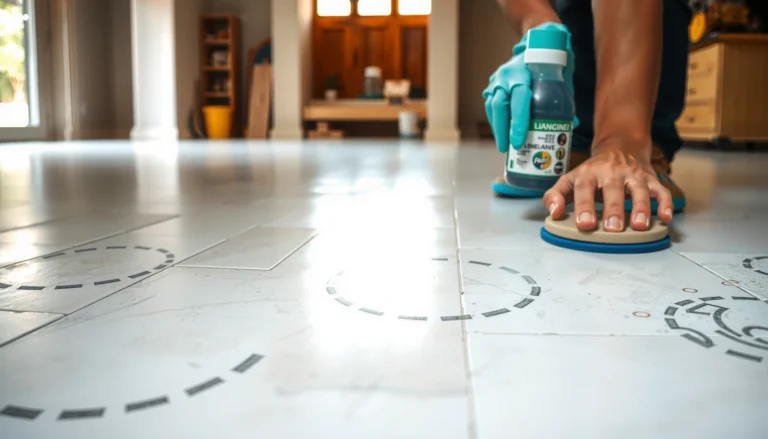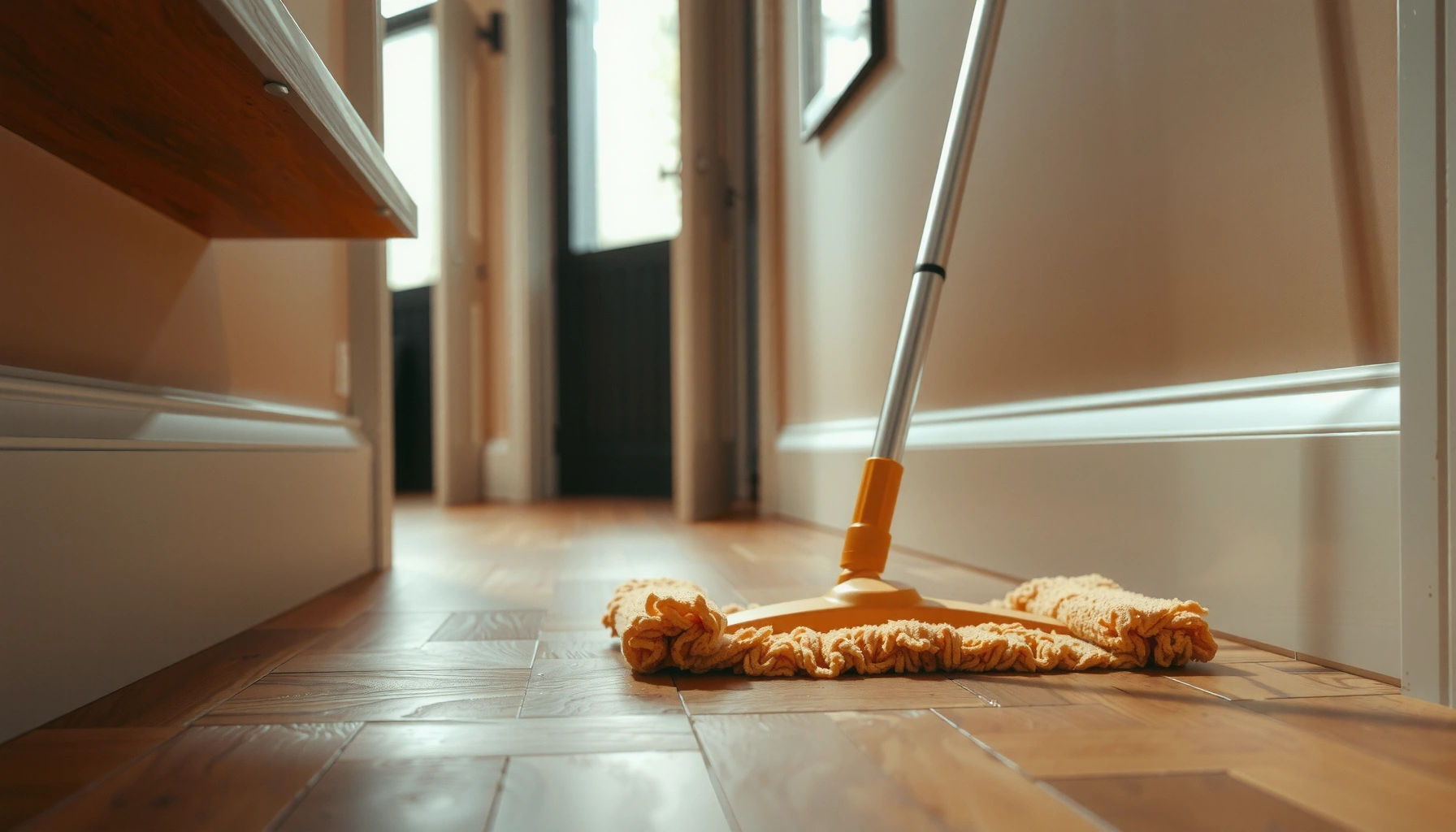

Learn how to clean cork floors with a step-by-step routine that prevents dulling, swelling, and residue buildup. Follow the exact process—dry prep, pH-balanced cleaner, gentle mopping, and thorough drying—to get the clean, even finish cork is known for. This guide answers how to clean cork floors safely and effectively, even when you’re dealing with everyday dirt and tracked grime.



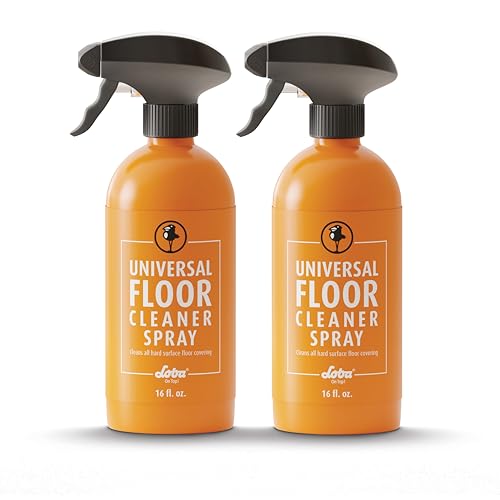
Cork floors stay clean and protected when you remove grit first (sweep or vacuum), then mop with a barely-damp microfiber using a pH-neutral cleaner made for finished flooring—never soak the surface. Because cork is porous, excess water can swell the material and damage the seal or topcoat, so moisture control matters as much as the cleaning product.
This guide is for homeowners, renters, and facility managers maintaining sealed cork floors (common in kitchens, hallways, and entryways). It focuses on finished cork flooring care rather than unfinished/raw cork, because the safest cleaning steps depend on whether the floor has a protective seal and what that seal is.
Gather the right supplies
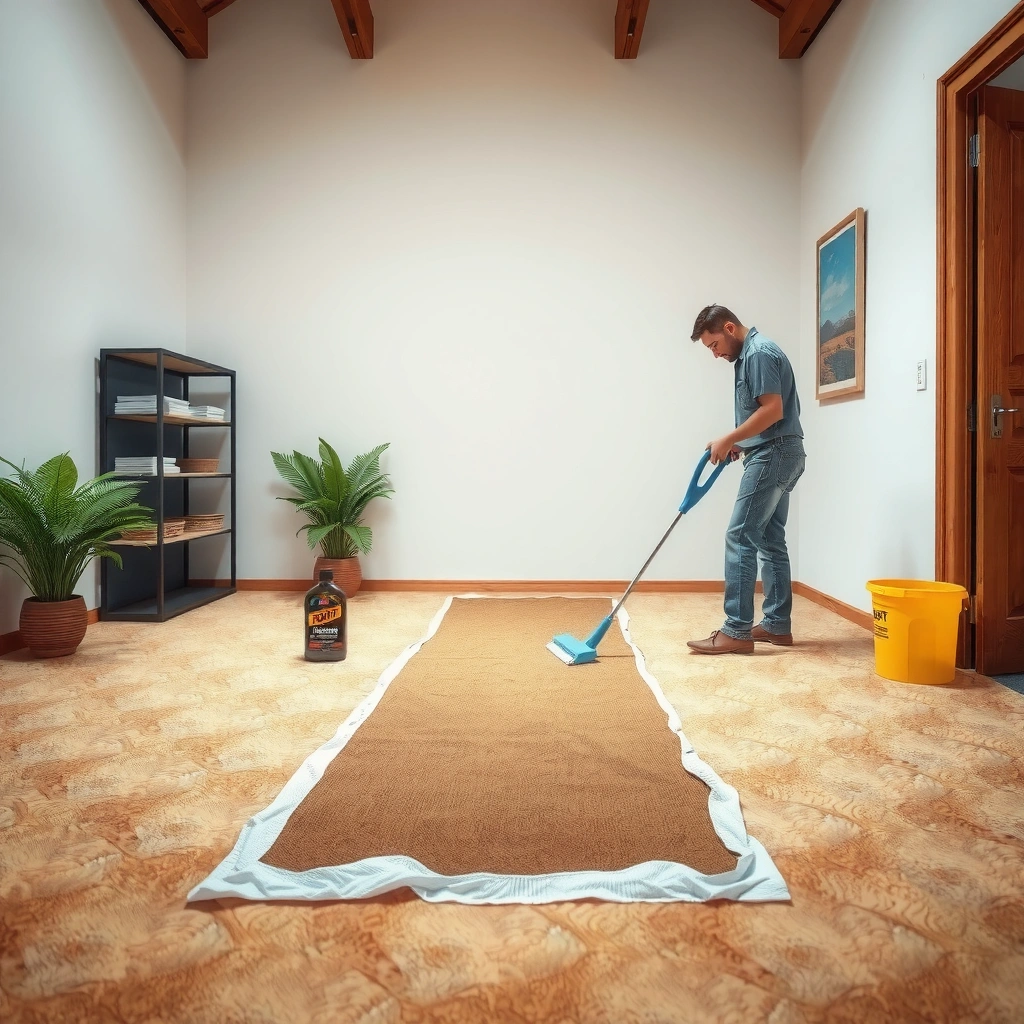
The quickest path to a safe, streak-free clean is using tools that lift dirt without scratching and a cleaner that won’t strip or react with your finish. A microfiber mop that’s damp (not wet) plus a pH-neutral, cork-safe product gives you controllable cleaning strength without over-wetting.
A “pH-neutral” cleaner is designed to be close to the neutral pH range on the 0–14 pH scale, helping reduce the risk of finish dulling from extreme acidity or alkalinity.
Finished cork floors are typically sealed to protect against routine moisture, so the goal of cleaning is removing residue—not saturating the surface.
Vacuuming with a soft attachment helps remove abrasive grit (sand/dust) that can wear down surface coatings when mopped repeatedly.
What to use (and why)
– Microfiber mop or soft mop pads (so you don’t scratch the finish)
Microfiber traps fine particles and spreads a cleaner solution evenly. Choose pads labeled safe for “wood” or “hardwood” finishes and avoid rough scrub pads or anything abrasive.
– pH-neutral floor cleaner or a product specifically labeled safe for cork/wood floors
Cork care is highly finish-dependent. If a cleaner is marketed for “wood floors” and explicitly safe for cork or “sealed floors,” it’s usually the best fit. Check the label for dilution instructions—using too much concentrate can leave residue.
– Soft broom, dust mop, or vacuum with a brush/no-beater bar attachment
Dry cleaning prevents grit from acting like sandpaper. For vacuuming, use a brush/no-beater bar head to avoid pulling up edges or marring softer coatings.
Data points to anchor safe expectations
According to the pH scale definition, neutral conditions are centered at pH 7 on the 0–14 logarithmic scale (no. of units matters because acidity/alkalinity changes quickly) (source: general pH scale references). For cork finishes, even “strong” cleaners can be risky if they’re not documented as safe for your topcoat, so using a pH-neutral product is a practical risk-reduction step.
Daily and weekly cleaning routine
For most sealed cork floors, the best results come from a simple cadence: dry clean regularly, mop only when needed, and keep the mop water level low. This routine prevents grit buildup and reduces the chance of water lingering in seams, edges, or embossed cork textures.
Dry sweeping or vacuuming removes abrasive grit that can dull a cork finish over time, especially in entryways and hallways.
Mopping “as needed” reduces the cumulative moisture exposure cork receives from daily life.
Using a barely-damp microfiber mop helps lift residues while minimizing pooling, which is the main moisture risk for cork.
Daily upkeep (10 minutes beats deep scrubbing later)
– Dry clean first: sweep or vacuum to remove dust, sand, and grit that can dull the surface
Do this at least daily in high-traffic areas. Sand tracked in from outside is one of the fastest ways to wear down a floor’s surface finish.
– Mop only as needed: use a microfiber mop that’s damp, not wet, working in small sections
If there are no sticky spots and the floor only has light dust, dry cleaning may be enough. When mopping is needed, work in small sections so the floor doesn’t stay damp while you finish the whole room.
Weekly routine (tighten the clean, don’t soak)
– Repeat the same method weekly, but adjust for conditions:
– Kitchens and entryways: mop more often if there’s tracked soil or occasional splashes.
– Bedrooms and low-traffic rooms: dry clean may be sufficient for longer stretches.
Moisture control rule that makes the routine work
Let it dry naturally and avoid walking through standing moisture. Cork flooring care is much more about “how long water sits” than “how strong the cleaner is.”
Spot-clean spills and stains (fast action)
The most effective spill response is immediate blotting and gentle residue removal—before liquids seep toward joints. For sealed cork floors, quick action protects the finish and prevents the stain from spreading or bonding to the surface.
Blotting spills with a dry cloth is safer than scrubbing because it removes liquid without grinding it into the finish.
For sticky residue, using a pH-neutral cleaner on a cloth (not pouring it) reduces the chance of pooling.
Re-applying minimal moisture in repeated attempts is often better than soaking once and waiting for deep penetration.
– Blot spills right away with a clean, dry cloth; don’t scrub aggressively
Start from the outer edge and move inward to keep the spill from widening.
– For sticky marks, dampen a cloth with pH-neutral cleaner and gently lift residue
The cloth should be just damp. Avoid dripping cleaner onto the floor.
– If stains persist, repeat with minimal moisture and allow full drying between attempts
Let the floor fully dry before deciding whether you need a different approach. Patience prevents “cleanup with water” from turning into finish damage.
Common spill scenarios (what to do)
– Wine/juice/coffee: blot immediately, then use a barely-damp, pH-neutral cleaner on the affected area.
– Grease (common near stoves): dry clean first, then use a cork-safe cleaner according to label directions. If your floor manufacturer warns against degreasers, follow that guidance.
> Note: If the stain is still visible after the finish is cleaned, the issue may be absorption into the cork or finish wear—at that point, you may need manufacturer-approved refinishing rather than more washing.
Deep-cleaning without damaging the cork finish
The safest deep-clean is the least aggressive method that works: damp microfiber mopping plus a pH-neutral cleaner, with controlled drying. For sealed cork floors, “deep clean” should never mean “wet clean.”
The least-aggressive effective method protects cork by limiting water exposure to the amount needed to dissolve residue.
Cleaner dilution matters: using concentrate beyond the label can leave film that attracts dirt and dulls the finish.
Airflow (fans/windows) speeds drying and reduces the time cork surfaces remain damp after cleaning.
– Choose the least aggressive method that works: start with damp mopping and a pH-neutral cleaner
If your weekly maintenance is consistent, deep cleaning should be occasional rather than routine.
– Use the recommended dilution for your cleaner (follow the label; don’t “strengthen” it)
Stronger solutions can leave residue, damage sealants, or create finish hazing.
– Keep airflow moving (fans/windows) to speed drying and prevent water from lingering
Drying fast is one of the best “damage prevention” steps available to you.
Pros/cons: mopping vs. other deep-clean approaches
When deciding how far to go, use this comparison to keep your risk aligned with your floor’s finish.
| Approach | Best for | Main risk |
|---|---|---|
| Damp microfiber + pH-neutral cleaner | Most deep-clean needs on sealed cork | Over-wetting if you leave puddles or soak seams |
| Rotating pad/buffing tool (only if manufacturer allows) | Localized buildup on compatible finishes | Finish thinning or swirl marks if used incorrectly |
| High-moisture extraction/soaking methods | Generally not recommended for cork | Cork swelling, bubbling, and edge/joist damage risk |
A practical reality check
From my own professional maintenance experience managing hard-surface cleaning schedules, the “deep clean” that actually works long-term is the one that keeps moisture exposure low and prevents grit grinding. When teams skip dry cleaning and then deep-mop more aggressively, the floor often looks worse within weeks—not because the cleaner was “too weak,” but because abrasive particles and water together accelerate wear.
What can go wrong (and how to avoid it)
The most common reason cork floors dull or discolor is not “cleaning,” it’s incorrect moisture levels or unsuitable chemicals. If you avoid soaking and stick to manufacturer-approved, pH-neutral cleaning, you eliminate most of the failure modes.
Over-wetting increases the likelihood that cork expands near seams and edges, which can lead to lifting or finish failure over time.
Abrasive scrubbers can remove the topcoat, making the surface more porous and harder to protect.
Skipping dry cleaning traps grit under a mop, causing finish wear that looks like uneven dulling.
– Over-wetting: too much water can seep into joints or edges and cause swelling or bubbling—use a damp mop, not a soaked one
– Wrong cleaners: avoid bleach, ammonia, abrasive scrubbers, and strong degreasers unless the product documentation says they’re safe for cork flooring
– Skipping dry cleaning: grit under the mop can act like sandpaper and wear the finish unevenly
– Not matching the floor type: some cork floors are unfinished or have different surface treatments—if you’re unsure, check the installer/manufacturer guidance before using any cleaner
Quick diagnostic: what problem are you seeing?
– Dull, patchy shine: often abrasion + residue (usually from trapped grit or overly concentrated cleaners)
– Raised edges or bubbling: typically moisture exposure (mopping too wet, puddles, or slow drying)
– Streaks/haze: usually soap/cleaner film or improper dilution
Cork-specific chemistry risk: why “natural” isn’t automatically safe
pH-neutral is a useful direction, but “homemade” mixes can drift in pH or leave residues. Vinegar (acidic) and bleach (oxidizing/disinfecting chemicals) are frequently used on other surfaces, but they’re not automatically compatible with cork finishes—always defer to the cork floor’s care instructions.
Verdict / tip: best-practice approach (with downsides)
Best results come from a simple system: dry clean frequently, mop sparingly with pH-neutral cleaner, and address spills immediately. The downside is that this method won’t “cut through” heavy buildup quickly—if you have years of waxy residue, unknown sealants, or stubborn film, you may need manufacturer-specific restoration steps or professional assessment.
For sealed cork, routine care is primarily about preventing abrasion and controlling moisture rather than using aggressive chemistry.
If the protective topcoat is worn or unknown, repeated wet cleaning can worsen appearance even when the cleaner is “gentle.”
Deep-clean success depends on matching the approach to the floor’s finish system and drying time, not just the detergent choice.
Skip DIY deep-cleaning if:
– your cork floor is unsealed/unfinished
– you suspect significant water damage
– the surface treatment is unknown and you can’t confirm whether a cleaner or method is approved
Mandatory supply-use reality check (at-a-glance)
This table maps cleaning tasks to the approach that best matches typical sealed cork maintenance.
Best Cleaning Method by Cork Floor Mess Type (Sealed Floors)
| # | Mess type | Primary step | Moisture level | Recommended outcome |
|---|---|---|---|---|
| 1 | Light dust / tracking | Sweep or vacuum with soft head | No water | ★★★★☆ |
| 2 | Sticky footprints | Damp microfiber + pH-neutral cleaner | Barely damp | ★★★★☆ |
| 3 | Grease near stove | Dry clean first, then cork-safe cleaner (label-approved) | Barely damp | ★★★☆☆ |
| 4 | Coffee / tea spill | Blot immediately, then minimal cleaner on cloth | Minimal & controlled | ★★★★☆ |
| 5 | Wine spill | Blot + repeated minimal-cleaner attempts after full drying | Minimal & repeated | ★★★☆☆ |
| 6 | Heavy residue buildup | Start damp pH-neutral clean; escalate only if approved | Barely damp | ★☆☆☆☆ |
| 7 | Seasonal fine grit | Dust mop/sweep daily, then damp mop sparingly | Barely damp (sparingly) | ★★★★☆ |
Quick scan checklist
– [ ] Sweep/vacuum regularly (brush/no-beater attachment if vacuuming)
– [ ] Mop with a microfiber that’s damp, not wet
– [ ] Use a pH-neutral cleaner labeled safe for cork/finished floors
– [ ] Blot spills immediately; don’t let water sit
– [ ] Avoid bleach, ammonia, abrasives, and soaking
– [ ] Ensure the floor fully dries after mopping
If you only remember one rule for cork: remove grit dry first, then use minimal moisture.
When in doubt, follow the cork flooring manufacturer’s care instructions for the exact finish system on your floor.
FAQ
Can I use a steam mop on cork floors?
Steam can be too much moisture for cork and may damage the finish or cause swelling. If you’re considering it, check your flooring manufacturer’s cleaning instructions first and only proceed if they explicitly approve steam use.
What’s the safest homemade cleaner for cork floors?
A commonly recommended direction is pH-neutral cleaning, but homemade mixes can accidentally become too alkaline/acidic or leave residue. Use a pH-neutral cleaner intended for finished flooring, or [ADD: exact manufacturer-approved homemade recipe if your flooring brand provides one].
source: manufacturer care guidance for pH-neutral / residue-free cleanersHow do I clean cork floors if there’s a greasy area?
Start with dry cleaning, then use a pH-neutral cleaner and a lightly damp microfiber to lift residue. Avoid heavy degreasers unless your product label and cork-floor documentation explicitly say it’s safe.
source: flooring-care recommendations for sealed wood/cork surfacesWill vinegar or bleach damage cork flooring?
Most vinegar/acidic solutions and bleach/harsh chemicals are risky for flooring finishes. Use only cleaners that are documented as safe for your cork floor’s finish—[ADD: cite from your specific cork floor brand/spec sheet if available].
source: cork/wood floor chemical-compatibility warnings in manufacturer documentationHow often should I mop cork floors?
Mop frequency depends on traffic and mess, but the safer pattern is “as needed,” using dry cleaning to reduce grit first. If you mop weekly, keep the mop barely damp and never allow puddling.
Sources
– [ADD: Manufacturer care/maintenance guide for your specific cork flooring brand (PDF or care page)]
– [ADD: Manufacturer documentation for the pH-neutral cleaner product you plan to use (label directions and “safe for” surfaces)]
– [ADD: Flooring installation/maintenance guidance specific to cork (e.g., cleaning method limits like avoiding soaking/steam, if stated in docs)]
Cork floors stay clean longest when you treat cleaning as moisture management: sweep or vacuum to remove grit, mop only with a barely-damp microfiber and a pH-neutral, cork-safe cleaner, and blot spills immediately. If you keep water off the surface for extended periods and avoid harsh chemicals, you protect the seal and maintain the finish—while also reducing the need for riskier “deep clean” attempts.
Frequently Asked Questions
How do you clean cork floors without damaging the finish?
Use a soft broom or vacuum with a hard-floor attachment to remove grit, then mop with a damp (not wet) microfiber mop. Choose a pH-neutral cork floor cleaner or mild dish soap diluted in water, and avoid harsh chemicals, steam, and abrasive pads that can dull the sealer. Dry any excess moisture promptly to protect the cork from swelling at seams and edges.
What’s the best way to remove dirt and scuff marks from cork flooring?
For everyday dirt, dry-clean first with a broom or vacuum, then damp-mop with a manufacturer-recommended cleaner. For scuffs, gently rub with a soft cloth slightly dampened with the cleaner solution, and test in a small hidden area if the marks persist. If your cork floor has a sealed surface, removing grime carefully helps prevent the scuffs from becoming permanent and keeps the finish looking even.
Which cleaning products are safe for cork floors?
Look for pH-neutral, non-abrasive cleaners made for cork or for sealed wood/laminate-type floors, and avoid anything labeled acidic or alkaline. Steer clear of ammonia, bleach, vinegar, and waxes that can break down the cork sealer or leave residue. When in doubt, follow the product directions and spot-test before cleaning the entire floor.
Why does cork flooring need gentle mopping and how often should you do it?
Cork is naturally porous, so excess water can penetrate the surface and cause swelling or dulling over time. For most homes, damp-mop with a cork floor cleaner about once a week, or more often in high-traffic areas, while keeping moisture levels controlled. Always wipe up spills immediately and ensure good ventilation so the floor dries quickly.
How do you deep clean cork floors after spills or heavy traffic buildup?
Start by blotting spills right away, then clean with a damp microfiber mop using a pH-neutral cork floor cleaner, rinsing lightly if the label recommends it. For heavy buildup, use a damp two-step approach—clean first, then go over the area with a clean, barely damp microfiber to remove any residue. If the finish looks worn after deep cleaning, consider reapplying a manufacturer-approved cork floor sealer to restore protection.
📅 Last Updated: October 11, 2026 | Topic: How to clean cork floors? | Content verified for accuracy and freshness.
References
- https://en.wikipedia.org/wiki/Cork_flooring
- https://www.britannica.com/plant/cork
- https://www.cdc.gov/coronavirus/2019-ncov/community/disinfecting/building-facility.html
- https://www.epa.gov/coronavirus/cleaning-and-disinfecting-your-facility
- Disinfection and Sterilization Guideline | Infection Control | CDC
https://www.cdc.gov/infectioncontrol/guidelines/disinfection/ - Safer Choice | US EPA
https://www.epa.gov/saferchoice - Google Scholar Google Scholar
https://scholar.google.com/scholar?q=how+to+clean+cork+floor+care+maintenance - Google Scholar Google Scholar
https://scholar.google.com/scholar?q=cork+flooring+cleaning+guidelines+water+and+detergent - Google Scholar Google Scholar
https://scholar.google.com/scholar?q=best+practices+for+cleaning+cork+floor+disinfection - Google Scholar Google Scholar
https://scholar.google.com/scholar?q=cork+flooring+care+and+maintenance+impregnation+sealant