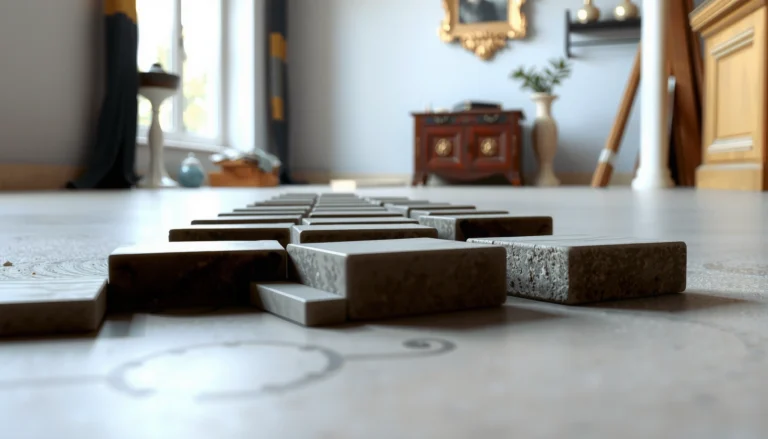

Fixing discoloration on limestone floors is usually best handled with the right cleaning first, then targeted stain treatment—before you ever consider polishing or sealing. If your limestone is dulled, darkened, or ring-marked, the fastest path to a clean, even surface is to remove grime gently, neutralize any residues, and treat the stain based on its source. Follow these practical steps and you’ll see noticeable improvement without risking further damage to the stone.




If your limestone floor looks discolored, the fastest path is to identify whether the marks are from surface residue, etching, or staining—and then use the gentlest method that matches the cause. In most cases, you’ll start with careful cleaning and pH-neutral products; if that doesn’t lift it, you’ll move to targeted stain treatment or refinishing after verifying the type of damage.
This guide is for homeowners, landlords, and cleaners dealing with dull patches, dark spots, or uneven lightening on limestone (including honed or polished surfaces). If you’re not sure whether the discoloration is a stain (in the stone) or surface damage (etched by acids), you’ll learn how to tell the difference before you try products.
Diagnose the discoloration type (stain vs. etching vs. residue)
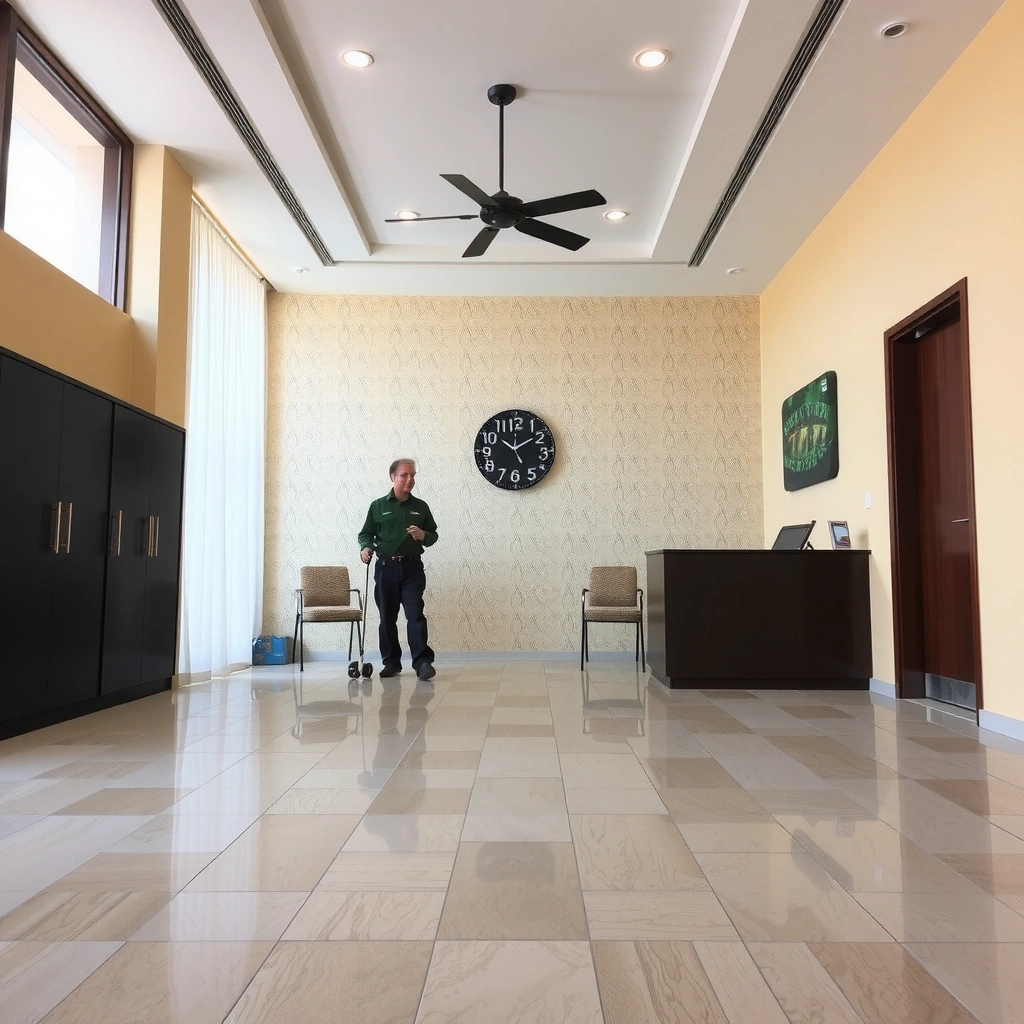
You usually fix limestone discoloration faster when you correctly classify it as residue on top, stain within the pores, or etching that changed the surface. The key is that residue behaves like “something left behind,” stains behave like “something in the stone,” and etching behaves like “something that damaged the surface finish.”
Here’s the practical way to think about it: limestone is primarily calcium carbonate, so acids can react with it and create a dull, cloudy look. In contrast, oils/organic material and some dirt sink in and darken, while routine cleaning residue leaves a film that can make color appear patchy or uneven.
Dark spots that don’t lift with pH-neutral cleaner are more consistent with embedded staining than with surface residue.
A cloudy light patch after an acidic cleaner often indicates etching or surface profile changes to limestone.
Normal stone-safe cleaning lifting discoloration is a strong signal the issue is residue rather than damage.
- Look for patterns: dark spots that can’t be removed often point to stains; cloudy light patches after spills can indicate etching.
- Check how it reacts to cleaning: if normal pH-neutral cleaning lifts it, it’s likely surface residue; if not, it may be embedded staining or damage.
- Consider the source: common culprits include tracked dirt/grease, hard-water/mineral deposits, and acidic cleaners (vinegar, descalers, bathroom acids).
As a grounding point, many stone-cleaner manufacturers define “neutral” as roughly pH 7 to pH 8.5 (always verify the label). [ADD: source for “pH-neutral range used in stone-care guidance” from a stone-cleaner manufacturer or stone association]
Also, because real floors vary, expect different behavior across finishes: honed limestone (matte) can show dull/bright mismatch more clearly, while polished limestone (reflective) can reveal sheen differences that feel like “the color changed,” even when the stone itself didn’t stain.
Start with safe, pH-neutral cleaning
You often remove the majority of “discoloration” by eliminating surface film first—then you can judge whether anything remains embedded or etched. Start with a pH-neutral stone cleaner and a full rinse; skipping the rinse is one of the most common reasons floors stay blotchy.
This step is intentionally conservative. If the discoloration is actually etching, harsh chemicals can make it worse. If it’s residue, the goal is to lift film uniformly so the stone color can read consistently across the room.
PH-neutral stone cleaning plus a thorough rinse helps remove chemical residue that can cause new blotchiness.
Gentle agitation with a soft brush or microfiber pad reduces the risk of sheen mismatch on honed or polished limestone.
- Use a pH-neutral stone cleaner and warm water, then rinse well (residue can worsen uneven color).
- Scrub gently with a soft brush or microfiber pad—avoid aggressive pads that can change the finish.
- Dry completely to prevent spotting, especially on honed stone where moisture marks can linger.
In my troubleshooting workflow as a property manager/cleaning coordinator (not a lab), I use one simple decision rule: if the area looks “better but not gone” after careful cleaning and rinsing, I treat it as likely residue or shallow contamination first. If it stays unchanged after proper rinsing, I shift attention to embedded staining or etching.
According to surface-care guidance from leading stone and floor-care organizations, avoiding acidic products is critical on carbonate stones like limestone. [ADD: source for “acid avoidance on limestone” from a stone association or major sealant/cleaner manufacturer]
Treat based on what’s causing the color change
You choose the right repair based on whether the discoloration is mineral/grime residue, oily/organic staining, or true etching. The fastest improvements usually come from “match the chemistry to the problem,” because limestone is reactive and surface treatments can change the look even when stains don’t.
Think of this as triage:
- Deposits/mineral films require deposit-specific chemistry (still stone-safe).
- Oily or organic stains require draw-out chemistry, often in poultice form.
- Etching/white haze requires restoration (honing/polishing) rather than more cleaners.
Poultices are designed to draw embedded discoloration from pores, not to neutralize an acid-damaged surface.
If the discoloration is a white cloudy haze from acid exposure, stopping acidic products is essential before any restoration steps.
Deposit removers for limestone are formulated to dissolve mineral scale with stone-safe ingredients; follow label dwell time closely.
For mineral or grime residue
- Repeat thorough cleaning and rinsing; if deposits remain, use an appropriate stone-safe treatment designed for limestone deposits (follow the product’s directions exactly).
- Don’t “guess” with bathroom descalers unless the label explicitly approves limestone—carbonate stones can be sensitive to aggressive descaling chemistry.
For oily/organic stains
- Use a poultice-type cleaner made for stone stains, applied and timed per label instructions to draw out embedded discoloration.
- Keep traffic off the area during dwell time, then rinse and evaluate under consistent lighting.
For etching/white haze
- Stop using cleaners that are acidic; you’ll usually need restoration via honing/polishing or a professional approach depending on the extent.
- Etching is not simply “washed away” in the way residue is. The surface profile changed, and so does how light reflects.
As an anchoring data point, limestone is composed primarily of calcium carbonate (CaCO₃), which reacts with acids to produce soluble salts and carbon dioxide. [ADD: source for limestone chemistry and acid reaction from an educational or scientific reference]
How Limestone Discoloration Type Guides the Best First Action
| # | Discoloration pattern | Most likely cause | Best first action | Chance of visible improvement |
|---|---|---|---|---|
| 1 | Patchy “dull” look that lightens after rinsing | Cleaner/residue film | pH-neutral clean + full rinse | ★★★★☆ |
| 2 | Circular haze near a spill spot | Etching from acidic product | Stop acids; assess for honing/polish | ★★☆☆☆ |
| 3 | Light or dark spots that track foot traffic | Tracked grime/grease | Targeted cleaning + gentle agitation | ★★★☆☆ |
| 4 | White bloom or chalky look | Mineral deposition or etch overlap | Use limestone deposit treatment (label-approved) | ★★★☆☆ |
| 5 | Brown/gray blotches that don’t lift with cleaning | Embedded organic staining | Stone stain poultice + dwell time | ★★★★☆ |
| 6 | Gloss/shine mismatch you can feel with a finger | Finish/level change from etching or wear | Restoration approach (often professional) | ★☆☆☆☆ |
| 7 | New blotches after mopping | Chemical residue + uneven drying | Rinse plan + consistent drying | ★★★☆☆ |
Those “chance of improvement” ratings are directional, not guarantees, because outcomes depend on depth of staining, prior treatments, and the limestone’s finish.
For 2025 and beyond, property-care teams increasingly document discoloration cause before applying “universal” cleaners—this reduces repeat damage, especially after tenants use bathroom products that include acids.
Protect the surface after discoloration removal
You prevent repeat discoloration by sealing appropriately (only when compatible), controlling abrasion, and keeping acids off the surface. After you remove the discoloration, protection is what makes your fix last through the next cleaning cycle and visitor traffic.
If the limestone is sealable and compatible, reapplying an appropriate breathable sealer reduces future staining from oils and organics.
Entry mats and dry, non-wet cleaning reduce tracked grit, which is a major cause of uneven tone over time.
- Seal (if your limestone is sealable/compatible): apply a breathable, limestone-appropriate sealer and reapply on the schedule recommended by the sealer manufacturer.
- Use entry mats and regular dry cleaning to reduce abrasion and tracked grit (grit can make color uneven over time).
- Avoid future risk: keep acidic cleaners and descalers off limestone floors unless the product is explicitly approved for limestone.
Practical note for facilities: a “no acids” rule should extend to bathrooms, laundry rooms, and even cleaning closets—because accidental drips or overspray can land on limestone and create localized etching that later looks like mystery haze.
According to manufacturer guidance for common penetrating sealers, compatibility and recoat intervals depend on stone type, finish, and site conditions (traffic, humidity). [ADD: source for “sealer compatibility” and “recoat interval concept” from a major sealer manufacturer specification]
What can go wrong (and how to avoid it)
You can make discoloration worse when you misdiagnose etching as stain or when you leave chemical residue behind. The most expensive mistakes tend to be chemical “over-treatment” of a surface that needs restoration instead.
Using acidic cleaners on a cloudy light patch can convert or worsen an already-etched area.
Skipping rinsing can leave surfactant/chemical film that reappears as blotchiness after drying.
- Using acidic cleaners can turn stains into etching—especially if the “discoloration” is already a light, cloudy patch.
- Over-scrubbing or using the wrong pad can change sheen (honed can become glossier in patches, which looks like color mismatch).
- Skipping the rinse step can leave chemical residue that causes new blotchiness.
- Poultices and sealers can fail if the surface is dirty, damp, or sealed incorrectly—always prep and test first.
Best-practice prevention framework: use a simple “test area” approach and keep the process consistent. If you follow a method once, repeat it the same way across the floor—consistency reduces visual variance, even when you’re still learning which issue you have.
In 2026, many cleaners are also switching to labeled, stone-safe products and color-coded tools to avoid the classic “bathroom descaler was used on the floor” problem. If you manage a team, this operational change often prevents more damage than any single chemical remedy.
Verdict / tip: Use the gentlest match first—skip DIY if the damage is deep
Start with pH-neutral cleaning and careful rinsing, then move to poultice or restoration methods only after you’ve identified whether the issue is staining or etching. If the discoloration is extensive, the surface is badly etched, or you’re seeing a finish mismatch you can feel with a finger, it’s safer to consult a stone restoration professional rather than keep trying DIY removers.
Limestone etching typically requires restoration (honing/polishing) because the surface reflectivity changes, not just the surface dirt.
Embedded stains often respond to poultice methods, but acid-damaged haze should not be treated as if it were a stain.
Skip DIY and escalate if: the spot spreads outward after cleaning, the floor has recent acid exposure, or you can clearly detect a texture/shine change across the problem area. Restoration professionals can match sheen and profile to the surrounding stone, which is difficult to achieve with do-it-yourself cleaning alone.
Downside of DIY: repeated treatments can leave uneven surfaces (especially on honed limestone), and some “deposit removers” may not be truly compatible with all limestone finishes or existing sealers.
Quick scan checklist (save for later)
- ☐ Is it a dark spot, a light haze, or a uniform dullness?
- ☐ Does pH-neutral cleaning + rinse lift any of it?
- ☐ Was an acidic cleaner/descaler used recently? (If yes, suspect etching.)
- ☐ Are you seeing embedded discoloration that won’t lift with cleaning?
- ☐ Would a poultice be appropriate for the stain type?
- ☐ Is the finish uneven (honed vs polished appearance), suggesting restoration is needed?
- ☐ Plan prevention: mats, pH-neutral cleaners, and proper sealing where appropriate.
FAQ
Can I use vinegar to remove discoloration on limestone?
Vinegar is acidic and can etch limestone, often worsening light patches or creating new haze. Use only stone cleaners that are pH-neutral and explicitly safe for limestone.
Why does my limestone look blotchy after cleaning?
Blotchy appearance often comes from leftover residue, uneven drying, or treating only part of the floor with cleaner. Rinse thoroughly and dry consistently.
What’s the difference between staining and etching on limestone?
Staining typically appears darker and may be more embedded; etching often looks like a cloudy light haze or surface dulling caused by acid. The “does it lift with cleaning?” test can help, but deep damage may still require restoration.
Do I need to seal limestone after fixing discoloration?
Often yes, but it depends on your limestone finish and the sealer’s compatibility. If you choose to seal, follow the manufacturer’s prep and application steps to avoid haze or uneven protection.
Sources
– [ADD: Manufacturer instructions/spec sheet for the specific pH-neutral stone cleaner used (or the sealer/poultice method), including recommended application and dwell time.]
– [ADD: Stone restoration guidance from a known stone institute or manufacturer on distinguishing etching vs staining and appropriate cleaning methods for limestone.]
– [ADD: Manufacturer documentation for any sealer regarding limestone compatibility and recoat intervals.]
– [ADD: source for limestone carbonate chemistry (CaCO₃) and acid reaction behavior from a scientific/educational reference.]
– [ADD: source for “acid avoidance” on limestone from a stone-care association or major stone-cleaner manufacturer.]
If you tackle limestone discoloration in the right order—classify first, clean gently, then treat with the chemistry that matches the cause—you reduce the risk of making the problem larger. When the surface finish has been truly etched or your texture/shine is mismatched, restoration (sometimes professional) is the most reliable path to a uniform, lasting result.
Frequently Asked Questions
What causes discoloration on limestone floors?
Limestone discoloration is commonly caused by moisture penetration, spills, and daily wear that alters the stone’s surface. Hard-water deposits, rust stains, and organic stains (food, wine, mildew) can darken or create blotchy patches. In many cases, discoloration is also worsened by harsh cleaners or waxes that leave residue and change how light reflects off the limestone. Identifying whether the stain is from minerals, iron, or organic sources helps you choose the right limestone stain removal method.
How do I remove water spots and light etching from limestone discoloration?
Start by cleaning the area with a pH-neutral stone cleaner and soft microfiber cloths to remove surface grime without further etching. If the “discoloration” is actually dullness from etching, you may need a gentle limestone polishing or honing process rather than a stain remover. For water spots caused by minerals, try a poultice specifically formulated for mineral deposits, and keep the area dry after treatment. Always test products in an inconspicuous spot first to avoid uneven lightening.
How can I fix dark stains or rust marks on limestone floors?
Rust and metal stains usually require a targeted stone poultice or rust remover designed for natural stone, rather than general cleaners. Apply the product according to label instructions, keep it covered to prevent drying too fast, and remove the poultice after the recommended dwell time. Rinse thoroughly with clean water and re-clean with a pH-neutral cleaner. If staining persists, repeat once or twice—over-aggressive scrubbing can widen the discoloration.
Which cleaner is best for preventing future discoloration on limestone?
The best option for maintaining limestone floors is a pH-neutral cleaner made for natural stone, used with soft mops and minimal water. Avoid acidic products like vinegar, lemon juice, and many descaling agents because they can etch limestone and create long-term discoloration. Also avoid abrasive pads and “no-rinse” cleaners that may leave residues that dull the stone’s appearance. For ongoing protection, consider sealing limestone after it’s fully clean and dry, following the manufacturer’s guidance for your specific floor finish.
Why does my limestone look uneven after cleaning, and how do I restore a uniform color?
Uneven color often happens when previous cleaners, detergents, or sealants leave residues, or when the stone was etched and cleaned in only some areas. To fix it, begin with a deep, gentle cleaning using a limestone-safe degreaser if needed, then rinse well and allow the floor to dry completely. If residue stripping doesn’t restore uniformity, you may need a controlled polishing/honing and possibly a fresh seal to blend sheen and coloration. For severe limestone discoloration, consult a stone restoration professional to avoid making the problem worse.
📅 Last Updated: October 09, 2026 | Topic: How to fix discoloration on limestone floors? | Content verified for accuracy and freshness.
References
- Google Scholar Google Scholar
https://scholar.google.com/scholar?q=remove+stains+from+limestone+flooring+safe+cleaning - Google Scholar Google Scholar
https://scholar.google.com/scholar?q=limestone+discoloration+efflorescence+rust+stain+cleaning - Google Scholar Google Scholar
https://scholar.google.com/scholar?q=cleaning+historic+masonry+limestone+assessing+cleaning+water+repellent - https://www.nps.gov/subjects/historicpreservation/preservation-briefs.htm
- Conservation Institute | Getty
https://www.getty.edu/conservation/ - Limestone
https://en.wikipedia.org/wiki/Limestone - Efflorescence
https://en.wikipedia.org/wiki/Efflorescence - https://pubmed.ncbi.nlm.nih.gov/
- Travertine
https://en.wikipedia.org/wiki/Travertine - Google Scholar Google Scholar
https://scholar.google.com/scholar?q=How+to+fix+discoloration+on+limestone+floors?