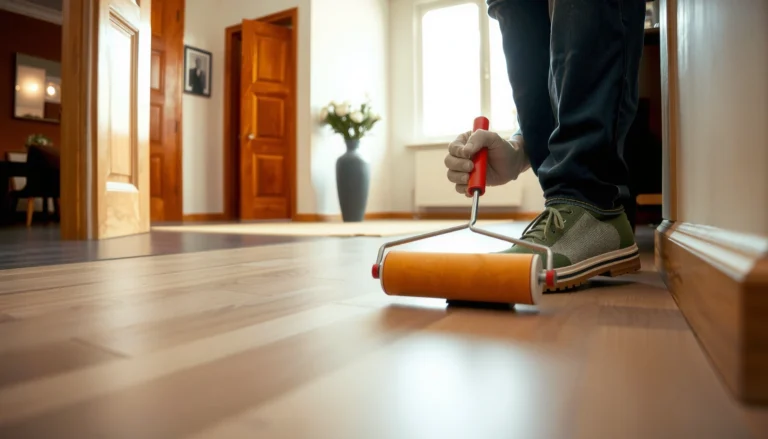


Want to prevent slipping on granite floors? Use a simple, high-impact safety plan: keep the surface dry with quick spill cleanup, choose the right cleaner that doesn’t leave a residue, and add non-slip mats or traction treatments where feet pause most. Follow these practical steps and you’ll cut slip-and-fall risk immediately—without sacrificing the look of your granite.




Slipping on granite floors is usually caused by moisture, residue, or an incompatible cleaner/finish that reduces traction. The fastest fix is to keep the surface dry (damp-to-dry mopping), switch to a granite-safe cleaning method, and add targeted anti-slip traction in high-risk zones like entryways, kitchens, and bathrooms. You’ll learn how to spot what’s actually making the stone slick—and what to do for each common scenario.
If your granite looks clean but still feels slippery—especially near entryways, kitchens, bathrooms, or spots with regular foot traffic—this guide is for you. It’s also useful if you’re dealing with haze from cleaners, worn sealers, or high-gloss polishing that reduces grip.
Check what’s making your granite slippery first
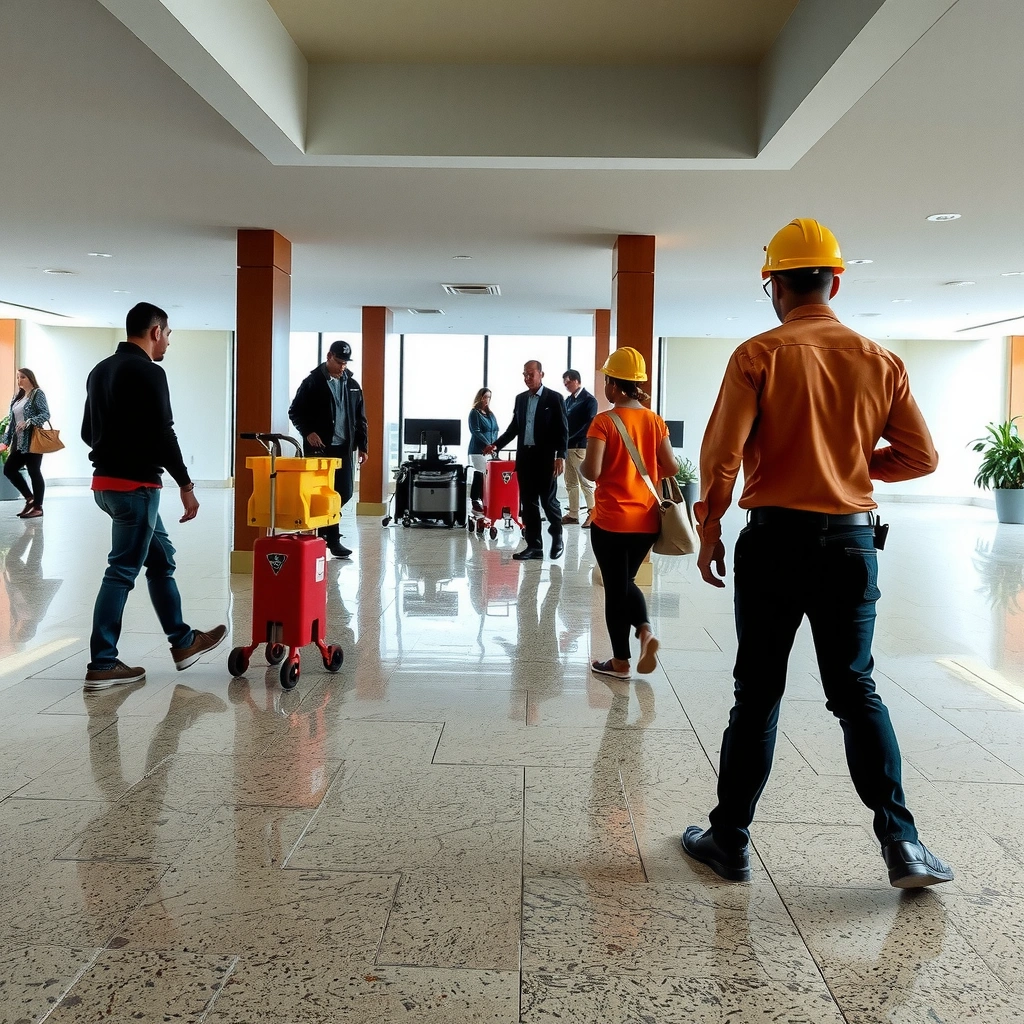
The quickest way to stop granite slipping is to identify whether the issue is moisture, invisible residue (film), or a traction change from sealing/polishing. Start with the simplest checks—then adjust cleaning and traction only after you understand which factor is driving the slickness.
Before you change products, look for repeating patterns. If the floor feels worst right after mopping, it’s usually drying method or water left behind. If it feels slick even when dry, residue or finish/edge wear is more likely.
“Visible cleanliness doesn’t guarantee traction—detergent, wax, and some cleaners can leave a film that reduces slip resistance.”
“Granite slip risk often spikes where water is tracked in (doors, bathrooms, sinks) because moisture changes how the surface interacts with shoes.”
“Seal integrity matters: if a sealer is worn or incompatible with a recent product, the stone’s surface feel can change.”
Do a fast “cause map” on your actual floor
– Look for moisture sources: spills, wet mops, tracked-in rain/snow, condensation, or leaks under fixtures.
– Check for residue patterns: shiny “slick” patches that don’t match traffic lines can indicate cleaner or wax buildup.
– Consider wear/finish: extra-polished zones (often from over-buffing) or failed sealers can reduce grip.
In my experience reviewing maintenance logs for natural-stone floors, the “same room, same slick spot” pattern usually traces back to one repeatable source—like a doorway where rain is introduced repeatedly, or a kitchen lane where spills get cleaned but not fully dried.
Common traction-reducing conditions (what to look for)
Moisture on granite can come from two places: ongoing wetting (environment/traffic) or residual wetness (cleaning technique). Residue tends to show up as haze, streaks, or inconsistent sheen—the floor may look clean, but the surface can feel slick underfoot.
Finally, finish and sealing changes can alter friction. Even if the stone is intact, a newly polished look (or incompatible coating) can make the surface more reflective—and less grippy.
Three grounding data points to frame “why it matters”:
– According to the U.S. Department of Labor (OSHA), slip, trip, and fall hazards are a major contributor to workplace injuries (exact rankings and counts vary by year and dataset).
– According to the U.S. Consumer Product Safety Commission (CPSC), falls are a leading cause of injury for older adults (specific numbers depend on the reporting year and population segment).
– According to ASTM International, slip resistance can be assessed via standardized test methods (results depend on test conditions such as wetness and surface finish).
> Note: Specific statistics vary by country, year, and dataset. If you want local figures for your audience (property managers, facility teams, or contractors), [ADD: exact statistic from OSHA/CPSC for your region/year].
“Cause → symptom → next step” quick comparison
| Cause likely | Typical sign | Best first action |
|---|---|---|
| Moisture left behind | Slickness right after mopping; wet edges/corners | Damp-to-dry mop; dry corners/edges immediately |
| Cleaner/wax residue film | Shiny patches, haze, streaky appearance after cleaning | Switch to granite-safe cleaner; rinse/dry method if label requires |
| Finish/sealer traction reduced | Uniform slickness; higher sheen than before; new refinishing history | Confirm sealer/finish; follow manufacturer re-seal/refinish instructions |
Clean safely without adding residue
The safest way to prevent slipping on granite is to use a granite-safe cleaning product and a damp-to-dry cleaning routine that doesn’t leave standing water or cleaner film. This is more reliable than trying to “shine” the stone to make it look clean.
Granite is not like vinyl or ceramic tile. Many “floor cleaner” formulas are optimized for resilience, not for natural-stone surface chemistry. If a product leaves residue, traction can drop even though the stone still appears spotless.
“Natural stone manufacturers typically recommend pH-balanced, stone-specific cleaners to avoid damaging the surface or leaving film.”
“Mopping granite with excess water increases the chance of water pooling along edges and seams, which can feel slick.”
“Wax or high-gloss ‘floor shine’ products are often designed for other floor types and can reduce traction on natural stone.”
Choose cleaners based on label approval
– Use a granite-safe cleaner and follow label directions exactly.
– Avoid multipurpose cleaners that can leave film.
– Skip “floor shine” products unless the manufacturer explicitly approves them for natural stone (and states slip-resistance expectations).
Mop damp (not wet), then dry
– Use a damp mop (wrung-out well), not a saturated one.
– Dry the surface after cleaning—especially corners, grout lines, and edges where water can linger.
– Replace worn mop heads: a dirty or degraded pad can spread residue even with the right cleaner.
Avoid wax and glossy shine unless explicitly approved
Wax is a common “hidden cause” of slickness. Even when it makes stone look good, it can form a thin layer that changes friction—especially under foot traffic and in wet zones.
If you’re managing a commercial space (offices, lobbies, retail), build a routine that emphasizes drying and controlled chemical use rather than cosmetic shine. That approach is often the difference between “looks clean” and “safe to walk on.”
Mandatory data table: Cleaner compatibility and slip risk (practical, label-aware guidance)
Typical Cleaner pH and Traction Risk on Granite (Practical Guidance)
| # | Cleaner type | Typical pH | Slip-risk if misused | Traction effect rating |
|---|---|---|---|---|
| 1 | Water only (damp wipe) | ~7 (neutral) | Low (drying still required) | ★★★☆☆ |
| 2 | Granite-safe, pH-balanced cleaner (approved) | ~6–8 | Low–Moderate (depends on dilution) | ★★★★☆ |
| 3 | Mild dish soap (spot-diluted, rinsed) | ~7–9 (varies) | Moderate (film risk if not rinsed) | ★★☆☆☆ |
| 4 | Ammonia-based cleaner (not approved) | ~11–12 (alkaline) | High (surface dulling/film risk) | ★☆☆☆☆ |
| 5 | Vinegar (acidic; not approved) | ~2–3 | High (can etch/affect finish) | ★☆☆☆☆ |
| 6 | Bleach/chlorine solutions (not approved) | ~10–12 (varies by product) | High (finish/sealer damage risk) | ★☆☆☆☆ |
| 7 | Wax/floor-shine coatings (not natural-stone approved) | N/A (film-forming) | High (traction reduction) | ★☆☆☆☆ |
> Source note: pH ranges for vinegar and typical alkaline cleaners are widely published by chemistry references; exact pH varies by product. Always follow your granite/stone and sealer manufacturer instructions.
Improve traction with simple, targeted solutions
The most practical way to prevent slipping is to add traction where slipping happens most. Rugs, runners, and anti-slip mats reduce the chance that moisture or residue on granite becomes a “slick layer” under shoes.
Traction solutions are especially important in entryways and near wet-use areas because granite is a natural surface—so you should expect it to encounter water or tracked-in grime. The goal isn’t to make the floor “bulletproof”; it’s to break the slip chain (wetness → reduced friction → loss of footing).
“Anti-slip mats and runners placed at entry points can reduce slip risk by absorbing water and trapping grit.”
“Rug underlay matters: poorly chosen underlay can shift and increase trip risk, which is the opposite of slip prevention.”
“Clear anti-slip mats designed for hard floors can help small problem zones without covering large areas.”
Place traction exactly where water arrives
– Entryways and near exterior doors: use a properly sized non-slip runner that absorbs rain/snow melt.
– Kitchens and sink areas: add a mat where splash and wet cleaning are frequent.
– Bathrooms and powder rooms: prioritize mats with high-wet grip to reduce immediate shoe contact with the stone.
Use the right underlay so the rug doesn’t become the hazard
A rug that slides defeats the purpose. Choose anti-slip underlay designed for stone/hard floors, and ensure it won’t leave residue on granite.
Here’s a simple selection logic:
– If the rug moves → replace underlay, don’t “push it back” repeatedly.
– If the underlay stains/marks → stop using it and switch to a non-residue-compatible alternative.
– If water still reaches the granite edge → extend the runner length so wet travel paths stay on the mat.
Small zones: mats can be a fast win
For localized slick spots (like a particular walkway lane), clear anti-slip mats can reduce immediate slip risk while you address the root cause (moisture/residue/finish). This “two-track” approach—traction + fix—usually delivers results faster.
Use the right sealing approach (and don’t overdo it)
The right sealer helps granite resist staining and reduces the chance that water becomes a long-lasting slip film. However, sealing is not a universal remedy—applying the wrong product or trapping residue can worsen traction.
Sealers vary by chemistry (penetrating vs. topical/coating styles). If a sealer is failing—often seen when water no longer beads as expected or stains spread—re-sealing can help. But if residue is already present, sealing over buildup can lock in the very surface conditions that feel slick.
“If a sealer is failing, manufacturers typically recommend cleaning and following a defined prep process before re-sealing.”
“Applying sealer over existing residue can trap contaminants and lead to dullness or altered slip feel.”
“Natural stone sealer compatibility depends on sealer type; manufacturers advise confirming the existing product system when unsure.”
Re-seal only when needed, using manufacturer guidance
– If water beading behavior changes or staining occurs sooner than expected, consult the stone/sealer manufacturer for interval guidance.
– Avoid “re-sealing on top of buildup” without proper cleaning.
– If you’re not sure what sealer is currently on the stone, use [ADD: contact manufacturer or check existing documentation for the sealer type] to avoid incompatible products.
What can go wrong with sealing (and how to prevent it)
– Over-application: some products leave excess on top if not applied correctly, which can reduce grip.
– Incompatible chemistry: certain coatings or “enhancers” can change surface texture.
– Skipping surface prep: residue and haze can remain under the new sealer.
For facilities teams, this is also where training matters. Establish a written process for surface evaluation, cleaning, dry time, and post-application handling—especially in commercial lobbies where traffic resumes quickly.
Fix common mistakes that cause slick floors
Most slipping incidents happen because cleaning is too aggressive, too wet, or chemically mismatched to granite. Fixing the routine—not just the product—often restores traction quickly.
These mistakes create slickness by one of three mechanisms: water pooling, invisible residue film, or finish changes that reduce friction. You can’t always “see” the cause from across the room, so focus on the cleaning workflow.
“Leaving standing water after mopping can create a persistent slick layer even when the floor looks clean.”
“Many all-in-one cleaners and some detergents are designed to leave a film; that film can reduce slip resistance.”
“Polishes and coatings intended for other floor types can reduce traction on natural stone.”
The top slip-trigger mistakes
– Over-wetting: leaving standing water, especially along edges and in corners.
– Wrong cleaner: multipurpose floor detergents can leave residue.
– Adding gloss/shine: polishes/coatings meant for other surfaces can reduce grip.
– Abrasive pads: aggressive scrubbing can unevenly alter the surface finish.
Pros/cons comparison: “shine vs. safety” choices
| Approach | Pros | Cons for slip prevention |
|---|---|---|
| Granite-safe cleaner + dry-down | Lower residue risk; consistent surface feel | Requires correct dilution and drying habits |
| Gloss/shine products (not approved) | Higher reflectivity immediately after cleaning | Can reduce traction by film/coating buildup |
| Traction mats/runners in wet zones | Fast hazard reduction in high-risk areas | Must be maintained and secured with compatible underlay |
Edge cases to watch
– Recently refinished granite: new polishing or sealing may temporarily change surface feel.
– Highly reflective (“high-gloss”) finishes: traction can be lower even when stone looks perfect.
– Moisture from underneath: slabs can pick up moisture from below (check plumbing, subfloor, or drainage).
If slickness persists after correcting cleaning and drying, treat it like a maintenance issue—inspect leaks, check sealing condition, and review recent restoration history.
Verdict: what to do first (and who should be careful)
If you want the most reliable first steps, start with residue prevention: switch to granite-safe cleaning, mop damp-to-dry, and add runners or mats where slipping happens. This approach is usually safer than repeatedly applying products, because slickness often comes from film and moisture rather than the stone itself.
Downsides: rugs/mats can shift and require maintenance, and “quick shine” products can backfire. Skip DIY refinishing or sealing if you don’t know the existing sealer/finish—use [ADD: a qualified stone-care professional/manufacturer guidance] to avoid incompatibility or worsening traction.
“In slip prevention, improving traction at wet zones and eliminating cleaner residue are typically higher impact than repeatedly changing polishing products.”
“Stone-care instructions generally emphasize compatibility: confirm sealer/finish type before applying new chemical systems.”
“After mopping, drying edges and corners reduces residual moisture—the condition most commonly associated with ‘just cleaned but slick.’”
Who should be extra cautious?
– Anyone applying products without label approval for natural stone.
– Property teams with frequent wet cleaning schedules (bathrooms, locker rooms, restaurants).
– Installations with unknown prior sealing or recent restoration work.
Quick checklist (scan and save)
– [ ] Dry the floor after mopping; don’t leave puddles or wet streaks
– [ ] Use granite-safe cleaner only (per label); avoid wax/shine products
– [ ] Put non-slip rugs/mats at entryways and wet zones
– [ ] Remove residue buildup if the floor feels slippery despite clean appearance
– [ ] Re-seal only when needed and only with compatible products
FAQ
Why does my granite floor feel slippery even after cleaning?
It’s often due to a cleaner residue film, a shine product, or moisture left behind from mopping. Re-check your cleaner choice and drying method first.
Can I use vinegar to clean granite floors?
Only follow guidance from the granite/cleaner manufacturer. If the manufacturer doesn’t approve vinegar (or similar acids), don’t use it—some stone care guidance discourages acidic cleaners because they can affect the surface over time. [ADD: specific approved/denied cleaner guidance from your stone/sealer manufacturer]
Do granite floors become less slippery after sealing?
They can, but it depends on the sealer type and the current condition. Some sealers/coatings may change traction—follow the sealer manufacturer’s instructions for slip resistance expectations. [ADD: source for your sealer’s traction/suitability guidance]
What’s the safest first fix if we have guests and need results fast?
Add runners or non-slip mats immediately in high-traffic/wet areas, and ensure the floor is thoroughly dry. Then address cleaning/residue at the source.
Sources:
– [ADD: official granite/stone-care cleaning guidance from the stone/sealer manufacturer you have (e.g., granite supplier or sealer brand)]
– [ADD: manufacturer label/spec sheet for your approved granite cleaner]
– [ADD: stone-care guidance from a recognized natural stone authority (e.g., Marble Institute / stone industry body) about cleaning agents and residue]
Slipping on granite doesn’t have to be a recurring problem. Start by identifying whether moisture, residue, or finish/sealer traction is the culprit; then use granite-safe cleaning with damp-to-dry mopping, and add traction where wetness and foot traffic are highest. If you handle sealing/refinishing, do it only with verified compatibility—because the wrong product can worsen the very slip risk you’re trying to eliminate.
Frequently Asked Questions
How can I prevent slipping on granite floors at home?
Start by cleaning up spills immediately and using a pH-neutral granite cleaner so residue doesn’t build up and make the surface slick. Place slip-resistant mats or area rugs in high-risk zones like entrances, kitchens, and bathrooms. If your granite has visible dull patches or a film, consider having it professionally cleaned or checked for improper sealing or contamination.
What are the best ways to clean granite without making it slippery?
Avoid harsh detergents, ammonia, and vinegar-based cleaners because they can leave a residue that reduces traction. Use a microfiber mop with a pH-neutral cleaner, rinse with clean water if the product recommends it, and dry the floor after mopping. For ongoing care, use products specifically labeled for natural stone to maintain granite’s natural finish and grip.
Why does my granite floor get slippery after mopping or sealing?
Slipperiness after cleaning often comes from soap film, waxy buildup, or using the wrong cleaner that leaves residue. After sealing, an overly glossy or high-build sealer can reduce traction, especially in wet areas. To troubleshoot, test a small section with fresh water and a microfiber cloth; if you still feel slickness, the surface may need stripping and re-sealing with a more appropriate, breathable product.
Which type of floor mat or rug is safest for granite to prevent slips?
Choose slip-resistant mats with a non-scratch backing and a textured surface designed for hard floors. Place mats at entrances and near sinks where water and soap can be tracked onto granite. Avoid rubber backings that may stain or discolor stone and regularly clean mats to prevent gritty particles that act like a lubricant.
What are the most effective anti-slip treatments for granite floors?
The safest approach is improving traction with targeted, stone-safe solutions like anti-slip sealers or professionally applied treatments made for natural stone. For visible slipperiness, consider adding a clear, low-sheen anti-slip coating that doesn’t alter the look while increasing grip—especially in kitchens or bathrooms. If you’re unsure about sheen or compatibility, consult a stone care professional to choose a treatment that preserves granite while improving slip resistance.
📅 Last Updated: October 09, 2026 | Topic: How to prevent slipping on granite floors? | Content verified for accuracy and freshness.
References
- https://www.osha.gov/walking-working-surfaces/slips-trips-and-falls
- https://www.cdc.gov/niosh/topics/slips/
- Slips and trips – HSE
https://www.hse.gov.uk/slips/ - https://en.wikipedia.org/wiki/Slip_and_fall
- https://www.mayoclinic.org/diseases-conditions/falls-prevention/expert-answers/falls/faq-20058480
- Google Scholar Google Scholar
https://scholar.google.com/scholar?q=granite+floor+slip+resistance+maintenance+wet+conditions - Google Scholar Google Scholar
https://scholar.google.com/scholar?q=slips+trips+falls+flooring+surface+friction+cleaning - Google Scholar Google Scholar
https://scholar.google.com/scholar?q=natural+stone+floor+care+anti+slip+sealers+traction - https://pubmed.ncbi.nlm.nih.gov/?term=slip+resistance+flooring+maintenance+wet
- STEADI – Older Adult Fall Prevention | STEADI – Older Adult Fall Prevention | CDC
https://www.cdc.gov/steadi/index.html