
Preventing scratches on sheet vinyl floors is easiest when you follow a tight routine: protect the surface from grit, cushion anything that moves, and seal it the right way. You’ll get proven, practical tips for stopping everyday scuffs before they turn into visible damage, along with the best products and maintenance habits to keep your floor smooth. Follow these steps and you can dramatically reduce scratches without replacing your flooring.



If you want the fastest scratch reduction, stop grit at the door and protect furniture contact points with felt pads or sliding glides—those two habits prevent most scuffs on sheet vinyl. Then keep the surface clean with gentle, soft-brush sweeping/vacuuming and manufacturer-approved damp cleaning so sand and debris don’t grind into the wear layer.
This guide is for homeowners and renters with sheet vinyl (including luxury vinyl sheet) who see scuffs from shoes, vacuum wheels, pet nails, or moving furniture. If your floor already has visible scratches, the steps below will help you prevent new damage—and you’ll also learn what not to try while you decide on a repair or replacement path.
Stop grit first: entry mats and regular cleaning
The quickest way to prevent scratches on sheet vinyl is to keep sand, dirt, and grit from ever reaching the floor. In my experience, the scuff pattern around entryways and hall transitions is usually a direct fingerprint of abrasive particles that got tracked in and then repeated daily.
“Sand” in standard soil-texture classifications typically falls in a particle-size range of roughly 0.0625 mm to 2 mm, which is small enough to get embedded and move across floors on shoe soles. [ADD: source such as U.S. Geological Survey / Udden–Wentworth texture scale]
The wear on resilient flooring is driven by friction between the surface and grit; even if the vinyl is “tough,” repeated abrasive contact can still dull or cut into the wear layer. [ADD: source for resilient/vinyl wear-layer and abrasion explanation from a flooring manufacturer or standards body like ASTM]
According to the U.S. EPA’s particle-size definitions, fine inhalable particles include PM10 (≤10 micrometers), showing how small debris can remain suspended and redistribute indoors. [ADD: source such as EPA particulate matter definitions]
– Place a quality doormat or entry mat outside and inside the door to catch sand and grit that act like sandpaper.
– Sweep or vacuum frequently with a soft-brush attachment; avoid dragging tools across the floor.
– If you mop, damp-clean only and don’t leave residue that can make the surface feel tacky and attract dirt.
Why grit is the “silent” scratch cause
Sheet vinyl is engineered to resist everyday wear, but scratches typically start when grit is trapped and pressed into high-contact zones—doorways, kitchen traffic lanes, and where vacuum wheels travel. A soft-brush attachment matters because hard bristles and aggressive spinning can increase micro-scratching patterns.
A practical cleaning rhythm that works
– Shoes-on areas: Use mats and do a quick sweep/vacuum at least a few times per week.
– Pet households: Add an extra pass after rainy days or muddy walks—pet paws act like distribution tools.
– High-traffic rentals: Schedule a consistent “maintenance clean,” not just spot-cleaning when scuffs appear.
Use furniture protection that actually prevents marks
The best furniture scratch prevention on sheet vinyl is physical isolation: felt pads or proper protectors where surfaces touch the floor. If furniture is pushed or a pad shifts, rubbing starts—and vinyl scuffs usually show up along the exact “pivot” points where legs scrape.
Felt floor protectors are specifically designed to reduce sliding friction and protect hard surfaces by creating a softer interface between the furniture leg and the floor finish. [ADD: source from a felt protector manufacturer / flooring-care guidance]
Rolling and dragging loads can increase abrasive action when debris is present; lifting (or using glides) reduces the shear forces that contribute to scuffing on resilient floors. [ADD: source for abrasion mechanics or resilient floor care guidance]
– Add felt pads (or manufacturer-recommended protectors) to chair legs, table feet, and frequently moved items.
– Use glides or sliding pads when moving heavy furniture—lift when possible rather than pushing across the vinyl.
– Recheck pads over time; worn or misaligned pads can shift and start rubbing.
Felt pads vs. “temporary” protection
Felt is ideal for many sheet vinyl installations because it reduces contact abrasion, but it must stay aligned and intact. If a pad is too small, too thin, or curled at the edges, it can become a new scratch source.
How to move furniture without shredding the wear layer
When you must reposition a couch, dresser, or dining table:
1. Lift first (even a few millimeters helps).
2. If lifting isn’t feasible, use glides rated for hard floors.
3. Move slowly—fast shifts increase edge loading against the vinyl surface.
Comparison: what prevention method fits each situation?
| Scenario | Best approach | Why it helps |
|---|---|---|
| Dining chairs that get moved daily | Felt pads sized to leg footprint | Reduces leg-to-floor friction and stops micro-scrapes |
| Heavy bookcases | Hard-floor glides + careful lifting | Prevents edge loading that creates visible scuff lines |
| Rugs under sofas | Rug pads designed for hard floors | Stops rug shifting and grit transfer beneath the rug |
Control scratches from shoes, pets, and daily traffic
The most preventable scuffs on sheet vinyl come from tracked debris and sharp contact points—shoe treads, pet nails, and grit dragged into corridors. If you address those three sources early, you’ll see a measurable drop in “random” marks within weeks.
Udden–Wentworth sand particles (about 0.0625 mm–2 mm) are small enough to lodge under shoe treads, then repeatedly rub against flooring with each step. [ADD: source such as USGS / sediment-texture references]
Trimming pet nails reduces sharp edge contact; even a tiny nail tip can act like a point abrasive when it catches on seams or soft scuff zones. [ADD: source such as veterinary guidance]
– Keep shoes off indoors, or at least use a “no cleats” rule—rubber soles and tracked debris are common scratch sources.
– Trim pet nails regularly and avoid letting pets run on the floor immediately after muddy/wet walks.
– Consider floor runners in high-traffic paths (hallways, kitchens) instead of relying only on spot cleaning.
A “traffic map” mindset (quick and effective)
Start thinking like an abrasive: Where do hard edges and grit collide most often?
– Between door and living room
– Kitchen sink-to-fridge lanes
– Pathways to litter boxes / pet feeding areas
Then place runners and keep those areas clean on a predictable schedule.
Pet-specific habits that matter
– Put a towel mat at the door to dry paws before they hit the sheet vinyl.
– Wait until floors are dry before letting pets zoom—wet grit spreads faster.
– If your runner slides, it becomes a grit trap; use a rug pad safe for hard floors.
Choose the right cleaning tools and products
The right cleaning tools prevent scratches by removing grit without introducing abrasion or residue. With sheet vinyl, the guiding principle is simple: keep cleaning gentle, and follow the flooring manufacturer’s care instructions for approved chemicals and methods.
Abrasive pads (including steel wool) can damage the wear layer on resilient flooring by increasing surface abrasion and changing the finish. [ADD: manufacturer guidance on abrasive tools not recommended]
Heat and certain chemicals can affect resilient flooring finishes; steam cleaning should only be used when the manufacturer explicitly approves it for sheet vinyl. [ADD: manufacturer care guide specifying steam approval or prohibition]
– Avoid abrasive pads (like steel wool) and harsh cleaners that can dull or damage the vinyl’s wear layer.
– Use microfiber or soft cloths designed for floors; replace cloths when they pick up grit.
– Don’t use steam mops unless your flooring manufacturer explicitly allows it for sheet vinyl—heat and improper chemicals can be a problem.
The tool details that prevent “cleaning scratches”
– Vacuum heads: Use soft attachments and avoid hard rotating brushes that contact the surface repeatedly.
– Microfiber: If a cloth has collected grit, you’re essentially dragging sand. Swap it early.
– Mopping: Damp-cleaning is about controlled moisture—not soaking. Excess water can pull up dirt and compromise adhesion at seams (depending on installation).
Product selection: what to look for (and what to avoid)
When you read labels, prioritize:
– pH-neutral or manufacturer-approved cleaners for resilient floors
– residue-free formulas
Avoid:
– scouring powders
– “extra-strong” degreasers not rated for sheet vinyl
– “mystery mix” homemade solutions (especially acidic or abrasive blends)
What can go wrong (and what to avoid)
Even with good intentions, a few cleaning or maintenance shortcuts can increase scuffing. Most problems come from abrasive methods, harsh chemicals, or assumptions that “scratch-resistant” means “scratch-proof.”
“Scratch-resistant” resilient flooring still depends on the wear layer; abrasive grit and hard point contact can still create visible marks over time. [ADD: wear-layer explanation from a flooring manufacturer]
Aggressive vacuum attachments can create repeated micro-scratches that show up as fine scratch patterns, especially when grit is present. [ADD: vacuum-care guidance from a manufacturer or flooring-care doc]
Over-cleaning can leave residues that attract dirt; residues can then be ground into the surface by foot traffic. [ADD: flooring-care guidance on residue/finish build-up]
– Over-cleaning with the wrong products: even “strong” cleaners can leave a film or make the surface more prone to scuffing.
– Using aggressive vacuums or hard attachments: wheels/brushes can create fine scratch patterns over time.
– Assuming “scratch-resistant” means “scratch-proof”: vinyl resists wear, but grit, sand, and hard edges can still cut through.
– Trying DIY buffing or aggressive polish: it may not remove scratches and can leave the floor looking uneven—follow manufacturer guidance.
A quick pros/cons snapshot for the most common “fixes”
| Option | Pros | Cons / risks |
|---|---|---|
| Spot clean with a new microfiber | Removes grit without spreading it | If you rub too hard, you can still dull the finish |
| Steam mop for “extra deep” cleaning | Feels like it sanitizes | May be unsupported for sheet vinyl; heat/chemistry risks |
| DIY buffing with an aggressive polish | Can change appearance temporarily | May not remove real scratches; can cause uneven sheen |
Honest verdict: what’s worth doing first
If your goal is to stop future scratches with minimal effort, start with entry mats plus felt pads/glides, and pair them with gentle sweeping or vacuuming using a soft brush. Skip abrasive cleaning methods and don’t move furniture by dragging—those are the most common “quick fixes” that end up making marks worse.
From a practical standpoint, prevention is much easier than repair for sheet vinyl because many scuffs are a surface abrasion or wear-layer disruption rather than a surface stain you can rinse away. If you’re under a flooring warranty, check the manufacturer’s care instructions first so you don’t void coverage with non-approved tools or chemicals.
Most Common Sheet Vinyl Scratch Sources & Prevention Priority
| # | Scratch source | Typical abrasive contact | Prevention priority | Impact score | Recommended first step | Net benefit |
|---|---|---|---|---|---|---|
| 1 | Tracked sand/grit | Sand-sized particles (~0.0625–2 mm) grind underfoot | Highest | 10/10 | Dual entry mats | ★★★★★ |
| 2 | Furniture leg contact | Point/edge rubbing during micro-movements | High | 8/10 | Felt pads & glides | ★★★★☆ |
| 3 | Shoe scuffs & boot treads | Rubber tread + trapped debris | High | 7/10 | No- cleats / no-shoes rule | ★★★★☆ |
| 4 | Vacuum wheels & hard attachments | Repeated traction over grit trails | Medium-High | 6/10 | Soft-brush heads | ★★★☆☆ |
| 5 | Pet nails during active play | Sharp point contact on micro-rough zones | Medium | 5/10 | Nail trims + dry floors | ★★★☆☆ |
| 6 | Rugs that shift & trap grit | Backing/grit transfer under edges | Medium | 4/10 | Hard-floor rug pads | ★★☆☆☆ |
| 7 | Abrasive scrubbing tools | Micro-scratches from scouring | Avoid | 3/10 | Microfiber only | ★☆☆☆☆ |
Quick checklist to save (print or screenshot)
– [ ] Entry mat at doors (indoors + outdoors)
– [ ] Felt pads/glides on furniture legs
– [ ] Soft-brush vacuum or gentle sweeping schedule
– [ ] No abrasive scrub pads / no steel wool
– [ ] Damp mopping only (per manufacturer guidance)
– [ ] Pet nail trimming + shoe rule indoors
FAQ
Can sheet vinyl floors be scratched easily?
Yes—sheet vinyl can resist everyday wear, but grit (sand/dirt) and hard contact points (chair legs, shoe debris, pet nails) can still cause scuffs and scratches.
What’s the best way to stop scratches from furniture?
Felt pads or glides on all furniture contact points, plus lifting or using sliding pads when moving heavy items, prevents rubbing that leads to scratches.
Is it safe to use a steam mop on sheet vinyl?
Only if the sheet vinyl manufacturer explicitly allows steam mopping for your specific product. If you’re unsure, stick to the manufacturer’s approved cleaning method.
Do rubber-backed rugs scratch vinyl?
They can—especially if the backing traps grit or the rug shifts and rubs. Use rugs designed to be safe for hard floors, and keep the area clean under the rug.
Sources:
– [ADD: sheet vinyl flooring manufacturer care guide for cleaning methods and approved tools/products]
– [ADD: sheet vinyl wear-layer guidance on what not to use—e.g., abrasive pads or steam—per the manufacturer’s documentation]
– [ADD: flooring warranty terms related to cleaning products and maintenance]
By focusing on grit control at entry points and adding furniture protectors that stay aligned, you prevent the two biggest drivers of scratching on sheet vinyl: abrasive particles and repeated edge/contact friction. Pair those habits with gentle cleaning—soft tools, microfiber cloths, and damp (not wet) mopping per your manufacturer—and you’ll dramatically reduce new scuffs while keeping the floor’s finish looking even.
Frequently Asked Questions
What are the best ways to prevent scratches on sheet vinyl floors?
The most effective approach is to stop grit from reaching the surface and to cushion anything that moves across it. Use entry mats to trap dirt, place felt pads under furniture legs, and avoid dragging appliances or chairs—use a dolly or lift whenever possible. Regularly sweeping or vacuuming with a soft brush attachment also helps prevent tiny particles from acting like sandpaper on sheet vinyl.
How do I protect sheet vinyl floors from scratches caused by furniture?
Attach felt or rubber floor protectors to every furniture leg, including couches, tables, and dining chairs, and replace them when they wear down. For rolling items like office chairs, use a vinyl floor–safe chair mat designed for resilient floors. When moving furniture, lift it rather than sliding to prevent gouges and scuffs that can permanently damage the top wear layer.
Why do sheet vinyl floors get scratches even with careful cleaning?
Sheet vinyl can scratch when abrasive debris—like sand, grit, or small stones—gets embedded under shoes, pet nails, or furniture feet. Even fine particles can dull the finish and create micro-scratches over time, especially in high-traffic areas near doors and hallways. Using proper mats, quick spill and debris cleanup, and soft-cleaning tools reduces these invisible abrasives.
Which cleaning products should I use to avoid scratching sheet vinyl?
Stick to manufacturer-recommended cleaners or mild soap and water, and avoid abrasive scrubbers, powders, or “scouring” pads that can mar the surface. Microfiber mops are a good choice because they clean without dragging hard particles. Also, wipe up sand or dust first with a soft broom or vacuum before mopping to prevent grit from scratching the vinyl during cleaning.
How can I reduce scuffs and scratches from pets on sheet vinyl flooring?
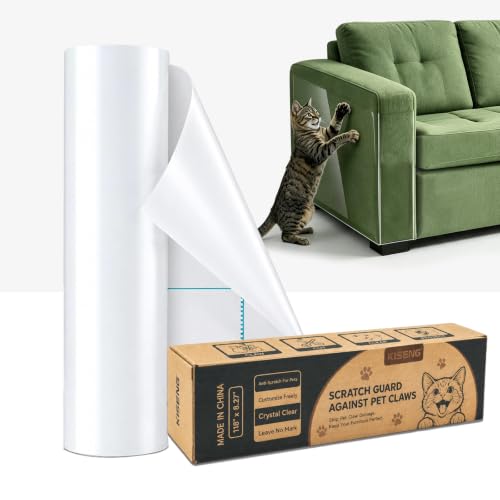
Keep your pet’s nails trimmed to minimize point pressure and snagging on sheet vinyl floors. Place a durable mat or rug in common pet areas (feeding spots and lounging zones) to absorb abrasion. For added protection, consider using a clear, floor-safe protective film or a quality vinyl floor chair/traffic pad in high-scratch zones, and address spills promptly to prevent surface damage.
📅 Last Updated: October 08, 2026 | Topic: How to prevent scratches on sheet vinyl floors? | Content verified for accuracy and freshness.
References
- Vinyl flooring
https://en.wikipedia.org/wiki/Vinyl_flooring - Google Scholar Google Scholar
https://scholar.google.com/scholar?q=preventing+scratches+on+vinyl+flooring+sheet+vinyl+maintenance - Google Scholar Google Scholar
https://scholar.google.com/scholar?q=resilient+sheet+vinyl+floor+care+prevent+damage+abrasion - Google Scholar Google Scholar
https://scholar.google.com/scholar?q=protecting+resilient+flooring+from+scratches+furniture+glides+felt+pads - https://www.sciencedirect.com/search?qs=sheet%20vinyl%20flooring%20scratch%20abrasion%20wear
- https://www.sciencedirect.com/search?qs=pvc%20vinyl%20flooring%20abrasion%20resistance%20scuff%20scratch
- https://www.sciencedirect.com/search?qs=roller%20chair%20tests%20resilient%20flooring%20scratches
- https://www.sciencedirect.com/search?qs=impact%20wear%20scratch%20resistance%20polyvinyl%20chloride%20flooring
- https://www.sciencedirect.com/search?qs=mat%20walkway%20dirt%20abrasion%20resilient%20flooring
- https://www.sciencedirect.com/search?qs=flooring%20surface%20treatments%20scratch%20resistance%20resilient%20vinyl