
Are you frustrated because your cat keeps pooping on your floor instead of in their litter box? You’re not alone.
Many cat owners face this puzzling behavior. You might feel confused, annoyed, or even a bit helpless, wondering what you’re doing wrong. But don’t worry—there’s often a simple explanation behind your cat’s actions. Understanding the reasons can not only solve the problem but also strengthen your bond with your feline friend.
Dive into this article to uncover why your cat might be sidestepping the litter box, and discover practical solutions to bring harmony back to your home.
:strip_icc()/cat-pooping-outside-box-554017-b408bc2885e042a5a1937e7e0b183b5a.jpg "Floor") Floor: Solve It Fast!”/>
Floor: Solve It Fast!”/>Common Reasons For Litter Box Avoidance
Cats may avoid the litter box due to medical problems. Problems like urinary tract infections or digestive issues can cause discomfort. Cats might associate this pain with the box. They start avoiding it. Consult a vet to rule out any medical conditions.
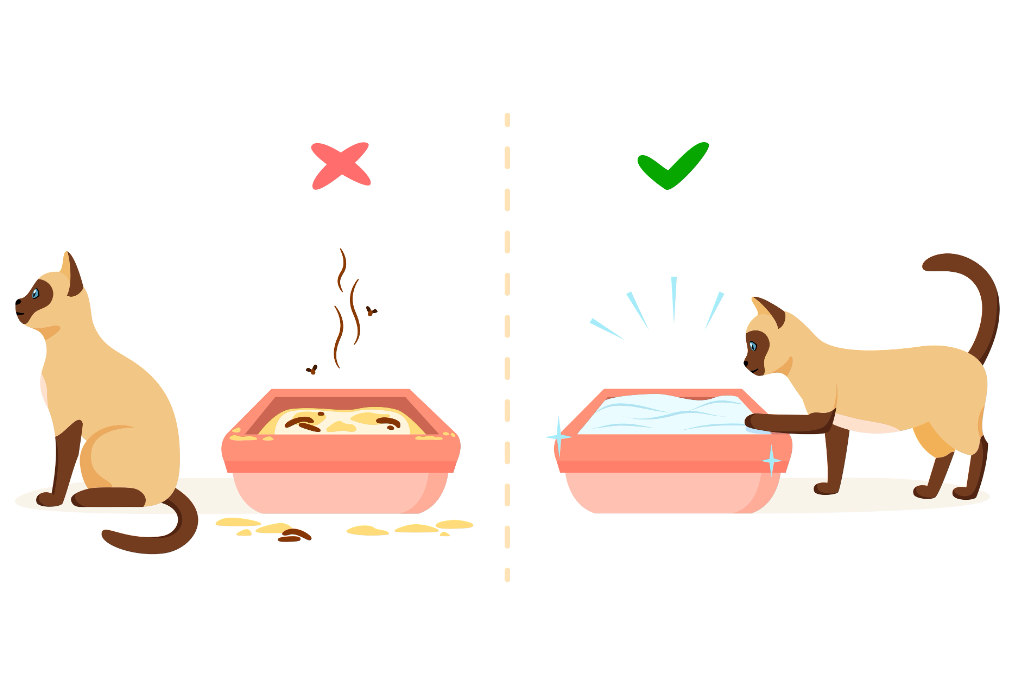
Cats can be picky about their litter boxes. Box size and cleanliness matter a lot to them. Cats prefer clean boxes with low sides. Boxes should be in quiet places. If they don’t like the box, they will avoid using it.
Stress can make cats poop on the floor. Changes at home can cause stress. New pets or moving furniture can upset them. Cats feel safe when things are familiar. Maintain routines to keep them calm.
Medical Concerns
Cats may poop on the floor due to health problems. Look for signs like vomiting or weight loss. Your cat may also seem tired or stop eating. These can be signs of a problem. It’s important to notice if your cat is in pain. Watch for changes in how they walk or sit. If they cry when using the litter box, it may be a sign.
A vet can help find out why your cat is pooping outside the box. They will check for illness or injury. The vet might do tests to see if your cat is sick. This is important because untreated issues can get worse. A vet visit can give peace of mind. They will also give advice to help your cat feel better.
Litter Box Setup
Cats need easy access to their litter box. Place it in a quiet spot. Avoid busy areas. Cats like privacy. They feel scared in noisy places. Keep the box away from loud appliances. Make sure your cat can reach the box easily. If there are stairs, place the box on each floor. Make sure the box is not too high for kittens. Older cats struggle with high edges.
Clean the litter box daily. Cats hate dirty boxes. Scoop out clumps every day. Change the litter weekly. Wash the box with soap and water. Some cats refuse to use smelly boxes. Keep the box fresh. Check for any damage. Cats dislike broken boxes. A clean box encourages good habits. Keep your cat happy with a clean space.
Choose the right litter for your cat. Some cats prefer clumping litter. Others like non-clumping. Try different types. See what your cat likes best. Use enough litter to cover the box. Too little litter causes problems. Cats dig to cover their waste. They need enough litter to do this. Make sure it’s not too deep. This can confuse your cat. Balance is key.
Behavioral Factors
Your cat may feel stressed by a new home. Cats love routine. A change can upset them. This may lead to accidents. Providing a safe space helps them feel secure.
New pets can make your cat anxious. They might feel their space is threatened. Cats need time to adjust. Slowly introduce the new pet. This can help reduce stress.
Cats thrive on routine. Changes can cause them stress. If feeding times change, they might get confused. Keep routines as stable as possible. This makes them feel safe.
Stress Reduction Techniques
Cats love to feel safe. Create a special corner just for them. Place a soft bed there. Add a few toys. This makes them feel secure. A safe space helps them relax. They feel less stressed.
Playtime is important for cats. Use a simple toy like a feather. Move it around. Let them chase it. This keeps them happy and active. Playing reduces their stress. It also strengthens your bond with them.
Some products help cats stay calm. Feliway sprays are one option. They mimic cat pheromones. This makes cats feel at ease. There are also calming collars. These products can help reduce anxiety. Always check with a vet first.
Training And Positive Reinforcement
Using treats can make training your cat fun. Cats love tasty treats. Give a treat when your cat uses the litter box. This teaches your cat that using the box is good. Be quick with the reward. Your cat should get the treat right after using the box.
Some cats like toys more than food. Try giving your cat a favorite toy after using the litter box. This can be just as good as a treat. Make sure your cat gets praise too. A happy voice and a pet can help.
Keep training the same every day. Cats learn best with consistent rules. Always give rewards for good behavior. If you skip rewards, your cat might forget. Make sure the litter box is always clean. A dirty box can confuse your cat.
Stick to a routine. Feed your cat at the same times. This helps your cat know what to expect. Cats like routines. They feel safe with them. A calm cat learns better.
Consulting Professionals
Cat behavior can puzzle many pet owners. Consulting professionals can offer insights into why cats might poop on the floor. Understanding stress factors, litter box issues, or health problems can help address this common feline concern.
Animal Behaviorists
Animal behaviorists can help understand why a cat behaves oddly. They study how animals act and why. If a cat poops on the floor, they find out why. Behaviorists look for stress or changes in the home. They give advice on how to fix the problem. Sometimes, simple changes can help the cat feel better. This can stop the unwanted behavior.
Veterinary Support
Veterinarians check if a cat is sick. Health issues can make cats poop outside the litter box. A vet will do tests to find any problems. Infections or digestive issues can be the cause. After checking, they suggest treatments or diet changes. With proper care, the cat can feel better and use the litter box again. Always trust a vet’s advice for your pet’s health.
:strip_icc()/help-with-cat-pooping-on-rug-554023-c17d422e040f433a9e03a0fdb6517a56.jpg)
Frequently Asked Questions
Why Is My Cat Pooping Outside The Litter Box?
Cats might poop outside the litter box due to stress, illness, or litter box aversion. Ensure the box is clean and in a quiet location. Consult a vet to rule out medical issues. Changes in the home environment can also trigger stress-related accidents.
How Can I Stop My Cat From Pooping On The Floor?
First, clean the area thoroughly to remove odors. Use an enzymatic cleaner. Consider adding more litter boxes in different areas. Ensure the boxes are clean, accessible, and in a quiet location. If behavioral issues persist, consult a vet for advice.
Does My Cat Have A Medical Issue?
Yes, health problems like gastrointestinal issues or urinary infections can cause accidents. If your cat suddenly starts pooping outside the box, consult a vet. They can diagnose and treat underlying health issues. Early intervention is crucial for your cat’s well-being.
Can Stress Cause My Cat To Poop On The Floor?
Yes, stress can lead to inappropriate elimination in cats. Changes in the home, such as new pets or people, can trigger stress. Provide your cat with a safe, quiet space. Engage them with toys and activities to reduce anxiety and promote comfort.
Conclusion
Your cat’s behavior can be puzzling. It’s crucial to address the issue. Consistent accidents may signal health concerns or stress. Observe your cat closely. Notice any changes in routine or environment. Clean the affected areas thoroughly. This prevents reoccurrence. Consider consulting a vet.
They can offer insights and solutions. Cats need a safe, clean space to thrive. Understanding their needs builds trust and comfort. Be patient. Changes may take time. Every cat is unique. Their behavior reflects that. With care and attention, harmony is achievable.
Keep exploring and learning about your feline friend. This strengthens your bond.