
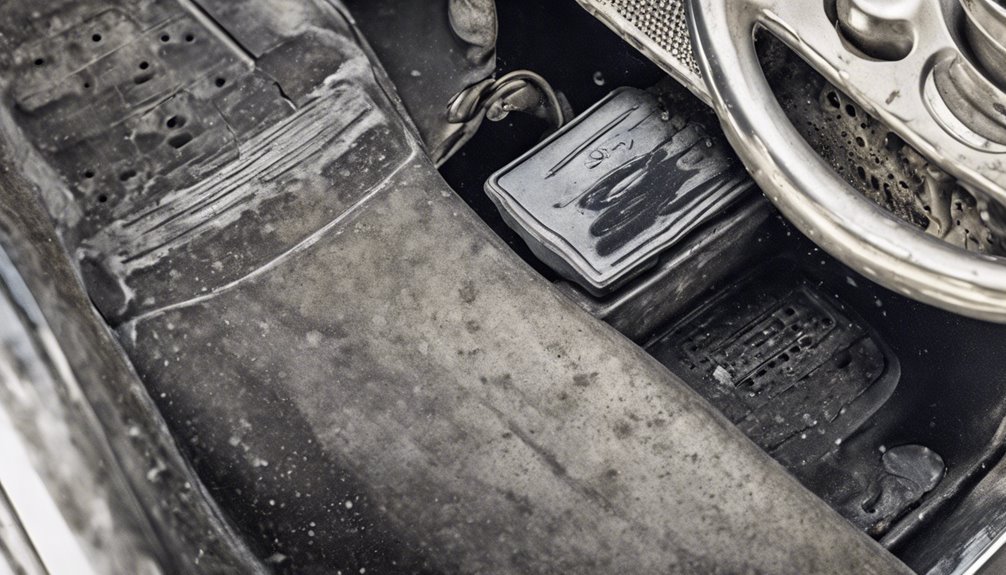

Your brake pedal going to the floor often signals serious issues, like low brake fluid or a failing master cylinder. Low fluid compromises hydraulic pressure, making braking inefficient. Additionally, air bubbles or contaminated fluid can create a spongy feel, which affects responsiveness. Worn brake pads also reduce gripping power on the rotors, further diminishing braking effectiveness. Regular maintenance and inspections are essential for preventing such problems. If you notice these symptoms persistently, it's wise to seek professional help for an accurate diagnosis and repair. Understanding these factors can help you maintain your vehicle's safety and performance effectively.
Common Causes of Brake Failure
When you press the brake pedal, you expect your vehicle to slow down or stop, but several factors can lead to brake failure. One common issue is low brake fluid, which can cause the brake system to lose hydraulic pressure. If your brake fluid's contaminated or air bubbles form, it can result in a spongy pedal feel. Worn or damaged brake pads are another critical factor; if they're excessively worn, they can't effectively grip the brake rotor, leading to longer stopping distances. Additionally, a malfunctioning master cylinder may prevent proper fluid flow, compromising braking efficiency. Regularly checking brake fluid levels and inspecting brake pads can help guarantee your vehicle responds as expected, keeping you in control on the road.
Importance of Brake System Maintenance
Proper maintenance of your brake system is vital, as even minor neglect can lead to significant safety hazards. Regular brake inspections help identify issues before they escalate, ensuring your vehicle remains in ideal condition. Following a maintenance schedule is essential; it allows you to track wear and tear on components like pads, rotors, and fluid levels. Neglecting these checks can result in decreased braking efficiency, increasing the risk of accidents. By prioritizing brake system upkeep, you not only enhance your safety but also maintain your vehicle's performance and longevity. Remember, your freedom on the road is directly tied to how well you care for your brakes. Stay vigilant and proactive, and you'll enjoy a safer driving experience.
Signs of a Failing Brake System
If you notice a soft brake pedal feel when you press down, it could indicate a failing brake system. Additionally, the activation of your warning light is an essential signal that shouldn't be ignored. Recognizing these signs early can help prevent more severe issues down the line.
Soft Brake Pedal Feel
A soft brake pedal feel can indicate underlying issues within your vehicle's braking system, often pointing to problems such as air in the brake lines, a malfunctioning master cylinder, or worn brake components. When you press the brake pedal and it sinks toward the floor, it's essential to address the issue immediately. Air trapped in the lines can compress, leading to ineffective braking. Similarly, a failing master cylinder can lose hydraulic pressure, creating that soft feel. Worn brake components, like pads or rotors, can also contribute to diminished responsiveness. Ignoring these signs can compromise your safety and that of others on the road. Regular maintenance and prompt attention to these symptoms are critical for preserving your vehicle's braking performance.
Warning Light Activation
When the brake system experiences issues, the activation of warning lights on your dashboard serves as a critical alert. These warning indicators, such as the brake warning light and ABS light, should never be ignored. Their activation often signifies low brake fluid levels, worn brake pads, or even a malfunctioning anti-lock braking system. If you notice these dashboard alerts, it's essential to address them promptly. Ignoring warning lights can lead to severe brake failure, compromising your freedom on the road. Regularly monitoring these indicators not only guarantees your safety but also maintains your vehicle's performance. Don't wait for the brake pedal to go to the floor; take immediate action when these alerts illuminate your dashboard.
How to Diagnose the Problem
To diagnose brake pedal issues, start by checking the brake fluid level to verify it's adequate. Next, inspect the brake lines for any signs of leaks or damage. Finally, examine the brake components for wear and tear that could affect performance.
Check Brake Fluid Level
Checking the brake fluid level is essential for ensuring your vehicle's braking system functions properly. Low brake fluid can lead to a spongy brake pedal or total brake failure. Here's how to check it:
- Locate the Brake Reservoir: It's usually found near the back of the engine bay.
- Inspect the Fluid Level: Look for the minimum and maximum lines on the reservoir.
- Check Fluid Condition: The brake fluid should be clear or slightly amber; dark or cloudy fluid indicates contamination.
- Top Off if Necessary: If the level is low, add the appropriate brake fluid type, but don't overfill.
Inspect Brake Lines
Inspecting brake lines is essential for maintaining your vehicle's safety and performance. Begin your brake line inspection by visually examining the lines for any signs of wear, corrosion, or leaks. Look for fluid spots around the connections, as these can indicate a failure in the hydraulic system. Don't forget to check the fittings and connectors, ensuring they're tight and secure. If you notice any damage, it's vital to replace the affected lines immediately to prevent brake failure. Additionally, consider using a pressure gauge to test for any drops in pressure while the system is engaged. Regular brake line inspections not only enhance your vehicle's reliability but also support the freedom of safe driving.
Examine Brake Components
Brake components play an essential role in your vehicle's overall stopping power, so diagnosing any issues is key to guaranteeing safety. Start by inspecting the following:
- Brake Pads: Check for brake pad wear. Worn pads can lead to decreased friction and longer stopping distances.
- Master Cylinder: Verify the master cylinder is functioning properly. A faulty master cylinder can result in low brake fluid pressure, causing the pedal to sink.
- Brake Calipers: Look for any signs of leakage or sticking calipers, which can affect braking performance.
- Rotors: Examine the rotors for warping or damage. Uneven surfaces can lead to poor braking response.
Addressing these components promptly can enhance your vehicle's safety and performance, guaranteeing you maintain your freedom on the road.
Steps to Take Immediately
If you notice any issues with your brake pedal, it's crucial to act quickly to secure your safety. First, try to perform emergency stops in a safe area to assess the brake's responsiveness. If the pedal sinks to the floor, immediately pump it to build pressure. This can help you maintain some braking ability. Next, check for any visible leaks around the brake lines, master cylinder, or calipers. If you find fluid, that's an urgent sign of failure. Confirm your hazard lights are on, and if you're on the road, safely maneuver to the shoulder. These immediate actions can help prevent further damage and confirm you stay safe until you can address the underlying problem.
When to Seek Professional Help
While it's important to assess minor brake pedal issues yourself, there are moments when seeking professional help becomes necessary. Ignoring potential problems can compromise your safety and driving experience. Here are a few instances when you should consider a professional assessment by a brake technician:
- The brake pedal consistently goes to the floor.
- You notice fluid leaks around the brake system.
- The brakes make unusual noises, like grinding or squeaking.
- There's a warning light on your dashboard related to the braking system.
In these cases, it's vital to consult a qualified brake technician. They possess the necessary expertise to diagnose issues accurately and guarantee your vehicle operates safely, allowing you the freedom to drive with confidence.
Frequently Asked Questions
Can I Drive My Car if the Brake Pedal Goes to the Floor?
If your brake pedal goes to the floor, you shouldn't drive your car. This issue indicates a potential failure in the brake system, which compromises your driving safety. Without proper braking ability, you're putting yourself and others at risk. It's important to address this problem immediately by having a qualified mechanic inspect your vehicle. Remember, maintaining a reliable brake system is vital for enjoying the freedom of the open road safely.
How Often Should I Check My Brake Fluid Level?
Picture yourself cruising down a winding road, the wind in your hair, when suddenly, you sense something's off. To keep that freedom alive, check your brake fluid level regularly—ideally every month or during your maintenance schedule. Low brake fluid can lead to serious issues, compromising your vehicle's safety. A simple check can guarantee your brakes respond as they should, allowing you to enjoy the open road without a worry.
What Tools Do I Need to Check My Brake System?
To check your brake system effectively, you'll need a few essential brake inspection tools. A brake fluid tester helps guarantee your brake fluid's quality, while a torque wrench is essential for properly tightening any components. Don't forget a C-clamp for compressing brake calipers during pad replacement. For brake system maintenance, a basic socket set and a jack are also critical. With the right tools, you can maintain your vehicle's safety and performance efficiently.
Are Brake Pedal Issues Covered Under Warranty?
Imagine you're cruising down the highway in your vintage ride, and suddenly, your brake pedal sinks to the floor. When it comes to brake pedal issues, coverage under a brake warranty can vary. Most warranties do cover defects in materials or workmanship, but they often exclude wear-and-tear items. Always check your specific warranty terms or consult your dealer to guarantee you're protected against unexpected repairs related to pedal issues.
How Long Can I Delay Repairs for Brake Problems?
Delaying repairs for brake problems isn't advisable. While you might think you can wait, factors like the severity of the issue and your driving habits play an essential role in repair urgency. If you notice decreased responsiveness or unusual sounds, it's best to act quickly. Regular brake maintenance tips suggest checking your system frequently to avoid major issues. Ultimately, prioritizing brake repairs guarantees your safety and keeps your vehicle performing at its best.