

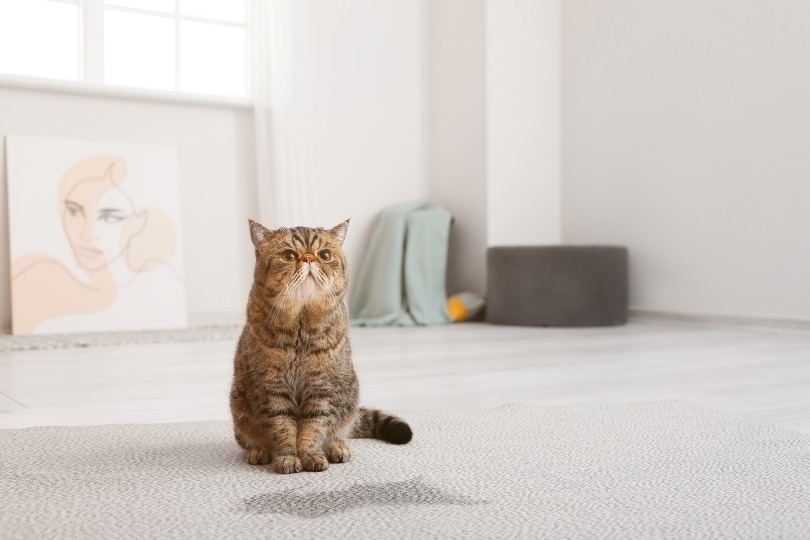
Imagine this: you walk into your living room and notice an unpleasant surprise on the floor. Your cat, usually the perfect picture of feline grace, has decided to pee outside the litter box.
Frustrating, right? You’re not alone. Many cat owners face this puzzling issue and wonder, “Why did my cat pee on the floor? ” You might feel annoyed or even worried about your furry friend’s behavior. But don’t panic! Understanding the reasons behind this can help you address the problem effectively.
Whether it’s a health issue, stress, or a simple preference, getting to the root of the matter is crucial. This article will guide you through the common causes and offer solutions to bring harmony back to your home. Ready to tackle this mystery? Let’s dive in and help your cat get back on track!
:strip_icc()/cat-peeing-everywhere-552307_color01-9d68921633b346ac9c6a9cd4023a927f.jpg)
Medical Issues
Cats with urinary tract infections might pee on the floor. This is because they feel pain. They can’t hold their pee. They may need to pee more often. Watch for other signs. Like licking their private parts. Or crying when peeing. A vet can help your cat feel better.
Kidney problems make cats pee outside their litter box. Their bodies cannot hold water well. This makes them pee a lot. They may drink more water too. Look for signs like weight loss. Or bad breath. Take your cat to the vet. They can check for kidney issues.
Cats with diabetes may pee on the floor. They drink lots of water. This makes them pee more often. They might lose weight. Or seem very hungry all the time. These signs mean it’s time to visit the vet. They can test for diabetes. They help manage the illness.
Behavioral Factors
Cats feel stress just like people. Changes at home can cause anxiety. New pets or loud noises make cats nervous. Stress can lead to peeing outside the litter box. A safe space helps a stressed cat relax. Toys and quiet time can reduce anxiety.
Cats mark territory with urine. It’s their way to claim space. New smells or furniture can trigger this behavior. Cats feel safe when they mark their area. Providing a clean litter box helps. A cat may stop marking if they feel secure.
Cats sometimes pee to get attention. They may feel ignored or lonely. Peeing outside the box makes them noticed. Spend more time playing with your cat. Cuddle and talk to them. This reduces their need to act out. Love and care are important for their happiness.
Environmental Changes
New pets or people in the home can confuse cats. Cats feel stressed with unfamiliar faces. Stress might make them pee on the floor. Cats need time to adjust. Give them space and love to help.
Where the litter box is matters a lot. Cats need quiet places. Loud areas scare them away. The box should be easy to find. Move it if needed. Cats might pee outside if they can’t find it.
Changes in routine upset cats. Cats like a predictable life. Feeding time changes make them anxious. Anxious cats may pee on the floor. Try to stick to the old routine. Make changes slowly if necessary.
Litter Box Problems
Cats love clean places. A dirty litter box can upset them. They might refuse to use it. Make sure to clean the box often. Scoop the waste daily. Wash the box weekly. This keeps your cat happy and using the box.
Cats can be picky. Litter type matters. Some prefer soft litter. Others like sandy litter. Test different types. Find what your cat likes. This can solve many litter problems. Happy cat, clean floor.
More than one cat needs more boxes. One box per cat is best. Add another box if you have many cats. Place boxes in different rooms. Cats like choices. It makes them feel safe.
Dietary Influences
Cats need to drink enough water every day. Low water intake can cause problems. Cats may pee on the floor to show discomfort. It’s important to check their water bowl. Fresh water is always best. A cat’s pee can tell you a lot. If it smells strong, they need more water. Wet food can help cats stay hydrated. It has more water than dry food.
Changing a cat’s diet suddenly can upset their stomach. New foods may not agree with them. Cats like routine and familiar tastes. If they don’t like the new food, they might pee outside the box. Always introduce new foods slowly. Mix small amounts with their current food. Watch for any changes in behavior. Cats are sensitive to diet changes. Be patient and observe closely.
Age-related Issues
Old cats sometimes forget things. Cognitive decline can cause them to pee outside the litter box. They may not remember where the box is. This confuses them. They might think the floor is the right place. Cats with memory problems need help. Make their surroundings simple. Use easy paths to the litter box. Keep their routine steady. This helps them feel safe.
Mobility challenges can make it hard for old cats to use the litter box. Their joints might hurt. Climbing in and out of the box is tough. They might pee on the floor because it’s easier. Help your cat by getting a low-sided litter box. This makes it easier to access. Ensure the box is close to their favorite spots. This reduces the pain of moving.
Steps To Prevent Future Incidents
Cats need regular vet visits. Health issues can cause peeing problems. Vets check for urinary infections. They also look for bladder stones. Early treatment can stop accidents. Make check-ups a habit.
Cats sometimes pee due to stress. Create a calm environment for them. Play with them often. This keeps them happy. Use cat-friendly sprays to reduce stress. Reward good behavior with treats. Keep routines steady. Cats love predictability.
Keep the litter box clean. Scoop daily to remove waste. Change litter often. Cats like fresh litter. Ensure the box is in a quiet place. This gives them privacy. Provide one box per cat, plus one extra. Cats need options.
Frequently Asked Questions
Why Do Cats Pee Outside The Litter Box?
Cats may urinate outside the litter box due to stress, medical issues, or dissatisfaction with the litter box. Common causes include urinary tract infections or changes in their environment. Ensuring the litter box is clean and in a quiet area can help solve the issue.
Can A Dirty Litter Box Cause My Cat To Pee Elsewhere?
Yes, a dirty litter box can lead to your cat peeing elsewhere. Cats prefer clean spaces for their bathroom needs. Regular cleaning of the litter box is crucial. Keeping it clean and odor-free encourages your cat to use it consistently.
How Can Stress Affect My Cat’s Bathroom Habits?
Stress can significantly alter your cat’s bathroom habits. Changes in their environment or routine can increase anxiety. This might lead to urinating outside the litter box. Providing a stable, comfortable environment can minimize stress and help maintain regular habits.
Is My Cat Marking Its Territory By Peeing?
Cats may pee on the floor to mark territory, especially if they feel threatened. This behavior is more common in multi-cat households. Identifying stressors and ensuring each cat feels secure can reduce marking behavior.
Conclusion
Understanding why cats pee on the floor helps solve the issue. Stress, medical problems, or litter box issues can be the cause. Observe your cat’s behavior closely. Changes in routine or environment can affect them. Ensure the litter box is clean and accessible.
Consult a vet for any health concerns. Patience and care often resolve these challenges. Your cat needs support and love. A happy cat usually means a clean floor. Remember, solutions take time. Stay calm and attentive. Your efforts will help your cat feel secure.