
Are you standing in the middle of your living room, trying to decide between laminate and vinyl flooring? You’re not alone.
With so many options out there, choosing the right flooring can feel overwhelming. But don’t worry, we’re here to help you make the best choice for your home. Imagine walking into a room where your flooring not only looks stunning but also perfectly fits your lifestyle.
Whether you’re after durability, style, or budget-friendliness, understanding the key differences between laminate and vinyl can save you time, money, and stress. Keep reading to discover which flooring option is truly the best fit for you, and transform your space into a haven you’ll love.
:max_bytes(150000):strip_icc()/vinyl-vs-laminate-flooring-1822800_0372-5de7d94ebd85420f98f8c45e5bf8f670.jpg)
Material Composition
Laminate flooring is made from wood fibers. It has a wear layer on top. This layer protects against scratches. The core layer gives strength. Beneath, there is a stabilizing layer. This keeps the floor steady.
Vinyl flooring is created from synthetic materials. It contains a fiberglass base. On top is a vinyl layer. This layer is waterproof. A print layer gives it a nice look. Finally, a protective layer ensures durability.
Cost Comparison
Laminate flooring can be a great choice if you want to save money. It is often cheaper than vinyl flooring. You can find laminate for about $1 to $5 per square foot. Installation costs are also lower for laminate.
Vinyl flooring prices vary. They range from $2 to $7 per square foot. Vinyl is more expensive but lasts longer. It can handle water better than laminate.
For tight budgets, laminate is the best pick. But for durability, vinyl might be worth the cost. Think about your needs and budget before choosing.
Durability And Lifespan
Both laminate and vinyl flooring are strong. They are made to last. Laminate is good for homes with less water. It can handle scratches well. Vinyl is better with water. It can be used in bathrooms and kitchens. Vinyl is softer underfoot. It is more comfortable to walk on. Both types can last many years. Proper care is important. Clean spills quickly. This keeps floors looking new.
Some people choose laminate for its wood-like look. Others pick vinyl for water-resistant features. Think about your home needs. Choose what fits best. Both are good choices for different reasons.
Installation Process
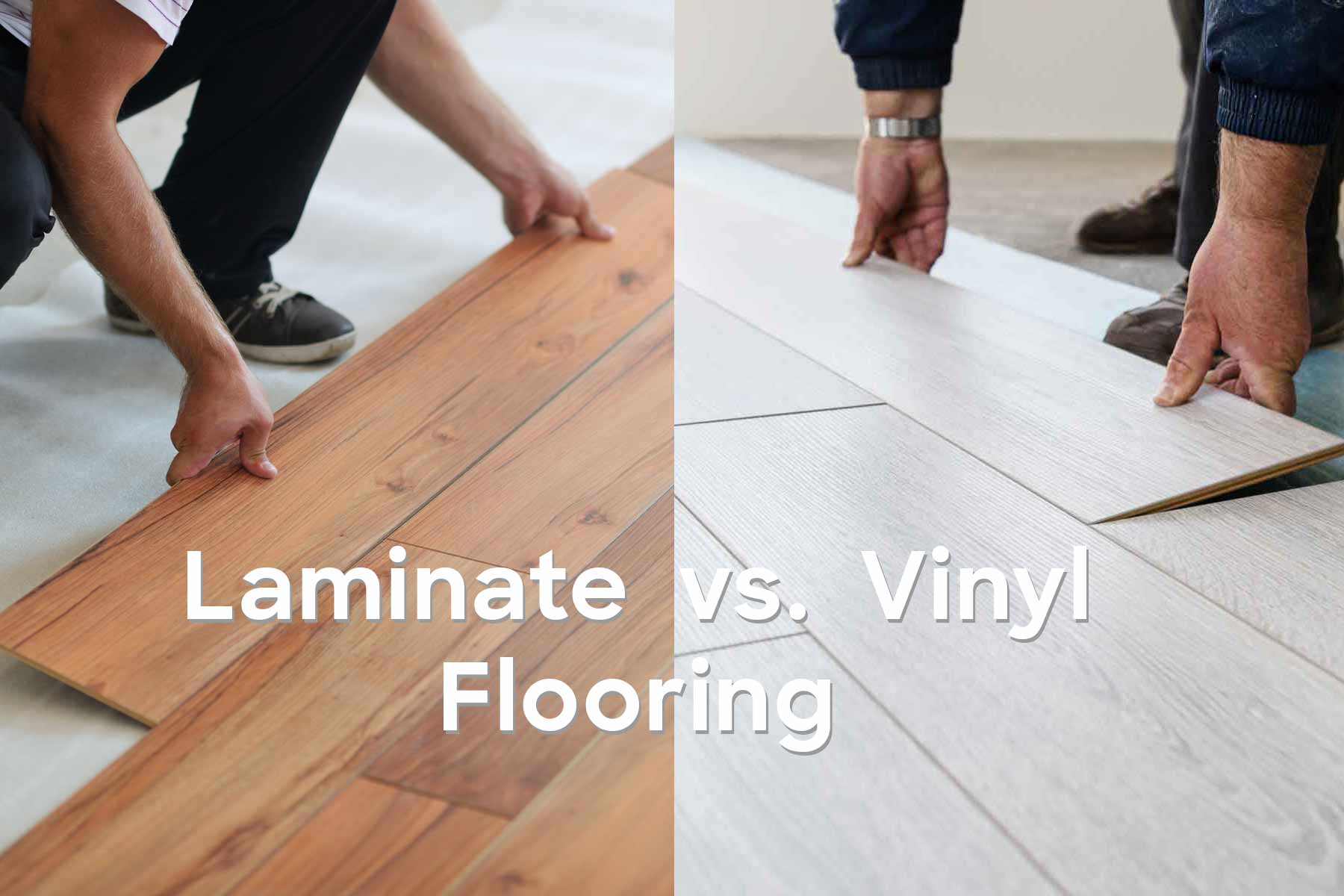
Laminate flooring is easy to install. It often uses a click-lock system. No glue or nails needed. The pieces snap together. It can be done quickly. This makes it a popular choice for DIY projects.
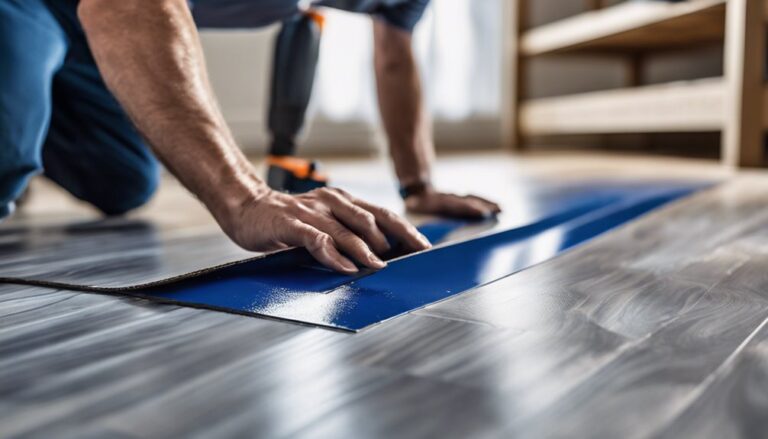
Vinyl flooring installation varies. There are peel-and-stick options. Some types require glue. Others have click-lock systems too. It’s versatile. Each type suits different needs.
Both floors need a flat surface. This is important for good results. A clean base prevents problems. Proper preparation is key. This ensures long-lasting floors.
Water Resistance
Vinyl flooring is often more water-resistant than laminate. It can handle spills and splashes well. This makes it great for kitchens and bathrooms. Laminate flooring has some water resistance. But it can swell if it gets too wet. So, it’s best for dry areas.
Both types of flooring have their benefits. Choose vinyl for wet areas. It protects better against water. Laminate works well in dry rooms. It can look like real wood. This makes it a popular choice for living spaces.
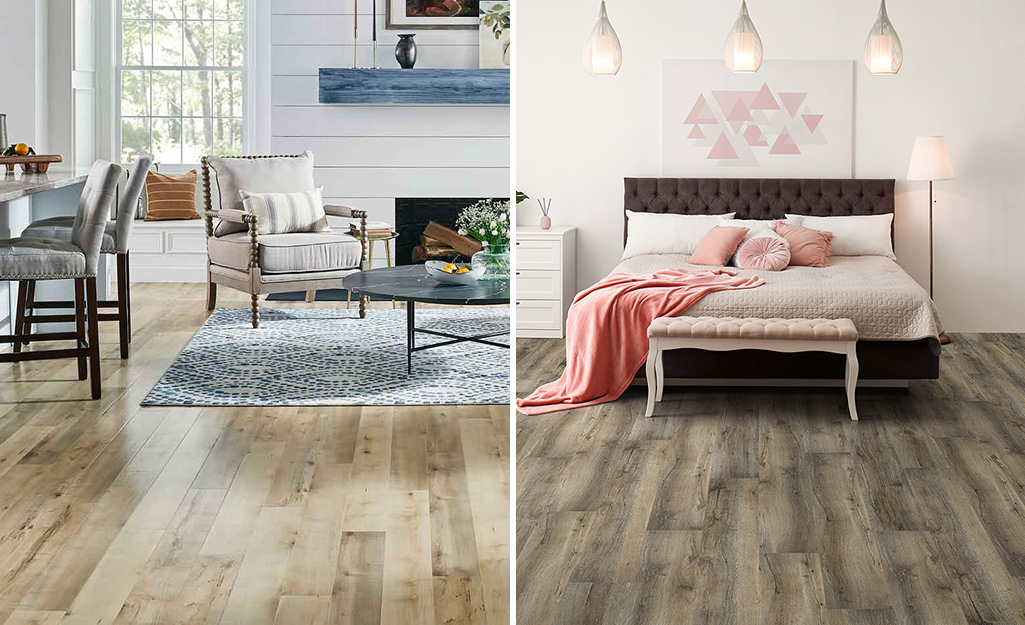
Aesthetic Variety
Laminate flooring offers a wide range of designs and patterns. It can mimic the look of real wood, stone, or tile. The variety in colors and textures is quite large. This makes it easier to match any room decor.
Vinyl flooring is also known for its versatility. It can look like wood, stone, or tile too. The colors and patterns are varied and vibrant. Vinyl often comes in planks or tiles, adding to its charm.
Both options provide a great selection of styles. This means you have many choices. You can find something that fits your taste. The decision depends on your personal style preferences.
Maintenance Requirements
Laminate flooring needs gentle care. Use a soft mop or cloth. Avoid excessive water. Spills should be wiped quickly to avoid damage. Sweeping every day helps keep dirt away. Use a special cleaner for laminate surfaces.
Vinyl flooring is simple to clean. Use a damp mop or cloth. A regular cleaner is enough. Stains can be removed with soap and water. Vinyl is more water-resistant than laminate. Less worry about spills.

Environmental Impact
Laminate flooring is made from wood. It can be recycled. This makes it eco-friendly. Vinyl flooring is made from plastic. It cannot be recycled easily. It stays in landfills for a long time.
Making laminate uses wood. This can hurt forests. Making vinyl uses chemicals. This can harm the air. Both types of flooring have pros and cons for the environment.
Choosing the right floor is important. Think about how it affects the Earth. Some brands try to be greener. They use better materials. Always check labels and ask questions.
Comfort And Noise
Laminate flooring feels harder underfoot. It might not be great for long standing. It can be noisy. Footsteps sound loud. It can echo in big rooms. Vinyl flooring is softer. Walking on it feels nice. It absorbs sound well. It is quieter than laminate. It works better in busy homes.
Laminate is less warm. It can be chilly in winter. Vinyl keeps heat better. It is warmer to walk on. Kids and pets like it more.
Both floors have pros and cons. Think of your needs. Pick what fits your home best.
Expert Recommendations
Experts often compare laminate and vinyl flooring. Each has its own benefits. Laminate is known for its realistic wood appearance. It feels warm underfoot. It is also easy to install. On the other hand, vinyl is water-resistant and durable. It works well in kitchens and bathrooms. Some experts prefer vinyl for wet areas. Laminate suits living rooms and bedrooms better. Both are cost-effective compared to real wood.
When picking flooring, think about your needs. Do you need something durable? Or something that looks like real wood? Consider the environment too. Wet areas may need vinyl. Dry areas might suit laminate more. Ask for expert advice. It helps in making a wise choice.
Frequently Asked Questions
Is Laminate Flooring More Durable Than Vinyl?
Laminate flooring is known for its scratch resistance, making it ideal for high-traffic areas. However, vinyl flooring offers better moisture resistance, making it suitable for kitchens and bathrooms. Both are durable, but vinyl may last longer in wet environments.
Which Flooring Is Easier To Install?
Vinyl flooring is generally easier to install, especially in DIY projects. It often features a click-lock system that simplifies installation. Laminate flooring can also be DIY-friendly, but may require more tools and preparation.
Are Laminate Floors Cheaper Than Vinyl?
Laminate flooring is often less expensive than vinyl, but prices can vary. Factors like brand, quality, and style influence costs. Both options offer budget-friendly choices, but vinyl’s water resistance might justify a higher price.
Which Flooring Is Better For Pets?
Vinyl flooring is typically better for pets due to its water resistance and durability. It’s less likely to scratch and can handle pet accidents better than laminate. Both options are pet-friendly, but vinyl offers more protection.
Conclusion
Choosing between laminate and vinyl flooring depends on your needs. Laminate offers a natural wood look. It’s durable and easy to install. Vinyl is waterproof and versatile. Ideal for kitchens and bathrooms. Both options are budget-friendly. Consider room type, moisture levels, and personal style.
Think about maintenance and longevity. Each has unique benefits. Make sure to weigh the pros and cons. Your choice should fit your lifestyle and space. Research and compare options. Get the best flooring for your home. Enjoy a beautiful and functional floor for years.