


Are you planning to give your space a fresh, stylish look with vinyl plank flooring? That’s a great choice!
But now you’re faced with a crucial decision: which direction should you install it? This might seem like a small detail, but it can dramatically impact the overall appearance and feel of your room. The right choice can make your space look larger, more cohesive, and even more inviting.
Imagine walking into a room that feels perfectly balanced, where every plank aligns seamlessly with your vision. The answer lies in understanding the art and science behind plank direction. Stick around, and you’ll discover insider tips that will make your flooring project not only successful but also a stunning transformation.

Choosing The Right Direction
Room shape and size affect the direction of flooring. Long rooms look better with planks running lengthwise. This creates a smooth flow. In square rooms, direction matters less. Choose the style you like best. Big rooms can handle bold patterns. Small rooms might need simple layouts.
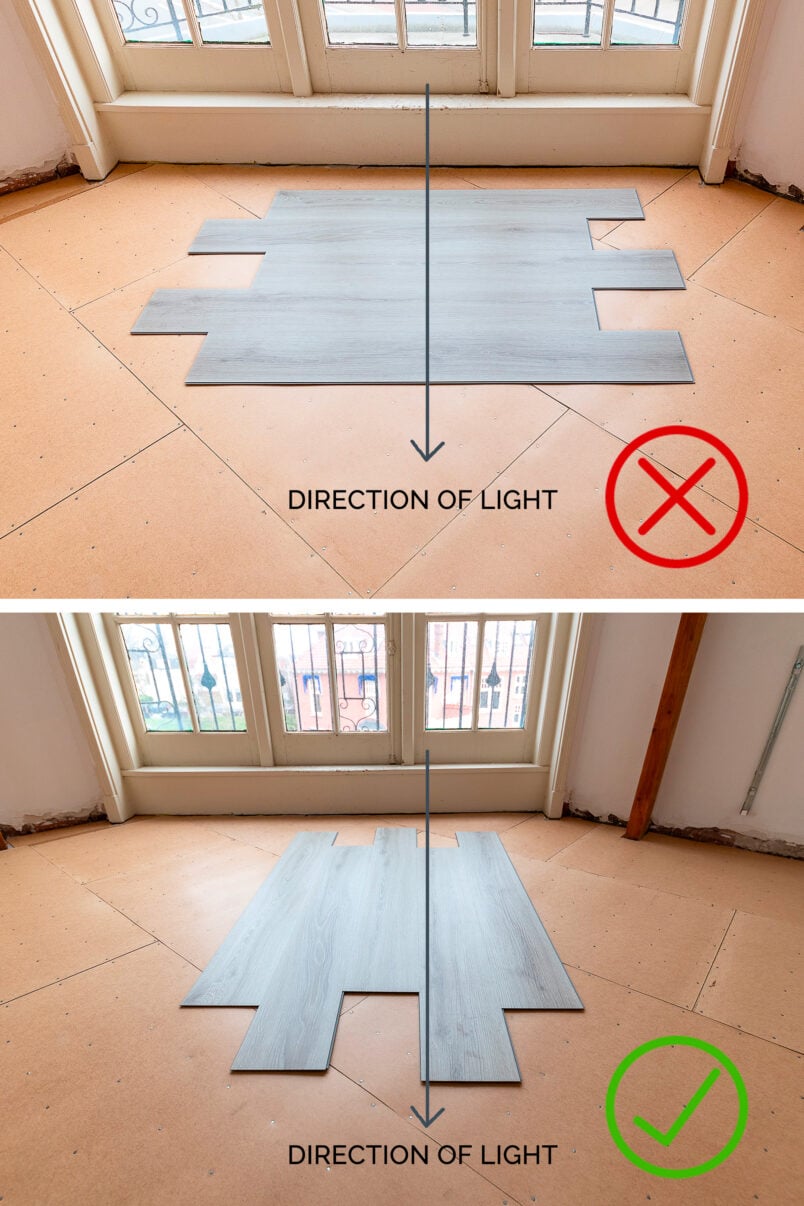
Lighting impact plays a role too. Light from windows can guide the direction. Planks should follow the light. This makes the room brighter. It also makes spaces feel larger. In darker rooms, light direction matters more. Choose wisely for the best look.
Installation Techniques
Vinyl planks can go in many directions. Straight lines are common. They make rooms look longer. Horizontal lines make spaces look wider. Choose based on your room’s shape.
Diagonal patterns are unique. They add a creative touch to floors. Rooms feel bigger with this style. It takes more effort. But the result is stunning.
Herringbone and Chevron are stylish. They create eye-catching floors. These patterns need more planning. They suit modern homes very well. Patterns show elegance and style.
Aesthetic Considerations
Align the planks with the longest wall. This helps the room feel longer and more open. People often prefer this look. It makes the space feel more welcoming. Think of it as guiding the eyes through the room.
Direction changes how big a room looks. Horizontal planks make it appear wider. Vertical planks can make it seem taller. Choose based on what you need. It’s like a trick for the eyes.
Light colors can make a room feel bright and spacious. Dark colors add warmth and coziness. Smooth textures look modern. Rough textures add a rustic touch. Pick what matches your style.

Practical Tips
Vinyl plank flooring needs some tools. A tape measure is important for size. Utility knife cuts the planks. Hammer taps them tight. Spacer keeps gaps even. Tapping block helps press planks together. Pencil marks spots to cut. Straightedge guides the knife. Safety goggles protect eyes.
Wrong direction can cause problems. Planks should follow the light source. This makes rooms look bigger. Ignoring measurements leads to gaps. Measure twice, cut once. Skipping acclimation can cause warping. Let planks sit in the room for two days. Rushing installation may break planks. Take your time.
Experts say start in the corner. Work towards the door. Use chalk line for straight rows. Check each plank’s fit before cutting. Check level of the floor. Uneven floors need fixing. Consult a professional if unsure. They ensure perfect installation.
Room-specific Guidance
Vinyl planks should run along the longest wall. This makes the room look bigger. Planks should go in the same direction as the main light source. This helps the room look bright and open. For hallways, install planks in the direction you walk. This way, it feels natural and smooth.
Planks should follow the direction of the main entrance. This creates a welcoming path. In small spaces, choose a direction that uses fewer cuts. This makes the floor look neat. Aligning planks with the main features, like a countertop or bathtub, helps the room look tidy.
In these rooms, planks should run parallel to the bed or main desk. This keeps the room’s focus clear. Choose a direction that is easy to install. Avoid many cuts to save time. Let the natural light guide the plank direction. It makes the room cozy and bright.
Frequently Asked Questions
How Do I Choose Vinyl Plank Direction?
Choosing the direction depends on your room layout and lighting. Install planks parallel to the longest wall for a streamlined look. Aligning with light sources enhances visual appeal. If multiple rooms are connected, ensure consistent direction for a seamless transition.
Can I Change Direction Between Rooms?
Yes, you can change direction between rooms, but maintain a consistent look for visual flow. Use transition strips for a neat separation. Consider room dimensions and light sources to decide if direction change enhances aesthetics or functionality.
Does Plank Direction Affect Room Size Perception?
Yes, plank direction impacts room size perception. Installing planks parallel to the longest wall makes a room look larger. Horizontal installation can widen narrow spaces. Vertical installation can elongate a space. Choose the direction based on desired visual effect.
What Tools Are Needed For Installation?
Basic tools include a tape measure, utility knife, and a straight edge. You’ll also need a rubber mallet, spacers, and a tapping block. Use a saw for precise cuts. Ensure all tools are ready before starting to avoid delays.
Conclusion
Choosing the right direction for vinyl plank flooring is crucial. It impacts the room’s look and feel. Horizontal installation can make a space seem wider. Vertical layout may create a longer appearance. Diagonal placement adds a unique touch. Consider light sources and room shape.
Examine traffic patterns in each room. These factors guide your decision. Trust your instinct and aesthetic preference. The perfect direction enhances your home’s beauty. Remember, it’s about creating a space you love. Enjoy the process and admire the results. Your home deserves the best.