
Have you ever felt a mysterious discomfort in your lower abdomen or experienced a sudden urge to rush to the bathroom? If so, you’re not alone.
These sensations can be puzzling and often leave you searching for answers. That’s where pelvic floor therapy comes in. This often-overlooked therapy could be the key to unlocking relief and improving your quality of life. Imagine feeling more comfortable, confident, and in control.
Curious about how pelvic floor therapy can make a difference for you? Keep reading to discover how it works, why it matters, and how it could be the solution you’ve been looking for. You deserve to feel your best, and understanding pelvic floor therapy might just be the first step in getting there.
What Is Pelvic Floor Therapy?
Pelvic Floor Therapy helps people with muscle issues. These muscles support the bladder, bowels, and uterus. Sometimes, they get weak or tight. This can cause problems like pain or leaks. Therapists teach exercises to make these muscles strong.
Other times, muscles are too tight. This can hurt or make it hard to go to the bathroom. Relaxation exercises help these muscles stretch. Breathing exercises are also useful. Special tools might be used. These tools measure muscle strength.
Therapists guide each step. They make a plan just for you. This therapy helps many people feel better. It improves daily life and comfort.
Functions Of The Pelvic Floor
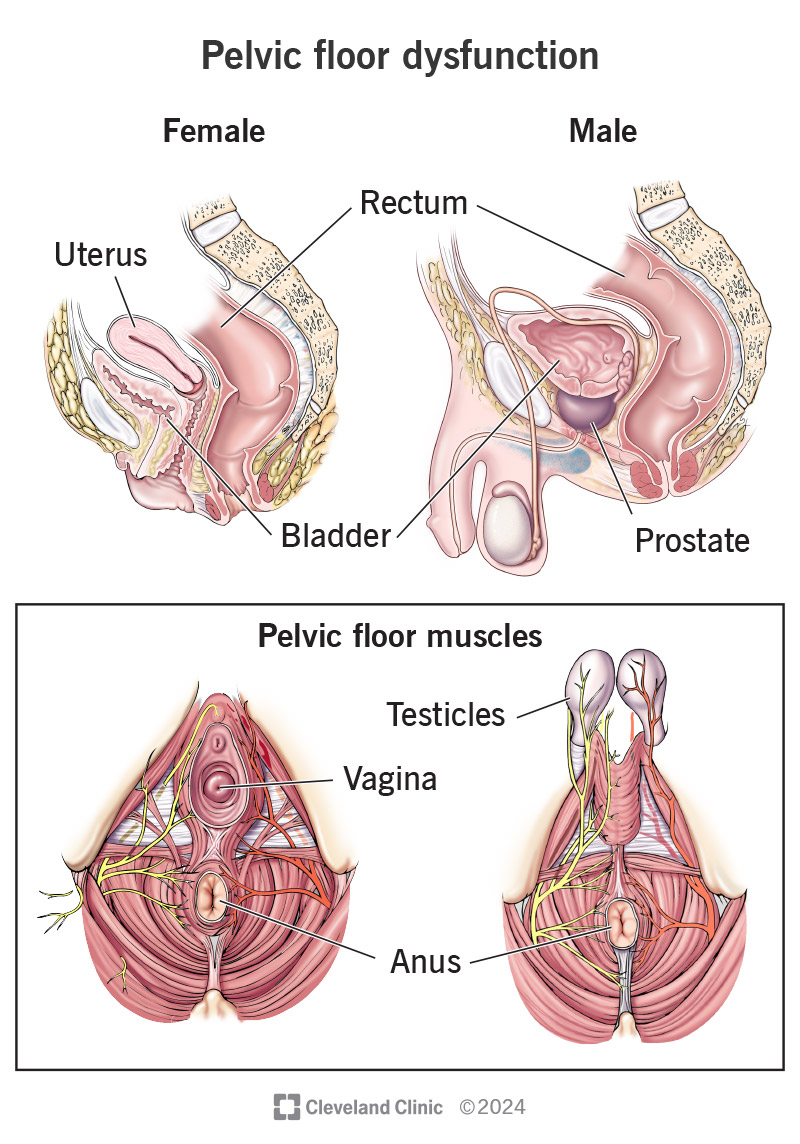
The pelvic floor is a group of muscles. These muscles support organs like the bladder, uterus, and bowel. They help in controlling the release of urine and stool. Strong pelvic floor muscles are important for bladder control. They also help during childbirth. Weak muscles can cause problems like incontinence.
Exercising these muscles can improve their strength. Simple exercises like squeezing them can help. It’s like holding in pee. But remember to relax them too. A balance of strength and relaxation is key. Healthy muscles support daily activities. They also improve quality of life.
Common Issues Addressed
Many people experience urinary incontinence. This means having trouble holding urine. It can be embarrassing. But pelvic floor therapy helps. Exercises make the muscles stronger. Over time, control gets better.
Pelvic pain can be sharp or dull. It might come and go. Sometimes, it is hard to find the cause. Therapy can ease the pain. It focuses on relaxing muscles. Feeling better is possible with practice.
After having a baby, postpartum recovery is important. Many moms feel weak muscles. Therapy helps in getting strength back. Gentle exercises are taught. Moms can feel strong again.
Techniques Used
Biofeedback uses special sensors. These sensors track muscle activity. The sensors help people see their pelvic floor muscles in action. Biofeedback gives real-time feedback. This helps users understand how their muscles work. It shows if muscles are tight or relaxed. With practice, people learn to control their muscles better.
Manual therapy involves hands-on techniques. Therapists use their hands to improve muscle function. They may stretch or massage the pelvic area. Manual therapy helps reduce pain and tension. It can improve blood flow. It helps the muscles work correctly. This therapy is gentle and safe.
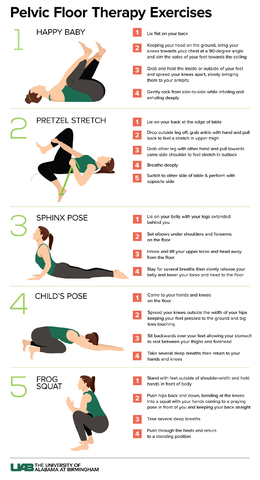
Exercises strengthen the pelvic floor. Simple moves like squats can help. Pelvic floor exercises include squeezing and releasing muscles. Stretches keep muscles flexible. Flexibility helps prevent injuries. Doing these exercises regularly is key. They make the muscles strong and healthy.
Who Can Benefit?
Many women experience pelvic floor issues. These can happen after childbirth. Some have problems due to aging. Others might feel pain or discomfort. Pelvic floor therapy helps strengthen muscles. It improves bladder control. It also reduces pain during activities.
Men can face pelvic floor problems too. Sometimes, they have trouble after surgery. Urinary issues are common. Pain in the pelvic area can also occur. Therapy helps in building muscle strength. It aids in reducing discomfort. It is beneficial for overall health.
Even kids can have pelvic floor issues. Some have trouble with bedwetting. Others may feel pain when going to the bathroom. Therapy offers gentle exercises. It helps them gain better control. It can make daily life easier for them.
Benefits Of Therapy
Pelvic floor therapy can help with better bladder control. Many people have less leakage. They feel more confident. This therapy makes muscles stronger. Strong muscles hold urine better. It means fewer bathroom trips.
Therapy can lower pain in the pelvic area. People feel relief. Pain can make life hard. Less pain means more fun activities. Strong muscles support the body. This support can reduce aches.
Life becomes more enjoyable with therapy. People feel happier. Good health gives more energy. Daily tasks become easier. A strong pelvic floor helps balance. Better balance means fewer falls. Enjoy more with less worry.
Finding A Specialist
Choosing the right therapist is crucial. A good specialist has a degree in physical therapy. They should also have special training in pelvic health. Look for those who are certified by a recognized board. This ensures they have the right skills. Experience in treating pelvic issues is important too. Ask about their years of experience. The more, the better. It’s also good if they attend regular workshops.
Prepare a list of questions. Start by asking about their treatment methods. Do they use exercises or other techniques? Check if they offer personalized plans. Ask how they measure progress. It’s vital to know their success rates. You may also ask about their fees. Finally, see if they can work with your schedule. All these questions help in making the right choice.
Myths And Misconceptions
People often believe pelvic floor therapy is only for women. This is not true. Men can benefit too. Some think it is only for the elderly. Young people need it sometimes. Others think it is only for those who have had babies. But anyone with pelvic issues may need therapy.
Some say it is painful. Therapists work gently to avoid pain. A few believe it is not effective. Studies show it helps many people. Confusion arises about its purpose. It is not just for incontinence. It also helps with pain and other issues. Myths can stop people from getting help.
Understanding the truth is important. Therapy can improve life. Knowing the facts helps make better choices.
At-home Practices
Kegel exercises are simple and effective. They help strengthen the pelvic muscles. First, find the muscles you use to stop urinating. Contract these muscles for five seconds. Then, relax for five seconds. Repeat this process ten times. Practice three times daily. Over time, muscles get stronger. This helps with bladder control. Also, improves pelvic health.
Simple lifestyle changes can help. Maintain a healthy weight. Extra weight puts pressure on pelvic muscles. Limit caffeine and alcohol. These can irritate the bladder. Drink plenty of water. Stay hydrated for good health. Avoid lifting heavy objects. This can strain the pelvic area. Choose exercises like walking and swimming. These are gentle on the body. Practice good posture. It supports pelvic health. Small changes make a big difference.


Frequently Asked Questions
What Is Pelvic Floor Therapy?
Pelvic floor therapy is a specialized treatment focusing on strengthening and relaxing pelvic floor muscles. It helps alleviate pain, discomfort, and dysfunction in the pelvic area. This therapy is beneficial for conditions like incontinence, pelvic pain, and postpartum recovery. A trained therapist tailors exercises and techniques to individual needs.
How Does Pelvic Floor Therapy Work?
Pelvic floor therapy involves exercises, manual techniques, and biofeedback to improve muscle function. The therapist assesses and customizes a treatment plan to address specific issues. Through targeted exercises and relaxation techniques, therapy enhances muscle strength and coordination, promoting better bladder control and reduced pain.
Who Can Benefit From Pelvic Floor Therapy?
People experiencing pelvic pain, incontinence, or postpartum issues can benefit from pelvic floor therapy. It’s suitable for both men and women facing pelvic floor dysfunction. Individuals with conditions like prolapse or chronic pelvic pain may also find relief through tailored therapeutic exercises and interventions.
How Long Does Pelvic Floor Therapy Take?
The duration of pelvic floor therapy varies based on individual needs and conditions. Typically, sessions last 45 to 60 minutes and occur weekly or biweekly. Treatment duration can range from a few weeks to several months, depending on progress and goals set with the therapist.
Conclusion
Pelvic floor therapy supports stronger muscles and better health. It can help reduce pain and improve quality of life. Many find relief from issues like incontinence and discomfort. This therapy is valuable for both men and women. Simple exercises can make a big difference.
With guidance, improvements come quickly. Consider talking to a specialist if curious. They can offer advice tailored to your needs. Remember, a healthy pelvic floor leads to a happier body. Explore options and take steps towards better health.