
Tile floors can add a touch of elegance and durability to your home, but keeping them spotless requires the right cleaning approach. If you’ve ever found yourself frustrated with streaks or stubborn grime, you’re not alone.
You’re about to discover the secrets to achieving gleaming tile floors that you can be proud of. Imagine walking into a room where the floors are so clean they practically invite compliments. You deserve that satisfaction. We’ll reveal the best tools and methods to make your tile floors shine, leaving you with a sense of accomplishment and a home that feels fresh and welcoming.
Get ready to transform your cleaning routine and give your floors the care they deserve.
Types Of Tile Flooring
Ceramic tiles are very popular in homes. They come in many colors and patterns. People use them in kitchens and bathrooms. To clean, use a soft mop with warm water. Avoid harsh chemicals as they can damage the tile. A little soap works well for tough spots. Dry the floor with a towel to prevent slips. This keeps the tiles shiny and safe.
Porcelain tiles are strong and last a long time. They look like stone but cost less. Use a microfiber mop to clean them. Warm water with a mild cleaner is best. Do not use steel wool or hard brushes. These can scratch the surface. Keep the tiles dry to avoid stains. Regular cleaning helps keep them new.
Natural stone tiles are very beautiful. Each tile is unique. They need special care when cleaning. Use a pH-balanced cleaner. Avoid vinegar or lemon juice. These can harm the stone. A soft cloth or mop works best. Always rinse well with clean water. Dry the tiles to keep them looking great. This makes them last longer.
Essential Cleaning Tools
Mops and brooms are basic tools for cleaning tile floors. A mop with a soft head works well. It helps in cleaning without scratching tiles. Brooms with soft bristles are good for sweeping dirt away. They keep your tile floors neat and tidy.
Vacuum cleaners are useful for picking up fine dust. A vacuum with a soft brush is best. It removes dirt from between tiles. Vacuums help in keeping floors clean and dust-free.
Microfiber cloths are perfect for wiping tile floors. They are soft and absorbent. Microfiber captures dust and dirt easily. It leaves tiles shiny and clean. Always keep a cloth handy for quick clean-ups.
Effective Cleaning Solutions
Vinegar mixed with water works well. It’s a simple solution. This mix removes dirt and grime easily. Baking soda can be added for tough spots. It makes the mix stronger. Lemon juice gives a fresh smell. It also helps clean effectively. These ingredients are safe and natural.
Store cleaners are convenient. They clean quickly and easily. Many are designed for tile floors. Always read the label first. Choose one that suits your tile type. Some cleaners are stronger than others. Be sure to follow instructions. Proper use ensures best results.
Eco-friendly products protect the planet. They use natural ingredients. These products are safer for the environment. Many brands offer green solutions. Look for labels with green certifications. This ensures the product is truly eco-friendly. Using these helps reduce waste and harm.
Cleaning Techniques
Tile floors shine best with a mix of warm water and mild detergent. Use a soft mop for gentle cleaning. Avoid harsh chemicals to prevent damage. Regular maintenance keeps tiles looking fresh and new.
Daily Maintenance
Regular sweeping keeps tile floors free from dirt. A soft broom works best. Dust mops are gentle on tiles. Using a vacuum helps remove small debris. Avoid vacuums with beater bars. Mild cleaning solutions are ideal for daily use. Warm water mixed with vinegar works well. A soft cloth or sponge is perfect for wiping. Always dry the floor after cleaning.
Deep Cleaning Methods
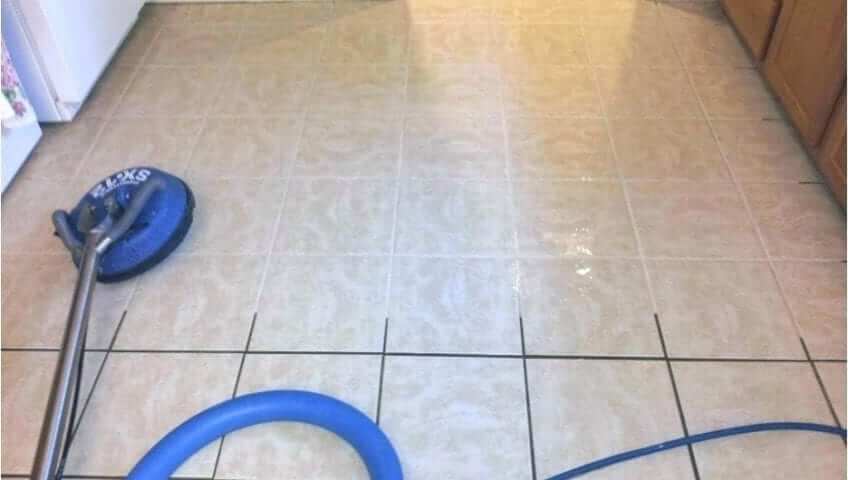
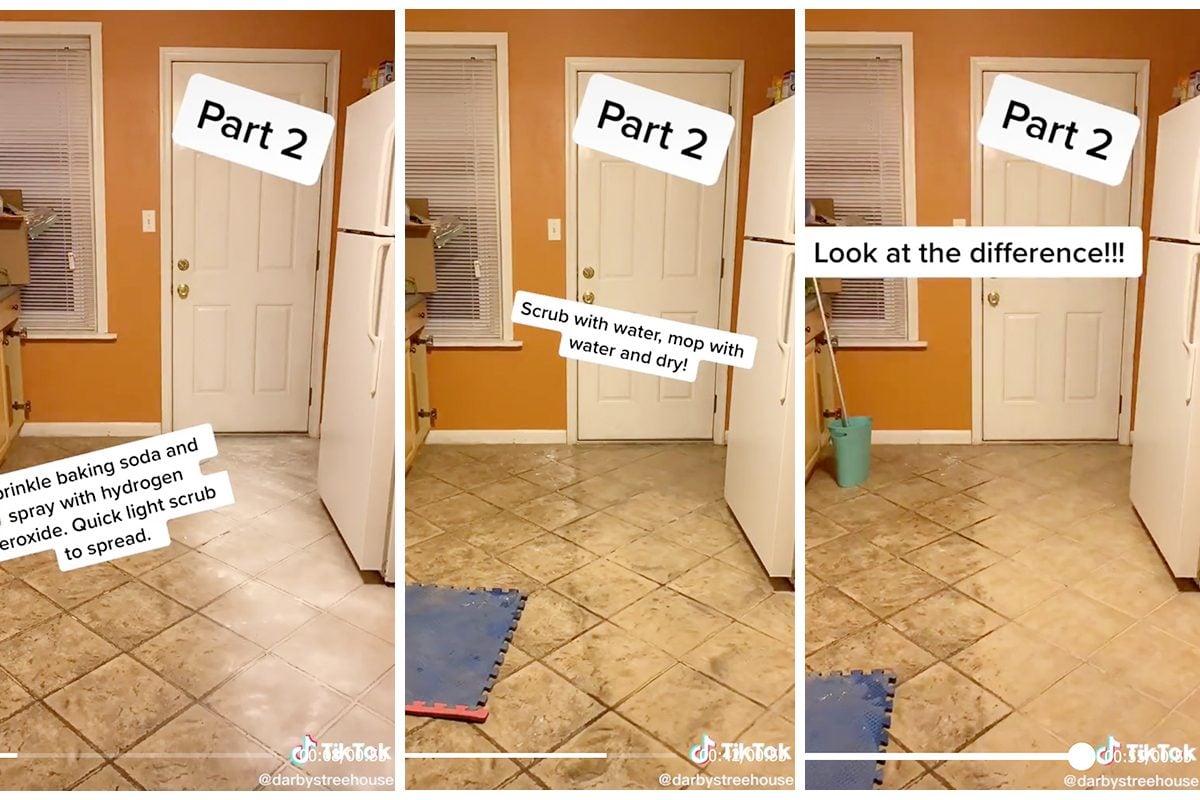
Deep cleaning refreshes dull tile floors. A mixture of baking soda and water can lift grime. Scrub gently with a soft brush. Steam cleaners offer a chemical-free option. Ensure tiles are sealed before steaming. Avoid harsh chemicals on tiles. Rinse thoroughly after deep cleaning. Towel dry to prevent water spots.
Stain Removal Tips
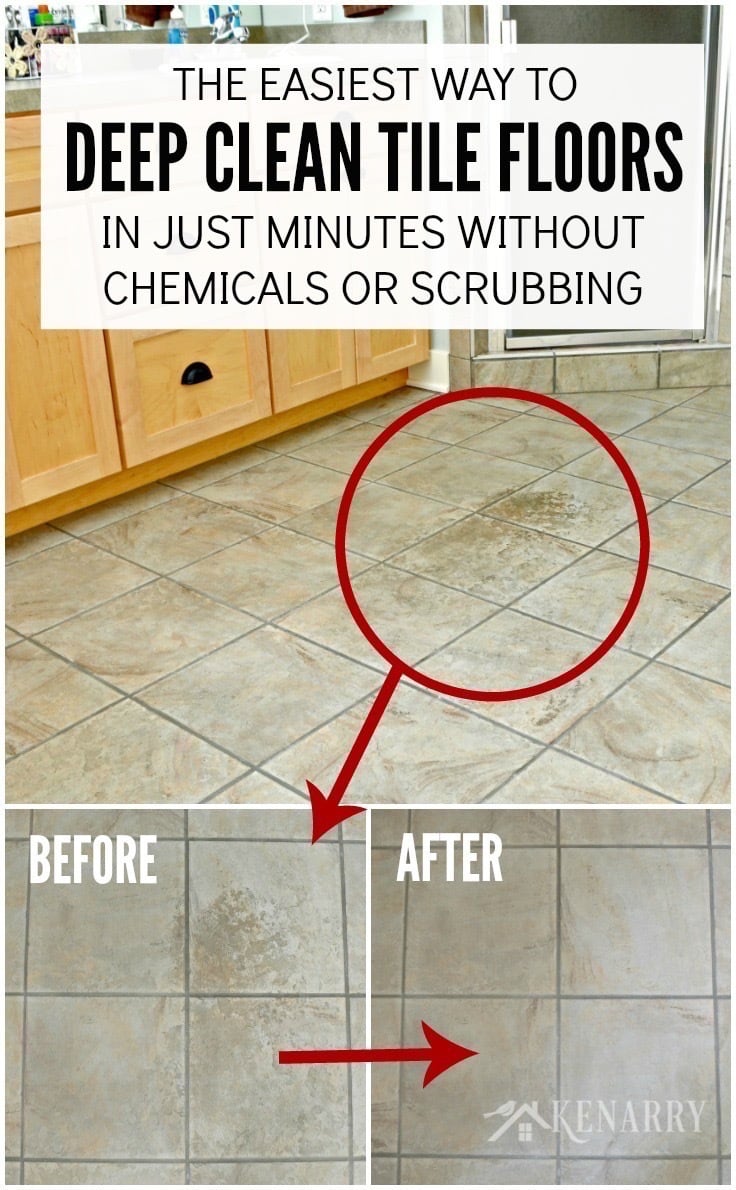
Stains on tiles can be frustrating. Baking soda paste removes tough stains. Apply and let it sit for a few minutes. Vinegar breaks down mineral deposits. Hydrogen peroxide lifts stubborn marks. Always test a small area first. Avoid abrasive cleaners to protect tile surfaces. Rinse and dry after treating stains.
Avoiding Common Mistakes
Selecting the right cleaner for tile floors prevents damage. Use mild detergents or vinegar solutions for effective results. Avoid harsh chemicals that can harm the surface.
Overuse Of Water
Using too much water on tile floors can cause damage. Water can seep into grout and cause mold. Tiles can become slippery. Use a damp mop, not a soaking one. Dry floors after cleaning to prevent accidents.
Using Abrasive Tools
Abrasive tools can scratch tiles. Scratches make tiles look old and worn. Soft cloths or mops are safer. Avoid steel wool or rough brushes. They can damage the surface and make cleaning harder.
Neglecting Grout Cleaning
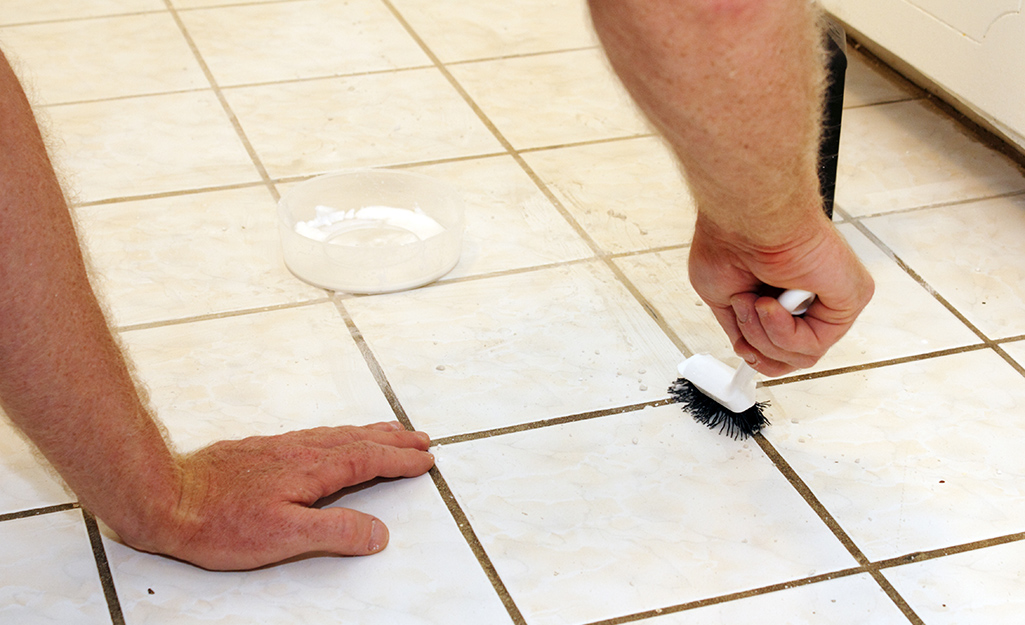
Dirty grout can ruin the look of your floors. Grout holds dirt and stains. Regular cleaning keeps grout bright. Use a gentle cleaner and a soft brush for grout. Clean grout makes tile floors shine.
Maintaining Tile Floors
Regular checks help keep tiles clean. Look for cracks or chips. Fix them quickly to stop dirt. Small problems can grow fast. Keep an eye out. This way, tiles stay in good shape longer.
Use mats at doors to catch dirt. This stops dirt from spreading. Furniture pads are also helpful. They stop scratches on tile. Protecting tiles makes them last longer. It also keeps them looking nice.
Sometimes, tiles need deep cleaning. Professionals have special tools. They clean tiles thoroughly. These services can make old tiles look new. Consider hiring them once a year. It helps keep floors spotless.
Frequently Asked Questions
What Is The Best Cleaner For Tile Floors?
The best cleaner for tile floors is a pH-neutral solution. It effectively removes dirt without damaging the tiles. Use a microfiber mop for application. Avoid abrasive tools to maintain the floor’s finish.
Can Vinegar Damage Tile Floors?
Vinegar can damage tile floors, especially if they are natural stone. It’s acidic and may etch the surface. For ceramic tiles, dilute vinegar can be used cautiously. Always test in a small area first.
How Often Should Tile Floors Be Cleaned?
Tile floors should be cleaned weekly for maintenance. High-traffic areas may require more frequent cleaning. Regular sweeping or vacuuming helps prevent dirt buildup. Mop with a suitable cleaner for optimal results.
Is Steam Cleaning Safe For Tile Floors?
Steam cleaning is generally safe for ceramic and porcelain tiles. However, avoid it on natural stone tiles. Ensure grout is sealed to prevent moisture damage. Follow the manufacturer’s instructions for best results.
Conclusion
Tile floors need regular care for lasting beauty. Choose the right cleaner for your tile type. Natural solutions like vinegar work well for ceramic tiles. Use a mild detergent for porcelain tiles. Always avoid harsh chemicals. They can damage tile surfaces.
Regular sweeping prevents dirt buildup. Mopping keeps floors fresh. Remember, clean tiles brighten any room. A clean floor is a happy floor. Your home deserves the best care. Ensure your tiles remain stunning. Follow these tips for shiny, clean tile floors.
Enjoy your sparkling space every day. Keep it simple, and effective.