

Imagine walking into a hospital, where each floor is a world of its own, bustling with patients and healthcare professionals working tirelessly. One such floor is the Med-Surg unit, a vital part of any hospital.
But have you ever wondered, what kind of patients are on a Med-Surg floor? You might be surprised to learn how diverse and dynamic this environment is. This article will unlock the mysteries of the Med-Surg floor, giving you a glimpse into the lives of the patients treated there.
Whether you’re a curious individual or someone navigating the healthcare system, understanding the Med-Surg floor can equip you with valuable insights. So, take a moment to explore this fascinating aspect of healthcare, and discover who these patients are and what brings them to this essential unit. You won’t want to miss out on the revealing details that lie ahead.
Role Of Med-surg Floors
Med-Surg floors are very busy places in hospitals. Many different patients come here for care. These floors help patients who need medical and surgical care. Nurses work hard to keep everyone safe. They give medicine and check on patients.
Patients on these floors may have had surgeries. Some are recovering from illnesses. Others are getting ready for an operation. Each patient has different needs. Nurses and doctors work as a team. They make sure everyone gets the right care. This makes the Med-Surg floor very important.
Family members often visit patients here. They support and help them feel better. The Med-Surg floor is a place of healing and care. Everyone works together to help patients get well.

Common Conditions
Patients often stay on the med-surg floor after surgery. They need care to heal well. Nurses check their wounds and pain levels. They also help with medicines and movement. Rest is important for them to get better. Family visits can help them feel happy.
Many people have chronic illnesses like diabetes or asthma. They need regular check-ups and medication. Nurses teach them how to take care of themselves. Healthy eating and exercise are important. They learn to manage their illness at home.
Some patients have sudden health problems. These are called acute conditions. Examples are infections or heart issues. Quick treatment is crucial. Nurses monitor their vital signs closely. They ensure patients get the right care. Speed helps in their recovery.
Patient Demographics
Patients on a med-surg floor come from various age groups. Some are young adults. Others are middle-aged or elderly. Elderly patients often need more care. Many young adults need surgery or recovery help.
Both men and women are present on a med-surg floor. Men and women require different types of care. The ratio of men to women can change. Some days, more women need help. Other days, more men are present.
Patients come from different backgrounds. Some patients have more money. Others may have less. Socioeconomic status affects access to care. People with more resources might get faster help. Those with less might need more support.
Special Needs Patients
Elderly patients need special attention. They might have weak bones and other health issues. Nurses help them walk safely. Diet is important for them. They eat soft foods. Nurses remind them to take medicines. They might forget. Families visit often to show love.
These patients need extra care. Some use wheelchairs. Ramps are there to help them move. Nurses assist with daily activities. Communication tools help those who can’t speak. Special rooms make them comfortable. Families stay involved for better care.
Kids need special care. Hospitals have toys and games. This helps them feel better. Nurses are gentle with them. Parents stay close most of the time. Doctors explain things simply. Kids get stickers for being brave.
Psychosocial Aspects
Patients often feel scared or sad. Nurses provide comfort and listen to them. They talk with patients to ease their fears. A friendly smile helps a lot. Feeling cared for makes them feel better.
Family can visit patients. Their presence brings joy and relief. They help patients feel less lonely. Families often talk with doctors. This helps with understanding treatments better. Family support is important.
Patients come from many cultures. Nurses understand different beliefs. They respect customs and traditions. This builds trust with patients. Speaking their language can help a lot. Cultural respect makes care better.
Healthcare Team Dynamics
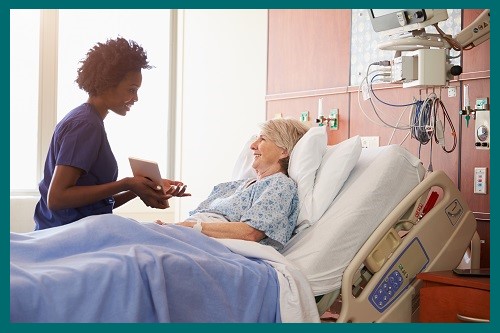
Nurses are key on a med-surg floor. They provide care and support. Their job is to check patients often. They give medicine at the right time. They also check vital signs. Nurses help patients feel comfortable and safe. They talk to doctors and other staff. They make sure everyone knows the plan. Nurses listen to patients. They answer questions. They are always ready to help.
Many people work together on a med-surg floor. Doctors, nurses, and therapists team up. They share information about patients. They discuss the best ways to help. Each team member has a special role. Working together is important. It makes patient care better. It helps patients get well faster. Good teamwork means patients get the best care.
Patients talk to the healthcare team often. They ask questions. They share how they feel. The team listens. They explain what is happening. Patients feel better when they understand. They trust the team more. Good communication is key. It helps everyone work well together. Patients feel involved in their care. This makes a big difference.
Challenges In Care
Med-Surg floors need many resources. Nurses and doctors must share these. Often, there are more patients than staff. This makes it hard to give each patient the care they need. Equipment and supplies can run low too. Nurses must plan and use them wisely. This helps patients feel better.
Patients come and go quickly on these floors. This is called patient turnover. Each new patient means new needs. Staff must change plans fast. It can be hard to keep up. Nurses must know many different care skills. This helps them treat new patients better.
Some patients have many health issues. These are complex cases. They need special care and attention. Nurses must watch them closely. Different treatments might be needed. This makes the job more challenging. But it also helps patients heal.
Future Trends
Smart devices are helping doctors and nurses. These devices track patient data. Robots may assist in surgeries soon. They make procedures safer. Telemedicine allows doctors to see patients online. This saves time and is very helpful. Wearable tech monitors health. It sends alerts for any issues.
Patients want more personalized care. They need plans that fit them best. Mental health is getting more attention now. People are speaking up about it. More patients need long-term care. They live longer and need more help. Chronic diseases are common. These need ongoing treatment and check-ups.
New rules aim to improve patient safety. They ensure better care and fewer mistakes. Insurance plans are changing. They cover more services now. This helps patients save money. Privacy laws protect patient data. They ensure information is secure. Training for staff is updated. It keeps them informed on new practices.

Frequently Asked Questions
What Conditions Are Treated On A Med-surg Floor?
Med-Surg floors care for a variety of conditions. Patients often have surgical recovery needs or acute medical issues. Common conditions include infections, diabetes complications, and respiratory problems. They also manage patients with heart disease and post-operative care. The goal is to stabilize patients for discharge or further treatment.
Who Typically Stays On A Med-surg Floor?
Patients on a Med-Surg floor have diverse needs. They might be recovering from surgery or managing chronic illnesses. This floor serves patients with acute medical conditions requiring hospitalization. It caters to adults and sometimes adolescents needing specialized care. The focus is on stabilization and recovery.
How Long Do Patients Stay On Med-surg?
The length of stay on a Med-Surg floor varies. It depends on the patient’s condition and recovery needs. Some patients stay for a few days, while others might require longer care. The goal is to discharge patients safely once they’re stable and ready.
Are Med-surg Floors High Acuity?
Med-Surg floors handle moderate acuity levels. They manage patients with stable but acute conditions requiring hospital care. While less intensive than ICU, they still demand skilled nursing. Nurses monitor vital signs, administer medications, and support recovery processes. They ensure patients receive appropriate care for their needs.
Conclusion
Med-surg floors care for diverse patients. They treat surgical and medical cases. These floors are busy hubs in hospitals. Nurses and doctors work closely. They handle various health conditions. Patients include post-surgery individuals. Others may have chronic illnesses. Some need short-term care.
Med-surg teams are skilled and compassionate. They offer vital support. Each patient receives personalized attention. This ensures proper healing. Understanding patient types aids better care. It highlights the floor’s importance in hospitals. Med-surg floors are crucial for patient health. Their role in healthcare is essential.