

Imagine trying to build your dream home or invest in a new property. You want to maximize every square foot, but there’s one crucial term you keep hearing: Floor Space Ratio (FSR).
You might be wondering what it means and how it can impact your plans. Understanding FSR is essential for anyone involved in real estate, whether you’re a seasoned developer or just starting out. This concept influences how much space you can actually use on a given piece of land, and getting it right can mean the difference between a successful project and a costly mistake.
Dive into this article to uncover the secrets of Floor Space Ratio, learn how it affects your building potential, and discover how mastering FSR can lead to better decisions and more profitable outcomes. Your property dreams depend on it.

Floor Space Ratio Basics
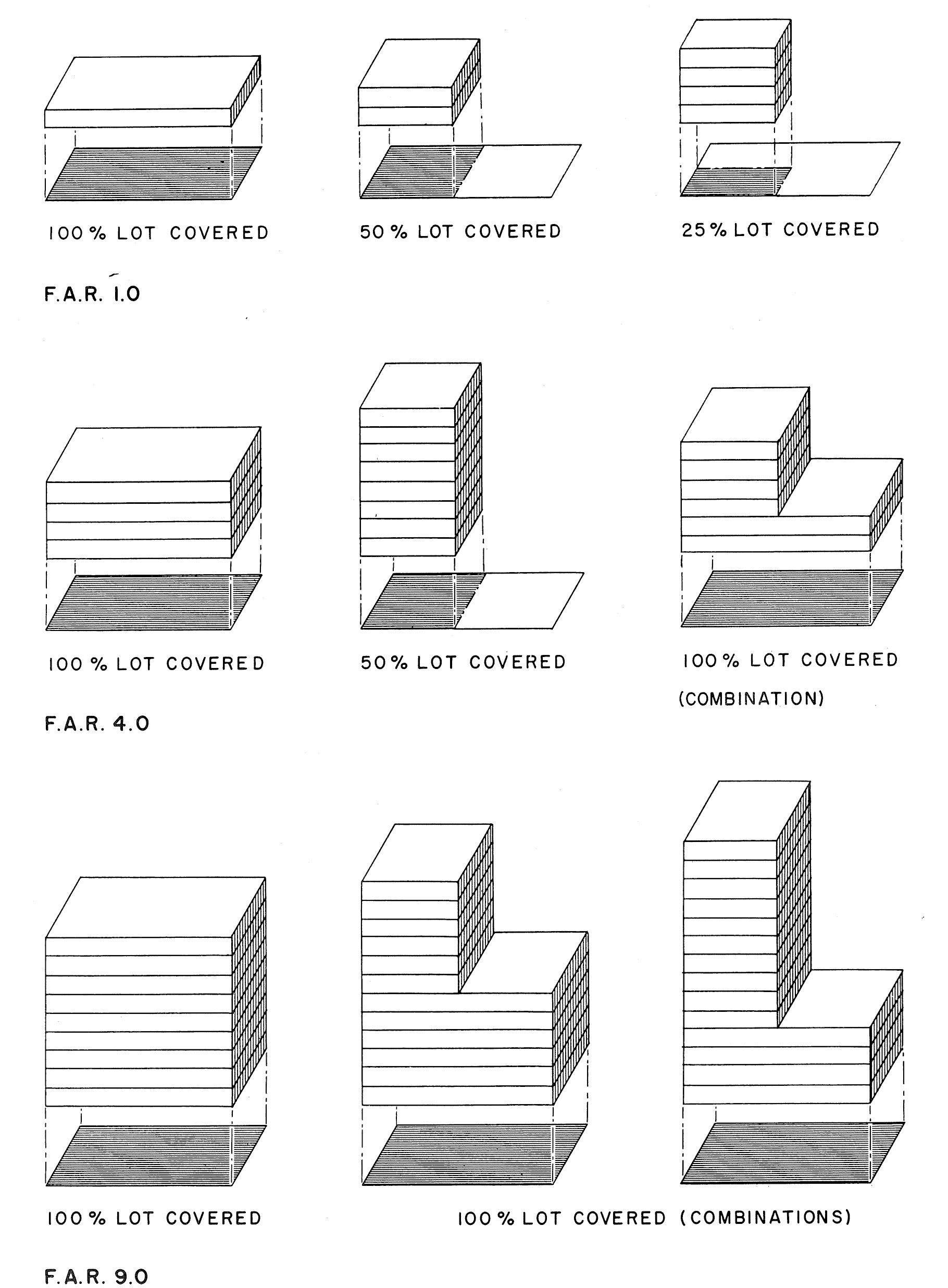
Floor Space Ratio, or FSR, is a key term in building rules. It tells how big a building can be. FSR is the ratio of a building’s floor area to its land area. If the land is small, the building cannot be too big. This helps keep towns neat and open.
Builders must follow FSR rules. It prevents crowded spaces. FSR is important for city planning. It makes sure there is enough room for parks and roads. Knowing FSR helps people understand building limits. It is a tool for smart growth and development.
Importance For Developers
Floor Space Ratio (FSR) helps developers understand building limits. It shows how much building space is allowed on land. A higher FSR means more space for apartments or offices. This can lead to more profits. But, it also means more construction costs. Developers must balance these factors. Knowing the FSR is like having a map. It guides developers in planning and design.
FSR affects building height and width. It also impacts parking and green areas. Developers use FSR to make best use of land. They can add gardens or play areas with careful planning. Understanding FSR helps in getting building approval faster. Rules about FSR may vary by city. Developers must follow local regulations.
Calculating Floor Space Ratio
Floor Space Ratio (FSR) means how much building can be on a land. It is a simple calculation. Divide the building’s total floor area by the land area. This helps decide how big or small a building can be. FSR helps in city planning. It controls how crowded an area can become. Lower FSR means more open space.
Many things affect the FSR. Zoning laws are important. They tell us what type of building can be there. Building height also matters. Taller buildings may need more space around them. Land shape can change FSR too. A square land might have a different FSR than a narrow one. Local rules might be different in each area. Always check them before planning a building.

Impact On Urban Planning
Floor Space Ratio (FSR) is very important for cities. It tells how much building space you can have on land. High FSR means more tall buildings. This affects how cities look and feel. Urban planners use FSR to plan city growth. They decide where tall buildings should be. This helps keep neighborhoods balanced. If all buildings are tall, the area might feel crowded. Low FSR allows more open spaces. People can enjoy parks and gardens. City rules decide FSR limits. This helps control how many people live in one area. FSR impacts traffic and public transport. More buildings mean more cars and buses. Planners make sure roads can handle this. FSR is key in making cities nice places to live.
Regulatory Considerations
Zoning laws shape how land is used. They help control building size. These laws vary by location. Each area has its own rules. Rules define what can be built. They also define how big it can be. Local councils set these laws. They aim to keep areas balanced. They protect green spaces too.
Local government guidelines are key. They guide builders and planners. Rules may limit building height. They may limit how much land is covered. Guidelines differ in each town. Councils create them to fit community needs. They consider safety and environment. Guidelines also help maintain harmony. They protect community interests.
Balancing Design And Efficiency
Maximizing usable space is key in design. Every inch counts. Floor Space Ratio (FSR) helps with this. It shows how much area you can build. If the ratio is high, you can build more. This means more rooms and more function. A good FSR keeps things balanced. It makes sure you have room to move. It also helps in keeping costs low. Use every part of the space wisely.
Sustainable design practices are important too. They help the environment. They also make homes better. Using natural light can save energy. Building with local materials can cut costs. These practices make spaces comfortable. They help the planet. Buildings last longer and serve better. They are friendly to people and nature. Smart design is good design.
Case Studies
Many projects show how important Floor Space Ratio is. In one city, a new mall used a high floor space ratio. This helped them fit many shops in a small area. People liked it because it was easy to find different stores. Another project was a tall apartment building. They used space wisely, letting more families live there. It became a favorite place because of its smart design.
From these projects, we see the value of good planning. Proper use of Floor Space Ratio can increase efficiency. It helps in using land to its full potential. Too much space can lead to waste. Too little space can cause crowding. Balance is key. Successful projects teach us this balance. Learning from mistakes helps future planning. Smart design makes happier spaces.
:max_bytes(150000):strip_icc()/FloorAreaRatio_final-fff80fe0d8ae477bb919646664e54d6c.png)
Future Trends
Exploring the concept of Floor Space Ratio (FSR) reveals its critical role in urban planning. This ratio determines how much building area can be developed on a given plot. Architects and developers use FSR to balance construction with open space, ensuring sustainable growth in cities.
Technological Innovations
Technology is changing how we build. Smart buildings use less space. They are more efficient. Sensors help in managing energy. Robots can assist in construction. This saves time and resources. Virtual reality helps in planning spaces. It shows what a building will look like. This makes design more accurate.
Evolving Urban Landscapes
Cities are growing. More people are moving to urban areas. Buildings are going taller. This saves ground space. Green spaces are important. They make cities healthy. Designers add parks and gardens. Mixed-use buildings are common now. They have homes, offices, and shops. This reduces travel time. Public transport is also improving. It helps people move around easily.
Frequently Asked Questions
What Does Floor Space Ratio Mean?
Floor Space Ratio (FSR) is a measurement of a building’s floor area compared to the size of its land. It helps determine how much construction can occur on a plot. A higher FSR typically means taller buildings or more dense development.
FSR is crucial for urban planning and zoning regulations.
Why Is Floor Space Ratio Important?
Floor Space Ratio is important for urban planning and development control. It influences building density and helps manage city growth. FSR ensures efficient land use, balancing open spaces and built environments. It guides developers in maximizing property potential while adhering to zoning laws.
How Is Floor Space Ratio Calculated?
Floor Space Ratio is calculated by dividing the total building floor area by the land area. This ratio helps determine permissible construction size on a plot. A higher FSR allows more building area, while a lower FSR limits development. It is essential for compliance with zoning regulations.
What Affects Floor Space Ratio Values?
Several factors affect Floor Space Ratio values, including local zoning laws and land use regulations. Other considerations include environmental impact, infrastructure capacity, and community needs. Planners and developers must balance these factors to optimize land use and ensure sustainable urban growth.
Conclusion
Understanding Floor Space Ratio helps with better planning. It guides decisions on property usage. Builders and developers use it for smart designs. Knowing FSR can influence property value. It aids in maximizing land potential. Communities benefit through thoughtful development. This ratio impacts urban landscapes.
It balances building size and open spaces. Learning about FSR leads to informed choices. It supports sustainable growth in cities. With this knowledge, anyone can appreciate its role in development. Keep FSR in mind when thinking about real estate and city planning.
It is a key concept for future growth.