
Have you ever stood in a room and admired the stunning wood floors, wondering if they could be the perfect fit for your home? Choosing the right flooring can transform any space, creating warmth and elegance.
Engineered hardwood floors might just be the solution you’re looking for. They combine the timeless beauty of natural wood with modern technology to offer durability and style. Whether you’re renovating your home or building from scratch, understanding what engineered hardwood floor is can be your first step towards making an informed decision.
Dive into this article to discover why this type of flooring is gaining popularity and how it could be the perfect choice for your home. You deserve a floor that not only looks incredible but also stands the test of time.
Engineered Hardwood Basics
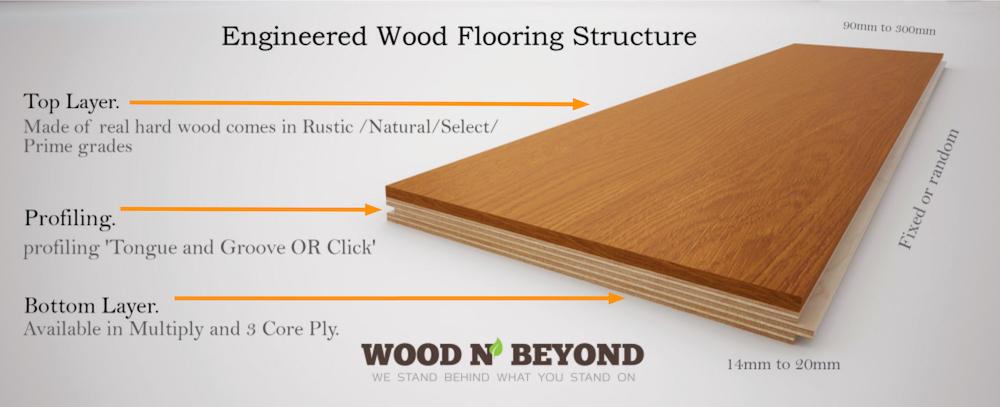
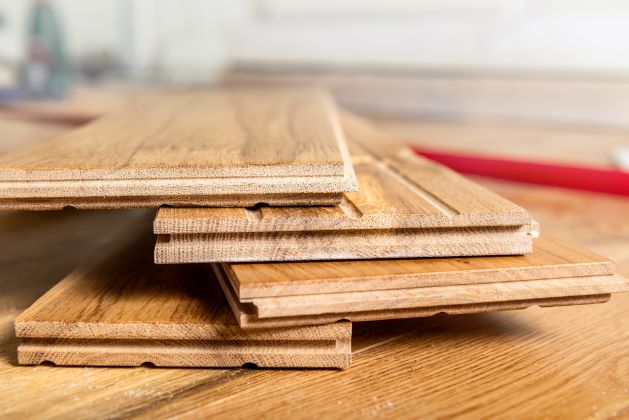
Engineered hardwood looks like real wood. It’s made of layers. The top is real wood, called a veneer. Below are layers of plywood or fiberboard. This makes it strong and stable. Engineered hardwood is great for homes. It can handle moisture better than solid wood. You can use it in kitchens or basements. It’s also easy to install. Some types snap together like a puzzle. Others need glue or nails.
Many colors and styles are available. You can find dark, light, or in-between shades. Choose what matches your taste. This flooring is durable. It can last many years with care. Clean it with a soft broom or vacuum. Keep it dry to avoid damage. Engineered hardwood is a good choice for many rooms.

Construction And Design
Engineered hardwood floors have multiple layers. The top layer is real wood. This layer shows the beauty of the wood. Underneath, there are layers of plywood. These layers provide strength. The bottom layer supports the entire floor. This design makes the floor strong and stable. Different materials are used. Oak, maple, and walnut are popular choices. Each wood gives a unique look.
The process starts with choosing the wood. The top layer is cut and shaped. Next, the plywood layers are placed. They are glued together. A special machine presses them tightly. This ensures a strong bond. After pressing, the floor is smoothened. A finish is applied. This protects the wood. It also adds shine. The floor is now ready for use. Each step is important. This ensures a high-quality floor.
Comparison With Solid Hardwood
Engineered hardwood is very strong. It does not bend easily. This is because of its layers. Solid hardwood can twist. It can also swell with water. Engineered wood handles water better. It stays flat. Engineered hardwood lasts long. It is perfect for busy homes. Solid wood can scratch easily. Engineered wood is less likely to scratch.
Engineered hardwood is less expensive than solid hardwood. This is good for saving money. It looks like real wood. But costs less. Solid hardwood costs more. It can add value to a home. Engineered wood also adds value. But is cheaper. It is a smart choice for many. You get the wood look. Without spending much.
Installation Methods
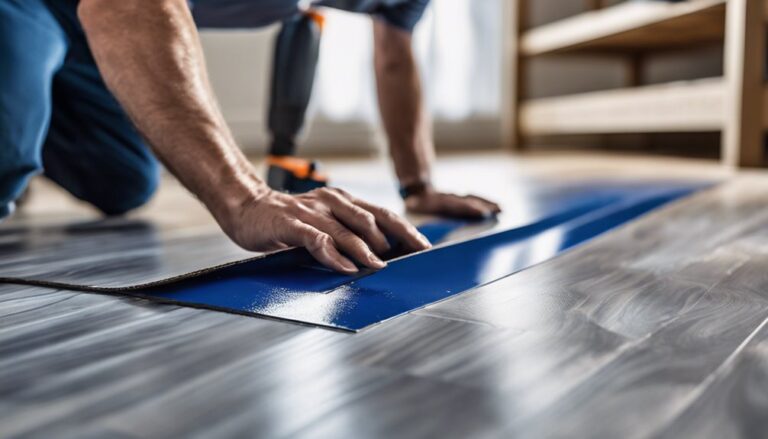
Engineered hardwood floors offer versatile installation methods. They can be nailed, stapled, glued, or floated over existing floors. Each method suits different subfloor types and homeowner preferences, ensuring a stable and visually appealing finish.
Floating Installation
This method is popular for engineered hardwood floors. The planks are not attached to the subfloor. They connect to each other using tongue-and-groove. This creates a seamless surface. No glue or nails are required. It’s easy and fast. Perfect for DIY projects. It allows the floor to expand and contract.
Glue-down Method
This technique involves gluing the planks directly to the subfloor. It’s suitable for concrete or wooden subfloors. Provides a stable surface. Reduces noise and improves durability. Care is needed with adhesive application. Ideal for professional installation. Guarantees a solid feel underfoot.
Nail-down Technique
Nails secure the planks to the subfloor. This method is traditional and reliable. Requires special tools like a nail gun. Ensures a strong hold. Suits plywood subfloors best. Offers a classic look. Installation can be complex. Best done by experts.
Advantages Of Engineered Hardwood
Engineered hardwood is great for rooms with high moisture. It can handle water better than solid wood. This makes it perfect for kitchens and bathrooms. The wood layers help keep it strong. So, it does not warp or swell. It stays flat and looks nice. Your floors will last longer with this type.
You can find engineered hardwood in many colors and styles. It suits any home style. Want a rustic look? Or maybe modern? Both are possible. You can even choose different wood types. Oak, maple, and cherry are popular. They make your home look beautiful. You will love the options.
Engineered hardwood uses less wood than solid floors. This means it is better for the environment. Fewer trees are cut down. It also uses recycled wood parts. So, it helps save forests. Plus, it’s a smart choice for nature lovers. Make your home green and lovely.
Potential Drawbacks
Engineered hardwood has a thin top layer. This limits refinishing options. Solid wood floors can be sanded many times. Engineered floors can’t. Only one or two times. This means less longevity. Floors may need replacing sooner. Careful maintenance is crucial. Protect from scratches and dents. Use rugs in high-traffic areas.
Costs vary by quality and brand. Engineered hardwood can be pricey. Often similar to solid wood. Some types are cheaper. They may not last as long. Higher quality means higher price. Installation adds to cost. Consider your budget. Weigh pros and cons. Choose wisely for your needs.
Maintenance And Care
Always sweep the floor with a soft broom. Dust can scratch the surface. Use a damp mop for deeper cleaning. Avoid soaking the floor with water. Water can damage the wood. Opt for a cleaner made for wood. Regular cleaning keeps the floor shiny and new.
Place mats at all entrances. Dirt and mud can harm the floor. Use felt pads under furniture legs. This prevents scratches when moving furniture. Trim pet nails regularly. Pets can leave marks on the floor. Maintain a stable room temperature. Heat and cold can warp the wood. Keep the floor away from direct sunlight. Sunlight can fade its color.
Choosing The Right Engineered Hardwood
The thickness of engineered hardwood matters a lot. Thicker boards are stronger and last longer. They can handle more wear and tear. Thinner boards cost less but might not last as long. Think about where you will use the floor. For busy areas, choose thicker boards. They are better for high traffic. For less busy spots, thinner boards might work fine. Always consider your budget and needs. Choose what fits best for your home.
The finish of your floor adds beauty and protection. There are different types of finishes. Some are shiny, while others are matte. Shiny finishes reflect more light. Matte finishes look more natural. Pick a finish that matches your style. Also, consider how easy it is to clean. A good finish will protect your floor from scratches. It also keeps the floor looking new for longer.
Trends In Engineered Hardwood Flooring
Engineered hardwood floors offer many styles. Rustic styles are popular. They bring a warm look to homes. Modern styles are sleek and clean. They fit well in city apartments. Traditional styles give a classic feel. They are often chosen for older homes. Wide plank floors are in demand. They make rooms look bigger. Dark colors are also trending. They add depth to spaces. Many people choose light colors for a fresh look. These styles help you express your taste.
New ideas are shaping engineered hardwood floors. Water-resistant flooring is a big trend. It is great for kitchens and bathrooms. Eco-friendly materials are becoming common. They help save the planet. Scratch-resistant finishes are popular. They keep floors looking new. Smart flooring is also emerging. It connects with devices for easy control. Easy installation methods are being developed. They save time and effort. These innovations make floors better.
Frequently Asked Questions
What Is Engineered Hardwood Flooring?
Engineered hardwood flooring is a type of flooring made from several layers of wood. It consists of a top veneer of hardwood and multiple layers of plywood or high-density fiberboard. This construction makes it more stable and resistant to moisture compared to solid hardwood flooring.
How Is Engineered Hardwood Made?
Engineered hardwood is made by bonding multiple layers of wood together. The top layer is a real hardwood veneer, which gives the floor its authentic appearance. Beneath the veneer are layers of plywood or high-density fiberboard, which enhance stability and moisture resistance.
What Are The Benefits Of Engineered Hardwood?
Engineered hardwood offers several benefits, including durability, versatility, and moisture resistance. It is less prone to warping and can be installed in basements and over concrete. Its layered construction provides added stability, making it suitable for various climates and conditions.
Can Engineered Hardwood Be Refinished?
Yes, engineered hardwood can often be refinished, but it depends on the thickness of the top veneer. Thicker veneers allow for more refinishing opportunities. However, not all engineered hardwood floors can be refinished as frequently as solid hardwood.
Conclusion
Engineered hardwood offers style and durability. It’s perfect for modern homes. Easy installation saves time and effort. This flooring adds value and elegance. It resists moisture better than solid wood. You can choose from many designs and finishes. Maintenance is simple, just regular cleaning.
Engineered hardwood fits various budgets. It’s a smart choice for any room. Enjoy its warmth and charm every day. Consider it for your next flooring project. Make your space beautiful and inviting. Transform your home with engineered hardwood flooring.