
Are you contemplating a flooring upgrade for your home but can’t decide between vinyl and laminate? You’re not alone.
Many homeowners find themselves in this exact dilemma. Both options are popular for their affordability and style, yet each has unique features that might make one a better fit for your needs. But how do you choose wisely? Understanding the strengths and weaknesses of vinyl and laminate can save you from future headaches and ensure you make a choice you’ll be thrilled with for years to come.
Dive into this article to discover which flooring might just transform your home into the space you’ve always envisioned. Trust us, you don’t want to miss this!
Comparing Vinyl And Laminate
Vinyl flooring is known for its water resistance. It works well in kitchens and bathrooms. Laminate flooring is more like real wood. It looks beautiful in living rooms. Both are easy to clean and maintain. Vinyl can be softer underfoot than laminate. Laminate can feel a bit harder.
Vinyl is usually more affordable than laminate. But laminate can be more durable in high-traffic areas. Vinyl is great if you want a quiet floor. It absorbs sound better than laminate. Both options come in many colors and designs. You can choose what fits your home best.

Material Composition
Vinyl flooring is made of plastic and chemicals. It has several layers. The top layer is clear and protects the design. The middle layer has the design or color. The bottom layer provides support. Vinyl can look like wood or stone. It is waterproof and good for wet areas. People use it in bathrooms and kitchens.
Laminate flooring is made from wood fibers. It also has a clear top layer. This layer protects the surface. The middle layer shows the design. The base gives strength. It looks like real wood. But it is not waterproof. You must be careful with water. It is good for dry rooms like living rooms.
Durability And Lifespan
Vinyl flooring is very strong. It can handle lots of foot traffic. Shoes and furniture don’t damage it easily. Laminate flooring is strong too, but not like vinyl. It can scratch more easily. Dogs and cats might scratch it. Vinyl is better for heavy use.
Vinyl flooring is great with water. Spills and wet shoes are not a problem. It can be used in bathrooms and kitchens. Laminate is not as good with water. It can swell if it gets too wet. Keep it dry to last longer. Vinyl is better where water is present.
Aesthetic Appeal
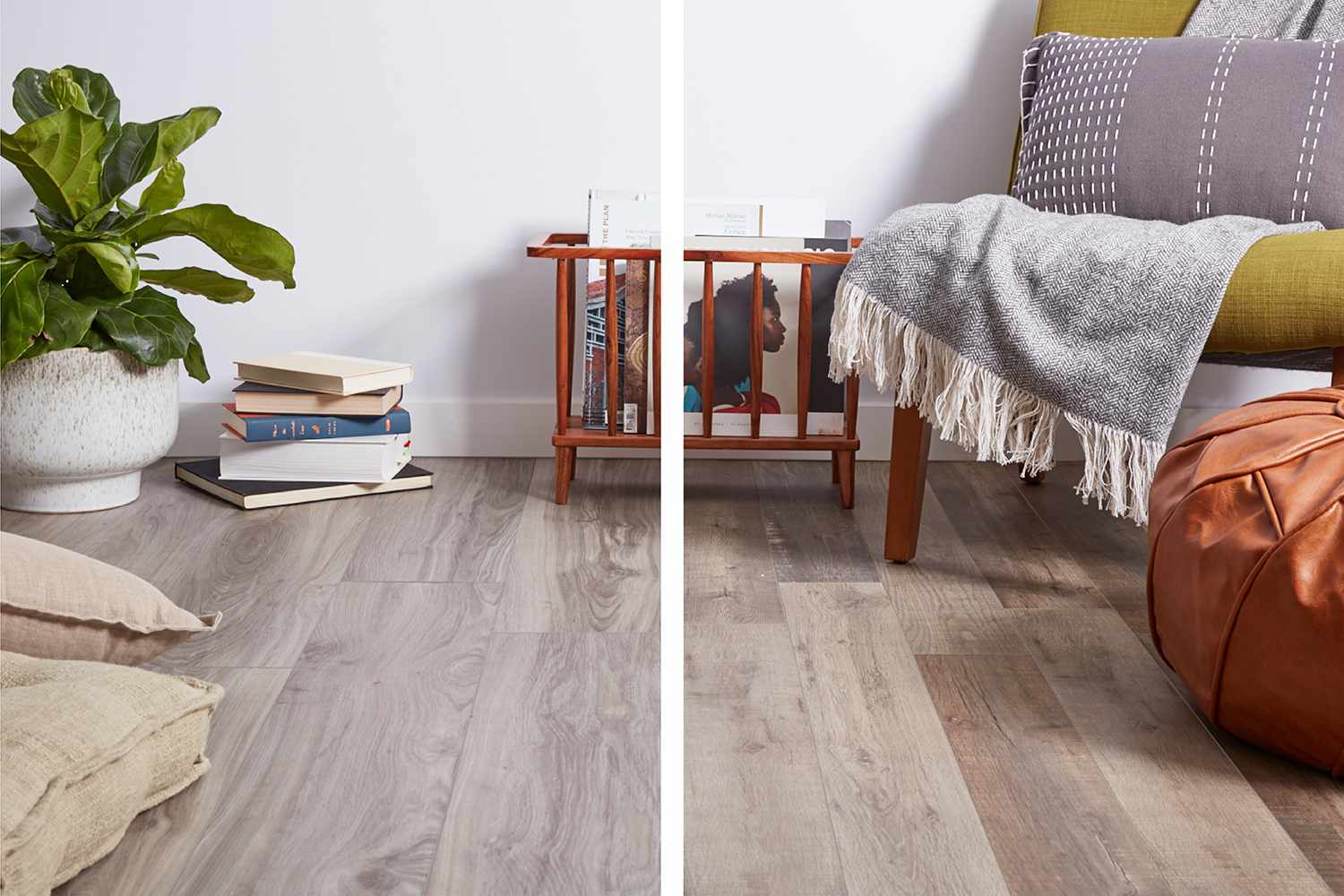
Both vinyl and laminate flooring offer a wide range of design choices. Vinyl can mimic wood, stone, and ceramic tile. Laminate looks like real wood but is less expensive. Both can match any room style, from modern to rustic. Color options are vast, allowing for creative expression. Patterns can vary, adding uniqueness to each room. Vinyl often has more water-resistant designs. Laminate is sometimes thicker, offering a more luxurious feel.
Vinyl flooring feels smooth underfoot. It’s soft and quiet. Laminate offers a more realistic wood texture. It can feel harder but is durable. Both have easy-to-clean surfaces. Vinyl is often warmer to touch. Laminate can be cooler but feels more solid. Texture can affect comfort and style. Choosing the right one depends on personal taste. Each has unique benefits for your home.
Installation Process
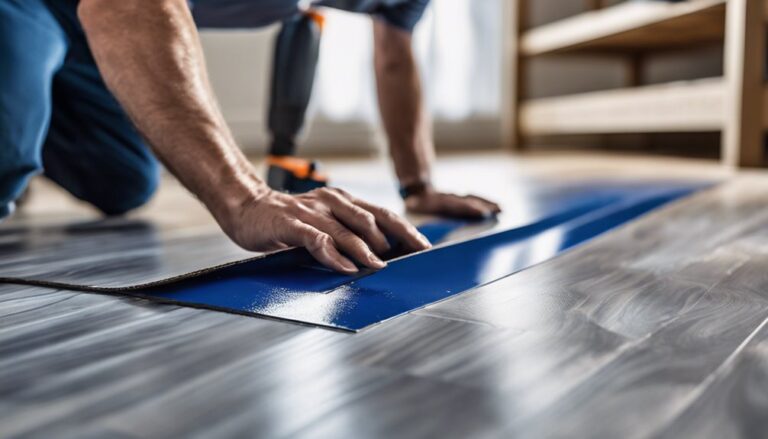
Vinyl flooring is easy to install. It often uses a click-lock system. Just snap the pieces together. No glue needed. This makes it a popular choice for DIY projects. Even a beginner can handle it. In contrast, laminate flooring may need more skill. Some types require glue. This makes the process messier. It also takes more time.
Simple tools are enough for vinyl. A utility knife can cut it. A tape measure helps with size. Laminate needs more tools. A saw is often necessary. This is to cut the pieces. A tapping block is useful too. It helps fit the pieces snugly. Both floors need a clean surface. It helps the pieces lay flat.
Cost Considerations
Vinyl flooring often costs less than laminate. It is a budget-friendly choice. Laminate might be a bit more expensive at first. But both are cheaper than wood floors. Many people choose vinyl for their first homes. Easy to install and less costly. Laminate offers more styles and textures. Yet, it can still be affordable.
Vinyl is water-resistant. It lasts a long time in wet places. Good for bathrooms and kitchens. Laminate can look worn out if wet often. But it can last many years if kept dry. Both floors need care for long life. Regular cleaning helps them stay nice.
Maintenance Needs
Vinyl flooring requires less upkeep than laminate, making it ideal for busy households. It resists moisture and scratches, reducing the need for frequent repairs. Laminate might need more attention to maintain its appearance and durability over time.
Cleaning Requirements
Vinyl flooring is easy to clean. A simple sweep or mop does the job. It’s water-resistant, so spills aren’t a problem. Laminate flooring needs more care. It’s not very water-friendly. Use a damp cloth, not a wet mop. Both types need regular cleaning to stay nice.
Repair And Replacement
Vinyl tiles are easy to replace. Just remove the damaged piece. Laminate is trickier. It may need a whole section replaced. Vinyl is also durable. It doesn’t scratch easily. Laminate can get scratched. Both floors last long with good care. Vinyl is a bit tougher.
Environmental Impact
Vinyl flooring is made from plastics. It uses many chemicals during production. These chemicals can harm the environment. Laminate flooring uses wood. This makes it more eco-friendly than vinyl. But, it still needs glue and resins. These can also be harmful.
Sustainability Factors
Both flooring types have pros and cons. Vinyl is less sustainable. It uses non-renewable resources. Laminate comes from renewable wood sources. This makes it a better choice for nature lovers.
Recycling And Disposal
Recycling vinyl is very hard. It often ends up in landfills. This increases waste. Laminate can be recycled more easily. It is better for reducing landfill waste. But, not all parts of laminate can be recycled. Dispose of both types responsibly to help our planet.
Room Suitability
Vinyl flooring works well in many rooms. It is great for kitchens because it handles spills. Bathrooms are perfect too. Vinyl can resist water. Kids playrooms love vinyl. It is soft and comfy. Laundry rooms are good with vinyl. It stays strong against moisture. Vinyl is also good for basements. It keeps out dampness well.
Laminate flooring fits well in dry places. Living rooms look nice with laminate. It adds style and warmth. Bedrooms are good too. Laminate feels cozy underfoot. Offices shine with laminate. It provides a clean look. Dining rooms match well with laminate. It resists stains. Laminate is not best for wet areas. Avoid it in bathrooms or laundry rooms.
Pros And Cons Summary
Vinyl flooring is water-resistant. It is good for kitchens and bathrooms. Vinyl feels softer underfoot. It is easy to clean and maintain. But, it can dent or scratch easily. It may look less natural than real wood.
Laminate flooring has a realistic wood look. It is durable and can handle heavy foot traffic. Laminate is cost-effective. It resists scratches and fading. But, it is not water-resistant. Water can damage it.
Choosing between them depends on needs. Consider the room and budget. Both have unique benefits and drawbacks.

Frequently Asked Questions
Which Is More Durable, Vinyl Or Laminate Flooring?
Vinyl flooring is generally more durable than laminate. It’s resistant to moisture and scratches, making it ideal for high-traffic areas. Laminate can be prone to water damage and scratches. However, both options offer long-lasting performance when properly maintained.
Is Vinyl Flooring Better For Kitchens?
Vinyl flooring is often better for kitchens due to its water-resistant properties. It can handle spills and moisture without damage. It’s also easy to clean, making it ideal for busy kitchens. Laminate may be less suitable due to its vulnerability to water damage.
What Is Cheaper, Vinyl Or Laminate?
Vinyl flooring typically costs less than laminate. It offers a budget-friendly option without sacrificing quality. Laminate can be more expensive, especially for high-quality varieties. Both options provide cost-effective solutions depending on the specific needs and preferences of homeowners.
Which Flooring Is Easier To Install?
Vinyl flooring is generally easier to install than laminate. It often comes in peel-and-stick or click-lock formats. These options simplify the installation process. Laminate requires more precision and tools, making it slightly more complex for DIY enthusiasts.
Conclusion
Choosing between vinyl and laminate flooring involves several factors. Both options offer durability and style. Vinyl is often favored for water resistance. Laminate can provide a more authentic wood look. Think about your budget and room needs. Each choice has pros and cons.
Consider maintenance and installation ease. Your lifestyle and preferences matter. Make a decision that suits your home. The right floor enhances beauty and comfort. Enjoy exploring your options and creating a space you love. Remember, the best flooring meets your specific needs and taste.