
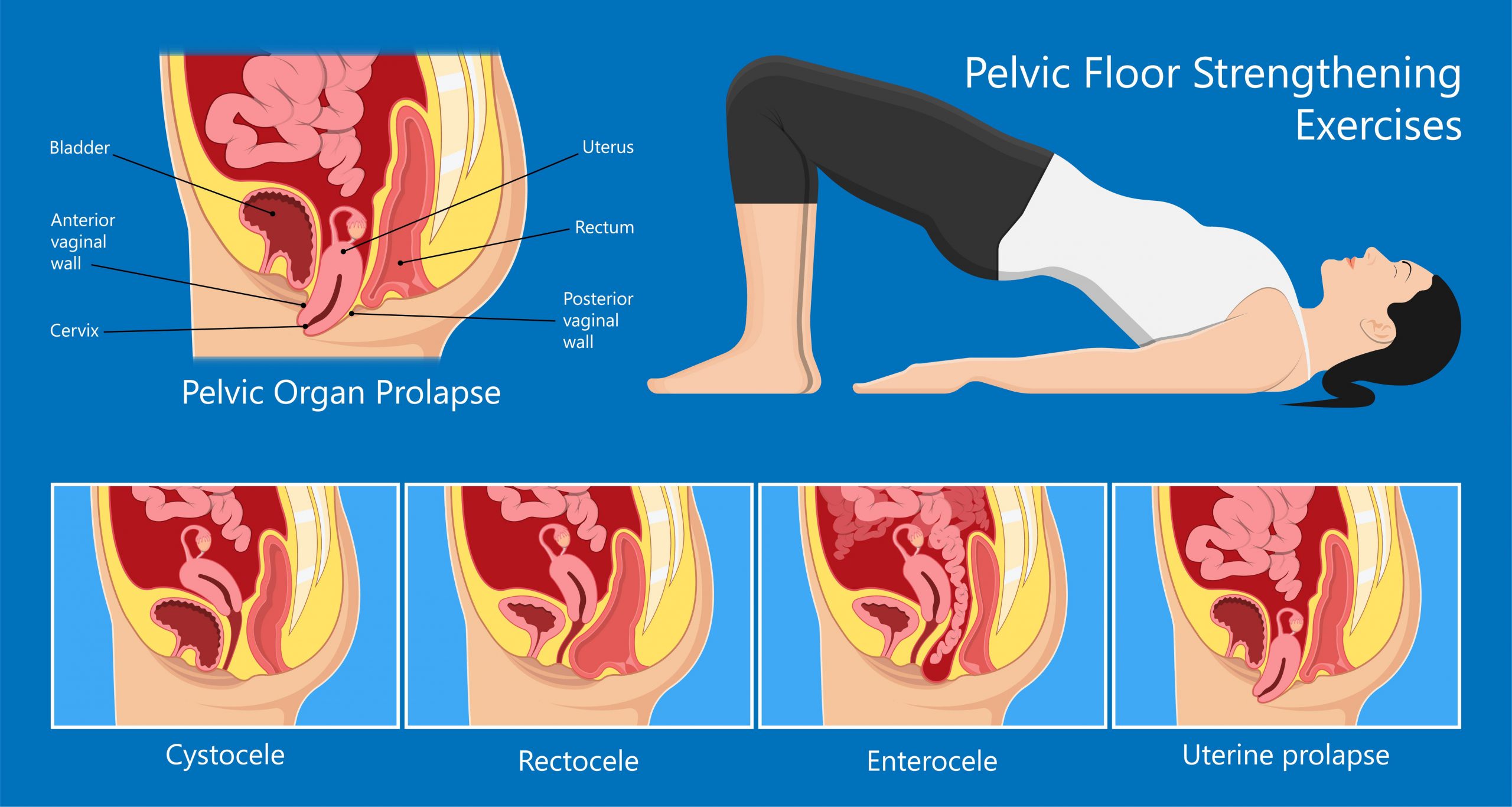

Have you ever heard of a pelvic floor therapist and wondered what they do? Your curiosity could lead to better health and improved wellbeing.
Pelvic floor therapists are healthcare professionals who specialize in treating issues related to the muscles at the base of your pelvis. These muscles play a crucial role in bladder control, sexual function, and core stability. Whether you’re experiencing discomfort or simply want to enhance your body’s function, understanding what a pelvic floor therapist does can be a game-changer.
You deserve to feel your best, and this article will guide you through how a pelvic floor therapist can help. Dive into this fascinating topic and discover how these experts can make a positive impact on your life.

Role Of A Pelvic Floor Therapist
A pelvic floor therapist helps with muscle problems in the lower body. These muscles support your bladder and bowel. They also help with childbirth. A therapist teaches exercises to make these muscles stronger. This helps people with urinary issues or pain.
Many people benefit from this therapy. New moms often need help. People with bladder issues find it useful. Some people have pain during activities. Therapy helps them too. It’s not only for women. Men benefit from it as well.
A session often starts with a chat. The therapist asks about your problems. They check your muscles. Then, they show simple exercises. Practicing at home is important. The therapist guides you through each step.
Core Responsibilities
A pelvic floor therapist checks how your muscles work. They look for problems like pain or weakness. You might answer some questions. This helps them understand your needs better.
After the assessment, they make a plan just for you. This plan can include exercises and other treatments. The goal is to make you feel better. Each plan is unique.
Therapists use special exercises to help strengthen muscles. They may also use biofeedback. This helps you see how your muscles work. Sometimes, they use manual therapy to reduce pain.
Common Conditions Treated
Many people have trouble controlling urine. It can happen at any age. This is called incontinence. A pelvic floor therapist can help. They teach exercises to make muscles stronger. Strong muscles help control urine better.
Some people feel pain in their lower belly. This is known as pelvic pain. It can be sharp or dull. It may come and go. A therapist helps find the cause. They use exercises and other methods to ease the pain.
After having a baby, bodies need time to heal. Postpartum recovery is important. Muscles can be weak after birth. A therapist shows how to get strong again. They help with exercises to rebuild strength. This helps new moms feel better and stronger.

Benefits Of Therapy
Pelvic floor therapy helps you feel better. It can make everyday life easier. Strengthening muscles helps your body work well. Less discomfort means more smiles. Better sleep and more energy. Therapy helps you enjoy activities you love.
Pelvic therapy can reduce pain. Gentle exercises help ease discomfort. Therapy teaches you how to relax muscles. Less pain means more comfort. It helps with cramps and aches. You learn to manage pain better.
Therapy improves movement and strength. It helps you stand and sit well. You can walk easier with strong muscles. Therapy boosts your body’s ability. Exercises make daily tasks simpler. You gain more control over your body.
Training And Qualifications
Pelvic floor therapists need a strong foundation in health sciences. Bachelor’s degree in physical therapy or occupational therapy is often required. Courses in anatomy and physiology are essential. These help therapists understand the body. Knowledge in women’s health is crucial too.
After college, therapists can join certification programs. They learn advanced skills here. Programs teach specific techniques for pelvic health. Certification shows that a therapist has special skills. It helps gain trust from clients. They feel safe with certified therapists.
Learning never stops for therapists. Continuing education is important. It keeps them updated with new treatments. Workshops and seminars offer fresh knowledge. Therapists learn about new tools and methods. This helps improve their skills. Patients get better care with updated knowledge.
Finding A Specialist
Ask your doctor for a referral. They know trusted specialists. Friends or family might help too. Listen to their experiences. They may know a good therapist. Check online reviews as well. People share their thoughts there. Choose someone with positive feedback. It shows they help others well.
Look for a therapist with proper certifications. They should have training in pelvic health. This is important. A qualified therapist knows the right methods. Check their experience too. The more years, the better. They should have worked with many patients. This means they understand various problems.
Preparing For Your First Visit
A pelvic floor therapist helps with muscle problems in the pelvic area. The first visit is to learn more about your needs. The therapist will ask about your health history. They might do a simple check-up. This helps them plan your treatment. You might feel a bit shy. But the therapist is there to help you.
Sometimes, you may need to do simple exercises. These exercises are easy. They help make your muscles strong. The therapist will guide you on how to do them. You can ask questions if unsure. The visit is a step towards feeling better.
- What will the treatment include?
- How long will the sessions last?
- Will I need to do exercises at home?
- How soon can I expect to feel better?
- Are there any risks involved?

Frequently Asked Questions
What Does A Pelvic Floor Therapist Do?
A pelvic floor therapist specializes in diagnosing and treating pelvic floor dysfunction. They use exercises and techniques to improve muscle function, alleviate pain, and enhance quality of life. Their work often includes education on pelvic health, personalized treatment plans, and support for conditions like incontinence or pelvic pain.
How Can Pelvic Floor Therapy Help?
Pelvic floor therapy can relieve pain, improve bladder control, and enhance sexual function. It strengthens and relaxes pelvic muscles through tailored exercises. This therapy can also support postpartum recovery and aid individuals with pelvic dysfunction, providing a holistic approach to improving overall pelvic health.
Who Should See A Pelvic Floor Therapist?
Anyone experiencing pelvic pain, incontinence, or post-surgical recovery should consider seeing a pelvic floor therapist. This therapy is beneficial for postpartum women, athletes, and individuals with pelvic floor dysfunction. It’s useful for those seeking improved quality of life and better pelvic health.
Is Pelvic Floor Therapy Safe?
Yes, pelvic floor therapy is generally safe and non-invasive. It is conducted by trained professionals who tailor treatments to individual needs. Techniques used are gentle and focused on improving muscle function. It is a safe option for managing pelvic-related issues effectively, enhancing overall health.
Conclusion
Pelvic floor therapists help improve your quality of life. They guide you in strengthening muscles that support your core. With their expertise, you can manage pain better. Also, they teach exercises that enhance daily functions. Seeking their help can lead to greater comfort.
A healthier pelvic floor means fewer issues with movement and control. Remember, professional guidance is key to success. Taking steps today can prevent problems tomorrow. So, consider consulting a pelvic floor therapist. Your well-being matters, and they’re here to assist.
Embrace the chance for a healthier future.