
When you’re considering a vinyl flooring project, you might picture the sleek, finished look of your new floors. But have you thought about what’s underneath?
This often-overlooked layer plays a crucial role in the durability and comfort of your flooring. Getting it right is essential to ensuring that your vinyl floor not only looks fantastic but also stands the test of time. If you’re eager to avoid common pitfalls and achieve the best results, you need to know exactly what goes under vinyl flooring.
Dive into this guide, and you’ll discover the secrets that many homeowners wish they knew before they started. By the end, you’ll have the confidence to choose the perfect underlayment for your needs, ensuring a flawless finish that makes your home feel just right.
Types Of Vinyl Flooring
Sheet vinyl is a single, large roll of flooring. It is very durable and waterproof. This type is easy to clean. Many people like it for bathrooms. It can look like wood or stone. Sheet vinyl is often less expensive. It is a good choice for tight budgets.
Luxury vinyl tile (LVT) looks like real tiles. It is very strong and resistant to scratches. LVT is ideal for kitchens and hallways. It is easy to install. The tiles can be replaced one by one. This makes it very convenient. People love the variety of designs.
Luxury vinyl plank (LVP) mimics real wood planks. It is good for living rooms and bedrooms. LVP is both sturdy and comfortable underfoot. It can resist water and stains. This type is very popular. Homeowners enjoy its natural look and feel.
Purpose Of Underlayment
Underlayment provides a moisture barrier. It keeps water away from floors. This is important in wet areas. Like kitchens and bathrooms. Water can damage vinyl. So, the barrier helps a lot. It protects the flooring. This keeps your floors safe and dry.
Underlayment helps with sound reduction. It makes floors quieter. Walking on vinyl can be noisy. The underlayment absorbs sound. This makes the room calmer. It is great for living spaces. Everyone enjoys a quieter home.
Underlayment offers thermal insulation. It keeps floors warm. Cold floors are uncomfortable. Insulation makes a difference. It holds the heat in. This is nice in winter. Your feet stay cozy and warm.
It corrects subfloor imperfections. Floors are not always flat. Bumps and dips can occur. Underlayment evens them out. This makes floors smooth. A smooth floor is safe. It also looks neat and tidy.
Common Underlayment Materials
Foam is soft and light. It helps keep floors warm. It also reduces noise. Foam is easy to install. People like foam because it is affordable. Foam is often used in living rooms and bedrooms.
Cork is natural and eco-friendly. It is good for the earth. Cork helps with sound control. It is also a good insulator. Cork is durable and lasts a long time. People use cork for its comfort and style.
Felt is strong and sturdy. It protects floors well. Felt is thick and offers good support. It is often used in high-traffic areas. Felt helps keep floors flat and stable. It is a trusted material for many homes.
Choosing The Right Underlayment
The subfloor should be flat and clean. A rough subfloor can hurt the vinyl. Check for any dents or bumps. Fix them to have a smooth surface.
Each room has different needs. For a kitchen, use a strong underlayment. It helps with heavy foot traffic. In a bedroom, a softer underlayment may work better. It adds comfort underfoot.
Climate affects the choice of underlayment. In cold areas, choose one that keeps floors warm. For humid places, a moisture barrier is important. This stops water from reaching the vinyl.
Installation Tips
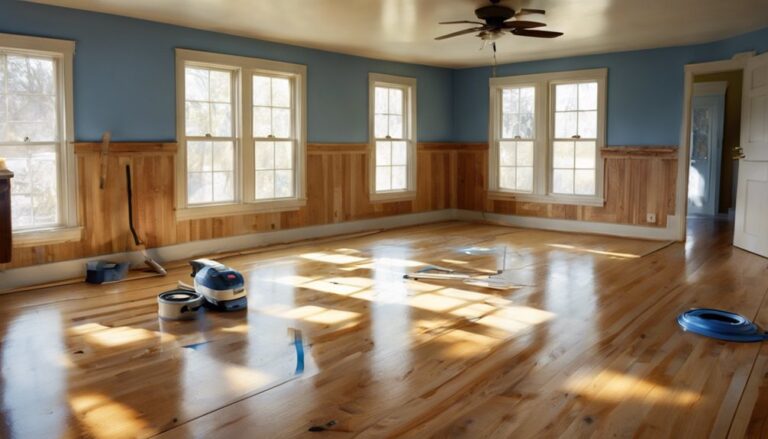
A clean subfloor is important. Remove all dirt and dust. Check for cracks or holes. Fix them before starting. The subfloor should be smooth. Use a level to check for bumps. A flat surface helps the vinyl stay even. A good subfloor makes the vinyl last longer.
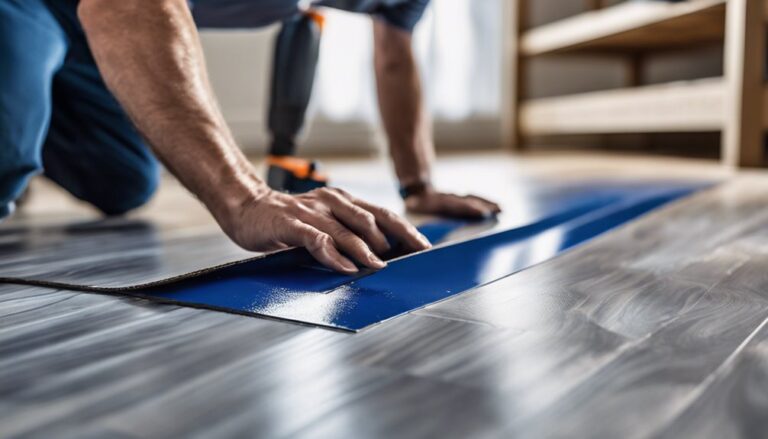
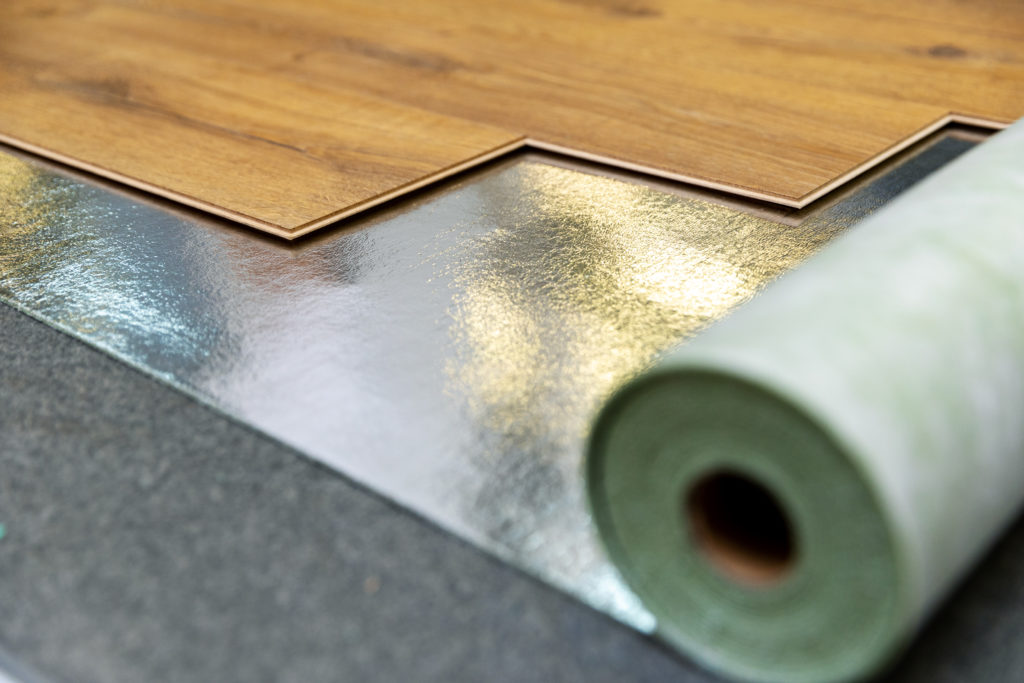
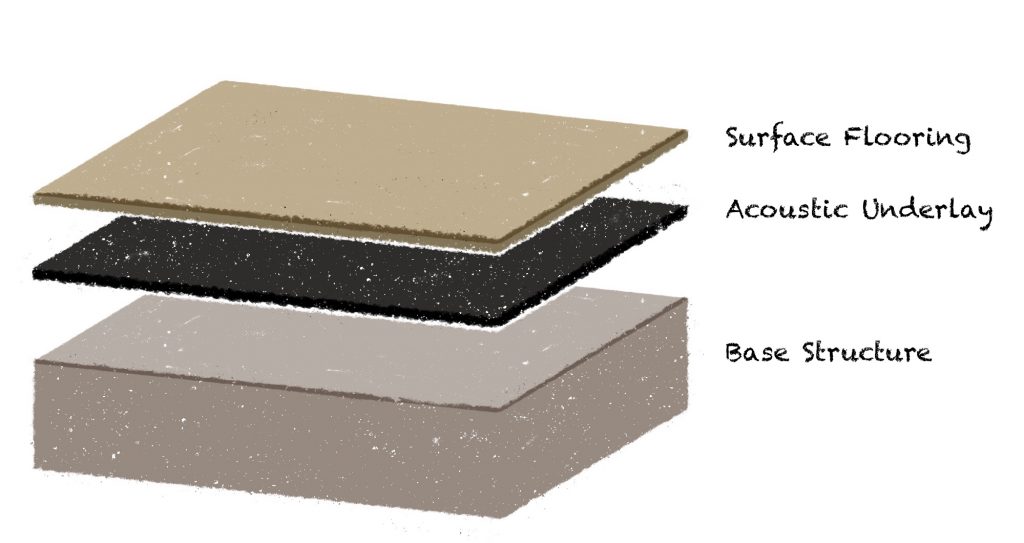
Underlayment is a thin layer. It goes between the subfloor and vinyl. It helps reduce noise. It also adds comfort. Roll out the underlayment. Make sure it covers the whole floor. Cut it to fit the edges. Tape the seams to keep it in place.
Securing edges is important. Use floor tape to hold vinyl down. This prevents it from moving. Start from the corners. Press edges with a roller. This helps the vinyl stick well. A well-secured edge keeps the floor looking neat.

Common Mistakes To Avoid
Skipping this step can lead to big problems. Moisture can damage vinyl floors. Always test for moisture before installing. Use a moisture meter. It is easy and quick. This can save you money and trouble.
Wrong materials can ruin your floor. Use proper underlayments. They help protect the floor. Choose materials that suit your subfloor. Ask an expert if unsure.
Follow the guidelines carefully. Manufacturers know their products best. They provide important instructions. Ignoring them can void warranties. Always read and follow them closely.
Maintenance And Care
Sweep or vacuum the floor often. This helps to remove dirt. Dirt can scratch the floor. Use a soft broom or vacuum. Avoid using hard brushes. They can damage the vinyl. Use a damp mop for deeper cleaning. Warm water is usually enough.
Wipe spills immediately with a cloth. Use a gentle cleaner if needed. Avoid harsh chemicals. They can damage the floor. Blot the area dry after cleaning. This prevents water spots.
Check the floor for cracks often. Small cracks can grow larger. Fix them quickly to avoid bigger problems. Look for loose tiles or planks. They can be a tripping hazard. Replace them when needed.
Frequently Asked Questions
What Is Underlayment For Vinyl Flooring?
Underlayment is a thin layer placed beneath vinyl flooring. It provides added comfort and soundproofing. It also helps in leveling the subfloor and offers moisture protection. Choosing the right underlayment enhances the durability and performance of your vinyl flooring. Always follow manufacturer recommendations for best results.
Do You Need A Moisture Barrier Under Vinyl?
Yes, a moisture barrier is crucial under vinyl flooring. It prevents moisture from seeping into the flooring and causing damage. Especially in moisture-prone areas, it helps in prolonging the lifespan of the floor. Ensure compatibility with your chosen vinyl type for effective protection.
Can You Install Vinyl Flooring On Uneven Surfaces?
No, installing vinyl flooring on uneven surfaces is not recommended. Uneven subfloors can cause issues like warping or gaps over time. It’s essential to level the subfloor before installation. Proper preparation ensures a smooth, durable, and professional-looking vinyl floor finish.
What Types Of Subfloors Are Suitable For Vinyl?
Vinyl flooring can be installed on various subfloors, including concrete, plywood, and existing vinyl. Each type requires specific preparation steps to ensure a smooth installation. Ensure the subfloor is clean, dry, and level. Adhering to these guidelines guarantees optimal performance and longevity.
Conclusion
Choosing the right underlayment for vinyl flooring is crucial. It impacts durability, insulation, and comfort. Consider moisture barriers for rooms prone to dampness. Select soundproofing options for quieter spaces. Foam underlayment offers cushioning, enhancing comfort. Cork provides natural insulation and eco-friendly benefits.
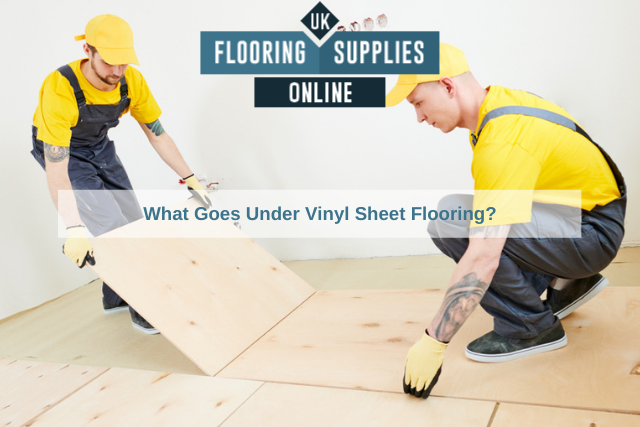
Plywood or particleboard can work for solid support. Each choice has pros and cons. Assess your needs and preferences carefully. Proper installation ensures your flooring lasts longer. Make an informed decision for your home. The right foundation leads to a beautiful, long-lasting floor.