

Have you ever wondered what’s beneath the waves of the vast ocean? Picture this: a mysterious, hidden world teeming with life, colors, and landscapes you’ve never imagined.
The ocean floor is like a secret garden waiting to be explored. It’s a place of wonder that holds clues to our planet’s past and future. As you dive deeper into this article, you’ll uncover fascinating details about underwater mountains, valleys, and ecosystems that thrive in the dark, cold depths.
Discover why the ocean floor is not just a flat surface, but a dynamic, vibrant realm that plays a crucial role in Earth’s balance. Curious to learn more? You’re about to embark on a captivating journey that will change the way you view the ocean forever.
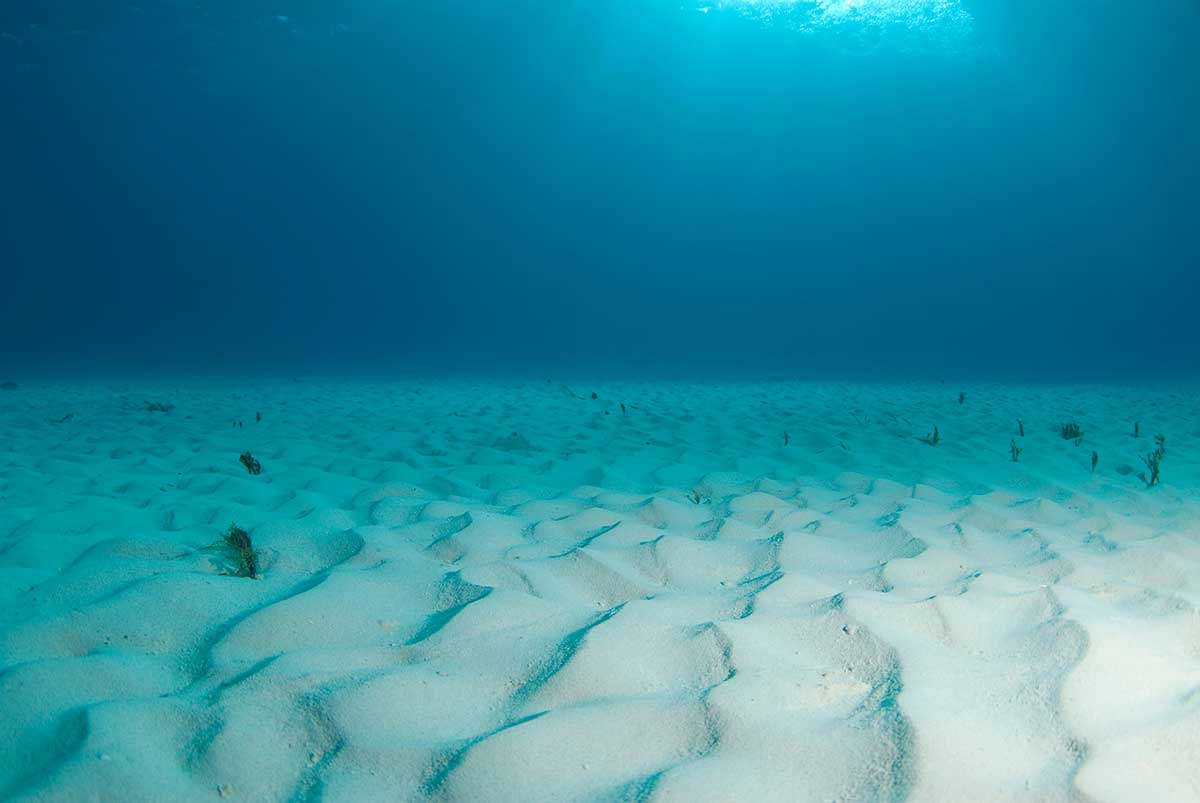
The Ocean’s Hidden Topography
The ocean floor has many mountains and ridges. These are called seamounts and mid-ocean ridges. They are like mountains on land. Some are very tall and wide. Seamounts are underwater volcanoes. They can reach high from the ocean floor. Mid-ocean ridges are long mountain chains. They stretch across the ocean. They form where tectonic plates move apart. These ridges are the longest on Earth. They are full of life and mystery.
Deep-sea trenches are very deep. They are like big cracks in the ocean floor. The Mariana Trench is the deepest. It is deeper than Mount Everest is tall. These trenches are home to strange creatures. They live in dark, cold water. Ocean valleys are also called abyssal plains. They are flat and wide. These valleys cover much of the ocean floor. They hold sand, mud, and small rocks. The ocean floor is full of surprises.
Marine Life On The Ocean Floor
The ocean floor is a mystery to many. It is home to unique ecosystems. These ecosystems are very different. Each one has its own special life. Some areas have coral reefs. Others have deep trenches. Life here is diverse. Some creatures glow in the dark. Others can change color. Each has its own way to survive. These ecosystems are fragile. They need care and protection.
Deep-sea creatures have unique adaptations. They live in very cold and dark places. Some creatures have large eyes. This helps them see in the dark. Others have small bodies. This helps them save energy. Some can even glow. This is called bioluminescence. It helps them find food. It also helps them hide from enemies. These adaptations make them special. They are built to survive.
Geological Features
The ocean floor has many volcanoes. These volcanoes are called seamounts. They can be very tall. Some are underwater mountains. Lava comes out of these volcanoes. It makes new rocks. These rocks change the ocean floor. This process is called volcanic activity.
Hydrothermal vents are like underwater hot springs. These vents are very hot. They shoot out hot water. The water has many minerals. Minerals from vents make strange shapes. Creatures live near these vents. They like the heat. Vents can be deep down. They are hard to find. Scientists study these vents. They learn about life and heat in the ocean.

Technological Exploration
Beneath the waves, the ocean floor reveals a world of mystery. Vast plains stretch endlessly, interrupted by towering underwater mountains and deep trenches. Rich in biodiversity, it hosts unique marine life thriving in the dark depths. This hidden landscape remains largely unexplored, holding secrets of Earth’s history and evolution.
Submersibles And Rovs
Submersibles dive deep into the ocean. They carry humans and cameras. ROVs are robots. They can explore without people inside. Both tools help scientists see the ocean floor. They capture images and collect samples. These tools are like underwater eyes. They show us hidden wonders.
Satellite Mapping
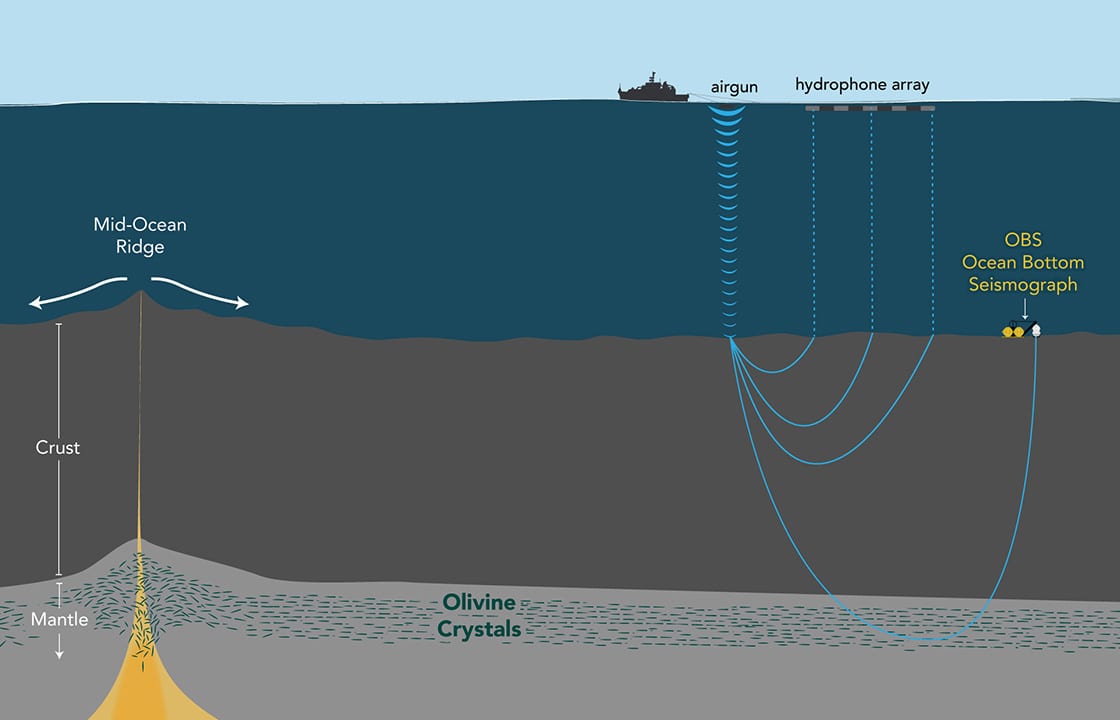
Satellites orbit high above Earth. They use special tools to map the ocean floor. These maps are very detailed. They show mountains and valleys underwater. Satellite mapping helps us understand the ocean’s shape. It is useful for finding new places to explore. This technology is like a giant eye in the sky.
Significance Of The Ocean Floor
The ocean floor plays a vital role in climate regulation. It stores large amounts of carbon. This helps keep the planet cooler. It absorbs heat from the sun. This process affects ocean currents. These currents control the climate. Cold and warm water move around the world. This movement helps balance temperatures. The ocean floor acts like Earth’s thermostat.
The ocean floor is home to many unique species. Some animals live only there. These species are important for biodiversity. Protecting them helps keep the ocean healthy. Many animals rely on the ocean floor for food. They find shelter there too. Coral reefs grow on the ocean floor. They are colorful and full of life. Conservation efforts aim to protect these habitats. This ensures a balanced ecosystem.
Unsolved Mysteries
Deep down in the ocean, there might be hidden cities. Some people think old civilizations lived there. These places are now covered by water and sand. Scientists are curious about these lost worlds. They use special machines to search. But the ocean is big and dark. Finding these places is hard. We still have a lot to learn.
Many parts of the ocean floor are still unknown. Few explorers have seen these regions. The ocean is deep and very cold. Machines help us look, but they can’t reach everywhere. Some areas might have strange creatures. Mysterious plants might grow there too. These places hold secrets. Scientists hope to discover more.
Frequently Asked Questions
What Features Are Found On The Ocean Floor?
The ocean floor is a diverse landscape with mountains, valleys, and plains. Features include mid-ocean ridges, trenches, and abyssal plains. Coral reefs and seamounts also add to its complexity. These features are shaped by geological processes like tectonic activity and sedimentation.
How Deep Is The Ocean Floor?
The ocean floor varies in depth, ranging from shallow coastal areas to deep trenches. The average depth is around 3,800 meters. The Mariana Trench is the deepest part, reaching up to 11,034 meters. Depths are measured using sonar technology and other methods.
What Creatures Live On The Ocean Floor?
The ocean floor hosts a variety of marine life, including fish, crustaceans, and mollusks. Unique species like the anglerfish and giant tube worms thrive in deep-sea environments. Adaptations help them survive in extreme conditions, such as high pressure and low light levels.
How Is The Ocean Floor Mapped?
Mapping the ocean floor involves using sonar and satellite technology. Sonar sends sound waves to measure depths, while satellites capture surface data. Advanced techniques like submersibles and underwater drones provide detailed imagery. These methods help scientists understand the ocean’s topography.
Conclusion
The ocean floor holds many secrets. Mountains, valleys, and vast plains. Each with unique features. Coral reefs thrive in shallow areas. Deep trenches offer mystery and adventure. These underwater wonders inspire curiosity. Scientists explore to learn more. Their findings help us understand our planet.
Protecting these habitats is crucial. Every discovery adds to our knowledge. The ocean floor is a fascinating world. Its beauty and complexity enrich our lives. As we continue to explore, we uncover its hidden treasures. Keep wondering and learning about this remarkable part of Earth.