
Imagine you’re considering renovating your home. You pull up that old carpet and there it is—an unfamiliar flooring material that makes you pause.
Could it be asbestos flooring? It’s crucial to know, because your health and safety might be at stake. Asbestos flooring was once popular for its durability and fire resistance, but now it’s known for the risks it poses. But how do you identify it?
What does asbestos flooring look like? Understanding its appearance can protect you from potential harm and guide your next steps. Stay with us as we uncover the telltale signs of asbestos flooring, ensuring you have the knowledge to make informed decisions for your home and health.
Characteristics Of Asbestos Flooring
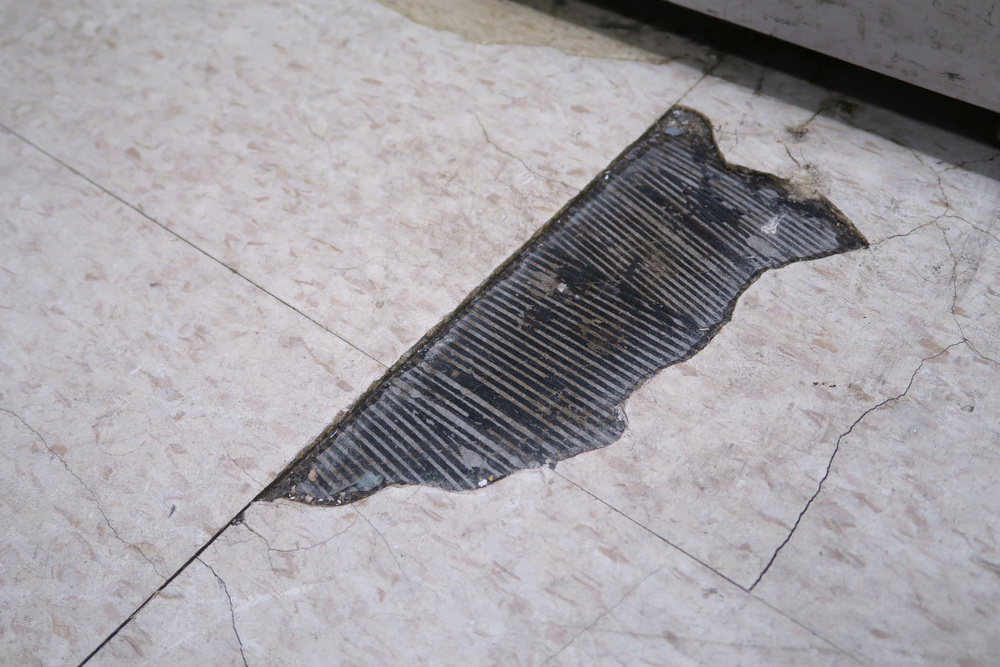
Asbestos flooring often feels rough or grainy. The surface may seem uneven. Tiles can have a matte or glossy finish. Sometimes, you see small fibers within the tiles. These fibers make the floor look fuzzy or woven.
Brown, gray, and white are popular asbestos floor colors. Speckled and marbled patterns are common too. Some floors have dots or lines. Others might show geometric shapes. Color shades can be muted or bold.
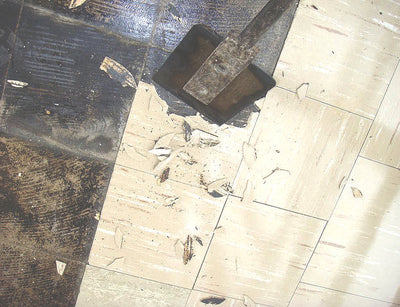
Older asbestos floors often look worn. Cracks and chips are visible. Edges might be frayed or damaged. The color fades with time. Stains can appear from use. Tiles may even be loose or missing.
Types Of Asbestos Flooring
Vinyl asbestos tiles are often found in old homes. They come in many colors and patterns. These tiles are shiny and smooth. Asbestos fibers are mixed with vinyl. This makes them strong and durable. They can last a long time. But they can also be dangerous. Breaking or damaging them can release harmful fibers. Always be careful around old tiles.
Asphalt asbestos tiles were popular in the past. They have a dark color, often black or brown. Made with asphalt and asbestos, they are tough. These tiles are often used in basements. They are not shiny like vinyl tiles. Their surface is usually dull. If you see broken tiles, be cautious. Harmful fibers might be present.
Linoleum sometimes has asbestos in its backing. The top looks like regular linoleum. It can have bright colors and patterns. But the underside is different. It might have asbestos fibers. These are hidden and hard to see. If the linoleum is torn, it can be a risk. Always handle with care. Old linoleum may contain hidden dangers.
Identifying Asbestos Flooring
Asbestos flooring can be tricky to spot. It often has a dull, grayish color. Look for old and worn-out tiles. They might have a rough texture. Sometimes, you can see small fibers on the surface. These fibers might be white or gray. Tiles may also come in square shapes. Common sizes are 9×9 or 12×12 inches. If unsure, it’s best to get help.
Professionals can identify asbestos flooring for you. They use special tools. Experts take samples carefully. Samples are then tested in labs. This method is very accurate. It ensures your safety. Hiring a pro may cost more, but it’s worth it. They also give advice on next steps. Always trust skilled experts for your safety.
DIY testing kits are available in stores. Kits come with instructions. Follow each step closely. Kits usually have a small tool. You use it to collect a sample. Once collected, send the sample to a lab. Results come back within weeks. This option is cheaper than hiring a pro. But be careful. Doing it wrong can be unsafe.
Safety Concerns And Precautions
Asbestos can cause serious health problems. Breathing asbestos fibers is dangerous. It may lead to lung diseases. Mesothelioma is one such disease. This disease is rare but deadly. Lung cancer is another risk. Asbestos can also cause asbestosis. Asbestosis scars the lungs. Symptoms take years to appear. Early detection is key to treatment.
Disturbing asbestos releases fibers. These fibers become airborne. They may enter the lungs. Old flooring often contains asbestos. Cutting or sanding is risky. Professionals should handle asbestos materials. DIY work is not safe. Mishandling can lead to exposure. Precaution is necessary.
Inspect homes for asbestos flooring. Use professionals for inspection. Seal the area if asbestos is found. Do not touch or disturb asbestos. Wet methods can reduce dust. Wear protective gear when handling asbestos. Ventilate the area well. Educate family members on risks.
Alternatives To Asbestos Flooring
Many people choose vinyl flooring today. It’s safe and easy to clean. Another choice is laminate. It looks like wood but costs less. Some like ceramic tiles. They are strong and come in many colors.
Carpet tiles are also popular. They feel soft under your feet. Each of these options is safe for homes.
Removing asbestos must be done carefully. Experts wear special clothes. They take out the old flooring piece by piece. It’s important not to break the tiles. Broken tiles can release dust. After removal, new flooring can be installed.
New flooring costs vary. Vinyl flooring is often the cheapest. Laminate is a bit more. Ceramic tiles cost the most.
Installation costs add to the price. Doing it yourself can save money. But hiring a professional ensures a good job. Always check for hidden costs.
Frequently Asked Questions
What Are The Signs Of Asbestos Flooring?
Asbestos flooring often appears as vinyl tiles, linoleum, or sheet flooring. It typically has a dull, grayish tone. The tiles are usually 9×9 inches, but some may be 12×12 inches. If your flooring was installed before the 1980s, it may contain asbestos.
How Can I Identify Asbestos Tiles?
Check the size, color, and age of the tiles. Asbestos tiles are usually 9×9 inches and have a grayish hue. If installed before the 1980s, there’s a high chance they contain asbestos. For certainty, consider getting professional testing done.
Is It Safe To Remove Asbestos Flooring Myself?
Removing asbestos flooring yourself is not recommended. Asbestos fibers can become airborne during removal, posing health risks. It’s essential to hire professionals who have the right equipment and training to safely remove and dispose of asbestos materials.
What Should I Do If I Suspect Asbestos Flooring?
If you suspect asbestos flooring, avoid disturbing it. Disturbance can release harmful fibers into the air. Contact a professional for an inspection and, if necessary, safe removal. They can confirm the presence of asbestos and recommend the best course of action.
Conclusion
Identifying asbestos flooring is crucial for safety. Old tiles may contain asbestos. Look for vinyl or linoleum with paper backing. These can hide dangers. Check for dark or discolored spots. They might indicate asbestos presence. If unsure, consult a professional.
Safety matters more than style. Proper identification prevents health risks. Awareness protects you and your family. Regular inspections help maintain safe environments. Keep your home asbestos-free. Knowledge empowers wise decisions. Stay informed and safeguard your living space. Understanding asbestos flooring ensures peace of mind.
Always prioritize health and safety first.