
Have you ever wondered if the old tiles in your home might contain asbestos? You’re not alone.
Many homeowners are concerned about the hidden dangers lurking beneath their floors. Asbestos floor tiles can be tricky to identify, especially if you’re not sure what to look for. But don’t worry, this article will guide you through the appearance and characteristics of asbestos tiles, helping you to spot them with ease.
Discovering what asbestos floor tiles look like is crucial for your safety and peace of mind. Keep reading to learn how you can protect yourself and your family from potential hazards.
Physical Characteristics
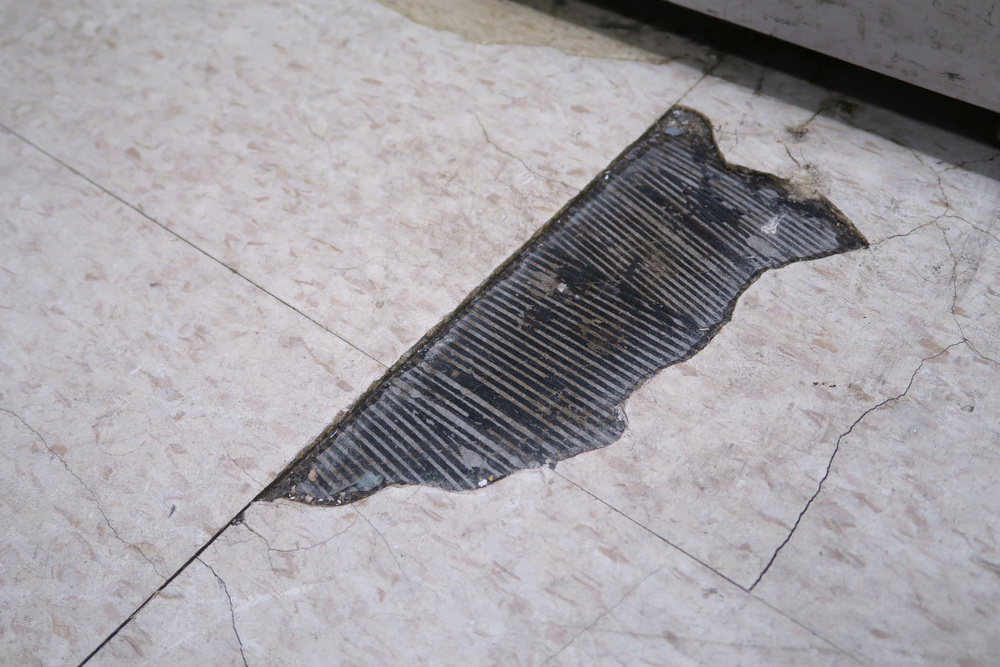
Asbestos floor tiles come in many colors. Common colors include gray, brown, and black. Some tiles may have a hint of red or green. These colors can make the tiles look old. Bright colors are rare for these tiles.
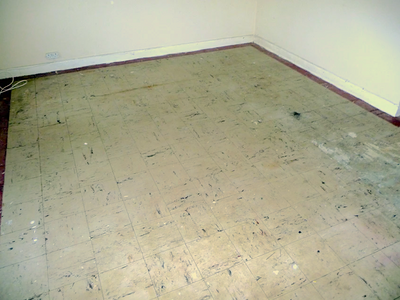
Many tiles have a speckled or marbled pattern. These patterns help to hide dirt and scratches. Plain tiles are less common. The patterns can make each tile look unique. Some tiles look like stone or wood.
Most asbestos tiles are 9×9 inches in size. Some can be 12×12 inches. The tiles are usually square. Rectangular tiles are not common. These tiles are thin and easy to lay down. They feel smooth to touch.
Common Materials Used
Asbestos floor tiles have a mix of different materials. Asbestos fibers are the main part. These fibers are strong and heat-resistant. They help the tiles last long. Chrysotile is the most common type. It is white and curly. This type is soft and easy to mix. Sometimes, Amphibole fibers are used. They are straight and stiff. These fibers are less common but still used. Both types make tiles durable.
Binding agents help hold the tiles together. Cement is a common agent. It makes the tiles hard and firm. Vinyl is another agent used. Vinyl makes the tiles flexible. It also gives a shiny look. Resin is sometimes used as well. Resin helps the tiles resist water. All these agents help in giving tiles their shape and texture.
Age And Installation Period
Asbestos floor tiles were common in the past. People used them from the 1920s to the 1980s. Builders liked their strength. They were cheap and lasted long. Homes and schools often had them. These tiles were popular before people knew the dangers. Asbestos is harmful if disturbed or broken. Always check old floors for safety.
Asbestos tiles were popular for many years. Here is a simple timeline:
| Year Range | Popularity |
|---|---|
| 1920s – 1950s | Very Popular |
| 1960s – 1980s | Commonly Used |
| 1990s onwards | Less Common |
Visual Identification Techniques
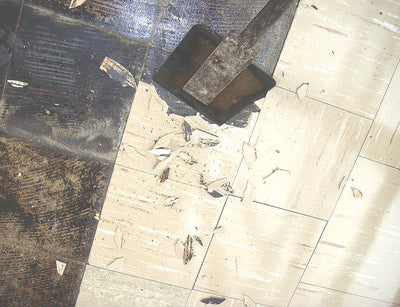
Asbestos tiles have a smooth surface. Sometimes they appear glossy. Pattern may look simple or have tiny speckles. Colors are often dull, like gray, brown, or black. Touching them feels hard and cold. These tiles usually have a uniform look. Edges might seem sharp or crisp.
Old asbestos tiles show wear signs. Cracks and chips are common. You might see scratches. Discoloration happens over time. Corners might start to curl. Stains can appear due to water or chemicals. Such signs mean tiles are aging.
Experts use special tools to check tiles. Microscopes help them see tiny fibers. Testing kits can show asbestos presence. Professionals know how to identify these tiles safely. They follow strict rules for checking. Their assessment is detailed and careful.
Safety Concerns
Asbestos is a harmful material. It can cause serious health problems. Breathing in asbestos fibers is very dangerous. It may lead to diseases like asbestosis and lung cancer. These fibers are tiny and hard to see. They can float in the air and be inhaled. Always be careful around old tiles. Many old tiles have asbestos. Protect yourself by knowing the risks.
Handling asbestos tiles needs care. Never break or damage the tiles. This can release fibers into the air. Always wear protective gear when near asbestos. Use a mask and gloves. Keep the area wet to prevent dust. Hire a professional for removal. They know how to do it safely. Do not try to remove tiles yourself. It’s risky and can harm your health.
Alternatives And Replacements
Modern flooring offers many safe choices. Vinyl flooring is popular and easy to clean. It comes in many colors and designs. Laminate flooring looks like wood but costs less. It is also strong and durable. Ceramic tiles are another option. They are easy to maintain and last long. These floors are safe and look nice.
Removing asbestos tiles needs care. Experts should do this job. They have special tools and suits. This keeps everyone safe. Disposing of these tiles is also important. They must go to special places. This stops them from harming people. Safety first!
Frequently Asked Questions
How Can I Identify Asbestos Floor Tiles?
Asbestos floor tiles often have a distinct, mottled pattern resembling a marbled look. They are usually 9×9 inches in size, but can also be found in 12×12 inches. Common colors include brown, green, and black. If unsure, it’s best to consult a professional for accurate identification.
Are Asbestos Floor Tiles Dangerous If Intact?
If left undisturbed, asbestos floor tiles pose minimal risk. The danger arises when tiles are damaged, releasing asbestos fibers into the air. These fibers can be harmful when inhaled. It’s crucial to handle them carefully and consult professionals for safe removal or encapsulation.
When Were Asbestos Floor Tiles Commonly Used?
Asbestos floor tiles were popular from the 1920s to the 1980s. They were valued for their durability and fire-resistant properties. Due to health risks, their use declined after the 1980s. Homes built or renovated during this period might still contain asbestos tiles.
Can I Remove Asbestos Floor Tiles Myself?
It’s not recommended to remove asbestos floor tiles yourself due to health risks. Improper handling can release hazardous fibers into the air. Hiring a certified asbestos abatement professional ensures safe removal. They follow strict regulations to minimize exposure and contamination.
Conclusion
Spotting asbestos floor tiles is crucial for safety. These tiles often appear old or worn. Look for tiles with a gray or dark tone. Sometimes they have specks or fibers visible. It’s wise to consult an expert if unsure. Proper identification helps prevent health risks.
Handling asbestos requires care and precision. Understanding tile appearance aids in making informed decisions. Protect your environment and health by checking tile materials. Stay informed and proactive about potential hazards. Awareness and caution are key. Always prioritize safety when dealing with asbestos materials.