Choosing the right direction to lay flooring is more than just a design choice—it’s a crucial decision that can transform the look and feel of your entire space. You might be wondering, does it really matter?
The answer is a resounding yes. The direction of your flooring can influence how spacious your room feels, how natural light plays across the surface, and even how the furniture complements the overall aesthetic. If you’ve ever felt unsure about this decision, you’re not alone.
Many homeowners face this dilemma, and making the right choice can add a touch of professional finish to your home. As you continue reading, you’ll discover practical tips and insights that will help you make the best decision for your flooring project, ensuring that your space not only looks stunning but also feels just right.

Factors Influencing Flooring Direction
The shape of a room can change how flooring looks. Long rooms might need flooring to go lengthwise. This makes the room feel bigger. In small rooms, laying the floor across can make it feel wider. Square rooms are versatile. Choose any direction for the floor. Diagonal patterns can add interest to any room shape.
Light affects how flooring appears. Natural light can highlight floors. If windows are big, lay floors towards the light. This makes the room feel open. Rooms with little light can use lighter floor colors. This helps brighten the space. Sunlight paths can also guide floor direction choices.
Current design elements play a role in floor direction. Furniture arrangement can guide this choice. Align floors with the main pieces. Wall patterns might suggest floor directions. Doorways can also influence layout. Choose directions that connect rooms smoothly.
Directional Patterns And Their Impact
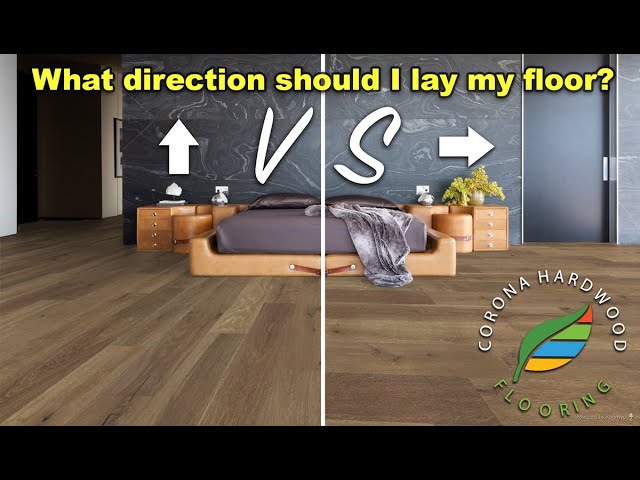
Horizontal flooring makes rooms look wider. It is good for narrow spaces. Vertical flooring makes rooms appear longer. This is ideal for short spaces. Both patterns change how a room feels. Choose based on the room shape.
Diagonal patterns add style to any room. They make floors look bigger. This pattern is not boring. It adds interest and depth. Diagonal laying needs more material. So, plan for extra cost. It is also harder to install. But the final look is worth it.
Chevron and herringbone designs are special. They create a zigzag look. Chevron has pointed ends. Herringbone looks like broken arrows. Both designs are elegant. They add a touch of class to any room. These designs need skill to install. But they look stunning when done right.
Expert Tips For Seamless Installation
Laying flooring along the longest wall helps rooms look bigger. It creates a smooth and flowing appearance. This method reduces the number of cuts needed. Fewer cuts mean less work and waste. This makes the installation easier.
Follow the light. Laying flooring in the direction of the main light source can enhance a room’s beauty. Light highlights the texture and color of the floor. It makes the room feel open and bright. A bright room feels more inviting.
Ensure a smooth transition between rooms. Use the same direction for a seamless look. It helps rooms connect naturally. This method avoids awkward changes in direction. Consistency is key for a unified home design.
Common Mistakes To Avoid
Ignoring room proportions can lead to an uneven look. Rooms can feel strange. For small rooms, narrow planks work best. Large rooms need wider planks. This keeps the room balanced and nice.
Overlooking subfloor preparation is another mistake. A clean, smooth surface is important. Dust and bumps cause problems. They make the floor uneven. Take time to clean and check the subfloor.
Neglecting moisture barriers can damage the floor. Water can seep in and ruin it. Use a moisture barrier to protect it. This keeps the floor dry and strong. Don’t skip this step for a safe floor.
Tools And Materials Needed
Choosing the right tools is vital. Use a tape measure to check room size. A carpenter’s square helps with straight lines. Get a chalk line for marking guides. A rubber mallet is good for gentle taps. Flooring spacers keep gaps even. A utility knife cuts flooring pieces. Safety goggles protect your eyes. Knee pads keep knees safe.
Different rooms need different flooring. Hardwood suits living rooms. Laminate is durable for kitchens. Tile is best for bathrooms. Carpet makes bedrooms cozy. Vinyl is versatile for basements. Consider style and function. Choose flooring based on needs. Look at durability and cost. Pick colors that match the room.
Start with cleaning the area. Remove old flooring. Sweep and mop the floor. Check for any damage. Fix holes or cracks. Level the surface. Use a leveling compound if needed. Measure the room dimensions. Plan the layout. Gather all tools before starting. Ensure good lighting. Keep the area clear and tidy.

Case Studies Of Successful Projects
Vertical laying makes small rooms look bigger. The lines draw eyes up. This trick is perfect for narrow spaces. Many people use it in hallways. Vertical patterns make rooms feel taller. A small bathroom can benefit too. It adds a sense of space and openness. This method works well with any flooring type.
Diagonal patterns add interest to open spaces. They create a flow from one area to another. This layout breaks up large rooms nicely. It adds a touch of style. Diagonal flooring is great for big kitchens. It can also work in living rooms. This pattern makes any open area unique.
Chevron designs bring a classic feel to historic homes. They mimic old-world charm. This pattern is both elegant and timeless. Many old homes use chevron for a vintage touch. It highlights the home’s rich history. Chevron patterns also add depth to rooms. These designs suit formal living areas well.
Frequently Asked Questions
Which Way Should Flooring Run?
Flooring should run parallel to the room’s longest wall. This creates a visually appealing and spacious look. It also aligns with natural light sources, enhancing brightness. Consider the main entrance’s direction for a welcoming feel. Each space may require different approaches based on its unique layout.
Is It Better To Lay Flooring Horizontally?
Laying flooring horizontally can make a room feel wider. It’s ideal for narrow spaces or hallways. This direction helps balance a room’s proportions. Consider your room’s shape and design goals. Horizontal layout often complements open floor plans well, providing a cohesive flow.
Does Flooring Direction Affect Room Appearance?
Yes, flooring direction significantly impacts room appearance. It can influence perceived size and flow. Correct direction enhances aesthetics and functionality. Choose based on room shape, light, and design style. Proper direction can create harmony and emphasize architectural features.
How To Decide Flooring Direction?
Decide flooring direction by assessing room shape and size. Consider natural light and traffic flow. Align with the longest wall for spaciousness. Consult with a flooring expert for tailored advice. Your personal style and room function should guide your decision.
Conclusion
Choosing the right direction to lay flooring matters. It impacts room appearance and feel. Consider room size, light, and design. Diagonal layouts add drama. Horizontal lines widen spaces. Vertical directions elongate rooms. Each choice affects your home’s look. Plan carefully for best results.
Test samples if unsure. Visualize before final decisions. Flooring transforms spaces. Make choices wisely. Consult experts for advice. Enjoy your new flooring journey. Happy decorating!