

Are you experiencing discomfort or tension in your lower abdomen? If you’ve been wondering why your pelvic area feels unusually tight, you’re not alone.
Many people don’t realize that tight pelvic floor muscles can significantly impact their overall well-being. This issue can lead to problems like pain, urinary difficulties, or even affect your intimate life. Understanding what causes these muscles to become tight is the first step to finding relief.
We’ll dive into the common triggers behind this condition, offering you insights that could be the key to easing your discomfort. Stick around, because unlocking this knowledge could transform your day-to-day life.
Anatomy Of The Pelvic Floor
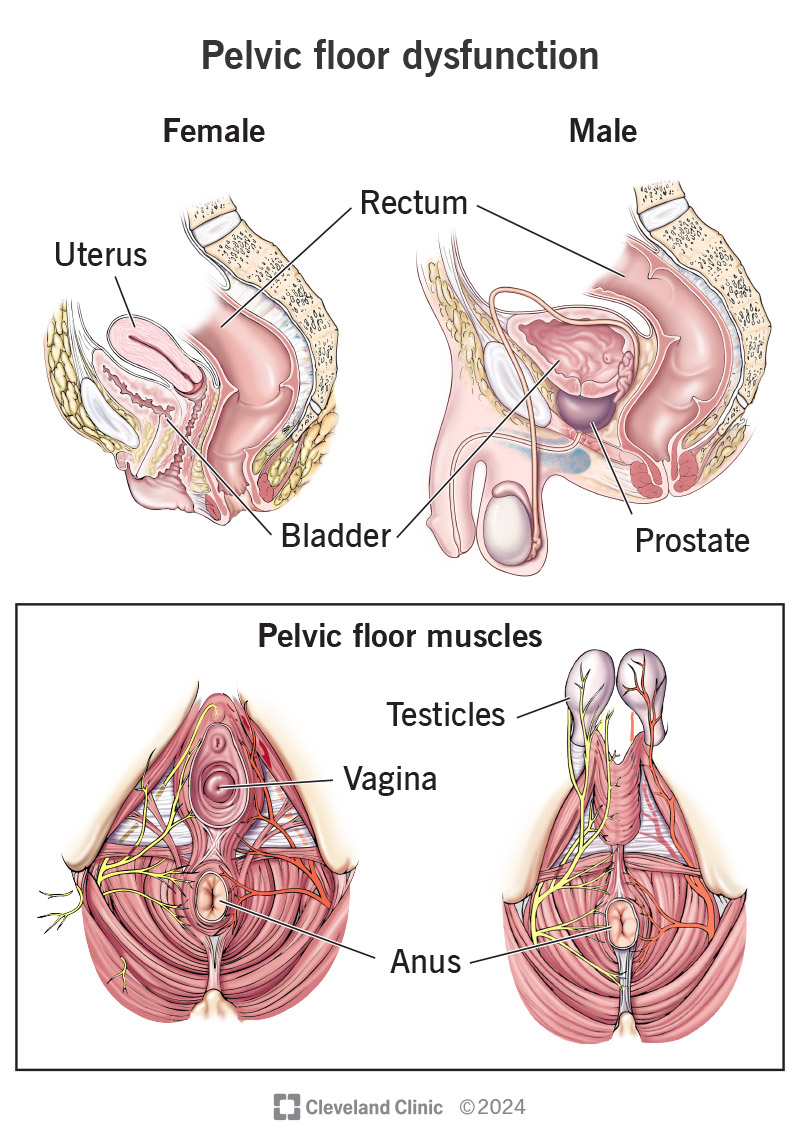
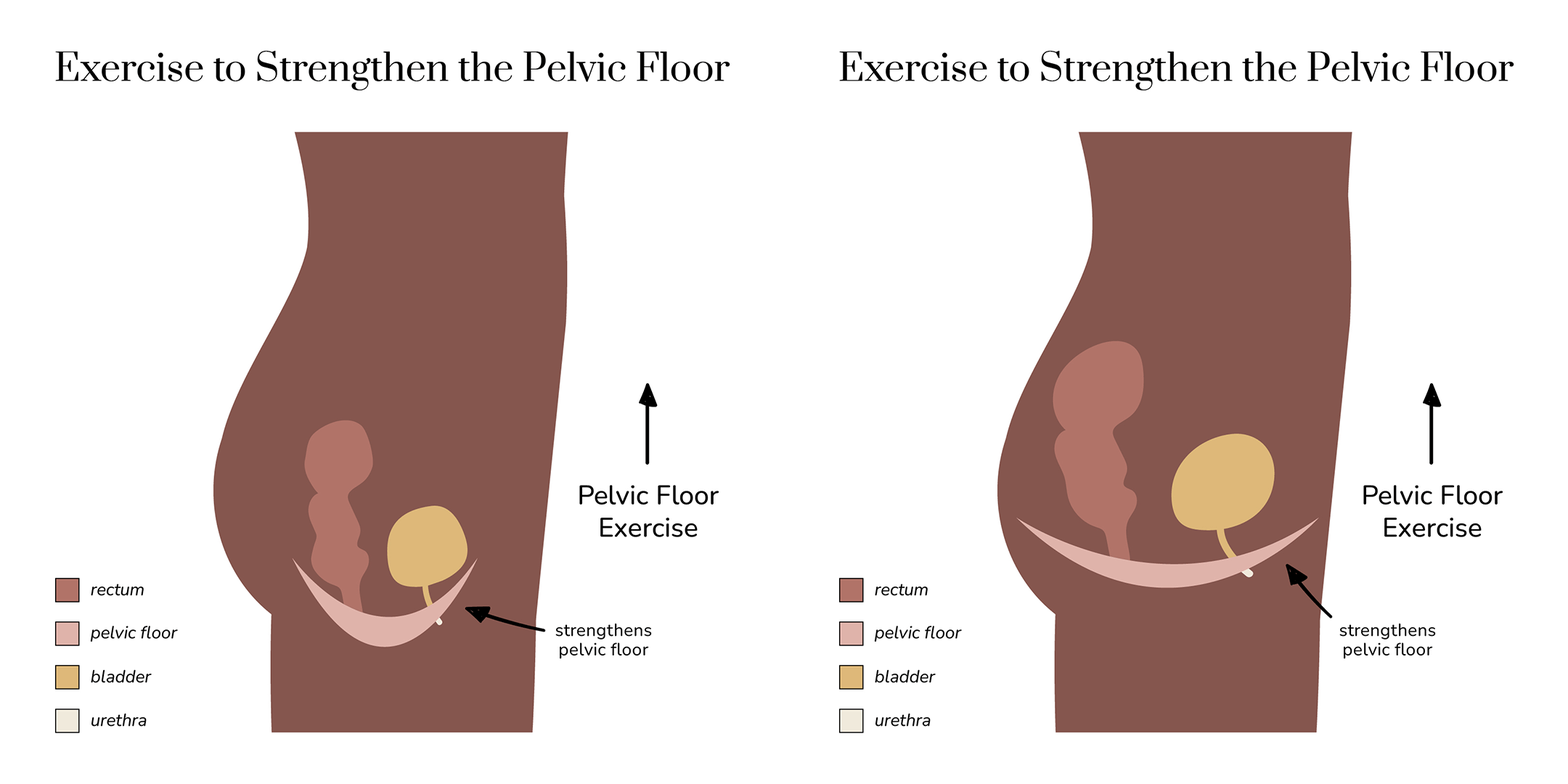
The pelvic floor is a group of muscles and tissues. These muscles form a bowl shape. They support the organs above them. The muscles can contract and relax. This helps in keeping the organs in place.
Pelvic floor muscles have many jobs. They control the bladder and bowel. They help in childbirth. Strong muscles prevent leaks. Weak muscles cause problems. Keeping them healthy is important.
Signs Of Tight Pelvic Floor Muscles
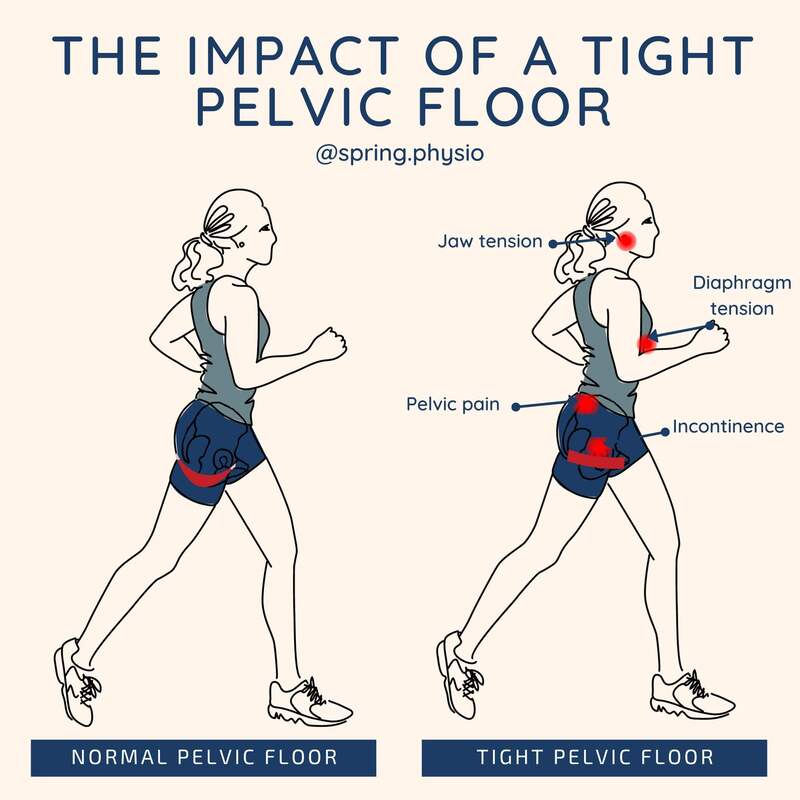
Many people feel pain in the lower belly. Others have trouble peeing or feel a need to go often. Some might feel pain during playtime activities. These signs can show that muscles are tight. Bloating is another sign. It makes the belly feel full.
Breathing might also be hard. A person might not take deep breaths. These symptoms can make anyone feel worried or sad. They might not enjoy time with friends and family.
Tight pelvic floor muscles can make life hard. People might skip fun activities. Simple tasks can be tough, like playing or running. Workdays can feel longer and harder.
Sleep might not feel restful. Waking up tired is common. This affects mood and energy for the day. With these challenges, it’s important to seek help. A doctor or therapist can offer ways to feel better.
Physical Causes
Injuries or trauma can hurt your pelvic muscles. Falls or accidents are common causes. Such events can make the muscles tight and sore. Even sports injuries can impact the pelvic area. The body reacts by making muscles stiff. This stiffness is a way to protect the area. But it can lead to chronic pain. A doctor can help with proper care. Treatment can ease the muscles.
Some people have conditions that last a long time. Arthritis is one such condition. It can make pelvic muscles tight. This happens because the body is trying to handle pain. Fibromyalgia is another condition. It causes pain all over the body. The pelvic area is not spared. Muscles become tight and tense. Relaxing these muscles can be hard. It’s important to get help from a healthcare provider. Proper treatment can help manage these conditions.
Lifestyle Triggers
Bad posture can make pelvic muscles tight. Sitting for long hours is harmful. Chairs that do not support back can cause pain. Standing too much can also be bad. Balance is important. Use a chair that helps your body. Keep your back straight. Avoid slouching. Make sure your desk is at the right height. Regular breaks help. Stretch your legs and back often. This keeps muscles relaxed.
Too much exercise can stress pelvic muscles. Overdoing workouts is not good. Lack of exercise is also bad. Muscles need to be active. Gentle exercises are helpful. Walking is a good choice. Swimming is also nice. Do not lift heavy weights often. Listen to your body. Rest is important. A mix of activity is best. Keep muscles healthy with balanced exercise.
Emotional And Psychological Factors
Stress and anxiety often contribute to tight pelvic floor muscles. Emotional tension can lead to muscle clenching unconsciously. Psychological factors like trauma or fear may also cause this muscle tension.
Stress And Anxiety
Stress can make pelvic muscles tight. A busy mind can affect the body. Worries can make muscles tense. Sometimes, not knowing the cause of stress is hard. Anxiety may add to the problem. These feelings make the body alert. Muscles may stay tight for a long time. Breathing can help relax them. Deep breaths calm the mind and body. It is like telling the body, “You can relax now.”
Impact Of Mental Health
Mental health plays a big role in muscle tension. Feeling sad or scared affects the body. The mind and body work together. Bad moods can make muscles tighter. Happy thoughts help muscles loosen. Talking to someone can help. Sharing feelings can ease the mind. This can make the body feel better too. A good mood can help muscles stay relaxed.

Hormonal Influences
Hormones can cause muscles to feel tight. Estrogen is one important hormone. It helps muscles stay relaxed. When estrogen levels drop, muscles may tighten. This can happen during menopause. Stress hormones like cortisol also play a part. High stress means more tension in muscles. Balance in hormones is key. It helps muscles stay loose and flexible.
Life stages affect muscle tightness. Puberty is one stage. Hormones change a lot then. Muscles may feel different. Pregnancy is another stage. The body changes quickly. Muscles work harder to support the baby. After childbirth, muscles need time to heal. Menopause is the final stage. Hormones drop, and muscles feel tight again. Each stage needs special care. This helps muscles stay healthy.
Medical Conditions
Many women suffer from endometriosis and fibroids. These conditions affect the pelvic area. Endometriosis causes tissue to grow outside the uterus. It can lead to pain and tight muscles. Fibroids are non-cancerous growths in the uterus. They can also cause muscle tension. Both conditions can make daily life hard. Pain and discomfort are common. It’s important to talk to a doctor. They can help manage symptoms.
Irritable Bowel Syndrome (IBS) affects the digestive system. It can cause stomach pain and bloating. IBS can also affect the pelvic floor muscles. This happens because of muscle tension and stress. People with IBS might feel uncomfortable. They may have a hard time relaxing. It’s good to find ways to reduce stress. Relaxation can help ease muscle tightness.
Diagnostic Approaches
Doctors ask questions about your symptoms. They check your medical history. These steps help find the problem. A physical exam might follow. This lets doctors feel any muscle tightness. They check how you move. They watch for pain signs. It’s like a puzzle. Doctors piece it together.
Sometimes pictures help doctors see inside your body. Ultrasound is a common test. It uses sound waves. This test shows how muscles work. MRI scans can show more details. These tests are safe. They help find tight muscles. Doctors use these tools to plan the best treatment.
Management And Treatment Options
Physical therapy can help relax tight pelvic floor muscles. Therapists guide patients through simple exercises. These exercises improve muscle function. They also reduce pain and discomfort. Patients learn how to breathe correctly. Proper breathing helps muscles relax. Therapists sometimes use biofeedback tools. These tools show how muscles are working. Patients get feedback on muscle movement. This helps them understand their bodies better.
Doctors may suggest medications to ease muscle tension. Pain relief pills are common choices. They can reduce soreness. Some patients might need muscle relaxants. These pills help muscles calm down. Doctors sometimes use injections for treatment. Injections target specific areas. They work quickly and provide relief. Other times, surgery might be needed. Surgery is for severe cases. It is a last resort option.
Frequently Asked Questions
What Are Tight Pelvic Floor Muscles?
Tight pelvic floor muscles refer to the over-contraction or tension in the pelvic area. These muscles support pelvic organs like the bladder and uterus. Tightness can lead to discomfort, pain, and issues with bladder control. Understanding this condition can help in seeking appropriate treatment and relief.
How Do Stress And Anxiety Affect The Pelvic Floor?
Stress and anxiety can lead to involuntary clenching of pelvic floor muscles. This tension can cause discomfort and pain over time. Managing stress through relaxation techniques can help alleviate these symptoms and maintain pelvic health.
Can Poor Posture Cause Tight Pelvic Floor Muscles?
Yes, poor posture can contribute to pelvic floor muscle tightness. Slouching or prolonged sitting can strain these muscles. Maintaining good posture supports pelvic alignment and can prevent discomfort. Incorporating posture-friendly habits into daily routines is beneficial.
How Does Exercise Impact Pelvic Floor Muscles?
Certain exercises can strengthen or strain the pelvic floor. High-impact activities may increase tension, while targeted exercises like Kegels help strengthen them. Balancing exercise routines with pelvic floor awareness is key to preventing tightness and discomfort.
Conclusion
Tight pelvic floor muscles can affect daily life. Stress and poor posture often contribute. Exercise like yoga or pilates can help relax muscles. Regular stretching improves flexibility. Talking to a healthcare provider is crucial. They offer guidance and treatment options.
Awareness of symptoms leads to better management. Lifestyle changes make a real difference. Consider dietary adjustments and hydration. Listen to your body and take action. Prioritize your health and well-being. Seek professional advice when needed. Understanding causes is key to relief.
Aim for balance and comfort in your routine. Your body deserves care and attention.