

Have you ever tackled a bathroom renovation or found yourself wondering about the seemingly small details that can make a big difference? One such detail is the placement of your toilet flange.
Should it be flush with the floor, or is there room for flexibility? This question might seem trivial, but the answer can have a significant impact on the functionality and longevity of your bathroom setup. Imagine the frustration of an unstable toilet or the inconvenience of leaks—both of which can stem from improper flange installation.
By understanding the right placement, you can avoid common pitfalls and ensure a hassle-free bathroom experience. We’ll delve into the specifics of toilet flange placement, empowering you with the knowledge to make informed decisions and achieve the perfect bathroom setup. Stick around to discover how a simple detail can transform your bathroom into a space of comfort and reliability.

Toilet Flange Basics
Toilet flanges are vital parts of plumbing systems. They connect toilets to drainpipes. They keep toilets stable. Without them, toilets might move. They also prevent leaks. Water stays in the pipes. Floors stay dry. Flanges ensure everything works well.
Purpose Of A Toilet Flange
Flanges serve important roles. They hold the toilet to the floor. This keeps the toilet from wobbling. Flanges also seal the toilet to the pipe. This stops bad smells. It prevents leaks. Water flows smoothly into pipes. Flanges help toilets work properly.
Materials Used For Toilet Flanges
| Material | Features |
|---|---|
| Plastic | Lightweight, easy to install, and affordable. |
| Metal | Strong, durable, lasts longer. |
| PVC | Resistant to corrosion, versatile. |

Installation Considerations
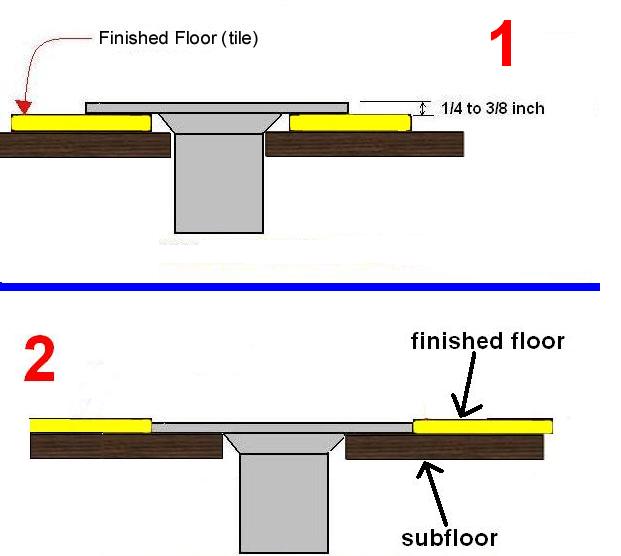
Ensuring the toilet flange is level with the floor is crucial. It prevents leaks and provides a stable base for the toilet. Proper alignment avoids costly repairs and ensures efficient operation.
Height Requirements
The toilet flange should sit at the right height. Optimal height is important for a good seal. The flange must be level with the floor. This helps prevent leaks. If the flange sits too high, the toilet may rock. If it’s too low, it may not seal properly. Check flange height before installing the toilet.
Common Installation Mistakes
Many make mistakes with toilet flanges. A common error is not leveling the flange. An unlevel flange can cause leaks. Another mistake is using the wrong size wax ring. A poorly sized wax ring may not seal well. Always choose the right size for a good fit. Some forget to secure the flange tightly. Loose flanges can lead to wobbling. Always check for secure connections.
Problems With Improper Flange Position
A toilet flange not flush can cause leaks. Leaks can lead to water damage. Floors can get wet and rot. Water can seep through gaps. Mold may grow in damp areas. Mold can make the air smell bad. It can also cause health issues. Keeping the flange flush helps prevent these problems.
A toilet may wobble if the flange is not even. An uneven toilet can be uncomfortable. It might even feel unsafe to use. Bolts may not hold tight. The toilet can move and cause more leaks. The floor might get damaged too. Fixing the flange can stop these issues.
Correct Flange Placement
The toilet flange must be placed correctly. It should be flush with the floor. First, measure the distance from the wall. Then, check the height. The flange must be even with the floor. Use a level tool to confirm this. Next, secure it tightly. Bolts are needed for this step. Make sure they are tight. This prevents leaks. Finally, attach the toilet. Ensure it sits straight on the flange. Now, test for leaks. Flush and check around the base.
- Level tool
- Measuring tape
- Wrench
- Screwdriver
- Bolts
Alternatives And Solutions
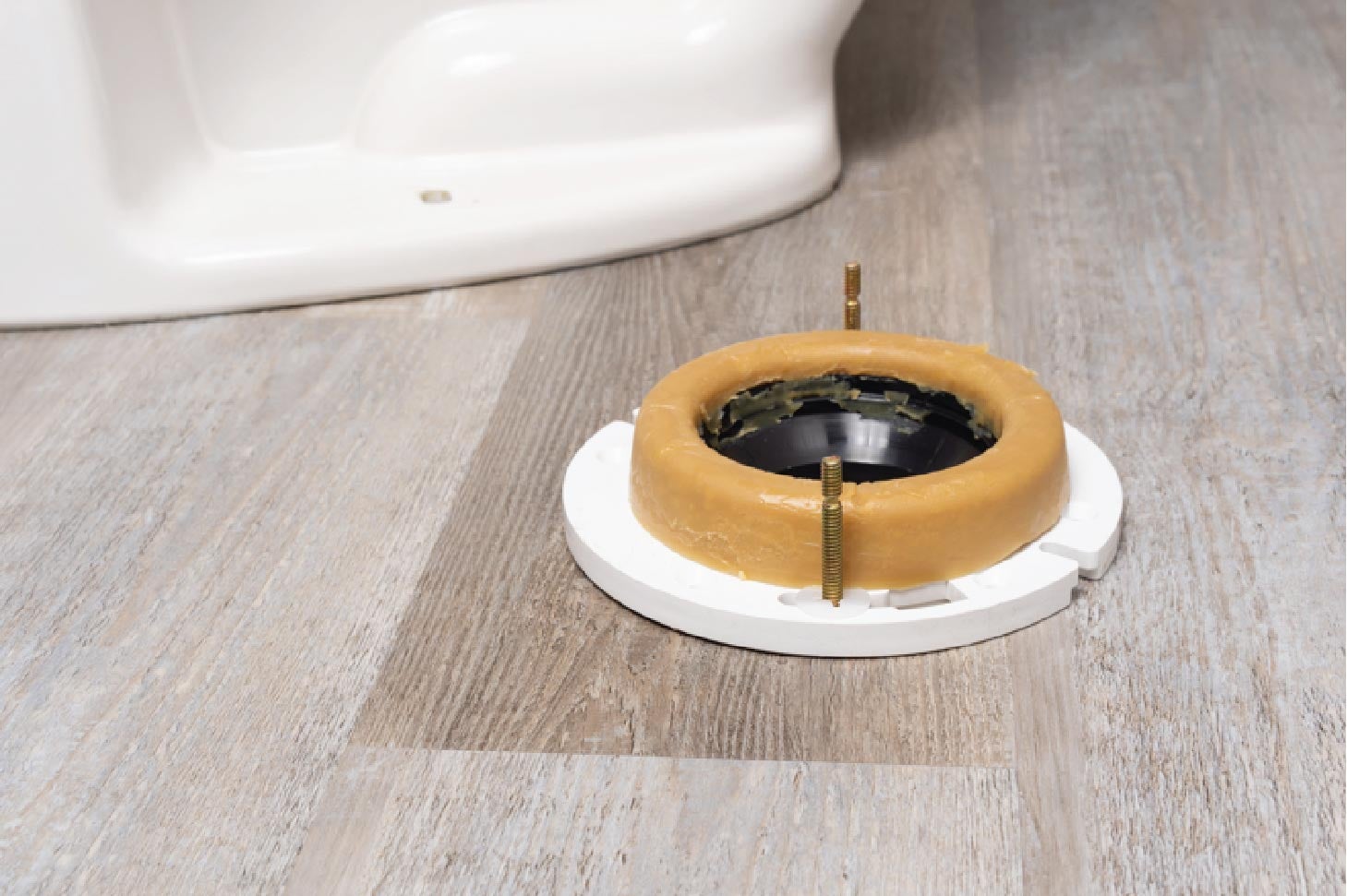
Flange extenders help when the toilet flange is not flush. They fill gaps and make the flange higher. Extenders are made from plastic or metal. They are easy to use. Just place them on top of the flange. Then, secure them with screws. This keeps the toilet stable. Extenders come in different sizes. Choose the right one for your toilet. A proper fit is important. It stops leaks and wobbles. Flange extenders solve many problems. They are quick and simple fixes.
Adjustable flanges are good for uneven floors. They can change height easily. Twist to make them higher or lower. This keeps the toilet level. Adjustable flanges are flexible. They work with different toilets. Many plumbers use them. They save time and effort. An adjustable flange is a smart solution. It fixes many toilet issues. No need to worry about gaps. This type of flange is strong. It provides a tight seal. Your toilet will stay in place.
Professional Advice
Plumbers know what a toilet flange needs. They check if it’s flush with the floor. Sometimes, the flange is too high or too low. A plumber can fix this. They use special tools and parts. Getting help saves time and stops problems. Leaks can be bad. So, let a plumber take a look.
Some people like DIY projects. If fixing the flange, be careful. Use a level to check the height. Measure twice. Cut once. For a low flange, add a spacer. For a high one, trim it carefully. Always check for leaks after. Safety first! Wear gloves and goggles.
Frequently Asked Questions
What Is A Toilet Flange?
A toilet flange is a plumbing component that connects the toilet to the floor and drain pipe. It ensures a secure fit and prevents leaks. Typically made of PVC or cast iron, it is crucial for proper toilet installation and function.
Should The Flange Be Level With The Floor?
Yes, the toilet flange should be level with the finished floor for a proper seal. A flush flange prevents leaks and ensures stability. If the flange is too high or low, it may cause installation issues and affect the toilet’s performance.
How Do You Install A Toilet Flange?
Installing a toilet flange involves securing it to the floor and connecting it to the drain pipe. Ensure it’s level with the finished floor. Use screws to fasten it, and check alignment for a tight seal. Proper installation prevents leaks and enhances toilet stability.
What Happens If The Flange Is Too High?
A flange that’s too high can cause improper toilet seating and potential leaks. It may lead to instability and wobbling of the toilet. Correcting this involves adjusting or replacing the flange to ensure it is flush with the floor for proper function.
Conclusion
Ensuring the toilet flange is flush with the floor is crucial. Stability matters for avoiding leaks and damage. A properly installed flange supports the toilet well. It prevents rocking and maintains hygiene. A flush flange simplifies installation and maintenance. Proper alignment protects floors and plumbing.
Make sure the flange sits evenly for peace of mind. Correct placement ensures a long-lasting fixture. Consider professional help if uncertain. An expert can ensure accuracy and efficiency. Remember, a sturdy toilet flange saves time and trouble. Invest in quality installation for a worry-free bathroom experience.