

Have you ever wondered if sleeping on the floor could be the secret to easing your back pain? You’re not alone.
Many people are curious about this simple, yet unconventional approach to improving their sleep quality and spinal health. It’s a question that invites intrigue and challenges our traditional beliefs about comfort and rest. If you’ve been tossing and turning on your plush mattress, desperate for relief, the idea of ditching it might seem radical but potentially rewarding.
This article will uncover the truth behind floor sleeping and its impact on your back. Could this minimalist approach transform your nights and rejuvenate your spine? Stay tuned, as you might discover the surprising benefits that could change the way you sleep forever.
Health Benefits
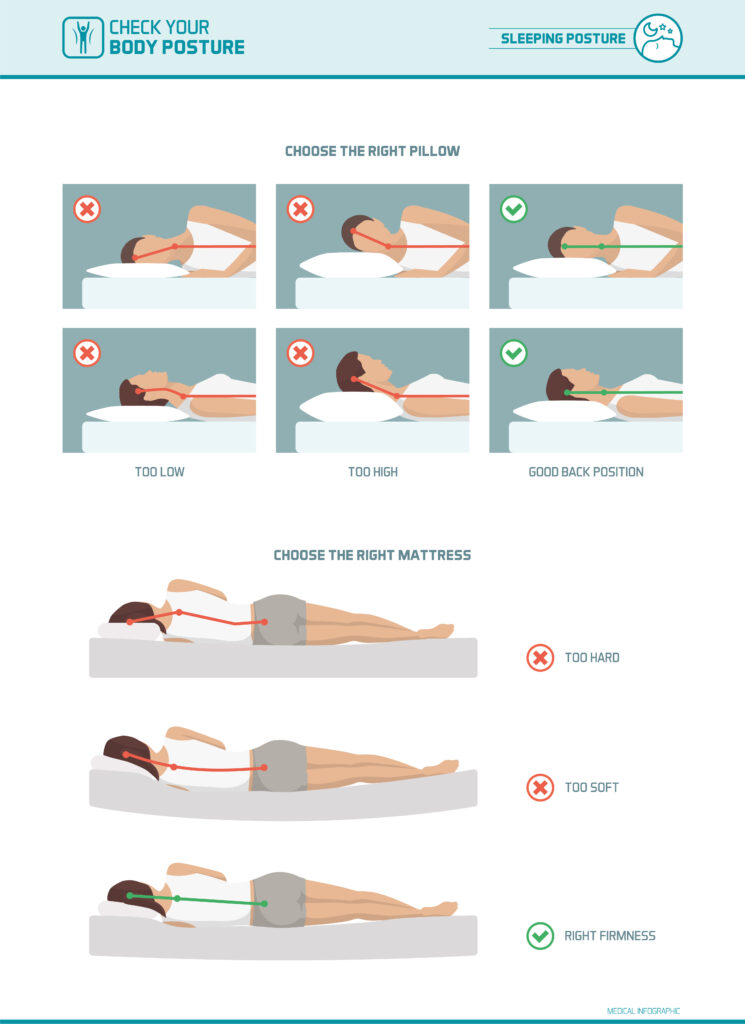
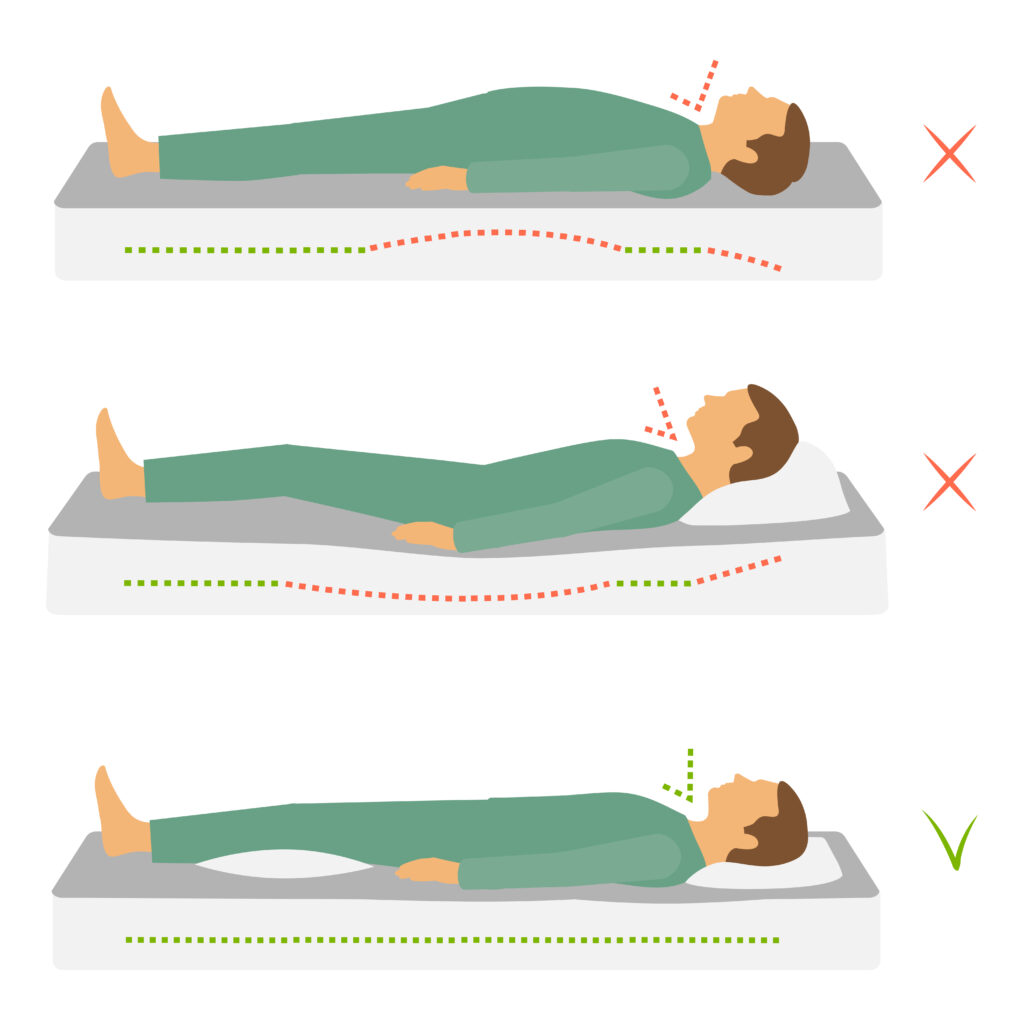
Sleeping on the floor helps keep the spine straight. A straight spine means better spinal alignment. This can ease back pain. The flat surface supports the back evenly. No sinking into a soft mattress. It keeps the spine in a natural position. This helps the body feel good.
People often slouch on soft beds. A firm surface makes it easier to keep a straight back. Good posture is very important. It helps the body stand tall and strong. It makes people feel more confident. A better posture is good for health and well-being.
Muscles can relax more on a flat surface. The body feels even pressure from head to toe. This helps muscles to rest and recover. Relaxed muscles mean less tension and stress. The body feels calm and peaceful. It is easier to sleep well.
Potential Drawbacks
Sleeping on the floor might cause discomfort due to hard surfaces. Lack of cushioning can lead to pressure points. It may not be suitable for everyone, particularly those with existing back issues.
Discomfort Issues
Sleeping on the floor can be very hard. The floor is not soft like a bed. Some people might feel pain in their back. Others may feel stiffness in the morning. A hard surface can make your body sore. It’s important to use a soft mat or blanket. It can help reduce discomfort.
Allergy Concerns
Dust and dirt often settle on the floor. This can cause allergies to act up. People who have allergies might sneeze more. They could also cough a lot. Keeping the floor clean is very important. A clean floor helps reduce allergy issues.
Impact On Sleep Quality
Good sleep is important for health. Sleeping on the floor might not be comfortable. It can make you wake up often at night. Poor sleep can make you tired during the day. It’s important to make sure you sleep well. A comfortable sleeping setup is key.
Scientific Perspective
Some studies show that sleeping on the floor might help the back. Hard surfaces can keep the spine straight. This might reduce back pain. People in some cultures sleep this way. They report fewer back issues. But not all research agrees. Some people need a softer bed for comfort. Scientists suggest trying what feels best for you. A hard surface might not suit everyone.
Many experts have different views on floor sleeping. Some doctors believe it helps posture. They say it keeps the spine aligned. But others caution against it. They worry about pressure on joints. Health experts suggest experimenting. Find what supports your back best. It’s important to feel comfortable. Comfort helps you sleep better. Good sleep is key for a healthy back.
Cultural Practices
Sleeping on the floor is a traditional practice in many cultures. Some believe it may help align the spine and reduce back pain. This simple habit might offer a natural way to enhance posture and comfort.
Traditional Sleeping Habits
Many people around the world sleep on the floor. In Japan, futons are popular. These are thin mattresses placed on the floor. Many believe this helps the back. In India, people often sleep on mats. These mats are made of natural fibers. They are said to keep the back straight.
Some cultures think sleeping on the floor is healthy. They say it keeps the body in a good posture. It may be more common in warmer countries. People in cold places might find it uncomfortable. The floor can feel hard and cold.
Global Perspectives
Across the globe, views on sleeping vary. In Western countries, beds are common. Beds are often seen as a sign of comfort. Yet, many are curious about floor sleeping. Some people try it for back pain relief. Others do it for better sleep. It can be a personal choice.
Different people have different experiences. Some find the floor too hard. Others find it just right. It’s important to listen to your body. Make sure you feel comfortable and safe. Trying new things can be a good learning experience.
Tips For Transition
Choosing a comfortable surface is important. A thick rug or mat can be helpful. The floor should be clean and smooth. Avoid surfaces that are too hard. Hard surfaces can cause discomfort.
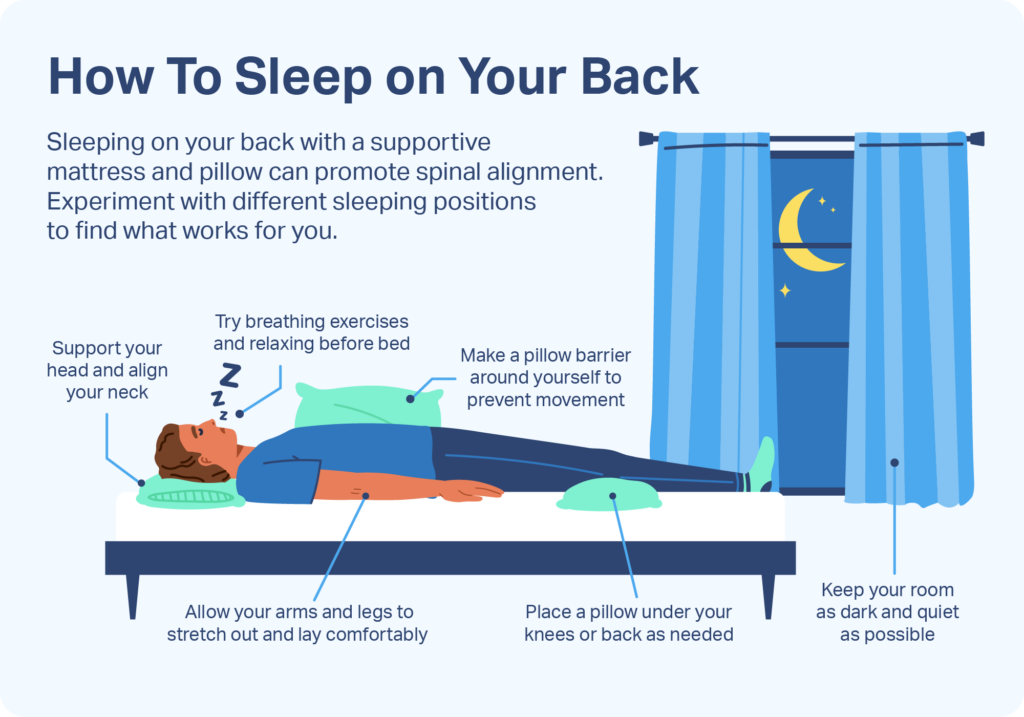
Pillows can provide extra support. Use them under your head and knees. A blanket can help keep you warm. Consider a cushion for added comfort. These items make the floor feel softer.
Start by lying on the floor for short periods. Gradually increase your time. This helps your body adjust. Listen to your body. Stop if you feel pain. Adjust slowly to avoid strain.
Personal Experiences
Many people share their stories about sleeping on the floor. Some say it helps their back feel better. They talk about feeling more comfortable and having less pain. Others mention that their back feels straighter. They wake up with more energy and less stiffness. Not everyone agrees, though. Some people find it too hard. They miss their soft beds.
Sleeping on the floor can be tough. It takes time to get used to it. Some people feel cold at night. Others might feel sore when they wake up. It is important to have a good mat or blanket. This can help make it more comfortable. It’s not for everyone. Some people need a softer bed for a good night’s sleep.
Many have found success in sleeping on the floor. They talk about improved posture. Some have less back pain now. They feel their back is straighter. People mention better sleep quality. They wake up feeling refreshed. For some, it is the best choice. Their backs are happy and healthy.
Alternative Options
Some people say sleeping on the floor helps their back. Mattresses are soft and cozy. Floor is hard and flat. This can make the back feel better. But, not everyone likes hard floors. Soft mattresses might feel better for some. It’s important to try both. See what feels best for your body. Listen to your back. It will tell you what is right.
Hybrid solutions are a mix of bed and floor. Use a thin mat on the floor. Or a firm mattress. This can be a good balance. Some people like a futon. It is soft but not too soft. Others try a yoga mat. It’s firm and easy to move. Experiment with what works. Your back will thank you.

Frequently Asked Questions
Is Sleeping On The Floor Beneficial For Back Pain?
Sleeping on the floor can provide a firmer surface that might support spine alignment and relieve back pain. However, it may not be suitable for everyone. Some people might find it uncomfortable or experience increased stiffness. It’s essential to consult with a healthcare professional before making significant changes to your sleep routine.
Can Floor Sleeping Improve Posture?
Sleeping on the floor may help improve posture by promoting spine alignment. It removes the risk of sinking too deeply, which can disrupt alignment. Nevertheless, it’s crucial to combine it with proper stretching and exercises. Individual results may vary, and comfort should be a priority.
Does Floor Sleeping Reduce Muscle Tension?
Floor sleeping can help reduce muscle tension by providing a supportive surface for the body. This firmness may prevent excessive sinking that can lead to tension. However, it might not suit everyone, and some might experience discomfort. It’s important to listen to your body and adjust as needed.
Is It Safe To Sleep On Hard Surfaces?
Sleeping on hard surfaces like the floor is generally safe but requires caution. It may offer alignment benefits but can cause discomfort or pressure points. Ensure you use proper padding, like a yoga mat or blanket, to enhance comfort. Consult a healthcare professional for personalized advice.
Conclusion
Sleeping on the floor can offer back relief. Some people find it helps posture. Others may experience discomfort without proper support. Try using a yoga mat or thin mattress. Experiment with positions for comfort. Listen to your body. Consider medical advice if pain persists.
Everyone’s spine is unique. What works for one might not work for another. Take time to adjust if trying this method. The decision is personal. Prioritize comfort and health. Sleep well for a healthier back.