
Have you ever wondered what role minimum wage plays in our economy? You might have heard it referred to as a “price floor,” but what does that mean exactly?
Understanding this concept is crucial for anyone interested in how wages affect businesses and workers alike. When you grasp the idea of a price floor, you’ll see how it influences everything from the job market to your paycheck. Dive into this article to uncover the truths behind minimum wage, and discover how it impacts your daily life and future financial landscape.
 Floor: Economic Insights”/>
Minimum Wage Basics
Minimum wage is the lowest pay allowed by law. Workers and employers must follow this rule. It helps many people earn a basic income. But some think it can cause problems. When businesses pay more, they might hire fewer people. Prices of goods could go up. Some say it helps workers live better. Others believe it might hurt small businesses. Understanding both sides is important. Knowing the effects can help everyone. Minimum wage laws vary by country. Each place has its own rules.
Learning about minimum wage is useful. It shows how money works in the real world. People can make better choices with this knowledge. It’s a topic that affects many lives. Everyone should know about it.

Price Floor Concept
A price floor is the lowest price for something. It is set by the government. This helps make sure prices don’t drop too low. A minimum wage is a type of price floor. It sets the lowest pay for workers. This helps workers earn enough money to live. But, it can also cause problems. Some businesses might hire fewer workers. This is because they have to pay more. Not everyone agrees with price floors. Some think they help people. Others think they make things worse. There are different views on this topic.
Economic Impacts Of Price Floors
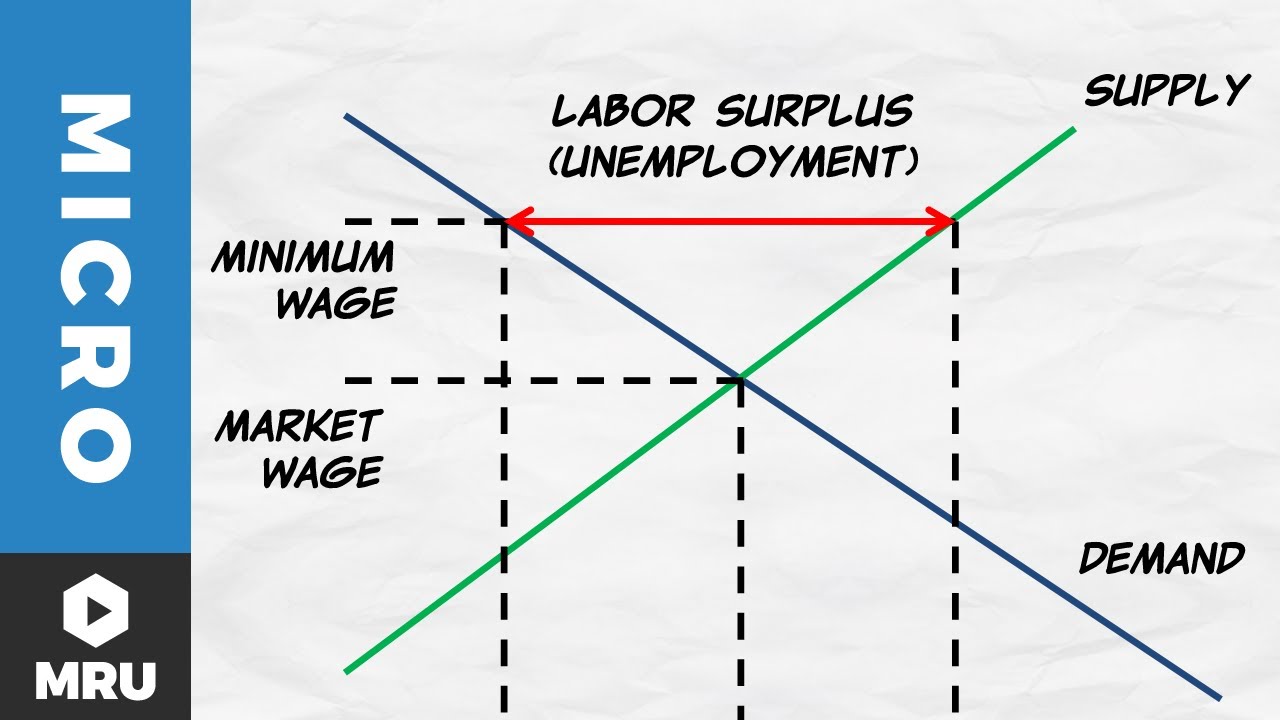
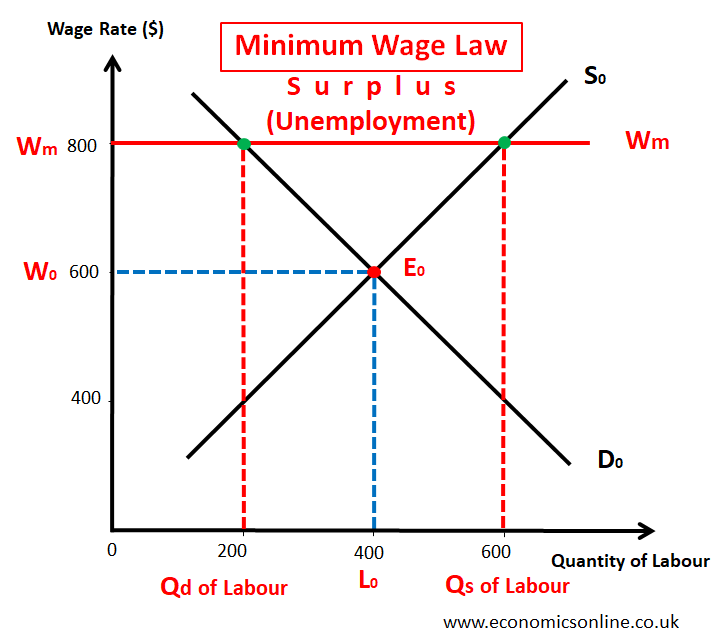
Price floors can cause market problems. Minimum wage is a type of price floor. It sets a lowest price for labor. This can lead to disequilibrium. In simple terms, it means things are not balanced. Workers want jobs. Businesses want to hire. But sometimes, the numbers don’t match. Too many workers, not enough jobs. This creates an issue.
A price floor can lead to surplus labor. This means more people want to work than there are jobs. Businesses may hire fewer workers. They have to pay more per hour. Not everyone will find a job. This can lead to unemployment. People want to work, but can’t. This is a big problem. It affects many families.

Minimum Wage As A Price Floor
Minimum wage sets the lowest pay workers can get. It acts as a price floor in the economy. This prevents pay from going below a certain level. Laws protect workers from unfair low pay. Economists argue about its effects. Some say it helps workers earn more. Others believe it might cause job loss. Businesses might hire fewer workers. They do this to save on costs. Balance is key in setting minimum wage. Too high or low can affect jobs and prices. Policymakers consider many factors. They try to set a fair wage. This helps both workers and businesses.
History shows changes in minimum wage over time. Many countries started setting it in the 20th century. They aimed to protect workers from poor wages. Over the years, the amount has increased. This is due to inflation and living costs. Each increase had impacts on the economy. People argue about its benefits and downsides. Debates continue on the best level for minimum wage. Changes reflect economic needs and conditions. Governments adjust it to match modern living standards.
Case Studies
Minimum wage laws in the US aim to protect workers. These laws set a price floor for hourly wages. Businesses must pay at least this amount. Sometimes, it leads to fewer jobs. Some small businesses struggle with the higher costs. Critics say it can hurt employment. Supporters believe it helps workers earn a fair pay. The debate continues today.
Many European countries have their own minimum wage policies. Some set a national wage floor. Others allow regions to decide. The goal is worker protection. Some countries see more job opportunities. Others face job losses. It depends on how high the wage is set. The impact varies from country to country. The question remains: Does it help or harm? Different opinions exist.
Pros And Cons
Minimum wage helps workers earn more money. This can lead to a better life. Families can buy more food and clothes. Children can go to school. Workers feel more valued. They might work harder. They can save money for the future. Many workers feel happy with a higher wage. It gives them hope.
Employers face more costs with higher wages. They might need to raise prices of goods. Some businesses might hire fewer workers. They could also reduce working hours. Small businesses may struggle the most. They have less money than big companies. Some might even close. Employers need to think carefully about their budget.
Alternatives To Minimum Wage
Many workers earn less than they need. A living wage pays them enough to meet basic needs. This is more than just food and shelter. It includes health care and education too. Companies and governments can set living wages. Workers feel safer and happier with this. It helps them provide for their families. Businesses benefit too. Happy workers are more productive. They work better and stay longer in jobs.
The Earned Income Tax Credit (EITC) helps low-income workers. It reduces their taxes. Some get a refund if their credit is bigger than taxes owed. This puts more money in their pockets. Families with children get more credit. The EITC encourages people to work. It supports those earning low wages. More earnings mean more credit. This helps them live better.
Future Considerations
Exploring the concept of minimum wage reveals its role as a price floor in economics. It sets a legal minimum for workers’ pay, impacting employment and market dynamics. Future considerations focus on balancing fair wages and potential job loss.
Policy Developments
Minimum wage policies may change in the future. Governments may increase the minimum wage. This can help workers earn more money. But businesses might face higher costs. Some businesses might hire fewer workers. Others might raise prices. It is important to watch these changes. Policy makers need to balance the needs of workers and businesses.
Economic Trends
Economic trends can affect minimum wage. Sometimes the economy grows fast. More jobs are created. Then, wages can rise naturally. But in a slow economy, job growth may stop. This can make it hard for workers. People may struggle to find jobs. The minimum wage helps them earn a basic income. Watching economic trends is important for future planning.
Frequently Asked Questions
What Is A Price Floor In Economics?
A price floor is a minimum price set by the government. It prevents prices from dropping below a certain level. This is used to ensure fair wages or prices for producers. The minimum wage is a common example of a price floor.
How Does Minimum Wage Affect Employment?
Minimum wage can influence employment in various ways. While it ensures fair wages, it might lead to reduced hiring. Employers may cut jobs or reduce hours to offset costs. However, it can also boost worker morale and productivity.
Why Is Minimum Wage Considered A Price Floor?
Minimum wage is a price floor because it sets the lowest legal pay rate. It ensures workers receive a fair wage above poverty levels. This government intervention helps stabilize income for low-wage workers.
What Are The Benefits Of A Minimum Wage?
Minimum wage provides several benefits. It helps reduce poverty and narrows income inequality. Workers receive fair compensation, boosting their purchasing power. It can also lead to improved worker satisfaction and productivity.
Conclusion
Minimum wage acts as a price floor in labor markets. It sets a base pay rate for workers. This ensures employees earn a fair wage. Yet, it can impact businesses and employment levels. Some argue it helps reduce poverty. Others believe it may lead to job losses.
The debate continues around its effects. Understanding both sides is crucial. This helps in forming informed opinions. Minimum wage policies should aim for balance. They need to support workers while sustaining economic growth.