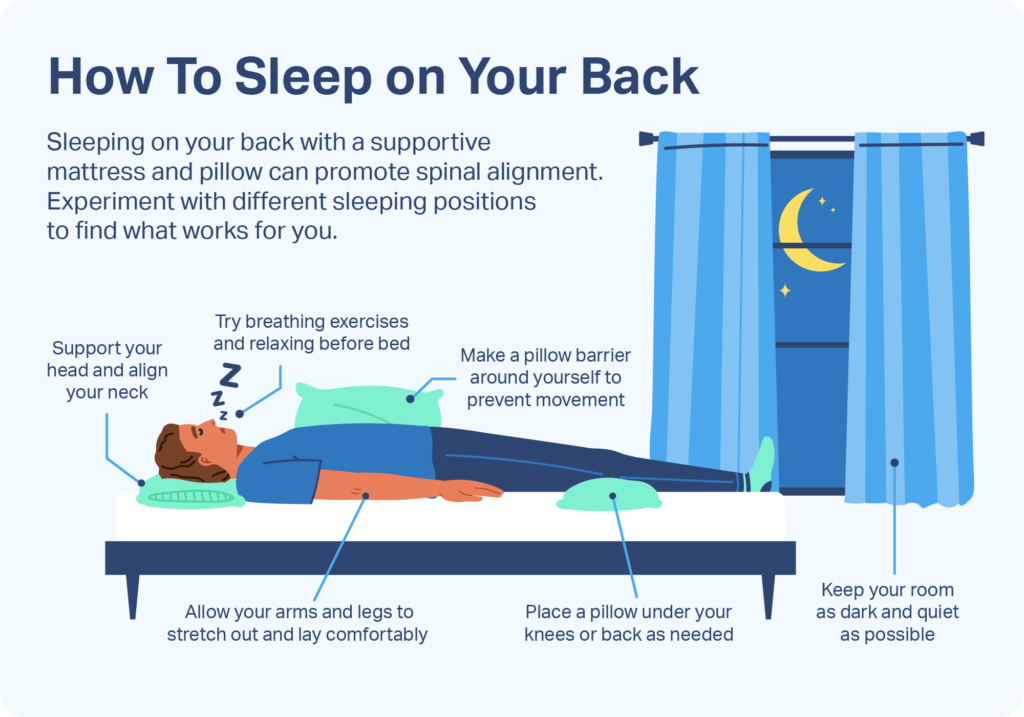

Have you ever wondered if sleeping on the floor is actually bad for you? You might have heard differing opinions on whether it’s a healthy habit or not.
Perhaps you’ve even tried it yourself, hoping to improve your sleep quality or ease back pain. Whatever the reason, understanding the effects of sleeping on the floor is important for your well-being. This article will explore the surprising benefits and potential drawbacks of this sleeping style.
You’ll discover insights backed by research and expert opinions, allowing you to make informed decisions about your sleeping habits. Keep reading to find out if sleeping on the floor is a hidden gem for your health or a practice best avoided.
Benefits Of Floor Sleeping
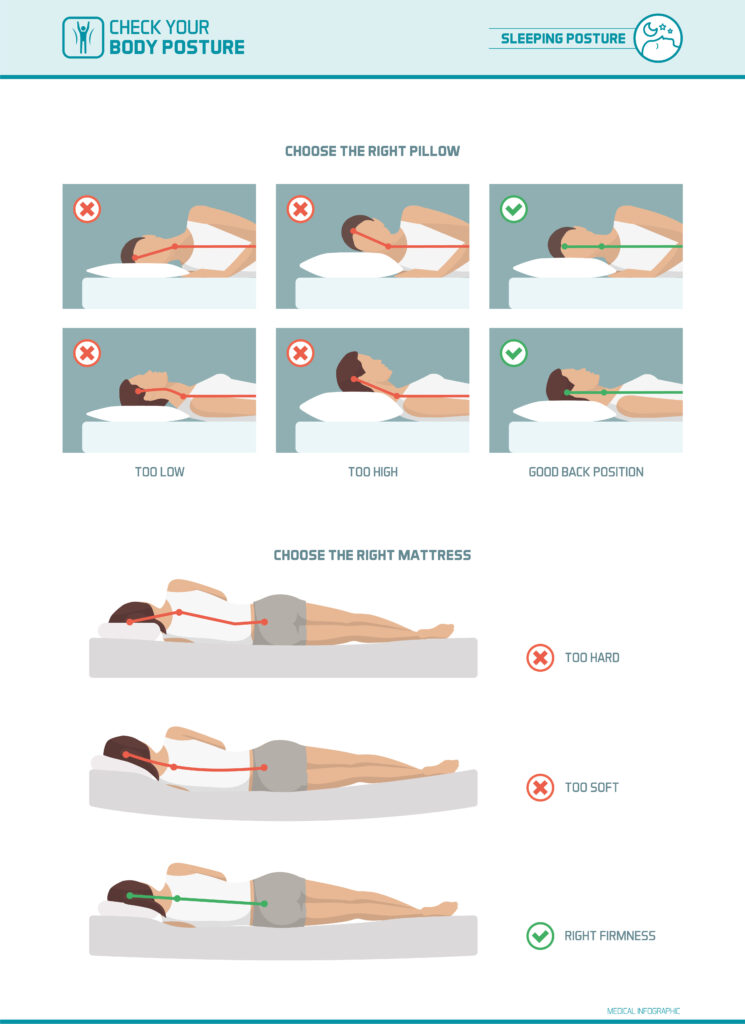
Sleeping on the floor can help with spinal alignment. A hard surface keeps the back straight. No sinking into a soft mattress. This can lead to a more natural spine position. A straight spine may reduce back pain.
Floor sleeping might improve posture. Sitting all day makes shoulders slump. Lying on a firm floor can help counter this. It encourages a straighter back. A better posture means fewer aches.
Some people find pain relief sleeping on the floor. A firm surface reduces pressure points. Less pressure means less pain. It can be soothing for those with back problems. Always consult a doctor for persistent pain.
Potential Drawbacks
Sleeping on the floor can be uncomfortable. Hard surfaces may cause pain. Your body may form pressure points. These are spots that hurt after a while. Soft beds help avoid this pain. But floors are not soft. This makes sleeping hard for many.
Floors collect dust and dirt. Allergies can get worse from this. Dust can cause sneezing and itchy eyes. Sleeping near the floor can make it worse. Carpets trap dust even more. Hard floors are easier to clean. But dust can still be a problem.
Floors can be very cold. This makes sleeping on them uncomfortable. In summer, they might feel cool. But in winter, they are cold. Your body needs to stay warm. Cold floors make it hard to sleep well. Warm blankets can help some. But floors stay cold longer.
Cultural Perspectives
Sleeping on the floor has a long history. Many cultures have done this. In Japan, people use tatami mats. These mats are made of straw. They are soft and comfortable. In Africa, some tribes sleep on animal skins. These skins are spread on the ground. This practice is very old. It connects people to nature. In ancient times, people believed it was healthier. They thought it improved posture.
Today, some people still sleep on the floor. They believe it helps with back pain. Many use yoga mats or foam pads. These are softer than hard floors. Some use thin mattresses. These are also called futons. They are common in Asia. Modern homes have carpeted floors. This makes floor sleeping more comfortable. People now look for ways to stay healthy. Floor sleeping is one such way.
Health Considerations
Young people may find floor sleeping fine. Their bodies are flexible. Older adults may face issues. Stiff joints can hurt. Getting up may be hard. Mobility problems can arise.
Those with back pain might avoid the floor. Hard surfaces can worsen aches. Arthritis sufferers may feel discomfort. Breathing issues need soft beds. Floor sleeping isn’t ideal for everyone.
Talking to a doctor is wise. They know your health best. Advice can help decide. A doctor can check your condition. They offer safe sleeping tips. Professional guidance is key.
Tips For Floor Sleeping
Select a clean area with a smooth surface. Avoid hard floors like tile. Use a yoga mat or a thick rug. These provide some comfort. A soft blanket or thin mattress can help too. Test different surfaces. Find what feels best for your body.
Pillows can be helpful. Place a small pillow under your head. A rolled towel under your knees can reduce pressure. Consider using a blanket for warmth. Some people prefer a body pillow. It supports the side and back. Always choose accessories that bring you comfort.
Start by sleeping on the floor for a short time. Try it for naps first. Gradually increase the time spent on the floor. This helps your body adjust. You might feel sore at first. This is normal. Listen to your body. Don’t force if it feels uncomfortable.
Frequently Asked Questions
Is Sleeping On The Floor Bad For Your Health?
Sleeping on the floor isn’t inherently bad, but it may not suit everyone. It can promote spinal alignment for some, reducing back pain. However, individuals with joint issues or those who prefer softer surfaces might find it uncomfortable. Always consider your personal health needs before making the switch.
Can Sleeping On The Floor Cause Back Pain?
Sleeping on the floor can reduce back pain for some by promoting better posture. However, if the surface is too hard, it might lead to discomfort or exacerbate existing pain. It’s important to ensure proper support and experiment with different sleeping positions to find what feels best.
Does Sleeping On The Floor Improve Posture?
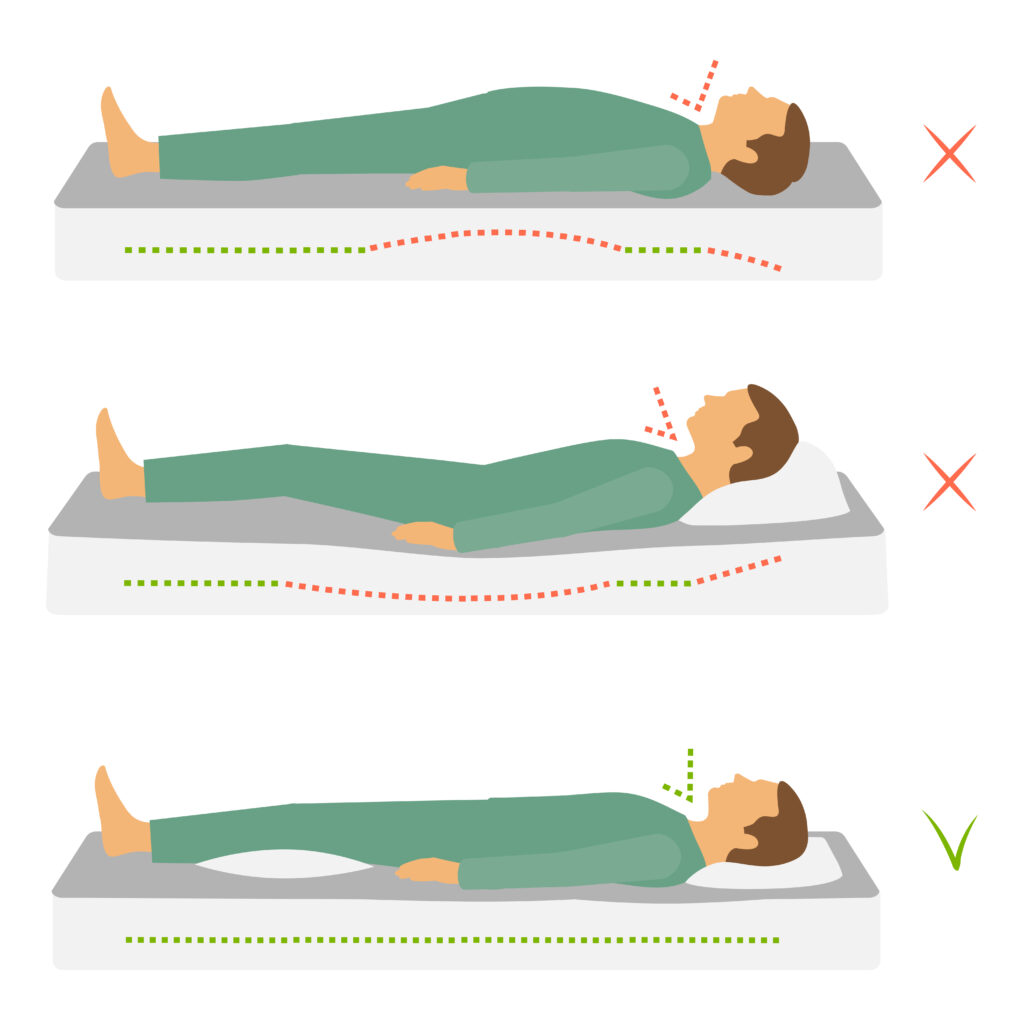
Sleeping on a firm surface like the floor can help improve posture by aligning the spine naturally. It encourages a straight sleeping position without the excessive sinking that mattresses can cause. Ensure your head and neck are properly supported to maximize the benefits for posture improvement.
Is It Comfortable To Sleep On The Floor?
Comfort varies among individuals when sleeping on the floor. Some find the firm surface beneficial for back support, while others miss the plushness of a mattress. Adding a thin mat or sleeping bag can enhance comfort without sacrificing the potential benefits of floor sleeping.
Conclusion
Sleeping on the floor has benefits and drawbacks. It can improve posture. Some find it uncomfortable and cold. Comfort varies between individuals. Health conditions like arthritis need softer surfaces. Experimentation helps find what’s best for you. Safety comes first, so ensure a clean sleeping area.
Consider cultural practices and personal preferences. Listen to your body. It knows what feels right. Adjust your sleeping habits based on your needs. Keep trying until you find comfort. Sleep is crucial for health. Prioritize a restful night’s sleep. It’s essential for wellness and energy.
Choose wisely for better sleep quality.