

Are you in the middle of a home renovation or hunting for your dream house? You’ve probably come across the term “floor plan.”
But wait, is it “floor plan” or “floorplan”? This might seem like a minor detail, yet it can influence how you search for information online or even communicate with professionals. Understanding whether “floor plan” is one word or two can save you time and ensure you’re on the same page with architects, designers, and real estate agents.
Curious to know the answer? Let’s clear up this linguistic puzzle and explore why it matters for you. Stick around, and you might just find some surprising insights that could change how you think about your space.

Grammar Rules In Compound Words
Compound words can be tricky. Some are one word. Others are two words. Floor plan is a good example. It is two words. Understanding compound words is important. Correct spelling helps in writing. Many people get confused. They mix up words. Some words change over time. New words are created. Always check a dictionary. Dictionaries are helpful tools.
Knowing the right form is important. It makes writing clear. Readers understand better. Practice makes perfect. Keep learning about words. Words are fun and interesting. Enjoy playing with them. Knowledge grows with practice. Learning never stops. Words connect people.
Etymology Of Floor Plan
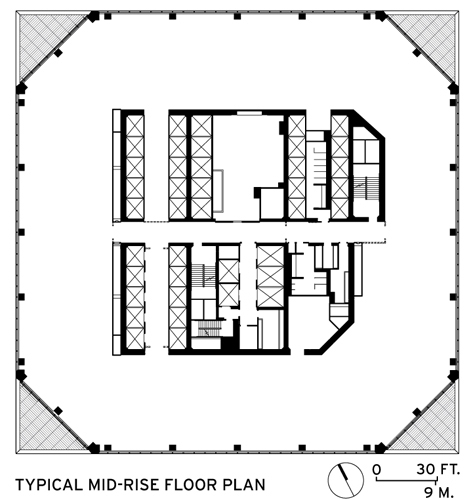
The term “floor plan” has an interesting history. It comes from two separate words. “Floor” refers to the bottom surface of a room. “Plan” represents a detailed drawing of a space. Together, they describe a layout of rooms in a building. This helps in understanding the space and design. Architects and designers use floor plans often. They are crucial for building and decorating homes. Over time, people started using “floor plan” more. Some wondered if it should be one word. But it stayed as two words. This is because it combines two distinct ideas. Understanding these words helps in better design.
Common Usage In Real Estate
Floor plans help people see the layout of a building. They show rooms and spaces from above. Many use them to plan home designs. Builders use them to make houses and offices. They help in knowing where walls and doors go.
In real estate, a clear floor plan is important. It helps buyers see property details. This makes selling easier. Agents use them to show room sizes and layout. They make decisions quick and easy. A good floor plan can help a house sell faster.
Influence Of Digital Media
Digital media changes how we see floor plans. Online platforms show detailed designs quickly. People learn about spaces with just a click. Virtual tours let you walk through homes. This tool helps without being there. Builders use digital tools to design. These tools make work faster and easier. Designers share plans online. This sharing reaches many people. Buyers understand plans better with images. Clear images make decisions easier. Real estate sites use floor plans. These sites help buyers choose homes. Easy access to plans saves time. Plans are easy to change and share. Digital media makes it all possible.
Perspectives From Linguists
Linguists study how words change over time. Floor plan is two words. Language experts say it should stay that way. Some words join together over time. For example, “notebook” was once two words. But floor plan has not merged yet. It stays as two separate words in English. Words can change, but not all do. Linguists look at how people use words. They see patterns. They help decide if words should merge or stay apart. Most agree that floor plan is best as two words. This helps keep the meaning clear. Keeping it as two words helps people understand it better. Experts watch how words change. They help guide how we write them. This helps everyone communicate better.
Impact On Communication Clarity
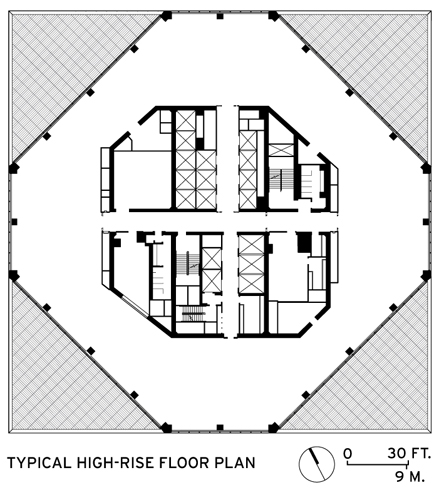
Using “floor plan” as one word or two can change meanings. A clear floor plan helps builders and buyers. It shows the layout of a building. If the term is unclear, it may lead to misunderstandings. This can cause errors in building design. Builders need to know the exact layout. Buyers also need clarity to know what they are buying.
Understanding the correct term is key. Clarity in communication helps avoid costly mistakes. Everyone involved should know what “floor plan” means. This ensures everyone is on the same page. A clear term helps all parties understand the building structure.
Comparative Analysis With Similar Terms
The term “floor plan” often confuses people. Some think it is one word. Others write it as two words. Let’s compare it with similar terms. Blueprint is another term used in building design. It is one word. Site plan is like floor plan. But it is about outside spaces. Layout is a simpler term. It means how things are arranged. Many people use it in different fields. Diagram is also similar. It shows information with pictures or symbols. These terms help us understand spaces better. Each term has its own use. They are not the same but are related. Using the right term is important.
Evolution Of Language In Professional Jargon
The term floor plan often puzzles many. In the past, phrases were simple. Over time, language evolved. Professionals started using terms differently. Jargon changed to match needs. Today, some say floorplan is one word. Others use two. Language adapts in different fields. Architects use specific terms. They need clarity. So, they decide on floor plan. Language is fluid. It changes with usage. In business, terms shift fast. Professionals adapt quickly. They need words that fit. This keeps communication clear. The choice of using one word or two depends. It depends on the context. And the audience.
Frequently Asked Questions
Is “floor Plan” One Word Or Two?
“Floor plan” is typically written as two separate words. It’s used to describe a scaled diagram of a room or building viewed from above. The term is commonly used in real estate and architecture to provide a visual layout of spaces.
What Is The Purpose Of A Floor Plan?
A floor plan provides a visual representation of a building’s layout. It helps in understanding the arrangement of rooms, spaces, and other physical features. Floor plans are essential for design and construction, offering a clear overview of spatial relationships.
How Do Floor Plans Benefit Home Buyers?
Floor plans help home buyers visualize the layout of a property. They provide insights into the flow and space distribution within a home. This aids in making informed purchasing decisions by allowing buyers to assess if a property meets their needs.
Can I Design My Own Floor Plan?
Yes, you can design your own floor plan using various tools. There are software applications available that allow you to create detailed plans. These tools offer features for customization, making it easier to visualize and plan spaces according to your preferences.
Conclusion
Choosing between “floor plan” or “floorplan” can be tricky. Both forms appear in various contexts. Consistency is key in your writing. Use one form throughout your document. Check your target audience’s preference. Different regions might favor one over the other.
The meaning remains the same. It’s about clarity and uniformity. Remember, simple language aids understanding. Always prioritize reader comprehension. The goal is clear communication. Whether you write “floor plan” or “floorplan,” ensure it fits your style. Keep your audience engaged.
Happy writing!