

Are you dealing with a stubborn basement floor drain that’s refusing to cooperate? You’re not alone.
A clogged drain can quickly turn from a minor nuisance into a major headache, disrupting your daily routine and even posing potential water damage risks. But don’t worry—there’s hope! You can tackle this common household issue without calling in a pricey professional.
In this guide, you’ll discover simple, effective methods to unclog your basement floor drain. Imagine the relief and satisfaction you’ll feel when water flows freely again, knowing you solved the problem yourself. Let’s dive into these practical solutions and reclaim your peace of mind.
Identifying The Problem
Water is slow to go down the drain. You might see puddles forming. A strange smell might fill the basement. This smell can be unpleasant. Sometimes, you hear gurgling sounds from the drain. These are all signs of a clogged drain. Watch out for these signs.
Hair and soap can block drains. Sometimes, leaves and dirt get inside. Grease from cooking can stick inside pipes. Small toys can accidentally fall in. Even paper towels and wipes can cause issues. All these can create a clog. Keep these items out of the drain.
Safety Precautions
Always wear gloves to keep your hands safe. Goggles protect your eyes from splashes. Use a mask to avoid breathing in any fumes. Wear long sleeves and pants to cover your skin. Proper gear keeps you safe while working.
Read the labels on chemical bottles. Follow the instructions carefully. Never mix different chemicals together. It can cause dangerous reactions. Work in a well-ventilated area to avoid inhaling fumes. Store chemicals in a safe place away from children.
Initial Drain Cleaning Methods
A plunger is a simple tool. It can clear clogs easily. Place the plunger over the drain. Ensure a tight seal forms. Push down firmly. Then pull up quickly. Repeat several times. This helps dislodge the clog. Water should start to flow. If water drains slowly, try again. Persistence is key. Keep trying until the drain clears.
Boiling water can clear minor clogs. Heat water until boiling. Carefully pour it into the drain. Pour slowly to avoid splashes. Boiling water breaks down debris. It helps move the clog. Wait a few minutes. Check if the water drains well. If not, repeat the process. Sometimes repeated attempts are needed. Always handle hot water with care.
Advanced Cleaning Techniques
Use a drain snake to clear blockages. Insert the snake into the drain. Turn the handle to push it further. Pull it out slowly. Remove any debris attached. Repeat until the drain is clear. Wear gloves to protect your hands.
Chemical cleaners can help clear tough clogs. Pour the cleaner into the drain. Wait for it to dissolve the blockage. Follow the instructions on the bottle. Rinse with water after use. Be careful with chemicals. Use them in a well-ventilated area.
Preventing Future Clogs
Keep your basement floor drain clean. Use a drain cover to stop dirt. Pour hot water down the drain monthly. This helps to wash away small clogs. A mixture of vinegar and baking soda can also help. Use it once a month for best results. Clean the drain cover often. This stops hair and dirt from going in.
Never pour grease down the drain. It can harden and cause clogs. Dispose of food scraps in the trash, not the sink. Keep a trash can nearby for easy access. Use a drain trap to catch hair and soap. Empty the trap regularly. Teach family members about proper disposal. This keeps drains clear and functioning.
When To Call A Professional
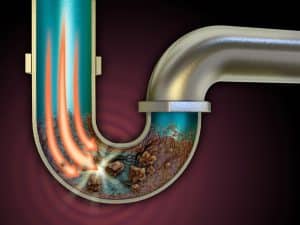
Water does not drain away. It stays on the floor. This is a big sign. The drain is completely blocked. It needs expert help. Bad smells are strong. They come from the drain. They fill the basement. These smells are not normal.
Strange sounds come from the pipes. They bubble or make gurgle noises. This means there is a problem. Wastewater backs up. It flows back into the basement. This is serious. A professional must fix this.
Check their experience. Many years mean they know a lot. Ask about their tools. They should have modern equipment. This helps them work better. Read reviews. Many good reviews show they do good work.
Compare prices. Choose a fair price. Not too high. Not too low. Ask if they have a service guarantee. This means they will fix problems if they happen again.
Cost Considerations
Doing it yourself can save money. You need a few basic tools. A plunger and a plumber’s snake are helpful. You might spend around $20 to $50. This is much cheaper than hiring someone.
Professional help costs more. Expect to pay $150 to $300. They have the right equipment. They work faster and with more experience.
Baking soda and vinegar can help. Pour them down the drain. Let it fizz for a while. This method is cheap and easy.
Use hot water to flush the drain. This can remove small clogs. It is a simple and free solution. Good for minor issues.
Frequently Asked Questions
How Do I Unclog A Basement Drain?
Start by removing any visible debris. Use a plunger to dislodge the clog. Pour a mixture of baking soda and vinegar down the drain. Let it sit for 15 minutes, then flush with hot water. If necessary, use a drain snake to remove stubborn clogs.
What Causes Basement Floor Drain Clogs?
Clogs often result from accumulated debris, dirt, or hair. Soap scum and mineral deposits can also contribute. Additionally, tree roots may invade pipes, causing blockages. Regular maintenance and inspections can help prevent these issues from escalating.
Can Baking Soda And Vinegar Clear Clogs?
Yes, baking soda and vinegar are effective for minor clogs. The chemical reaction between them can break down debris. Pour baking soda, then vinegar, into the drain. Wait for 15 minutes before flushing with hot water. This eco-friendly method is great for routine maintenance.
Is A Drain Snake Necessary For Unclogging?
A drain snake is useful for stubborn clogs. It can reach deep into pipes to clear blockages. If other methods fail, a snake might be needed. This tool is especially handy for removing tree roots or dense debris.
Conclusion
Unclogging your basement floor drain doesn’t have to be difficult. Follow these steps, and you’ll see improvement. A clean drain means fewer worries and safer home. Regular maintenance prevents future clogs. Use simple tools and avoid harsh chemicals. Your basement stays dry and smells fresh.
Enjoy peace of mind with a well-functioning drain. Keep this guide handy for future reference. With practice, you’ll become comfortable with the process. Consistency is key for clean drains. Happy cleaning and safe basement living!