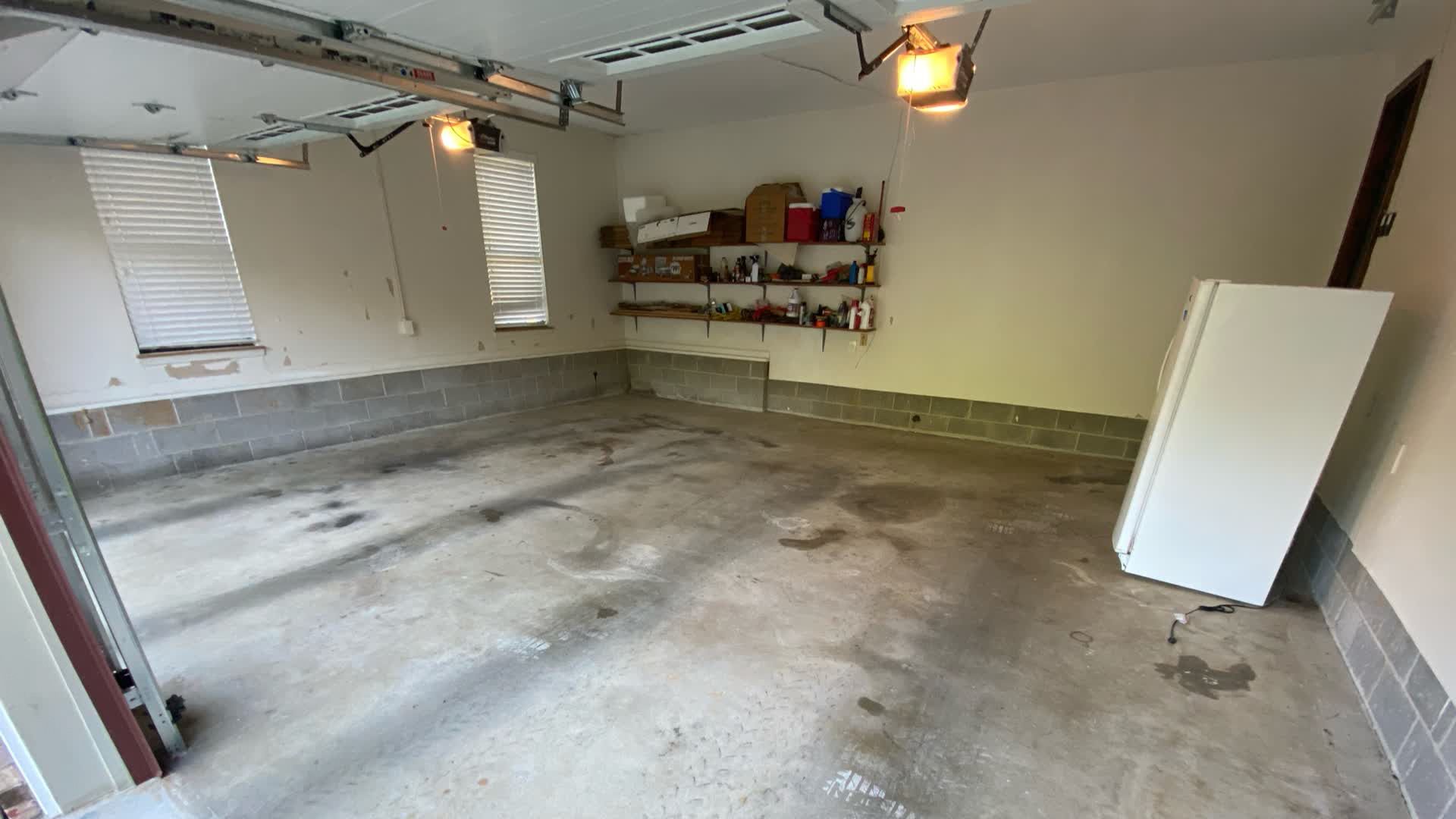

Are you tired of dealing with moisture creeping up through your concrete floor? It’s a common problem that can lead to mold, damage to your flooring, and even health issues.
You might feel overwhelmed, wondering where to start or if there’s a solution that actually works. Imagine walking across your floor without worrying about dampness or the musty smell that often accompanies it. Picture the peace of mind knowing that you’ve tackled this issue once and for all.
You’ll discover simple yet effective strategies to stop moisture from seeping through your concrete floor. By understanding the root causes and applying the right solutions, you can protect your home and enjoy a more comfortable living space. Ready to transform your floor from a problem area to a worry-free zone? Let’s dive in and explore how you can achieve this.

Causes Of Moisture In Concrete Floors
Rain and humidity can make floors wet. High moisture can seep through concrete. This happens often in wet climates. Concrete absorbs water from the air. This makes it damp.
Poor construction can cause problems. Floors might not be sealed well. Cracks let water in. Old buildings often have these issues. Builders sometimes skip important steps.
Water needs a place to go. Bad drainage keeps water near the house. This causes moisture buildup. Water should flow away from buildings. Pipes and gutters must work properly.
Identifying Moisture Issues
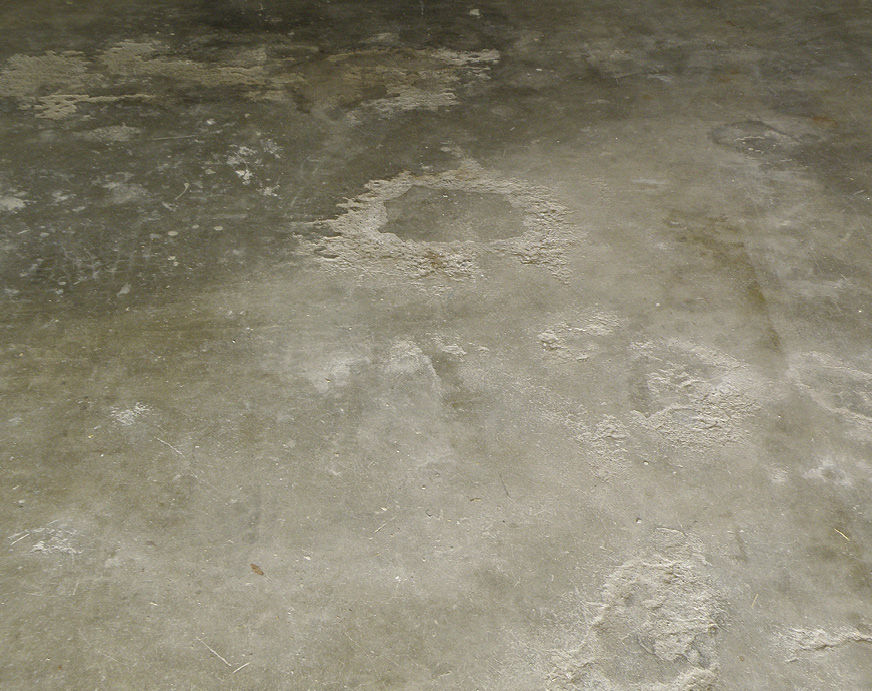
Wet spots on the floor are a big clue. Damp patches can appear out of nowhere. Mold or mildew is another sign. They can grow fast in moist places. Musty smells tell you water is present. These smells can be strong. Floor tiles or paint might bubble up. This happens when moisture is trapped below.
Plastic sheet test is simple. Tape a plastic sheet on the floor. Leave it for 24 hours. Check for moisture under the sheet. Calcium chloride test measures water vapor. It uses special kits. Results show how much water is coming through. Electronic meters are also helpful. They can tell moisture levels quickly. No special skills needed to use them.
Preventative Measures
Concrete needs the right care to stay dry. Proper curing is key. Keep the surface wet after pouring. This helps the concrete set well. Wet blankets or sprays can be useful. They keep the moisture in. Curing takes time, at least seven days. This makes the floor strong and less likely to crack. Cracks can let moisture through. So, curing is very important.
Water should not stay near the concrete. It needs to go away quickly. Effective drainage can help. Gutters and downspouts guide water away. They are simple but work well. Sloping the ground also helps. Water flows away from the house. This keeps the floor dry. A dry floor is a happy floor.
Vapor barriers stop moisture from rising. They are like big plastic sheets. Place them under the concrete. This keeps the floor dry. Choose a strong barrier. It should not tear easily. A good vapor barrier works for a long time. It protects the floor from moisture. This keeps the room dry and cozy.
Repair Solutions
Moisture seeping through concrete floors can lead to serious problems. Applying a waterproof sealant and ensuring proper drainage help prevent this issue. Consider installing a vapor barrier beneath the concrete for added protection.
Sealants And Coatings
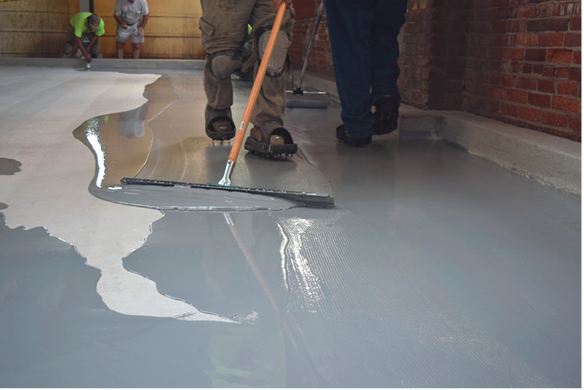
Sealants and coatings are useful to stop moisture. Epoxy coatings protect concrete floors well. They act as a barrier. Acrylic sealants also help. They seal the floor surface. This stops water from getting through. Use these products correctly. Follow the instructions carefully. This keeps your floor dry.
Installing Dehumidifiers
Dehumidifiers reduce moisture in the air. They make the air dry. Place them near concrete floors. This helps control humidity. Lower humidity means less moisture on floors. Regular use is important. Keep them running daily. This keeps the air dry and fresh.
Enhancing Ventilation
Good ventilation prevents moisture buildup. Open windows often. Let fresh air come in. Install fans if needed. They move air around. Proper airflow dries floors faster. This reduces moisture problems. Check vents regularly. Ensure they are clear. Clean vents if blocked.
Long-term Maintenance
Inspect the floor often. Look for cracks and damp spots. These can let moisture in. Fixing them early is best. Use sealants to cover cracks. This keeps the floor dry. Regular checks help find problems fast.
Keep an eye on humidity indoors. Use a humidity meter to check it. Ideal indoor humidity is between 30% and 50%. If it’s too high, use a dehumidifier. This reduces moisture in the air. Keeping humidity low protects the floor. It also helps the home feel more comfortable.
Professional Assistance
Moisture in concrete can cause big problems. Stains and mold are common issues. If the floor feels damp, it is time to act. Consult experts if there is continuous dampness. They know how to fix it. Special tools are used by professionals. They can find hidden moisture. Early action can save your floor. Keep your home safe and dry.
Finding a good contractor is important. Check reviews before hiring. Talk to friends and family. Ask for references from the contractor. Make sure they have experience with concrete floors. Look for a licensed contractor. This ensures they know the rules. A good contractor can solve moisture problems. Keep your home healthy and dry.
Frequently Asked Questions
How Do I Prevent Moisture In Concrete Floors?
To prevent moisture, ensure proper drainage around your home. Use vapor barriers under the concrete slab. Seal the concrete surface with waterproofing sealants. Maintain indoor humidity levels with dehumidifiers. Regularly inspect for cracks and leaks. These steps will help minimize moisture penetration through concrete floors.
What Causes Moisture To Seep Through Concrete?
Moisture can seep through concrete due to poor drainage, high humidity, or lack of vapor barriers. Cracks and unsealed surfaces also contribute to moisture penetration. Inspect your concrete floor regularly to identify potential causes. Addressing these issues can significantly reduce moisture problems in concrete floors.
Can Sealing Concrete Stop Moisture Issues?
Yes, sealing concrete can help stop moisture issues. Concrete sealants create a barrier that prevents water from penetrating the surface. Regularly applying sealants can protect against moisture damage. Choose a high-quality, waterproof sealant for best results. Ensure thorough application to maximize the effectiveness of the sealant.
Are Vapor Barriers Effective For Concrete Floors?
Vapor barriers are effective in preventing moisture from rising through concrete floors. They create a protective layer beneath the concrete slab. This helps block moisture from reaching the surface. Use high-quality vapor barriers during construction for optimal results. Regular maintenance ensures long-lasting protection against moisture problems.
Conclusion
Moisture problems in concrete floors can be frustrating. Simple solutions exist. Regular checks are important. Use sealants and vapor barriers effectively. Ensure proper drainage. These steps reduce moisture risk. Protect your floors. Keep your space dry and safe. Consistent maintenance is key.
Address issues early. Save time and money. A dry floor ensures comfort and durability. Follow these methods. Enjoy a moisture-free environment. Your concrete floor will thank you. Start today for a better tomorrow. Stay proactive and vigilant. Your efforts make a difference.