
Is your cat turning your home into a personal litter box? You’re not alone.
Many cat owners face the frustrating challenge of finding unexpected surprises on their floor. This issue can test your patience and your love for your feline friend. But don’t worry, you’re about to discover simple and effective ways to tackle this problem head-on.
Imagine a home where your cat knows exactly where to go, and you no longer have to clean up after their accidents. By understanding the reasons behind this behavior, you can create a happier environment for both you and your cat. Ready to dive into the solutions that can transform your home and your life? Let’s get started!
Identify The Causes
Cats may poop on the floor due to health problems. Issues like constipation or diarrhea can cause accidents. A urinary tract infection might also be the culprit. If your cat shows signs of pain, visit a vet. A quick check-up can solve many problems.
A cat might poop on the floor if stressed. Changes at home can upset them. New pets or people can cause anxiety. Cats also need a clean litter box. Dirty litter can push them away. Watch for signs of stress. Help your cat feel safe and happy.
A litter box in a noisy place can scare cats. They like quiet spots. The type of litter can matter too. Some cats dislike scented litter. Try different types to see what they like. Ensure the box is easy to reach. Cats need a comfy space to do their business.
:strip_icc()/cat-pooping-outside-box-554017-b408bc2885e042a5a1937e7e0b183b5a.jpg)
Improve Litter Box Setup
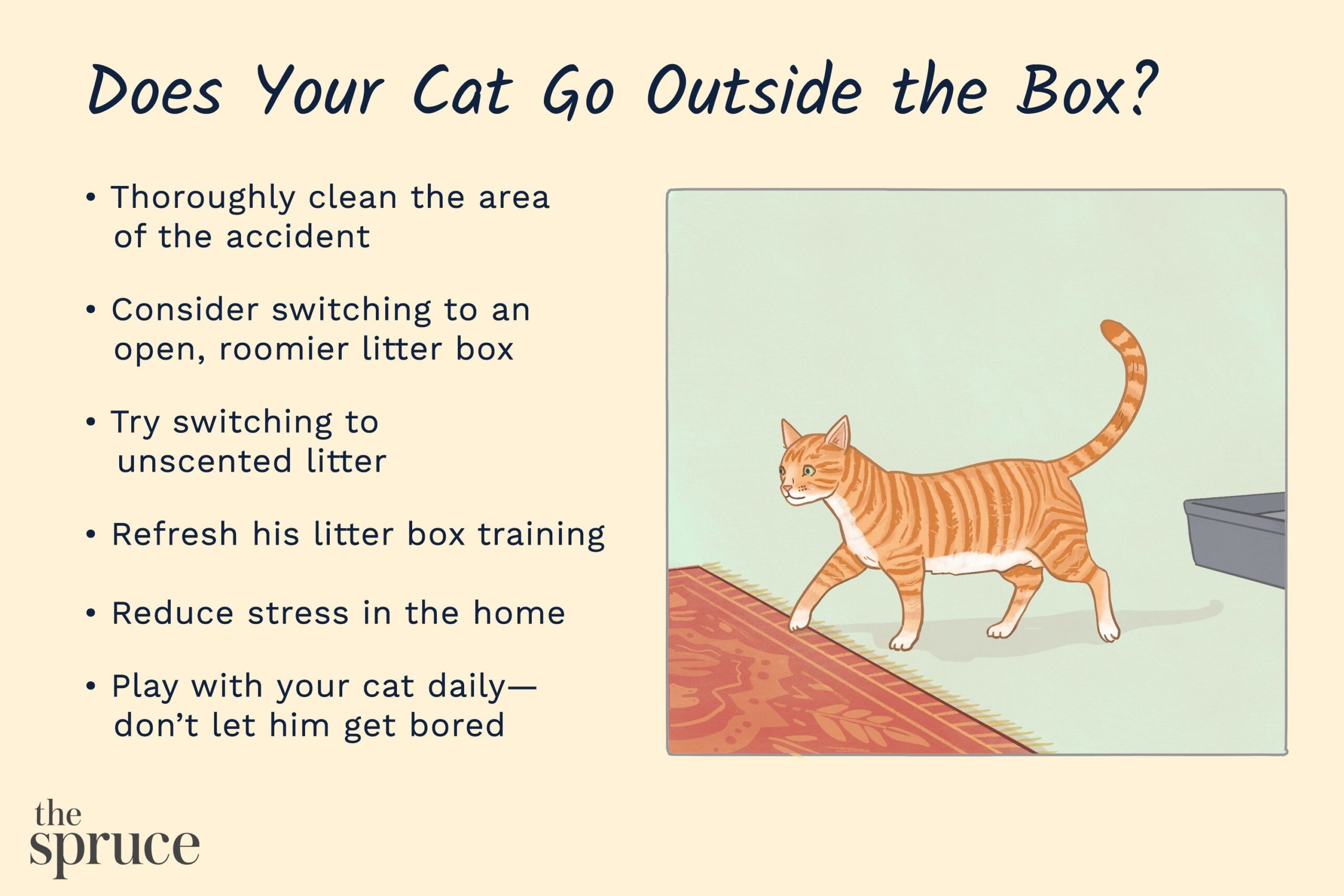
Picking the right litter box is very important. Cats need space to move. A box that’s too small is not comfy. Look for a box that’s big enough. Your cat should fit inside easily. High sides can help keep litter in. But make sure your cat can get in.
Cats can be picky about litter. Soft and clumping litter is best. It feels nice on their paws. Some cats prefer unscented litter. Strong smells might keep them away. Try different types to see what your cat likes.
The litter box should be in a quiet place. Cats like privacy when using it. Easy access is key. Avoid placing it near loud machines. Make sure it’s not blocked by things. Your cat should reach it without problems.
Maintain Cleanliness
Cats love clean places. A tidy litter box makes them happy. Scoop the litter box every day. This helps to keep bad smells away. Replace the litter once a week. Fresh litter is inviting for cats. Clean the entire box with soap and water. This should be done monthly.
Bad smells bother cats. Use odor-neutralizing sprays around the litter box. These sprays are safe for cats. They help to remove smells. Keep the litter box in a well-ventilated area. Fresh air helps reduce odors. Avoid strong-smelling cleaning products. Cats dislike these smells.
Address Stress And Anxiety
Train your cat to use the litter box to reduce stress and anxiety. Keep the litter box clean and accessible. Use positive reinforcement to encourage proper behavior.
Safe Spaces For Cats
Cats need a quiet space to feel safe. Create a cozy corner for them. Use soft blankets or pillows. Let them have a private spot. Avoid disturbing them when they are resting. This helps them relax and feel secure.
Reducing Household Noise
Loud noises can scare cats. Keep the house calm and quiet. Turn down the TV or radio. Close windows to block outside noise. Speak softly around your cat. This creates a peaceful environment for them. They feel less anxious and stressed.
Training And Positive Reinforcement
Cats love rewards. It makes them feel happy. Give your cat a treat every time it uses the litter box. Say “Good job!” with a happy voice. This shows your cat the right place to poop. Use tasty treats like small pieces of chicken or fish. Keep the treats near the litter box. Be quick to reward. Cats need to link the reward to their good act. Consistent rewards help them learn faster. They will soon understand where to poop.
Training needs patience. Keep a regular schedule. Make sure the litter box is clean. Cats dislike dirty places. Show them the box after meals and naps. This routine helps them remember. Do not change the litter box location often. Cats get confused easily. Stick to the same spot. Repeat these steps daily. Consistent actions help cats learn. Over time, they will use the box on their own.

Consult A Veterinarian
Visiting a veterinarian is important. They can check your cat’s health. Sometimes, cats poop on the floor because they are sick. The vet will find out if your cat has any health problems. They will give you tips to help your cat. This advice can stop the cat from pooping on the floor.
Vets can offer medication for your cat. If the cat is sick, medicine can help. This can make your cat feel better. Sometimes, vets suggest treatments. This can include special food or care. These options help your cat stop pooping on the floor. Ask the vet what is best for your cat.
Monitor Progress And Adjust
Watch your cat’s behavior closely. Look for signs of improvement. Keep a daily log. Note any changes in litter box habits. Consistency is key. A shift in behavior may indicate progress.
Be ready to change your approach. Try different litter types. Use a new litter box location. Experiment with rewards for good behavior. Praise your cat when it uses the box. Small changes can make a big difference. Stay patient and observant.

Frequently Asked Questions
Why Does My Cat Poop On The Floor?
Cats may poop on the floor due to stress, medical issues, or changes in their environment. Ensure the litter box is clean and accessible. If the problem persists, consult a veterinarian to rule out health problems.
How Can I Stop This Behavior?
To stop this behavior, keep the litter box clean and in a quiet location. Ensure your cat feels comfortable and stress-free. Regularly check for medical issues and give your cat attention and playtime.
What Type Of Litter Box Should I Use?
Choose a litter box that’s large enough for your cat to move comfortably. Covered boxes can reduce mess but ensure they’re well-ventilated. Experiment with different types of litter to find what your cat prefers.
Can Stress Cause This Issue?
Yes, stress can lead to inappropriate elimination. Changes in the home, like new pets or family members, can upset your cat. Provide a stable environment and reduce stressors to help your cat feel secure.
Conclusion
Helping your cat stop pooping on the floor takes patience. Observe your cat’s habits closely. Identify any stressors or changes in routine. Ensure their litter box is clean and accessible. Try different litter types if needed. Reward your cat for using the litter box.
Consult a vet if issues persist. Remember, consistency is key. Your cat needs time to adapt. Stay calm and positive during this process. A clean floor and a happy cat are possible. Your efforts will lead to a better environment.
Cats thrive in stable, loving homes.