
You might not think much about the tiles under your feet, but did you know they could be hiding a dangerous secret? Asbestos floor tiles were once popular for their durability, but now we know they can pose serious health risks.
If you’re planning a home renovation or simply curious about the safety of your living space, knowing how to spot these tiles is crucial. Imagine the peace of mind you’ll have once you’re confident your home is free from this silent threat.
In this guide, you’ll learn simple tips to identify asbestos floor tiles, empowering you to protect your family’s health and your home’s value. Don’t let uncertainty linger—read on to uncover the signs and ensure your surroundings are safe.
Identifying Asbestos Floor Tiles
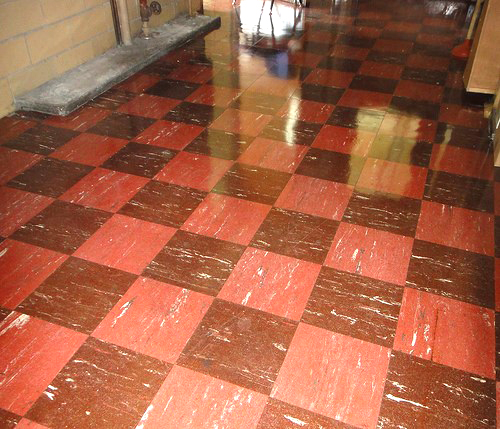
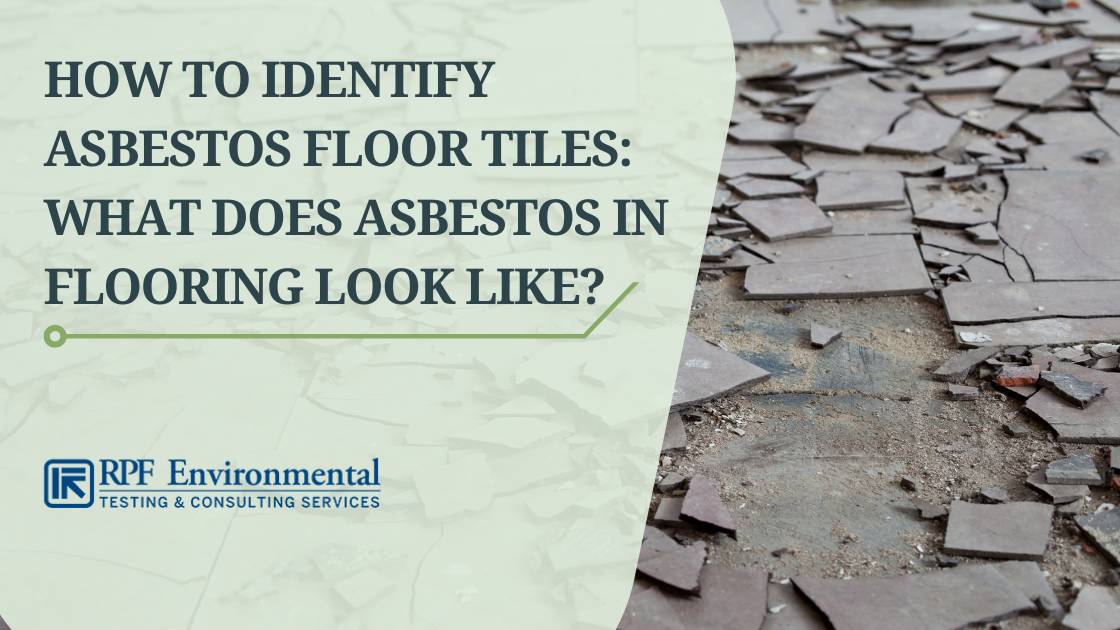
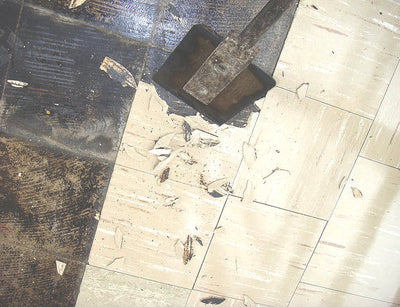
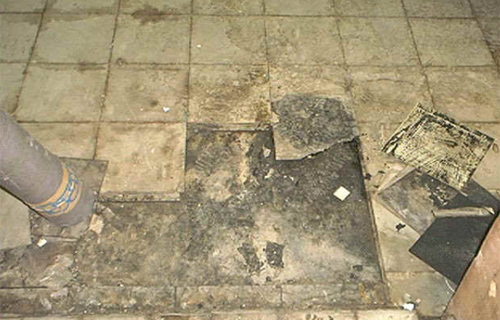
Asbestos tiles often have a dull and rough surface. They might feel hard underfoot. These tiles usually come in colors like gray, brown, or green. Some might have a speckled look. This is due to the asbestos fibers within them. The tiles can be very thin, around one-eighth inch thick. Tiles made with asbestos can last a very long time. Their durability is a key sign.
Safety first. Wear a mask and gloves. Check for any breaks or cracks on the tile surface. Look for signs of wear and tear. If tiles have been there for over 30 years, they might contain asbestos. Use a flashlight to see the tile’s surface clearly. Examine the edges closely. Edges may look fibrous if asbestos is present. Never touch or disturb the tiles.
Historical Use Of Asbestos Tiles
Asbestos tiles were widely used between the 1920s and 1980s. These tiles were popular for their strength and heat resistance. Many homes built during this period might still have them. Builders chose asbestos for its durability and fire-proof properties. It was also cheap and easy to install. These qualities made it a favorite choice for many.
Asbestos floor tiles are often found in older homes. Common places include basements, kitchens, and bathrooms. These areas were chosen because of moisture and heat. Some homes may have these tiles under newer flooring. It is important to check hidden areas. Always be careful when renovating old homes. Disturbing these tiles can release harmful fibers.
Health Risks Of Asbestos Exposure
Breathing in asbestos fibers can cause serious problems. These tiny fibers are harmful. They can lead to lung diseases. One major risk is asbestosis. It makes breathing hard. Another risk is lung cancer. This is a deadly disease. Mesothelioma is another cancer caused by asbestos. It affects the chest and belly.
Asbestos fibers in the air are dangerous. They can stay in the air for a long time. Breathing them is harmful. Poor air quality affects health. It can make people sick. Asbestos can hide in old tiles. When tiles break, fibers go into the air. This makes the air unsafe.
Testing For Asbestos
Hiring a professional is the best choice for testing. Experts have the right tools. They know how to test safely. Professionals follow strict rules. They ensure accurate results. Costs can be higher. But safety is important. Professionals give peace of mind. They provide detailed reports. These reports show if asbestos is present. They explain next steps. Professional testing is reliable and trustworthy. It protects health.
DIY kits are another option. They are cheaper than hiring professionals. Kits come with instructions. They are easy to use. Follow steps carefully. Mistakes can cause risks. Kits may not be as accurate. Results can vary. Always wear safety gear. Gloves and masks are important. DIY kits save money. But they need caution. Read all instructions before starting. If unsure, seek expert help.
Safe Handling And Removal
Before touching any tiles, wear the right gear. Protective clothing keeps you safe. Use gloves, masks, and goggles. Masks help keep dust away. Dust is dangerous if breathed in. Goggles protect your eyes from tiny particles. A disposable suit is also a good idea. It stops dust from sticking to your clothes. Boot covers protect your shoes. Safety first is the best rule. Always be careful when near asbestos.
It is smart to call experts for help. They know what to do. Professionals have the right tools. They handle asbestos safely. Experts can also test your tiles. They check if asbestos is present. This keeps your family safe. Professionals work fast and clean. They make sure no dust is left behind. Hiring them gives you peace of mind.
Alternatives To Asbestos Tiles
Identifying asbestos floor tiles involves checking for vintage styles and sizes, often 9×9 inches. Safer alternatives include vinyl, linoleum, and ceramic tiles, offering modern designs without health risks.
Modern Flooring Options
Many people choose modern flooring for their homes today. These options are safe and pretty. Vinyl tiles are popular and come in many colors. They are easy to clean. Laminate flooring looks like wood. It is not real wood, but it is strong. It is good for busy rooms. Ceramic tiles are also a great choice. They are cool and last long. Each option is better than old asbestos tiles.
Eco-friendly Alternatives
Being kind to the earth is important. Many new floors help the planet. Bamboo flooring is strong and grows back fast. It is a good choice for green homes. Cork flooring is soft and warm. It comes from trees. These trees are not cut down. Recycled tiles use old things to make new floors. This helps save resources. Choosing these floors is good for the earth.
Frequently Asked Questions
What Are Signs Of Asbestos In Floor Tiles?
Asbestos floor tiles often have a distinct, vintage look. They may appear dark or have a speckled pattern. Look for labels or documentation indicating asbestos presence. If uncertain, consider professional testing. Asbestos was commonly used in tiles before the 1980s.
How Can I Test Floor Tiles For Asbestos?
Testing for asbestos in floor tiles requires professional laboratory analysis. You can collect a small sample for testing. Avoid creating dust or breaking the tile. Contact an asbestos abatement company for safe removal and testing.
Why Were Asbestos Tiles Commonly Used?
Asbestos was used in tiles for its durability and fire resistance. It provided insulation and soundproofing benefits. This made it a popular choice in construction before health risks were understood. Regulations now restrict its use due to safety concerns.
What Should I Do If I Find Asbestos Tiles?
If you suspect asbestos tiles, avoid disturbing them. Damaged tiles pose health risks. Hire a certified asbestos abatement professional for safe removal. They follow regulations to ensure safety during disposal and removal. Never attempt to remove asbestos tiles yourself.
Conclusion
Identifying asbestos tiles keeps your home safe. Start by checking age and patterns. Older tiles often contain asbestos. Use a flashlight to see fibers. Also, observe if tiles break easily. Fragile tiles might have asbestos. Consider hiring a professional for testing.
Experts confirm presence with certainty. Avoid removing tiles yourself. It’s dangerous without proper gear. Safety always comes first. If unsure, consult a specialist. Stay informed and protect your family. Knowledge leads to safer decisions. Stay safe, stay informed.