

Have you ever wondered about the benefits of sleeping on the floor? You might be surprised to learn that this simple change can improve your sleep quality and overall health.
Picture waking up refreshed and free of aches and pains—it’s a sensation many are experiencing by trading in their mattresses for a spot on the floor. Whether you’re dealing with back pain, seeking better posture, or just curious about a minimalist lifestyle, sleeping on the floor might be the solution you’ve been searching for.
As you dive into this article, you’ll discover practical tips and insights to make your transition smooth and comfortable. Don’t miss out on learning how this ancient practice could transform your nights and energize your days.
Benefits Of Sleeping On The Floor
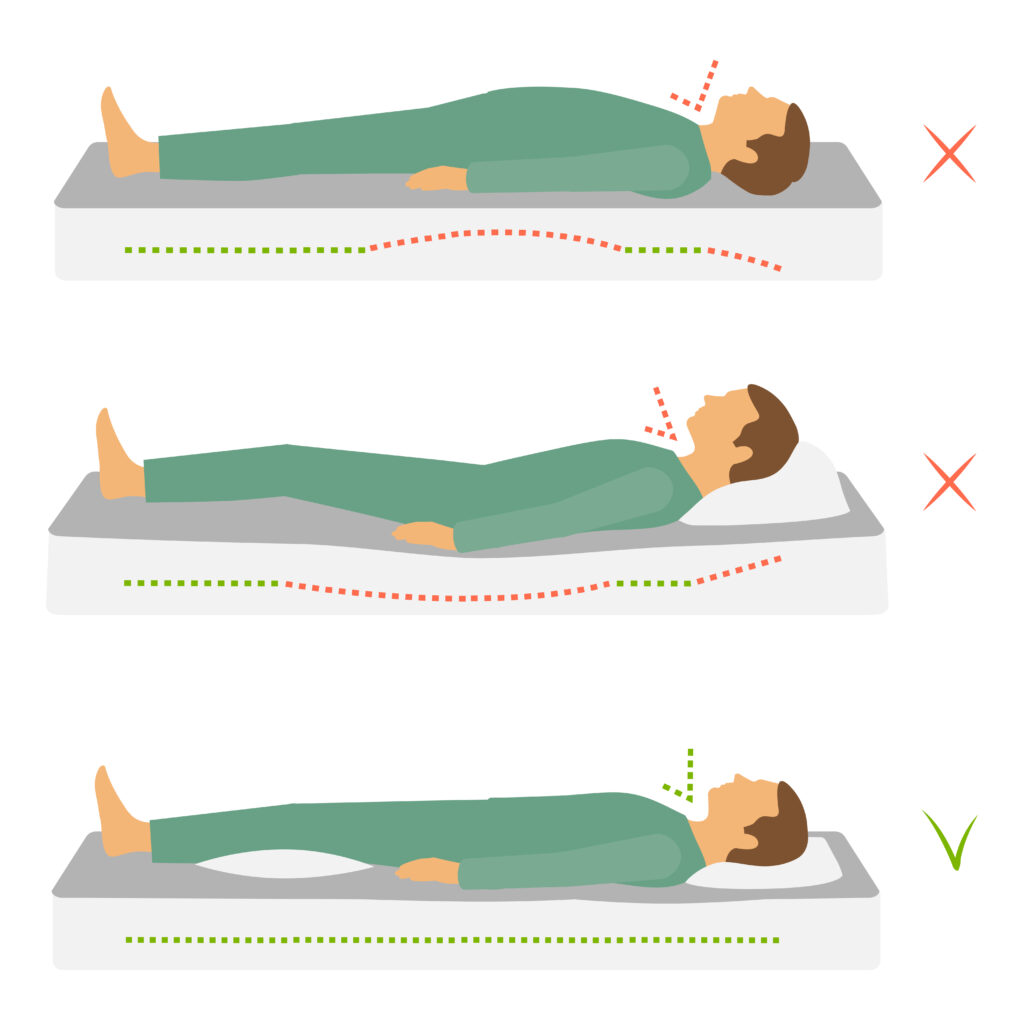
Sleeping on the floor can help improve your posture. A flat surface supports your back. Many people feel less back pain this way. The body aligns better when it’s not on a soft bed.
A floor can be cooler than a mattress. This can help you stay cool at night. Cooler temperatures might help you sleep better.
Some people find they wake up refreshed. They feel more energized in the morning. Sleeping on the floor can also be a simple lifestyle change. No need for fancy beds or mattresses.
Choosing The Right Spot
Find a room with a cool temperature. Too hot or too cold can make sleeping hard. A fan can help keep the air fresh. A window can also let in fresh air.
Quiet is best for sleeping. Loud sounds can wake you up. Soft music or earplugs might help. Try to sleep far from noisy areas.
Choose a soft carpet or mat. Avoid hard floors like tiles. A yoga mat can be very comfy. Add a blanket for warmth. A pillow can help support your head.
Preparing The Floor Space
Ensure the floor is clean before sleeping. Sweep or vacuum the area well. This removes dust and dirt. After cleaning, use a mild disinfectant. Spray the floor lightly. Wipe with a clean cloth. This kills germs and keeps the space fresh. A sanitized floor prevents allergies and infections. Choose natural cleaning products. They are safe for skin contact.
Sleeping on a hard surface can be tough. Add layers to make it softer. Use a yoga mat or carpet first. This adds a gentle cushion. Then, place a thick blanket or quilt on top. This layer adds warmth and softness. Finally, use pillows for head and knee support. Pillows help maintain a comfortable posture. Layering makes floor sleeping cozy and pleasant.

Transitioning To Floor Sleeping
Start with short naps on the floor. This helps the body adjust. Use a soft mat or blanket for comfort. Gradually increase the duration over days. Listen to your body during this transition. If it feels uncomfortable, take breaks. Adjusting slowly prevents strain and discomfort. Some people find it helpful to stretch before sleeping. Stretching relaxes muscles and aids comfort.
Pay attention to how your body feels. This is very important. If you feel pain, stop and rest. Adjust the mat or blanket for more comfort. Experiment with different positions. Find what feels best for you. Remember, everyone’s body is different. What works for one may not work for another. Stay patient and give your body time.
Essential Accessories For Comfort
Soft pillows help support your head and neck. Cushions provide extra comfort for your back. They make the floor feel soft and cozy. Choose cushions that are thick and fluffy.
Memory foam pillows are a good choice. They mold to your head shape. Try using two pillows for more comfort. Arrange them in layers for the best support.
Blankets keep you warm and snug. They add a layer of softness. Thick blankets are the best for hard floors. Use one or two for added warmth.
Sleeping mats are also helpful. They provide a barrier between you and the cold floor. Pick mats that are easy to roll and store. Mats with padding are ideal for long sleeps.
Addressing Common Concerns
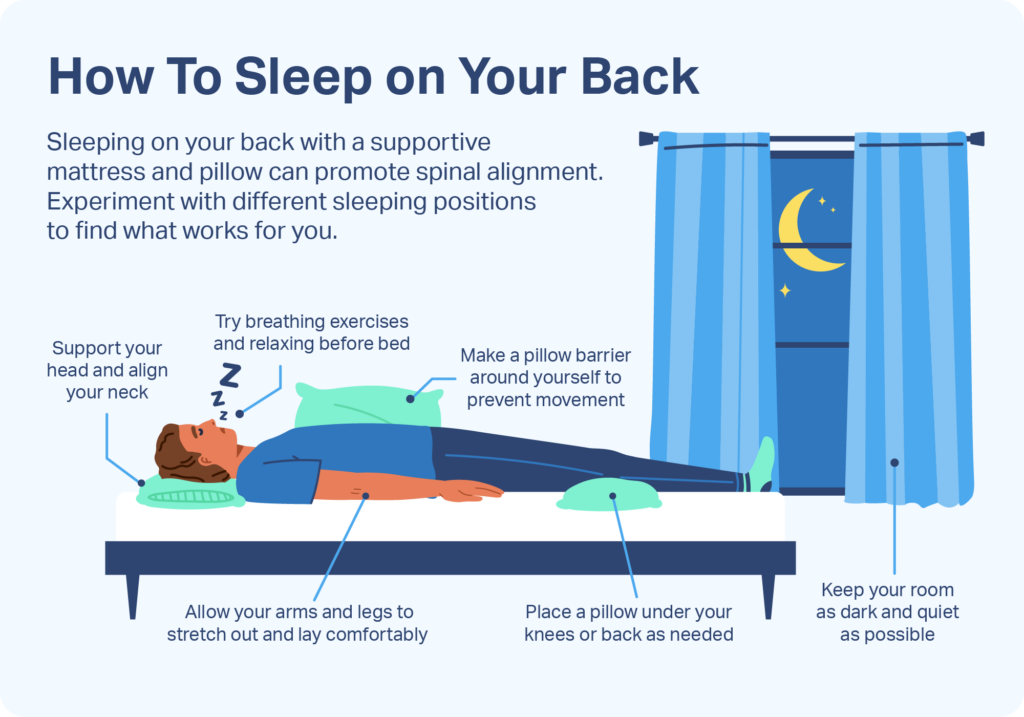
Many believe sleeping on the floor causes back pain. This is a myth. A hard surface can support your spine. Soft beds may not give this support. A firm base keeps your back straight. This can reduce pain for many. Yet, everyone’s body is different. Some might not feel comfortable. Listen to your own body first.
Sleeping on the floor might feel cold. Use a thick blanket or mat. This can keep you warm. A soft mat can also add comfort. It can protect from the hard surface. A pillow can support your head. This can make the floor feel cozy. Always try to make your space comfortable.
Incorporating Floor Sleeping Into Your Routine
Sleeping on the floor can improve your sleep. Start by setting a consistent schedule. Go to bed at the same time every night. This helps your body adjust. A regular routine can make you feel more rested.
Relaxation techniques can help too. Try deep breathing before sleep. Take slow, deep breaths. This makes your body relax. You can also try gentle stretches. Stretching can help your muscles feel loose.
Imagine a peaceful place. This can calm your mind. Keep your room quiet and dark. These tips can make floor sleeping easier.
Frequently Asked Questions
Is Sleeping On The Floor Good For Back Pain?
Sleeping on the floor can help align the spine better, potentially easing back pain. It provides a firmer surface, which might reduce pressure on the spine and improve posture. However, it’s important to consult with a healthcare professional to ensure it’s suitable for your specific condition.
What Are The Benefits Of Sleeping On The Floor?
Sleeping on the floor can improve posture and promote spinal alignment. It may also help reduce back pain and improve circulation. A firmer surface can encourage better sleep positions, potentially reducing pressure points. Always ensure you have adequate padding to prevent discomfort.
How Can I Make Floor Sleeping More Comfortable?
To enhance comfort, use a soft mat or a thick blanket as padding. Adding a pillow for head support can prevent neck strain. Wearing warm clothing and using a blanket can help maintain body temperature, ensuring a restful sleep experience.
Is It Safe To Sleep On The Floor Every Night?
Sleeping on the floor is generally safe, but it depends on individual comfort and health conditions. Those with joint issues or chronic pain should consult a doctor first. It’s essential to ensure a clean and warm sleeping area to avoid health issues.
Conclusion
Sleeping on the floor offers unique benefits. It can improve posture and back health. Many find it refreshing and grounding. Start slowly, using comfortable mats or blankets. Listen to your body’s signals and adjust as needed. Over time, you may experience better rest.
Consider trying it for a few nights. See how your body feels. Adapt as necessary for comfort. It’s a simple change that could enhance sleep quality. Give it a chance. Explore the simplicity of floor sleeping. You might be surprised by the results.