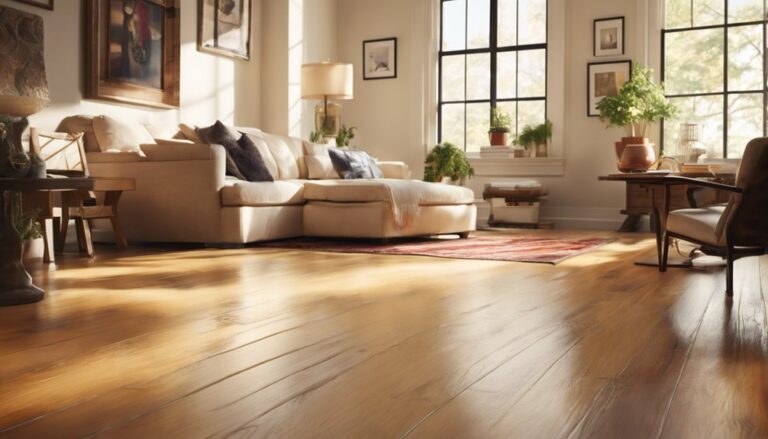

Imagine walking across your beautiful wood floors, feeling the smooth, polished surface underfoot. You invested time and money to get them just right, but without proper sealing, this beauty can quickly fade.
Sealing your wood floors not only enhances their appearance but also protects them from spills, scratches, and daily wear and tear. If you’ve ever wondered how to maintain that fresh-from-the-showroom shine and durability, you’ve come to the right place. In this guide, you’ll discover simple steps to seal your wood floors effectively, preserving their natural charm and extending their lifespan.
With the right approach, you can ensure your floors remain a stunning centerpiece in your home. Ready to unlock the secret to long-lasting wood floors? Keep reading, and learn how to make your floors a testament to timeless elegance.
Choosing The Right Sealant
Water-based sealants dry quickly. They have low odor. They are safer for families. Oil-based sealants last longer. They give a rich finish. They might smell stronger.
Some sealants are eco-friendly. They are better for nature. These sealants have fewer chemicals. Bamboo and linseed oil are natural sealants. Good for green homes.
Choose durable sealants for busy places. High traffic needs strong protection. Water-based sealants are less durable. Oil-based ones handle wear better. Think about kids and pets.
Preparing Your Wood Floors
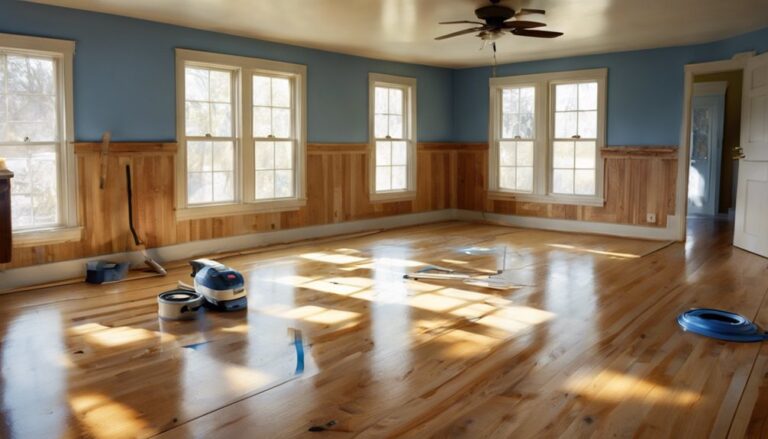
Start by sweeping the floor. Use a soft broom to remove dust. A vacuum can help with small particles. Make sure no dirt is left. Use a damp mop for sticky spots. Let the floor dry completely.
Sanding makes the wood smooth. Use a medium-grit sandpaper. Move in the direction of the wood grain. Check the floor for rough areas. Sand until the wood feels even. Remove all dust after sanding.
Check for any stains or dark spots. Use wood cleaner for small stains. For deep stains, try sanding again. Fill holes or cracks with wood filler. Make sure the filler matches the wood color. Let it dry completely before proceeding.
Application Techniques
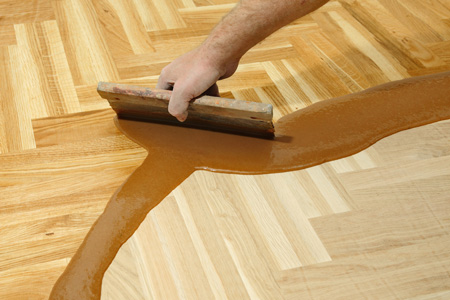
Sealing wood floors involves cleaning the surface, applying a sealant evenly, and allowing it to dry completely. Choose a suitable sealant for your floor type to protect it from moisture and wear. Regular maintenance ensures the floor’s durability and appearance over time.
Using Brushes Or Rollers
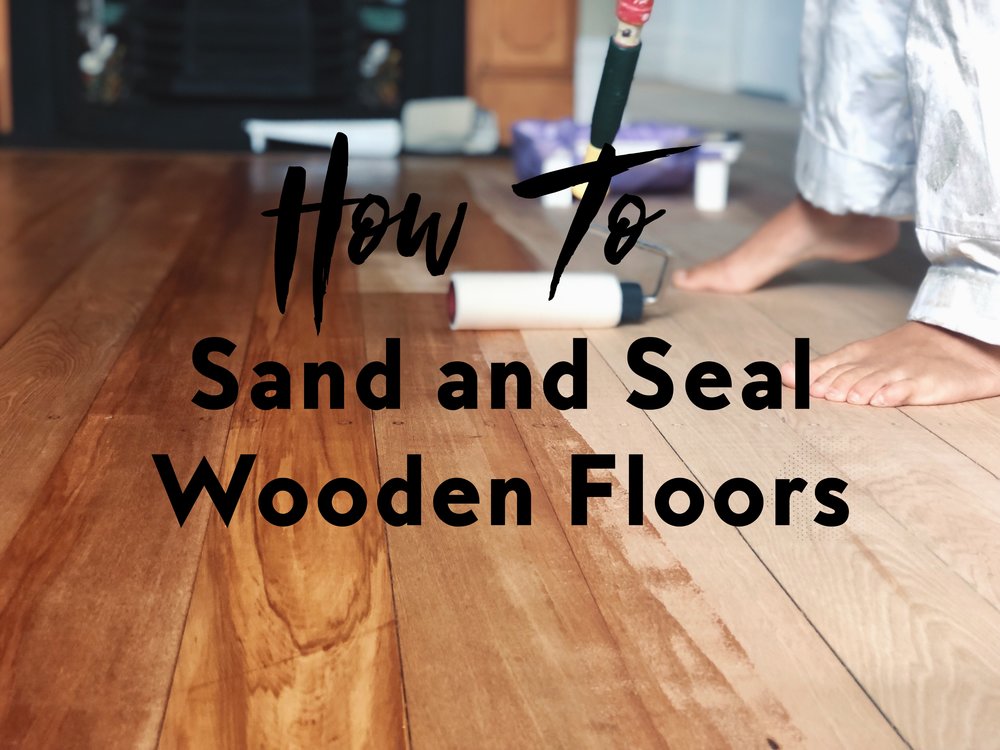
Brushes work well for small areas. Rollers cover large spaces quickly. Both tools have pros and cons. Brushes can leave streaks. Rollers might create bubbles. Choose the tool that feels best for you. Practice makes perfect.
Ensuring Even Coverage
Start from one corner. Move towards the other side. Always overlap edges slightly. This prevents missing spots. Check for any uneven patches. Fix them right away. Even coverage makes the floor look great.
Layering For Durability
Apply the first coat thinly. Let it dry completely. Follow with a second coat. This adds strength and durability. You might need a third coat. Especially for high-traffic areas. More layers mean longer-lasting floors.
Drying And Curing Process
Sealed floors need to dry in a dust-free space. Keep the room ventilated but avoid direct sunlight. Sun can cause uneven drying. Humidity levels should stay low. A dehumidifier can help if needed. Ensure the area remains at a stable temperature. Changes might affect the seal.
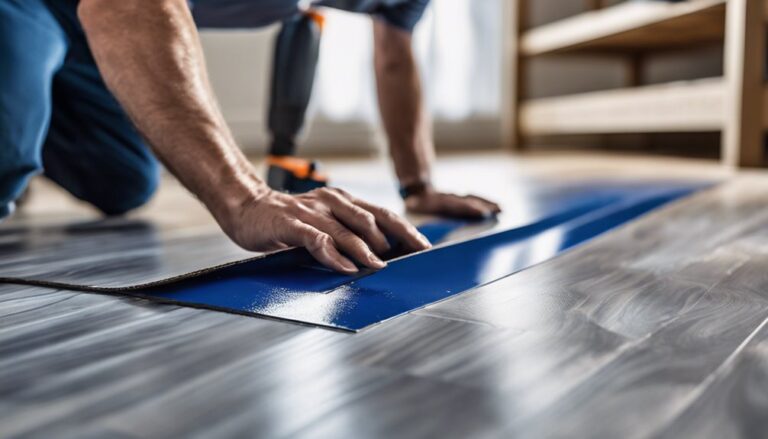
Foot traffic can damage fresh seal. Block the area with signs or barriers. Use tape or cones for warnings. Make sure family and pets stay clear. This ensures the seal sets properly. Tell everyone about the drying time. Respect the curing process.
Check the seal regularly. Look for color changes. Sticky spots mean it’s still wet. The seal might need more time. Touch it gently to test. If soft, wait longer. Read product instructions for exact timings. Follow them closely. This helps achieve a strong finish.
Maintenance For Lasting Shine
Dust and dirt can scratch wood floors. Use a soft broom or vacuum. A damp mop can help too. Avoid too much water. Water can damage the wood. Use a cleaner made for wood floors. This keeps the shine bright and clear.
Sealing helps protect the wood. Reapply the seal every few years. This keeps the wood safe. Check the seal regularly. If it looks dull, it needs a new coat. This keeps the floor looking new.
Scratches can make wood floors look old. Fix small scratches with a repair kit. Deep scratches need more work. Sand the area and reseal it. This keeps the floor smooth. Keep furniture pads on chairs and tables. This stops new scratches.
Common Mistakes To Avoid
Preparing the surface is very important. Dust and dirt can affect the seal. Clean the floor well before you start. Use a damp cloth to remove dust. Ensure the surface is smooth. Sand it if needed. A clean surface helps the sealant stick well.
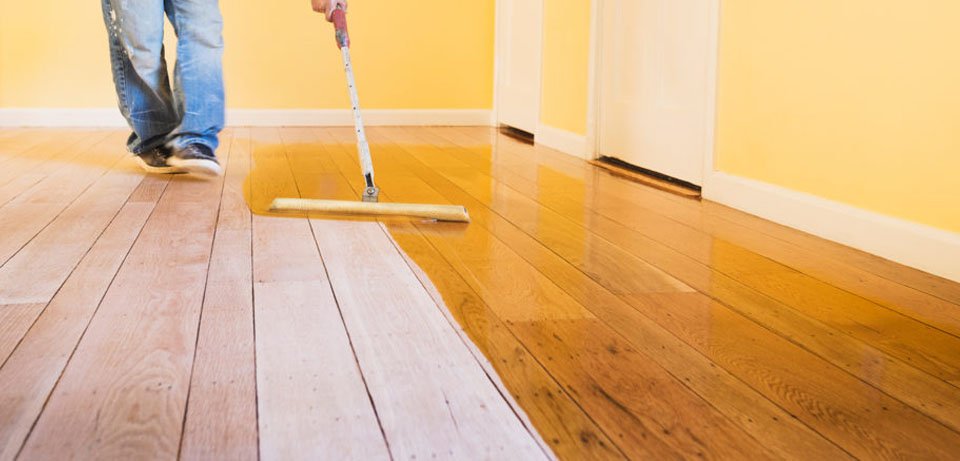
Apply the sealant in thin, even layers. Thick layers can cause bubbles. Use a brush or roller. Cover all parts of the floor. Do not miss any spots. Let each layer dry before adding another. This helps in proper sealing.
Instructions on the sealant package are important. They guide you on how to use the product. Follow them for the best results. They tell you how much sealant to use. They also tell you how long to let it dry. Proper use gives a long-lasting seal.

Frequently Asked Questions
How Do You Prepare Wood Floors For Sealing?
To prepare wood floors for sealing, first clean thoroughly using a vacuum and mop. Remove any stains or debris. Sand the surface lightly to ensure smoothness and better adhesion. Wipe down the floor again to remove dust. Make sure the floor is completely dry before applying the sealant.
What Type Of Sealant Is Best For Wood Floors?
The best sealant depends on your wood type and desired finish. Polyurethane is popular for its durability and glossy finish. Water-based sealants dry quickly and have low odor. Oil-based sealants offer a rich, amber tone. Choose according to your needs and the floor’s usage.
How Many Coats Of Sealant Are Needed?
Typically, two to three coats of sealant are recommended for wood floors. The first coat acts as a primer, sealing the pores. Subsequent coats provide additional protection and enhance the finish. Ensure each coat dries completely before applying the next one for optimal results.
How Long Does Wood Floor Sealant Last?
Wood floor sealant typically lasts between 5 to 10 years. The longevity depends on factors like foot traffic, maintenance, and the type of sealant used. Regular cleaning and proper care can extend the life of the sealant. Consider re-sealing when the finish starts to look dull.
Conclusion
Sealing wood floors protects them from damage. It adds beauty and shine. Start by cleaning the floor thoroughly. Choose the right sealant for your wood type. Apply it evenly and let it dry completely. Regular maintenance ensures long-lasting protection. Sealed floors resist stains and scratches.
They stay looking new longer. Follow these steps for a successful sealing process. Your floors will thank you. Enjoy the lasting beauty of well-sealed wood floors. Keep them clean and polished. A little care goes a long way in preserving their charm and durability.