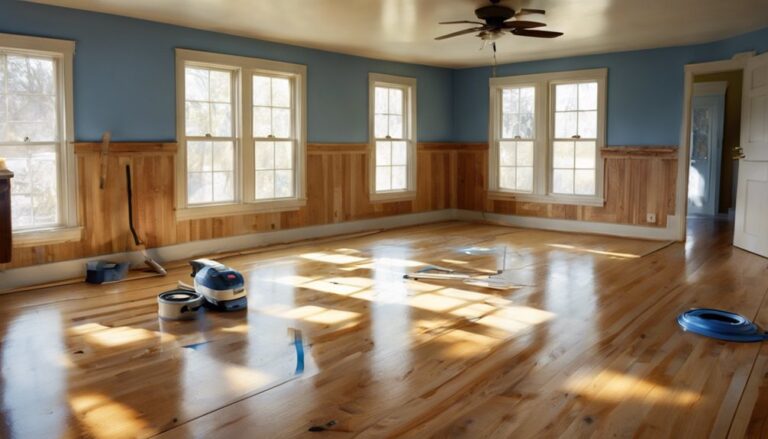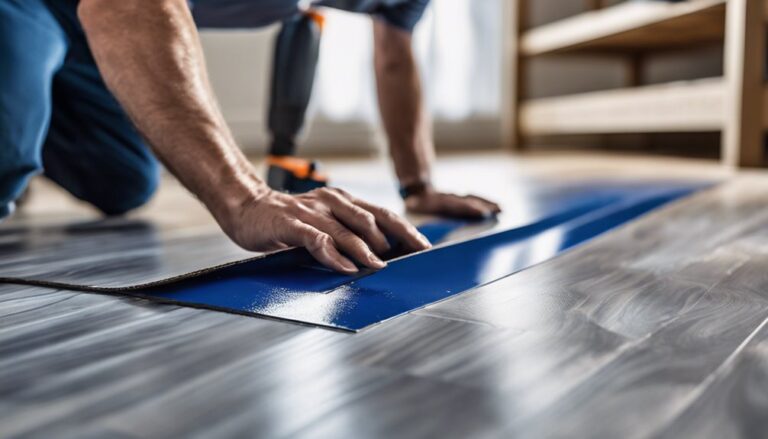

Imagine walking across your timber floors, feeling their smooth, polished surface underfoot. Now picture them looking just as stunning years from now.
Sealing your timber floors is the secret to preserving their beauty and extending their lifespan. But how do you do it right? You might worry about making mistakes or using the wrong products. Don’t fret! This guide is here to simplify the process for you, step by step.
You’ll discover the best techniques and materials to protect your floors, ensuring they remain a breathtaking feature of your home. Dive in, and unlock the secrets to mastering the art of sealing timber floors. Your floors will thank you!

Choosing The Right Sealant
Timber floors need special care. Sealants protect them. Water-based sealants dry fast and are eco-friendly. Oil-based sealants give a deep shine but take longer to dry. Polyurethane sealants are strong and last long. Wax sealants provide a natural look but need regular upkeep.
Think about the floor‘s use. Busy areas need tougher sealants. Consider the wood type. Soft woods need gentle sealants. Ease of application is important too. Some sealants are easier to apply. Drying time matters if you need quick results. Look at the finish. Do you want matte or shiny? Cost is also a factor. Some sealants are more expensive.
Preparing Timber Floors
Start by sweeping the floors to remove dirt. Use a soft broom to avoid scratches. After that, mop the floor with a damp cloth. Make sure the cloth is not too wet. Too much water can damage the timber. Use a mild cleaner for tough stains. Avoid harsh chemicals. They can harm the wood.
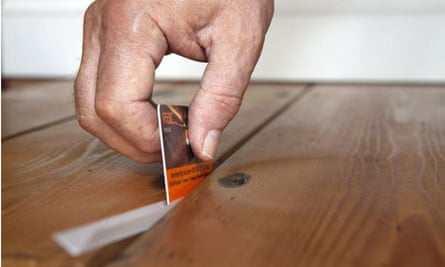
Check for any cracks or holes in the floor. Fill them with wood filler. Let the filler dry completely. Sand the area until it is smooth. Loose boards should be nailed down. Make sure all repairs are strong and secure. This will make the floor safe and ready.
Use a sander to smooth the floor. Sand in the direction of the wood grain. This prevents scratches. Start with coarse sandpaper. Finish with fine sandpaper for a smooth feel. Clean the dust with a vacuum after sanding. This ensures a clean surface for sealing.
Application Techniques
Sealing timber floors needs some tools. You will need a paintbrush, roller, and sanding paper. Also, get a vacuum cleaner and tack cloth. Don’t forget the sealant. These tools help do the job well. They make the floor look shiny and new. Make sure to have all these before starting.
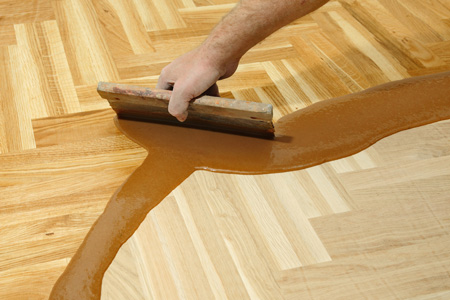
First, clean the floor with a vacuum. Then, use a tack cloth to remove dust. Next, sand the floor gently. This makes it smooth. Now, apply the sealant with a brush. Start from one corner. Use a roller for large areas. Let it dry. Apply a second coat for better results. Wait for it to dry completely.
Don’t skip cleaning the floor. This makes sealing hard. Avoid using too much sealant. It can create lumps. Do not rush the process. Let each coat dry. Rushing can ruin the finish. Make sure to sand lightly. Heavy sanding can damage the floor. Always follow instructions on the sealant label.
Drying And Curing
For timber floors, drying and curing are key steps. Optimal conditions help achieve the best results. Always ensure proper air flow in the room. This prevents moisture buildup. Humidity levels should stay low. If they rise, drying takes longer. Temperature plays a big role too. Warm conditions speed up the process. Too hot or cold affects the sealant. Room temperature is ideal. Keep windows open for fresh air. Avoid direct sunlight on the floor. It can damage the sealant.
Optimal Conditions
Ventilation is important for drying. Use fans to circulate air. This helps sealant cure evenly. Avoid dusty environments. Dust can settle on wet sealants. Clean the room before starting. Ensure the floor is dry before sealing. Moisture can cause sealing issues. Always follow the manufacturer’s instructions. Their guidelines provide the best results.
Timeframes For Different Sealants
| Sealant Type | Drying Time | Curing Time |
|---|---|---|
| Water-based | 2-4 hours | 7 days |
| Oil-based | 8-12 hours | 10 days |
| Polyurethane | 6-10 hours | 14 days |
Different sealants have different drying times. Water-based sealants dry fast. Oil-based ones take longer. Polyurethane sealants need more time to cure. Always wait the full curing time. This ensures the floor is ready for use.
Maintenance Tips
Sweep floors daily to remove dust. Use a soft broom or vacuum. Avoid wet mops to protect the wood. Water can damage wood. Clean spills quickly with a dry cloth. Use mild soap for sticky spots. Always dry the floor after cleaning.
Re-seal floors every three to five years. It keeps floors shiny. Sealing protects floors from scratches. Check if the seal is wearing off. Scratches and dullness mean it’s time to re-seal. A new seal makes floors look new.
Place rugs in high-traffic areas. Rugs reduce wear and tear. Use furniture pads under chairs and tables. Pads prevent scratches. Keep pets’ nails trimmed to avoid damage. Sunlight can fade wood. Use curtains to block sun.

Troubleshooting Issues
Bubbles can appear if the sealant is shaken or applied too thick. Always stir the sealant gently. Apply in thin, even coats for best results. Imperfections might occur if the surface is not clean. Clean well before sealing. Also, use a good quality brush or roller.
Discoloration can happen if the wood is not dry. Ensure the timber is completely dry before sealing. Sometimes, using the wrong sealant causes problems. Always use a sealant meant for timber floors.
Peeling often occurs if the sealant is old. Always check the expiry date. Flaking can happen when the floor is not prepared. Sand the floor properly. Make sure it is clean and dust-free before applying sealant.
Frequently Asked Questions
What Is The Best Way To Seal Timber Floors?
Sealing timber floors involves cleaning, sanding, and applying a high-quality sealant. Choose a sealant designed for timber surfaces. Follow the instructions for application carefully. Allow the sealant to dry completely before using the floor. Regular maintenance extends the lifespan and appearance of sealed timber floors.
How Often Should Timber Floors Be Sealed?
Typically, timber floors should be resealed every 3 to 5 years. The frequency depends on foot traffic and environmental conditions. Regular cleaning and maintenance can prolong the sealant’s effectiveness. Inspect the floor annually for wear and tear. Early intervention can prevent costly repairs.
Can I Seal Timber Floors Myself?
Yes, sealing timber floors can be a DIY project. You need basic tools and materials like a sealant, brush, and sandpaper. Ensure the floor is clean and dry before sealing. Follow the manufacturer’s instructions for best results. Consider professional help for large areas or intricate designs.
What Sealant Is Best For Timber Floors?
Polyurethane and water-based sealants are popular for timber floors. Polyurethane offers durable protection, ideal for high-traffic areas. Water-based sealants dry quickly and are environmentally friendly. Choose based on your floor’s needs and personal preferences. Consult a flooring expert for tailored advice.
Conclusion
Sealing timber floors is essential for durability. It protects against moisture and wear. Follow the steps carefully for the best results. Clean the surface thoroughly before sealing. Choose the right sealant for your timber type. Apply evenly to avoid streaks.
Allow proper drying time between coats. Regular maintenance will keep floors beautiful. Enjoy the warmth and elegance of sealed timber. It adds value to your home. You can transform your space with a little effort. Sealed floors are easy to clean and maintain.
Enhance your living area with a natural, polished finish. Make your timber floors last longer.