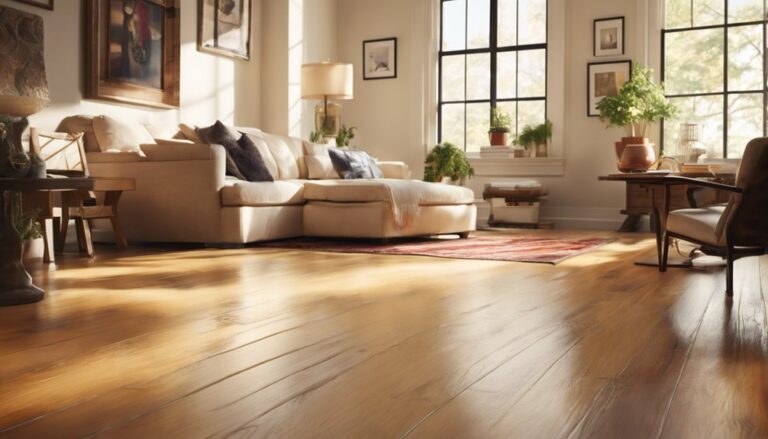

Imagine stepping into a room where the shine of your hardwood floors instantly catches your eye, giving a sense of warmth and elegance to your space. Those gleaming floors can be yours with the right care and attention.
Sealing hardwood floors is a crucial step in maintaining their beauty and durability. Without it, your floors are vulnerable to scratches, stains, and moisture damage. You might be wondering how you can achieve that perfect seal without the hassle. We’ve got you covered! In this guide, you’ll discover easy and effective ways to seal your hardwood floors, ensuring they remain stunning for years.
Dive in to learn how you can protect your investment and enhance the charm of your home with simple yet powerful techniques. Let’s make your floors the envy of every visitor!
:max_bytes(150000):strip_icc()/FloorFinishing-f52c05e3149745deb80e55e1b67f5202.jpg)
Choosing The Right Sealant
There are three main types of sealants for hardwood floors. Polyurethane is popular for its strength. It gives a shiny finish. Water-based sealants dry fast. They are less smelly. Oil-based sealants give a rich color. They are long-lasting.
Some sealants have chemicals. These can be harmful to the earth. Water-based sealants are better for the environment. They have fewer harmful chemicals. Always check the label for eco-friendly options.
Water-based sealants often cost more. But they dry fast, saving time. Oil-based sealants are cheaper. But they take longer to dry. Buying in bulk can save money. Check for sales or discounts.
Preparing The Floor
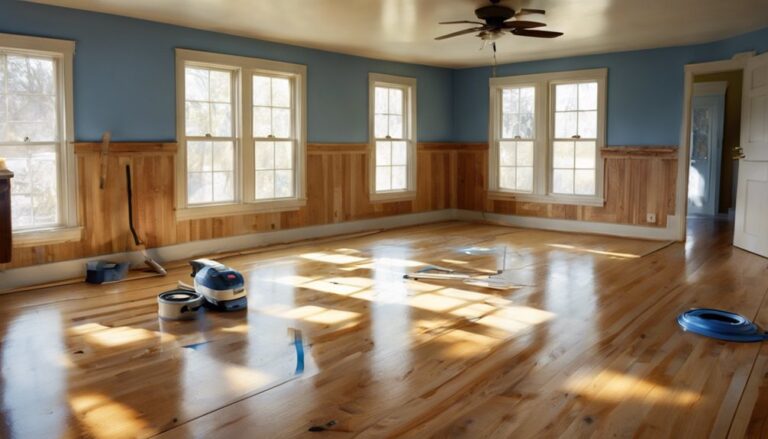
Start by removing all the furniture from the room. Sweep the floor to collect dust and dirt. Use a vacuum for corners and edges. Next, mop the floor with warm water and a mild cleaner. This removes any remaining dirt. Let the floor dry completely. Moisture can damage the wood.
Check for any cracks or holes. Fill them with wood filler. Use a putty knife to smooth the surface. Let the filler dry as per instructions. After drying, sand the area for an even look. This step is important for a smooth finish.
Use a sander to make the floor smooth. Start with coarse-grit sandpaper. Move to fine-grit for a polished look. Sand in the direction of the wood grain. This prevents scratches. Wipe the floor with a tack cloth to remove dust. A clean surface is ready for sealing.
Application Techniques
To seal hardwood floors, gather the right tools. You need a roller, a paintbrush, and a sanding block. Also, have sealer and a vacuum ready. Always wear gloves to protect your hands. A mask is important to avoid dust. Keep a bucket and cloth nearby for cleaning spills.
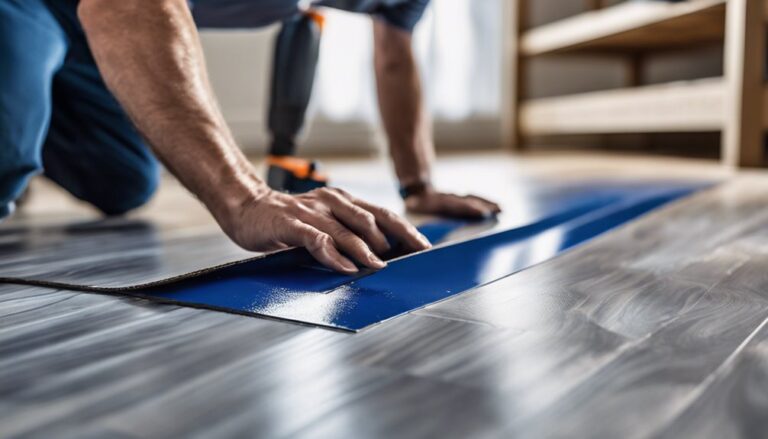
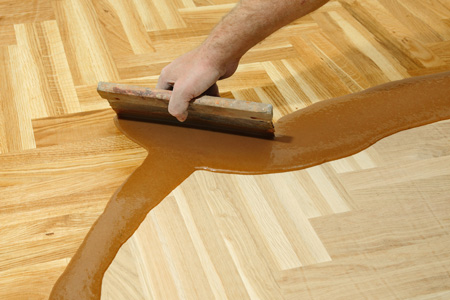
First, clean the floor well. Use a vacuum for dust. Next, sand the floor with a sanding block. Wipe away dust with a cloth. Pour a small amount of sealer into a tray. Use the roller to apply a thin coat. Start from one corner, move to the next. Use a brush for edges. Allow the first coat to dry. Then, apply a second coat for better protection.
Avoid applying too much sealer. It can cause bubbles. Do not skip sanding. Skipping will make sealing uneven. Never rush the drying process. Let each coat dry fully. Don’t forget to ventilate the room well. This helps the sealer dry evenly. Make sure to use the right type of sealer for your floor.

Drying And Curing
Hardwood floors need the right conditions to dry properly. Temperature should be between 65°F and 75°F. Humidity must be controlled, ideally under 50%. Air circulation helps the drying process. Fans can be useful. Avoid direct sunlight on floors. It can cause uneven drying. Proper conditions ensure floors are smooth and durable.
Drying takes time. Initial drying may take 24 to 48 hours. Complete curing can take up to 30 days. Patience is key during this period. Rushing can damage the finish. Plan activities around these timeframes. Protect floors by limiting heavy traffic. Use area rugs temporarily.
Proper curing shows clear signs. Floors feel smooth and hard. No sticky spots should be present. Color should be even and consistent. Smell of chemicals should be minimal. Check for any bubbles or cracks. These signs indicate successful curing. Floors are ready for regular use.
Maintaining Sealed Floors
Keep your sealed floors clean to make them last. Sweep every day to remove dirt. Use a soft broom. Mop with a damp cloth once a week. Avoid using too much water. Water can damage the wood. Use a cleaner made for sealed wood. Dry the floor with a soft towel. This stops water spots.
Wipe spills quickly to protect the wood. Use a soft cloth. Avoid letting liquid sit. It can seep into the wood. Keep a towel handy for quick clean-up.
Floors need re-sealing to stay strong. Do this every few years. First, clean the floor well. Sand the surface lightly. Use a sealant made for hardwood. Apply with a brush or roller. Let it dry fully before walking on it.

Troubleshooting Issues
Sealing hardwood floors can prevent damage and maintain their beauty. Identify the type of finish before starting. Use the right sealer and apply evenly for best results.
Identifying Problems
Hardwood floors may show scratches or dull spots. These are common issues. Look for cracks or gaps between boards. Water stains might appear after spills. Notice any color changes over time. These are signs of problems.
Solutions For Wear And Tear
Use a soft cloth to clean the floor. Apply wood cleaner gently. For deep scratches, use a wood filler. Sand the surface lightly afterward. Always apply a fresh coat of sealant. This protects the wood. Regular cleaning prevents more damage.
Professional Help
Call an expert for big problems. They know how to fix floors well. Experts use special tools and products. They can handle serious damage. It saves you time and effort. Sometimes it’s best to ask for help.
Frequently Asked Questions
What Is The Best Way To Seal Hardwood Floors?
Sealing hardwood floors requires choosing the right sealant, typically polyurethane or a water-based finish. Clean the floor thoroughly before application. Apply the sealant evenly with a brush or roller. Allow sufficient drying time between coats for a durable finish.
How Often Should Hardwood Floors Be Sealed?
Hardwood floors typically need sealing every 3 to 5 years. High-traffic areas may require more frequent attention. Regular sealing protects against moisture and wear. Regular maintenance, like sweeping and mopping, extends the lifespan of your sealant.
Can I Seal Hardwood Floors Myself?
Yes, you can seal hardwood floors yourself with proper preparation. Choose the right sealant and clean the floor thoroughly. Follow instructions carefully, applying the sealant evenly. Ensure proper ventilation during application and drying. DIY sealing can save costs but requires patience and precision.
What Sealant Is Best For Hardwood Floors?
Polyurethane and water-based sealants are popular for hardwood floors. Polyurethane offers durability and moisture protection. Water-based options are eco-friendly, with a quicker drying time. Choose a sealant based on your needs, considering aesthetics, durability, and environmental impact.
Conclusion
Sealing hardwood floors is simple and rewarding. Start with clean, dry surfaces. Choose a good sealer for lasting protection. Follow instructions on the label carefully. Apply evenly for a smooth finish. Wait for it to dry completely. Enjoy the beauty and durability of your floors.
Regular maintenance keeps them looking great. Protect your investment with proper care. Sealed floors resist moisture, stains, and wear. They enhance your home’s value and appeal. A little effort goes a long way. Keep floors beautiful for years to come.
Enjoy your elegant, long-lasting hardwood floors today.