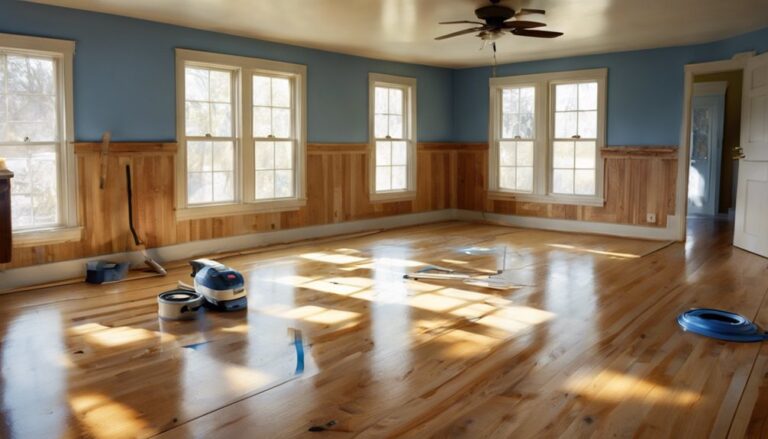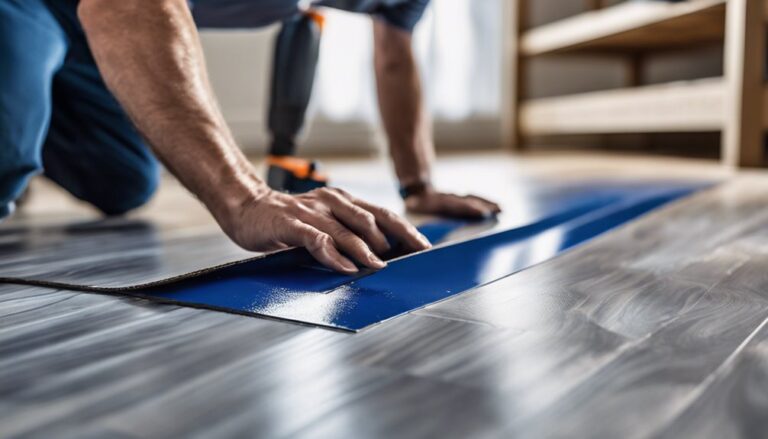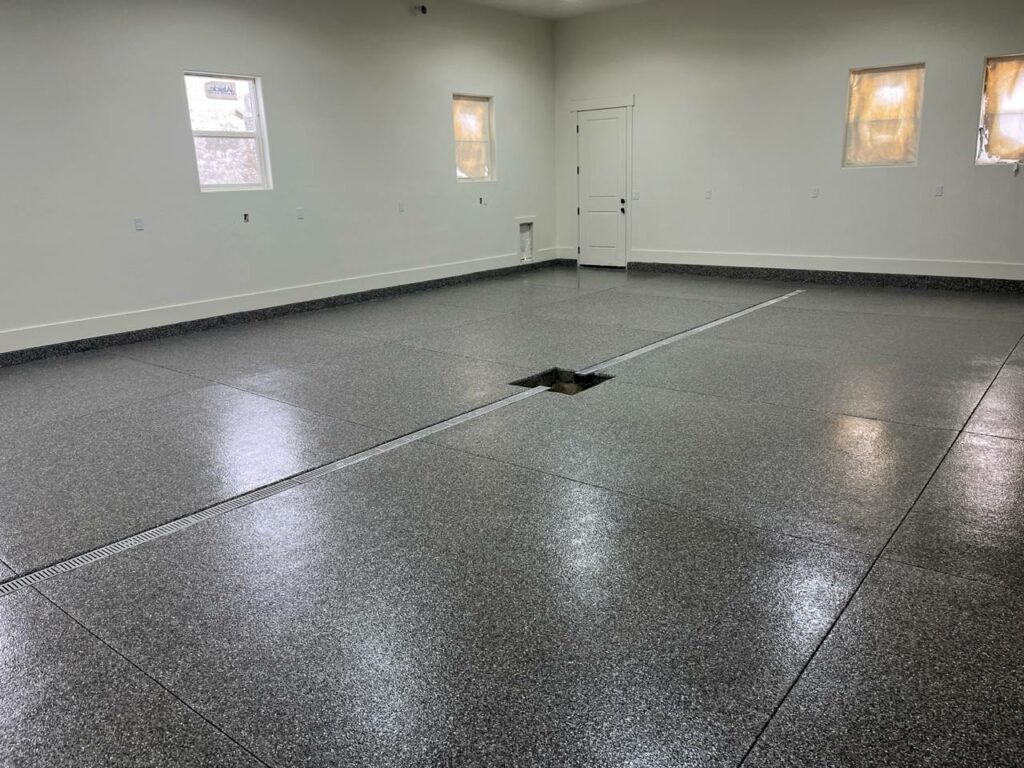

Are you tired of dealing with a damp and musty basement? Sealing your basement floor might just be the solution you need.
Imagine walking into a space that feels dry, clean, and welcoming. By taking this crucial step, you can transform your basement into a comfortable extension of your home. But where do you start? Many homeowners feel overwhelmed by the thought of tackling such a project.
Don’t worry; you’re not alone. This article will guide you through the process, offering simple steps that you can follow with ease. Unlock the potential of your basement and enjoy the peace of mind that comes with a properly sealed floor. Let’s dive into the details so you can get started on creating a healthier and happier home environment.
Importance Of Sealing Basement Floors
Sealing basement floors is very important. Moisture can sneak through cracks. This can cause mold and damage. Floors with sealant are protected. This keeps your basement dry and safe. Dust from concrete floors is bad. Sealing helps keep dust away.
Increases the floor’s lifespan. Sealant makes floors stronger. It stops wear and tear. Saves money on repairs. A sealed floor looks better. It gives a nice shine. Makes cleaning easy. Dirt and spills wipe away fast.
Choosing The Right Sealant
There are many types of sealants. Acrylic sealants dry fast and are easy to use. Epoxy sealants are strong and last long. Polyurethane sealants are flexible and handle cracks well. Silicone sealants are good for waterproofing. Choosing the right sealant helps protect your floor.
Think about how much foot traffic is in the basement. Choose a sealant that is durable. Check if the sealant is waterproof. This keeps the floor dry. See if the sealant is easy to apply. This saves time and effort. Look at the cost of the sealant. Make sure it fits your budget.
Preparing The Basement Floor
Start by removing all dust and debris from the floor. Use a broom or a vacuum cleaner. Make sure the surface is spotless. It’s important to clean every corner well. A clean floor helps sealant stick better. You might need to mop the floor too. Use a mild soap and water. Let it dry completely before moving on.
Check the floor for any cracks or holes. These need fixing before sealing. Use a concrete patch mix. Fill each crack with the mix. Smooth it with a trowel. Wait for it to dry. This step makes the floor even. It helps keep water out. A smooth surface is easier to seal.
It’s crucial that the floor is dry. Moisture can cause problems later. Feel the surface with your hand. If it’s damp, wait for it to dry. You can use fans to speed up drying. A dry surface helps the sealant stick well. This prevents future damage.
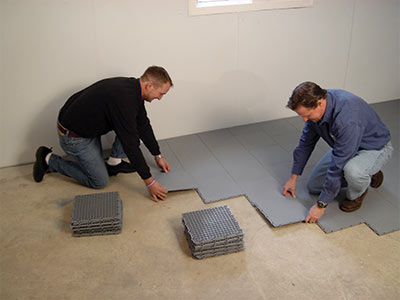
Applying The Sealant
- Sealant: Choose a high-quality sealant.
- Brush: A wide brush works best.
- Roller: Helps cover large areas.
- Bucket: Useful for mixing.
- Protective gear: Wear gloves and goggles.
- Clean the floor well.
- Mix the sealant in a bucket.
- Start applying with a brush.
- Use a roller for large areas.
- Let the sealant dry completely.
Move slowly with the brush. Make sure every spot is covered. Avoid applying too much sealant. This helps to keep it even. Use gentle strokes with the roller. Check for missed spots after drying. Apply another layer if needed.
Post-sealing Care
Basement floors need time to dry after sealing. This takes about 24 to 48 hours. The drying time depends on the temperature and humidity. Keep the area ventilated. Use fans to help the air move. Avoid walking on the floor during this period.
Proper care keeps the floor in good shape. Clean spills quickly to prevent stains. Use a soft mop for cleaning. Avoid using harsh chemicals. Place mats in high traffic areas. This helps in reducing wear. Inspect the floor regularly for cracks or damage.

Common Mistakes To Avoid
Many people miss cleaning the floor first. A dirty floor means the seal won’t stick. Always clean before sealing. Water-based sealers dry fast. So, work quickly to avoid uneven surfaces.
Some forget to check the weather. Rain can ruin a fresh seal. Wait for a dry day. Using too much sealer is bad. It wastes money and can cause peeling. Apply a thin, even coat.
Many skip the drying time. Walking on wet floors can damage the seal. Patience is key. Let it dry fully. These steps will help avoid common errors. A well-sealed floor lasts longer.
Benefits Of Professional Assistance
Hiring a professional can save time and effort. Professionals have the right tools for the job. They know which sealants work best. This ensures a long-lasting seal. Mistakes can be costly, but experts avoid them. They work fast and efficiently. Their experience prevents common errors.
A professional finish looks neat and tidy. It adds value to your home. Safety is also a big concern. Experts know how to handle chemicals safely. This reduces health risks for your family.
In the end, professionals give peace of mind. You trust the job is done right. No worries about leaks or damage. Choosing a professional is a smart move.
Frequently Asked Questions
How Do I Prepare The Basement Floor For Sealing?
Start by thoroughly cleaning the floor to remove dirt and debris. Repair any cracks or imperfections using a suitable filler. Ensure the surface is dry before applying a primer. This will help the sealant adhere better. Proper preparation ensures a longer-lasting seal.
What Type Of Sealant Is Best For Basement Floors?
Epoxy and acrylic sealants are popular choices for basement floors. Epoxy offers a durable, waterproof finish suitable for high-moisture areas. Acrylic sealants are easier to apply and dry quickly. Choose based on your basement’s specific needs and conditions.
How Long Does It Take To Seal A Basement Floor?
Sealing a basement floor typically takes a few days. Preparation might take a day, while the sealant application and drying process can take another day or two. Drying time may vary based on the sealant type and environmental conditions.
Can Sealing A Basement Floor Prevent Moisture Issues?
Yes, sealing a basement floor can help prevent moisture issues. A quality sealant creates a barrier, reducing moisture intrusion and potential mold growth. However, addressing other sources of moisture is essential for comprehensive protection.
Conclusion
Sealing your basement floor enhances its durability. It creates a cleaner space. Follow the steps carefully to achieve the best results. Start with cleaning and preparing the surface. Choose the right sealant based on your needs. Apply evenly for a smooth finish.
Proper sealing prevents moisture problems. This protects your home from potential damage. Regular maintenance is key to long-lasting protection. Enjoy a functional and appealing basement. Keep it safe and dry for years to come. Remember, a well-sealed floor adds value to your home.
Your efforts truly pay off in the long run.