
Have you ever wondered if your hardwood floors are as clean as they could be? With the hustle and bustle of everyday life, it’s easy to overlook the grime that can accumulate on your beautiful flooring.
But don’t worry; you’re not alone in this. Many homeowners share your concerns and are on a quest for the best ways to sanitize their hardwood floors effectively. Imagine walking into a room and seeing your hardwood floors gleam with cleanliness.
Picture the peace of mind knowing that your floors are free from germs and allergens. This vision isn’t far-fetched; it’s entirely achievable with the right techniques. You’ll discover simple yet powerful methods to keep your floors spotless and safe for your family. Get ready to transform your home environment into a cleaner, healthier space. Are you ready to unlock the secrets to immaculate hardwood floors? Let’s dive in!
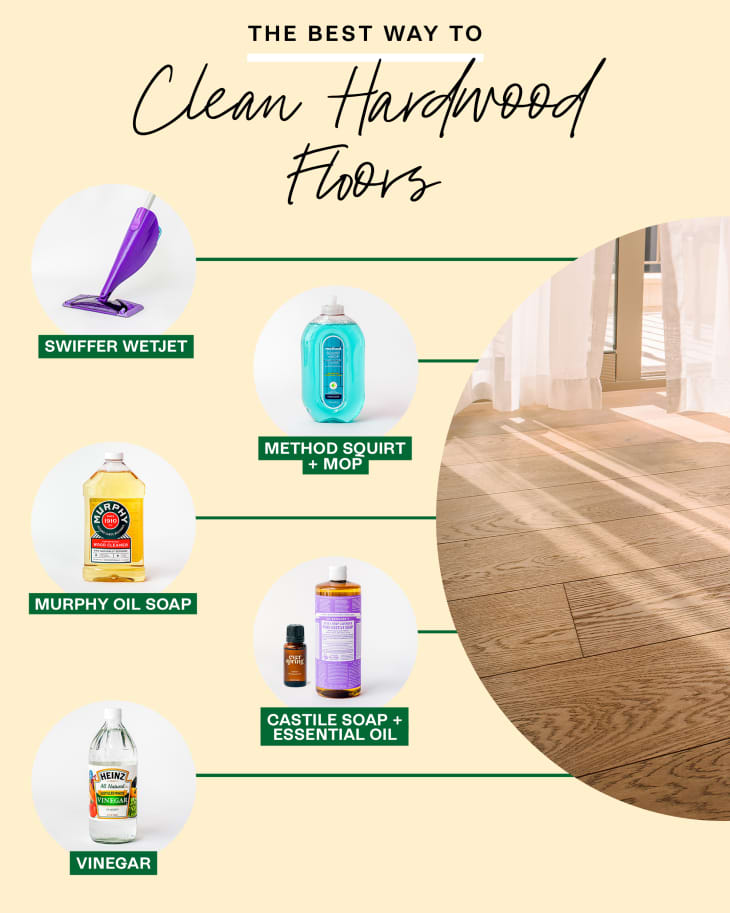
Choosing The Right Cleaning Products
Avoiding harsh chemicals is key to keeping floors safe. Chemicals can harm the wood. They might cause damage over time. It’s best to choose gentle products. These protect the beauty of the wood. Clean floors last longer without harsh chemicals.
There are eco-friendly options for cleaning wood floors. These are safe for the environment. They are also safe for your family. Natural cleaners are often gentle. They clean well without causing harm. Vinegar and water are good choices. They clean floors and keep them shiny. Another option is baking soda. It helps remove dirt without scratches. Eco-friendly choices are better for everyone.
Tools For Effective Cleaning
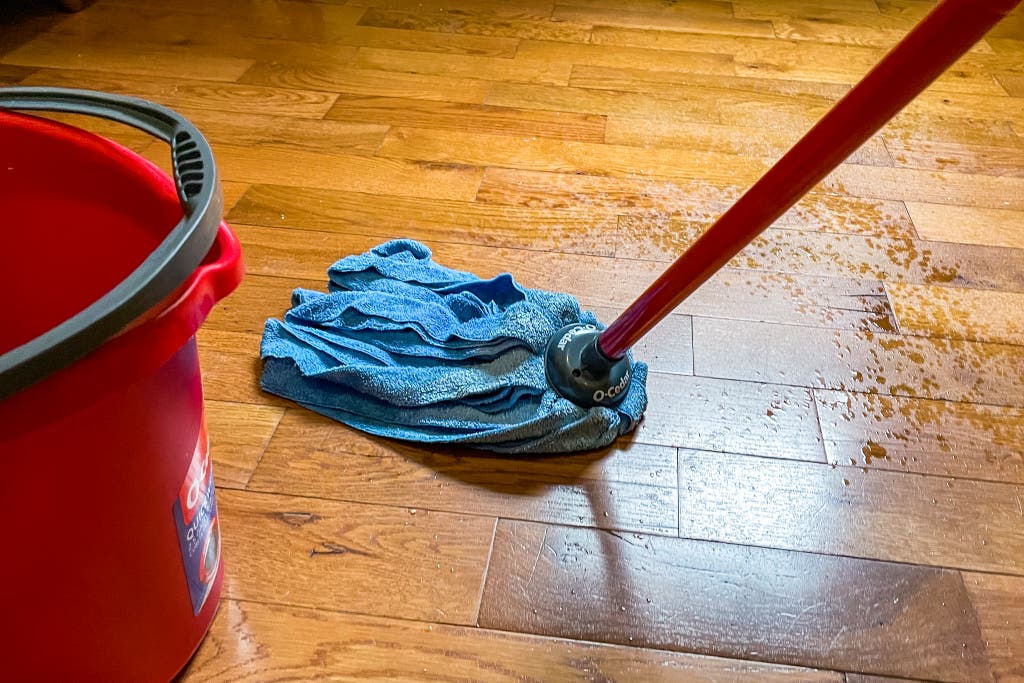
Choose a soft mop for hardwood floors. Hard mops can scratch them. Use microfiber cloths to clean corners. They reach tiny spots easily. Wet mops must be only slightly damp. Too much water can damage the wood. Clean mops often to avoid dirt build-up.
Use a vacuum with a hard floor setting. Avoid beater bars. They can harm the floor. Pick one with soft bristles. This helps in keeping the floor safe. Regular vacuuming removes dust and dirt. It keeps the floor shiny. Vacuum at least once a week.
Step-by-step Cleaning Process
Start by sweeping the floor with a soft broom. This removes dust and dirt. Use a vacuum for corners and edges. Ensure the vacuum has a hardwood setting. This prevents scratches. A microfiber mop can also be used. It traps fine dust particles. Regular dusting keeps floors clean.
Mix water with a few drops of gentle soap. Avoid harsh chemicals. They can damage the wood. Dip a mop into the solution. Wring it out well. The mop should be damp, not wet. Clean small sections at a time. Rinse the mop often. This keeps the water clean. Be gentle to protect the floor finish.
Use a dry towel to wipe the floor. This removes extra water. A fan can help speed up drying. Ensure no puddles are left. They can harm the wood. Make sure the floor is completely dry. This helps prevent warping or damage.
:max_bytes(150000):strip_icc()/mopping-wood-floors-getty-0123-2000-5479e90420a8494bb3317e611892bbf0.jpg)
Preventing Damage
Stains on hardwood floors can be tricky. Act quickly to remove them. Use a soft cloth to blot the stain. Avoid rubbing as it can spread the stain. Use mild soap and warm water for cleaning. Always dry the area with a clean towel. If stains remain, consider specialized wood cleaners. Test any cleaner on a small spot first. Some cleaners can damage wood.
Water is the enemy of hardwood floors. Too much water can cause warping. Use a damp mop, not a wet one. Dry floors immediately after cleaning. Spills should be wiped up quickly. Place mats at entryways to catch water. Ensure humidity levels are controlled. Use a dehumidifier if needed. Water can lead to mold. Mold is bad for wood.
Regular Maintenance Tips
Keep hardwood floors clean with a soft broom or a vacuum. Dust is bad for floors. Sweep every day. Use a soft cloth to wipe spills. Water can damage wood. It’s important to clean up spills right away. Walk with socks or slippers. This helps keep floors shiny. Shoes can bring dirt and scratches.
Use a mild cleaner for deep cleaning. Avoid strong chemicals. They can harm wood. Mix a small amount of cleaner with water. Use a damp mop. Not wet. Water can hurt floors. Mop gently and follow the wood grain. Dry with a soft towel. Do not let water sit. Check for scratches and marks. Fix them soon to keep floors looking nice.
Addressing Common Issues
Scratches on hardwood floors can look bad. Use a soft cloth to clean the scratch. Then, apply a crayon that matches the floor color. Fill the scratch completely. Buff the area gently. This helps hide the scratch. For deep scratches, use a wood filler. Follow instructions on the filler package. A small brush can help with application. Let the filler dry. Sand it lightly with fine sandpaper. Finally, apply a matching varnish or sealant.
Direct sunlight causes floors to fade. Curtains or blinds help block sunlight. Move furniture often. This prevents uneven fading. Use rugs in sunny spots. Clean the floor with a soft mop. Avoid harsh chemicals. These can cause more fading. Use a cleaner made for hardwood. Follow the label directions carefully. Keep the floor dry. Excess water can damage the wood.
Frequently Asked Questions
What Is The Best Way To Sanitize Hardwood Floors?
The best way to sanitize hardwood floors is using a pH-neutral cleaner. Avoid harsh chemicals that can damage the wood. Use a damp mop, not soaking wet, to prevent warping. Regular cleaning with gentle products maintains the floor’s finish and hygiene.
Can Vinegar Be Used On Hardwood Floors?
Yes, vinegar can be used on hardwood floors. Mix it with water for a gentle, effective cleaner. However, use it sparingly. Excessive vinegar may damage the floor’s finish. Always test a small area first to ensure it doesn’t cause discoloration or harm.
How Often Should Hardwood Floors Be Sanitized?
Sanitize hardwood floors once a week for optimal cleanliness. High-traffic areas might need more frequent cleaning. Regular sanitizing prevents buildup of dirt and allergens. Use gentle cleaning products to preserve the wood’s natural beauty and finish while maintaining hygiene.
Are Steam Cleaners Safe For Hardwood Floors?
Steam cleaners are generally not recommended for hardwood floors. The moisture can cause warping or damage. Instead, use a microfiber mop and a pH-neutral cleaner. This method ensures effective cleaning without risking water damage to the wood’s surface.
Conclusion
Keeping hardwood floors clean is simple with proper care. Use gentle cleaners. Regularly sweep to remove dirt. Mop with a damp cloth. Avoid harsh chemicals. Ventilate well to dry floors. This prevents damage. Regular checks help maintain beauty. Remember, clean floors enhance your home’s appeal.
Follow these steps for long-lasting shine. A little effort goes a long way. Enjoy spotless, healthy floors every day. Your hardwood deserves the best care. A clean home starts with clean floors. Keep them sanitized for a healthier living space.
Stay consistent. Your floors will thank you.