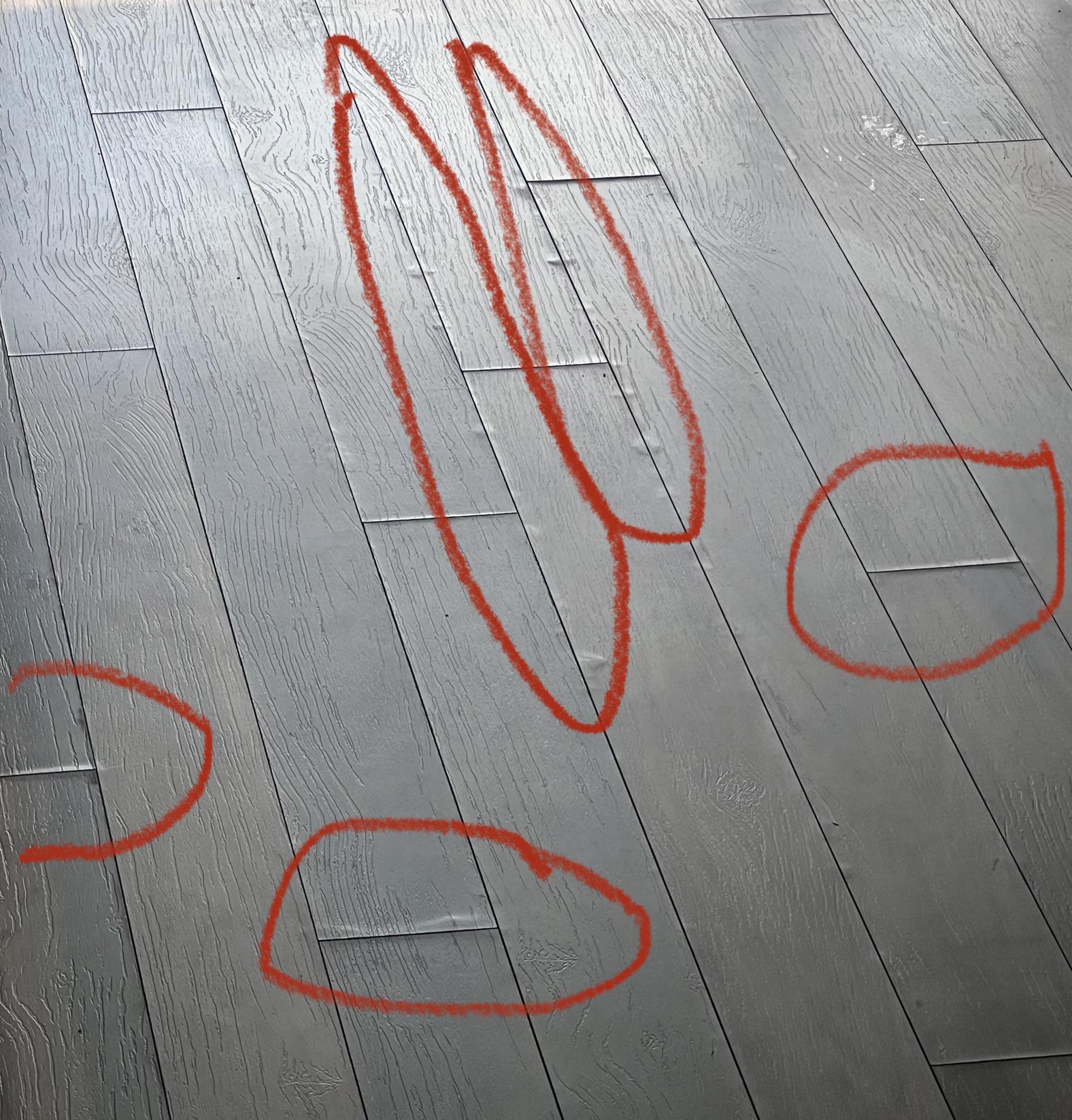

Picture this: you walk into your home and notice your laminate flooring has developed an unsightly swelling. It’s an issue that can catch anyone off guard, leaving you wondering about the next steps.
The good news is, you don’t always have to replace the entire floor to fix the problem. In this guide, you’ll discover effective methods to repair swollen laminate flooring without the hassle and expense of replacement. Imagine saving time, money, and keeping your home looking pristine.
By understanding the underlying causes and learning straightforward solutions, you can tackle this common household issue with confidence. Dive in to find out how simple tweaks and smart strategies can bring your floors back to their original glory. Don’t let swelling disrupt your peace of mind or your home’s aesthetic. Let’s explore how you can transform your flooring woes into a manageable fix.
Causes Of Swollen Laminate Flooring
Moisture buildup and spills often lead to swollen laminate flooring, causing unsightly bumps. Addressing this issue promptly can prevent further damage.
Moisture Exposure
Laminate floors hate water. Spills, leaks, or high humidity can cause trouble. Water seeps into the boards. This makes them swell. Always dry spills fast. Keep rooms dry. Use a dehumidifier if needed.
Installation Errors
Correct installation is key. Gaps around the edges are vital. They allow the floor to expand. Without gaps, boards buckle. Follow guidelines. Use professional help if unsure.
Subfloor Issues
Subfloors must be even. Uneven bases cause stress. This stress leads to swelling. Check the subfloor before laying laminate. Fix any bumps or dips first.
Essential Tools And Materials
First, gather a hammer and nails. A putty knife helps too. Don’t forget a screwdriver. A level is important for checking flatness. You will need a measuring tape. This helps to measure accurately. An awl helps in making holes. Lastly, a rubber mallet is very useful.
Buy some wood filler for gaps. Get a laminate repair kit. This includes necessary supplies. Some glue is needed for sticking. Purchase sealant to protect the floor. You will need sanding paper to smooth surfaces. Get a cleaning solution for dirt. Have some cloths for cleaning spills.
Preparing The Area
Clear the space by removing furniture and rugs. Ensure the floor is completely dry. This helps in identifying the swollen areas accurately.
Clearing The Room
Start by removing all furniture from the room. This makes it easy to work. Take away rugs and mats. Look around for small items. Check corners for hidden things. Keep the area clear and open. You need space to move. This helps avoid accidents. Ensure the floor is clean. Use a broom to sweep. Remove dust and dirt. A clean area helps you see better. Now, you are ready for the next step.
Inspecting The Damage
Carefully check the floor. Look for swollen spots. Feel the surface with your hands. Listen for any noises. Notice any bumps or cracks. Focus on the edges. These areas often show damage first. Use a ruler for measurements. Measure the swollen parts. Write down sizes and spots. This information helps in repairs. Make a plan based on what you find. Now you can decide the best steps to fix the floor.
Removing Damaged Planks
Swollen laminate flooring can be a big problem. First, find the damaged planks. Look for bumps or raised areas. These spots show where the flooring is swollen. Touch the planks gently. Feel for any uneven surfaces. It’s important to identify all affected areas. Mark each damaged plank. Use a sticky note or chalk to remember the spots.
Removing the damaged planks needs care. Start by using a crowbar or flat tool. Slide it under the plank’s edge. Lift slowly to avoid breaking nearby planks. Take your time. Always be gentle. After lifting, check the flooring for more damage. Look for water stains or mold. These can cause more problems later. Place the removed planks aside. Keep them safe in case you need them.
Drying And Repairing Subfloor
Ensuring Complete Dryness is very important. First, remove all furniture from the room. Open windows to let in fresh air. Use fans to speed up the drying process. Use a dehumidifier to remove moisture from the air. Inspect the floor carefully for any wet spots. All wet areas must be completely dry.
Addressing Subfloor Damage is necessary if there’s any visible damage. Check for soft spots on the floor. These spots might need extra care. Sand the damaged areas gently. Make sure the surface is smooth. If needed, apply a wood filler for small cracks. Let it dry before walking on it. This helps in maintaining the floor’s strength.

Replacing Laminate Planks
Choose planks that match your floor color and pattern. Visit the store with a sample piece. Compare it with available options. This ensures you get the right match. Ask for help if you are unsure. Staff can guide you to the best choice.
Proper tools make the job easier. Use a tapping block and a pull bar. These tools help align the planks. Gently tap them into place. Never force them down. This prevents damage. Ensure the floor is clean before starting. Remove any debris or dust. This ensures a smooth fit. Follow the manufacturer’s instructions closely. This ensures a tight and lasting fit.
Sealing And Protecting
Applying protective sealants helps guard your laminate. These sealants stop water from getting into the floor. Choose a sealant meant for laminate. It should dry clear. Follow the instructions on the bottle. Use a brush or roller. Cover the entire floor area. Ensure no spots are missed. Let it dry fully before stepping on it. This keeps the floor safe from water damage.
Tips For Future Prevention
- Always wipe up spills right away.
- Use rugs in areas prone to water.
- Avoid using too much water when cleaning.
- Place mats by doors to catch rainwater.
- Keep humidity levels consistent in your home.
Maintenance Tips For Longevity
Fixing swollen laminate flooring can extend its life without needing replacement. First, identify and eliminate moisture sources. Carefully dry the affected area using fans or dehumidifiers. Afterward, apply a light pressure to flatten the planks. Consider adding sealant for added protection.
Regular Cleaning Practices
Dust and dirt can harm laminate flooring. Use a soft broom to sweep daily. A vacuum with a soft brush can help too. Avoid harsh cleaners. Mild soap and water are best. Dry the floor well after cleaning. Wet floors can swell easily. Keep your mop damp, not soaking wet. Wipe spills quickly to prevent damage.
Avoiding Common Mistakes
Heavy furniture can dent laminate floors. Use pads under furniture legs. Dragging items can scratch the surface. Lift items instead. High heels can damage the flooring. Be careful when walking. Water is the enemy of laminate. Do not let water sit on the floor. Always dry spills right away. Heat can also damage the floor. Avoid placing hot items directly on it.
Frequently Asked Questions
What Causes Laminate Flooring To Swell?
Laminate flooring swells due to moisture exposure. This can happen from spills, high humidity, or water leaks. When moisture penetrates the flooring, it causes the material to expand. Proper sealing and maintenance can help prevent swelling. Always address moisture issues promptly to avoid damage.
Can Swollen Laminate Flooring Be Repaired?
Yes, swollen laminate flooring can be repaired. First, identify and eliminate the moisture source. Then, use a heat gun or hairdryer to dry the area. Replace damaged planks if necessary. Proper ventilation and moisture barriers can prevent future swelling.
How Do I Prevent Laminate Swelling?
Preventing laminate swelling involves controlling moisture levels. Use dehumidifiers to manage humidity, especially in high-risk areas. Ensure proper sealing during installation. Quickly clean spills and repair leaks. Regular maintenance and inspections can help keep your laminate flooring in good condition.
Is Professional Help Needed For Swollen Laminate?
Professional help isn’t always necessary for swollen laminate. Homeowners can often fix minor issues themselves. However, if swelling is extensive or persistent, consulting a flooring expert may be wise. They can assess the situation and recommend effective solutions to prevent further damage.
Conclusion
Repairing swollen laminate flooring is easy with the right steps. Regular checks help spot issues early. Swift action prevents further damage. Use moisture barriers for protection. Consider dehumidifiers in damp areas. Proper ventilation keeps floors dry. These simple tips maintain floor beauty.
Save money by fixing instead of replacing. With care, your laminate lasts longer. Enjoy the smooth surface without worry. Repairing doesn’t have to be hard. A little effort brings big results. Keep your home comfortable and stylish. Follow these tips for a lasting solution.