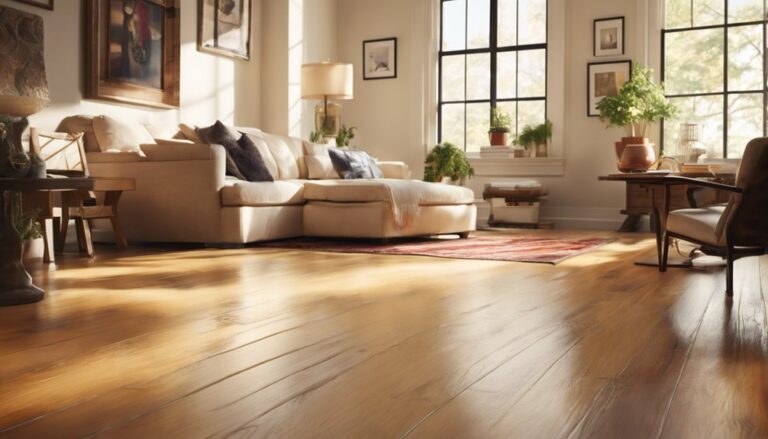

Imagine walking into your living room, the sun streaming through the windows, illuminating the natural beauty of your hardwood floor. But then your eyes catch something – a scratch, marring its flawless surface.
It’s frustrating, isn’t it? Your hardwood floor is more than just a part of your home; it’s an investment in elegance and style. The good news is, you don’t have to live with those unsightly scratches forever. With the right approach, you can restore your floor‘s charm and keep it looking new.
You’ll discover simple yet effective techniques to repair those scratches, breathing life back into your beloved hardwood. Let’s dive in and find out how you can reclaim the beauty of your space.

Identifying Scratch Types
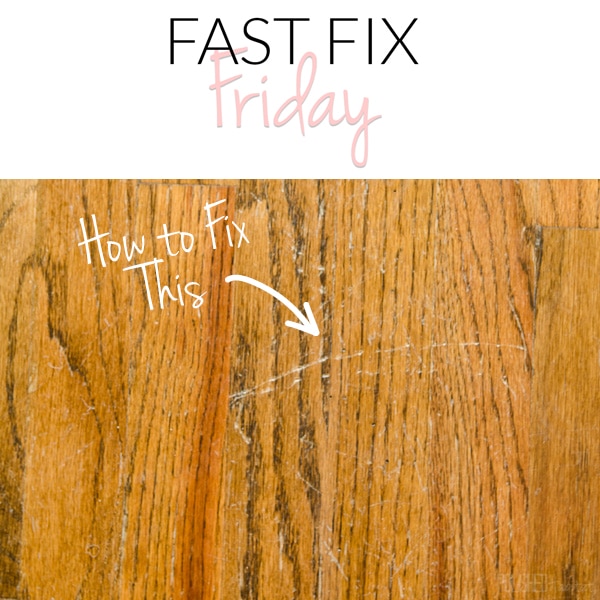
Surface scratches are light and shallow. They affect only the top layer. These are usually caused by furniture. Or sometimes by pets. Fixing them is easier. A simple polish can help. Use a clean cloth. Rub gently until the scratch fades.
Deep gouges are more serious. They go into the wood itself. You may need a wood filler. Fill the gouge with it. Then sand the area gently. Finally, apply a finish to match the floor. This makes the gouge disappear.
Water can cause stains or warping. Look for discoloration. Or check for swelling in the wood. Dry the area well. Use a fan or a heater. Sometimes you need to replace damaged planks. Water can be tricky.
:strip_icc()/BHG-how-to-get-scratches-out-of-wood-floors-02-49478-1jpg-2b4f76f9efee4edc9459009c34c460ab.jpg)
Essential Tools And Materials
Repair kits are great for small scratches. They often include wax sticks and markers. These help match the floor color. Always pick the right shade. Test on a hidden spot first. That way, you know it blends well.
Sanding tools smooth out deep scratches. Sandpaper and sanding blocks are useful. Start with coarse grit. Then use a finer grit. This makes the surface even. Always sand along the wood grain. This prevents more damage.
Finishing products protect the repaired area. Polyurethane is a popular choice. It adds shine and strength. Wood polish can also work. It gives the floor a fresh look. Apply with a clean cloth. Always follow the product instructions.
Preparing The Floor
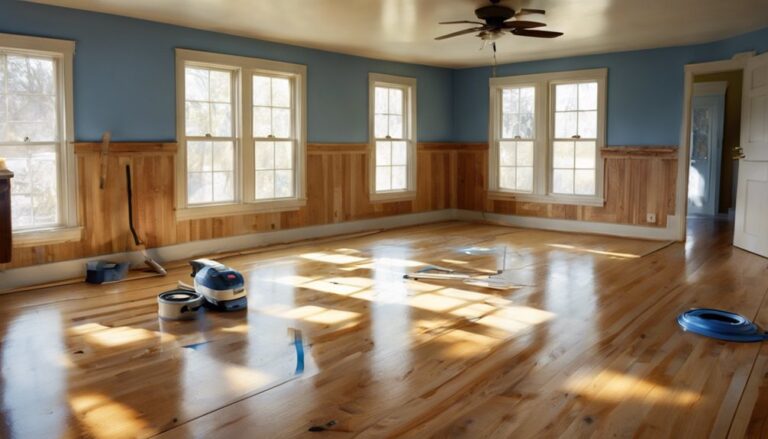
Start by removing all dust and dirt. Use a soft broom or vacuum. This helps in seeing the scratches better. Then, take a damp cloth. Wipe the floor gently. Avoid using too much water. Water can harm wood floors. Clean floors show scratches clearly. Make sure the floor is dry before moving on.
Check how deep the scratches are. Light scratches are on the surface. Deep scratches go into the wood. This helps in deciding how to fix them. Look for other damages too. Cracks or warping need special care. Knowing the floor’s state helps in choosing the right method.
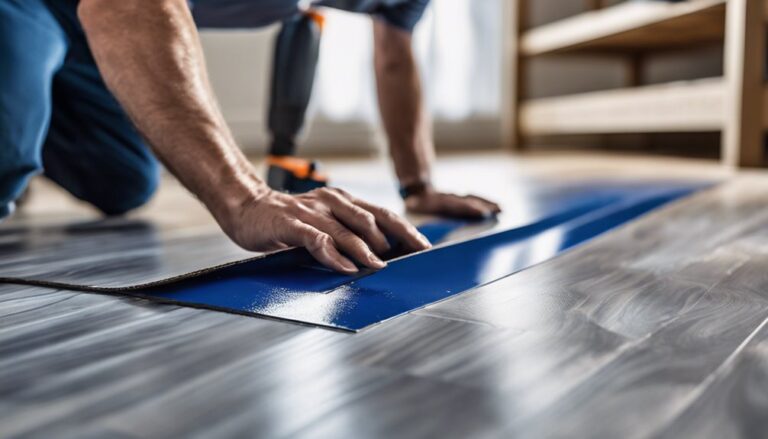
Cover nearby areas with tape or cloth. This stops any accidental damage. Use painter’s tape for edges. Tape helps in keeping areas safe. Protect furniture by moving it away. If not possible, cover them. This way, your work area stays tidy and clean.
Repairing Surface Scratches
Scratch repair pens are easy to use. They cover small scratches well. Choose a pen that matches your floor color. Clean the area first. Rub the pen over the scratch. Let it dry. The scratch will look less visible. Scratch repair pens work on many floors.
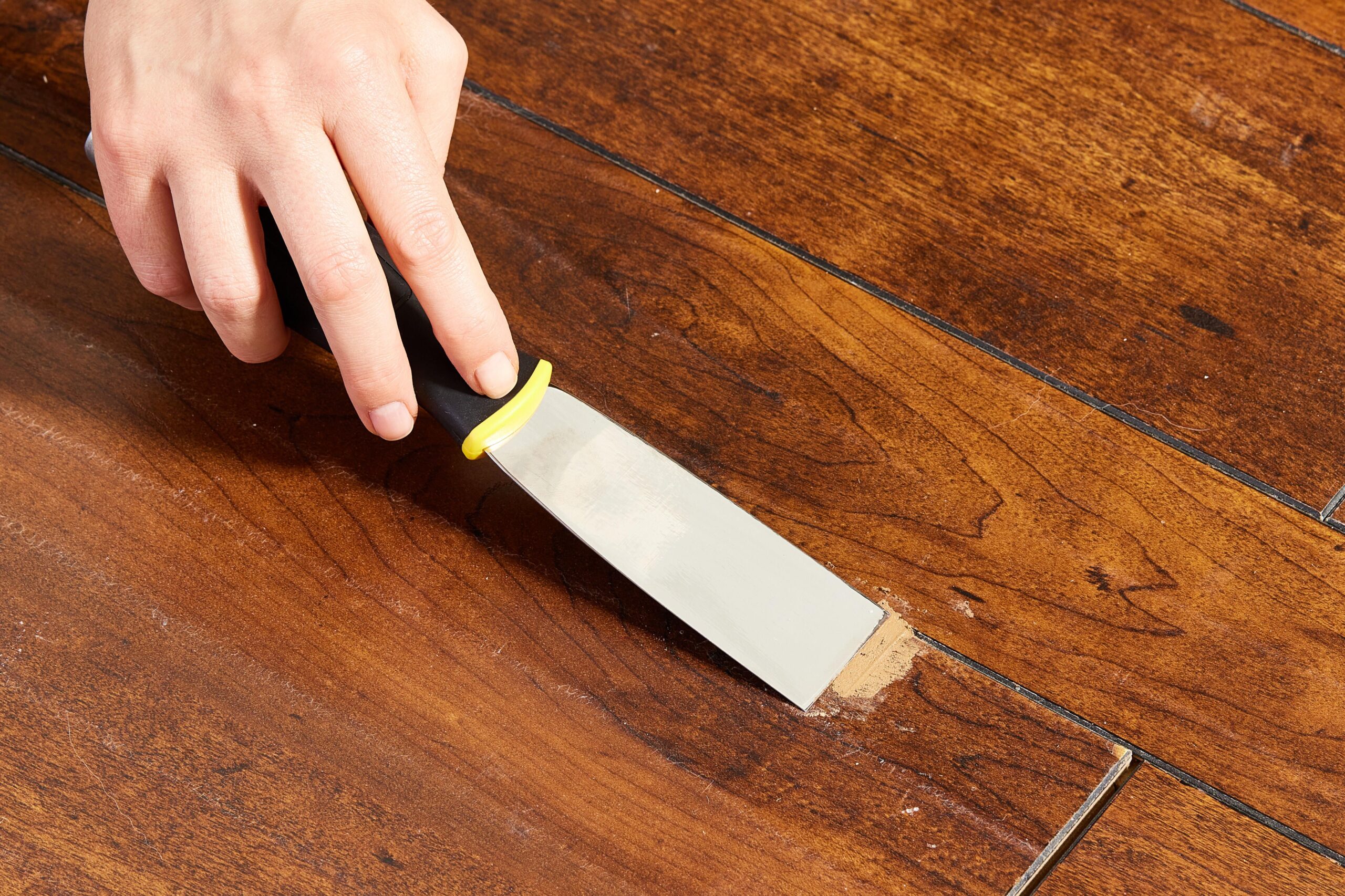
Wood fillers are great for deeper scratches. They fill gaps nicely. Start by cleaning the scratch. Apply the filler with a putty knife. Smooth it out. Let it dry completely. Sand the area gently. This makes it smooth. Wood fillers match floor colors too.
Buffing makes the floor shine. It hides tiny scratches. Use a soft cloth. Rub in a circular motion. Apply a floor polish. This adds shine. Polish helps protect the floor. Repeat every few months. Your floor stays beautiful. Buffing is quick and easy.
Fixing Deep Gouges
Clean the gouge with a damp cloth. Remove all dust and dirt. Then, fill the gouge with wood putty. Use a putty knife for this. Smooth the surface. Wait for it to dry completely. Check the package for drying time. Some putties dry fast.
Use sandpaper to make the area smooth. Start with coarse sandpaper. Move to finer sandpaper. Sand along the wood grain. Do not sand too hard. This might damage the floor more.
Choose a stain that matches your floor. Apply the stain with a brush. Let it dry as per instructions. After drying, apply a sealant. This protects the floor. It also makes it shiny. Follow the product instructions carefully.
Addressing Water Damage
Wet floors need quick action. First, remove all water. Use a mop or towels. Ensure the area is dry. Use fans or a dehumidifier. This stops mold from growing. Mold can ruin the wood.
Some boards may be too damaged. These need replacing. First, remove the damaged board. Be careful. Next, get a new board. It should match the old one. Finally, fit the new board in place. Make sure it is secure.
Protect your floor from future damage. Use mats near sinks. This catches water spills. Check for leaks often. Fix them fast. Keep an eye on humidity. Use a dehumidifier if needed. These steps help keep your floor safe.
Maintaining Hardwood Floors
Clean floors with a soft broom often. Use a vacuum to catch dust. Wet mops can harm wood. Use a damp cloth instead. Water can make floors swell. Keep them dry. Wipe spills quickly. A dry floor stays strong.
Place mats at doors. They catch dirt from shoes. Use felt pads under furniture. This stops scratches. Trim pet nails to keep the wood safe. High heels can dent floors. Walk barefoot or in soft shoes.
Hire experts to polish floors. Professionals use special tools. They fix scratches easily. They also apply protective finishes. This helps floors last longer.
Frequently Asked Questions
How Can I Identify A Scratch On Hardwood Floors?
Identifying a scratch is easy. Look for visible lines or marks disrupting the floor’s finish. Deep scratches may expose the wood grain. Light scratches are usually surface-level. Regularly inspect your floors under good lighting for best results. Identifying scratches early can help in effective repair.
What Tools Are Needed For Scratch Repair?
For scratch repair, you’ll need a soft cloth, hardwood cleaner, fine-grit sandpaper, and wood filler. A putty knife and matching stain or finish are also helpful. These tools help restore the floor’s appearance. Always ensure tools are clean to avoid further damage during repair.
Can Scratches Be Fixed Without Professional Help?
Yes, minor scratches can be fixed without professional help. Clean the area first, then apply wood filler. Sand lightly and apply a matching stain or finish. Follow with a protective coating. For deep scratches, professional assistance might be better to ensure a seamless repair.
Is Sanding Necessary For Scratch Repair?
Sanding is necessary for deeper scratches. It smooths the wood surface and prepares it for refinishing. Use fine-grit sandpaper for best results. Light scratches may not need sanding, just cleaning and a touch-up with matching finish. Always sand gently to avoid further damage.
Conclusion
Repairing scratched hardwood floors can be simple and rewarding. Follow these steps to restore your floor’s beauty. Start by cleaning the area. Choose the right method for the scratch. Light scratches need a polish or wax. Deeper scratches might require sanding and refinishing.
Use the right tools to avoid further damage. Regular maintenance helps prevent future scratches. Keep floors clean. Use rugs in high-traffic areas. Avoid dragging furniture. With these tips, your floors will stay beautiful. Enjoy the charm of your home’s hardwood.