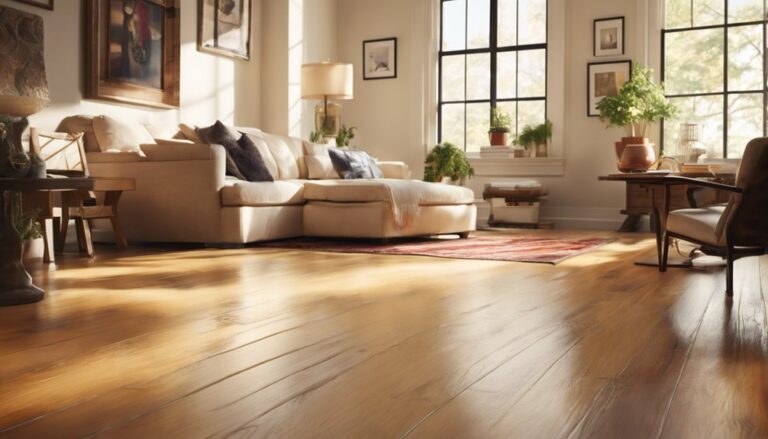

Imagine walking across your living room and feeling the smooth, polished elegance of your hardwood floor underfoot. It’s a timeless part of your home that adds warmth and beauty to any room.
But what happens when that pristine surface starts showing signs of wear and tear? Scratches, dents, and dull patches can make your once-lovely floor look tired and worn out. You might feel a pang of worry, wondering if you need to replace the entire floor.
Don’t worry! You can restore your hardwood floor to its former glory with a few handy tips and tricks. This guide will show you simple, effective ways to repair your hardwood floor without breaking the bank or needing professional help. Whether you’re dealing with minor scratches or more serious damage, you’ll find practical solutions that can save you time and money. Keep reading, and you’ll discover how easy it is to bring back the shine and beauty of your hardwood floors. Ready to get started? Let’s dive in!
Common Hardwood Floor Issues
Scratches make floors look old. Small scratches can be buffed out. Use a soft cloth or a special pad. For deeper scratches, use a wood filler to fill gaps. After filling, sand the area gently. Then, apply a matching wood finish.
Water causes wood to swell and warp. Quickly dry the water to stop damage. Use a fan or dehumidifier. If wood is warped, it may need replacement. For minor damage, sanding and refinishing can help. Keep the floor dry to avoid future damage.
Wood expands and contracts with temperature. This causes gaps. Fill gaps with wood filler. Make sure the filler matches the floor color. Cracks may need more work. Sometimes, replacing the plank is best.
Stains make floors look dirty. Use a gentle cleaner for light stains. For dark stains, sand the affected area. Use a matching stain to cover the spot. Protect the floor with a sealant to prevent future stains.
Tools And Materials Needed
Hammer and nails are needed for most repairs. A tape measure helps to measure spaces. Sandpaper smooths rough spots. Putty knife applies filler easily. A screwdriver is useful too. Chisel removes damaged wood. A level ensures flat surfaces.
Wood filler fills small gaps. Wood stain matches the floor’s color. Putty helps in sealing. Use clean cloths for wiping. Glue is handy for small fixes. Floor polish makes it shine. Keep clean water nearby for clean-up.
Replacement wood pieces fix large areas. Wood sealer protects new wood. Power sander smooths large spaces. Nail gun speeds up nailing. Wood glue bonds strongly. Varnish gives a shiny finish. Safety goggles protect eyes.
Preparation Steps
Always wear safety goggles and gloves. This will protect your eyes and hands. Ensure the room has good ventilation. Open windows or use fans. Keep a first-aid kit nearby. Just in case of small injuries. Never rush the process. Be careful and take your time. Safety is very important.
Check the floor condition first. Look for cracks or holes. See if the wood is warped or loose. Identify the damaged areas. Measure these areas carefully. Understand what needs fixing. This helps plan the repair. Use a notepad to record your findings.
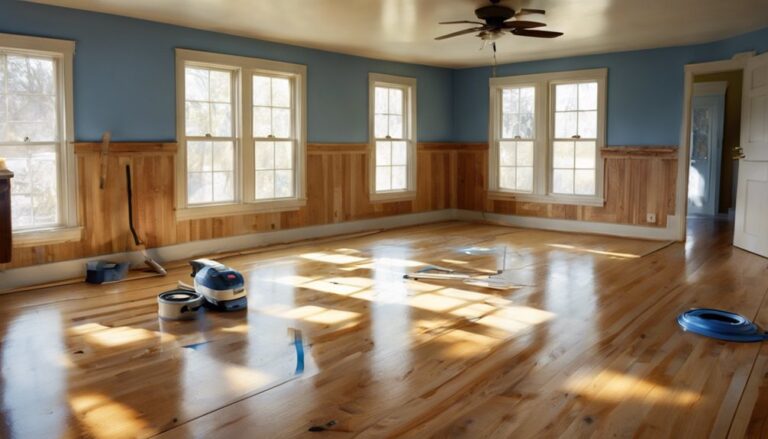
Remove furniture from the room. Clear the space for easy access. Sweep the floor to remove dust. Use a vacuum for a thorough clean. Check for hidden nails or sharp objects. These can cause injuries. Clean the floor with a damp mop. Let it dry completely before you start.

Repairing Scratches And Scuffs
Buffing helps remove light scratches. Use a soft cloth or pad. Gently rub the scratched area. Move in a circular motion. Buffing blends the scratch with the wood. Choose a gentle cleaner if needed. Avoid harsh chemicals. They can harm the floor.
Wood fillers fix deeper scratches. Select a filler that matches the wood color. Clean the area first. Apply the filler with a putty knife. Smooth it over the scratch. Let it dry completely. Sand the area gently. Use fine sandpaper. Make the surface smooth.
Markers are great for small scratches. Pick a marker close to the wood color. Clean the scratch area. Apply the marker on the scratch. Use a light hand. Let it dry for a few minutes. Buff the area with a soft cloth. Make the repair blend well.
Fixing Water Damaged Areas
Quickly dry wet spots on the floor. Use fans and towels. Moisture makes wood swell and break. Check for hidden water under the boards. Moisture meters help in finding damp spots. Ensure the area is completely dry.
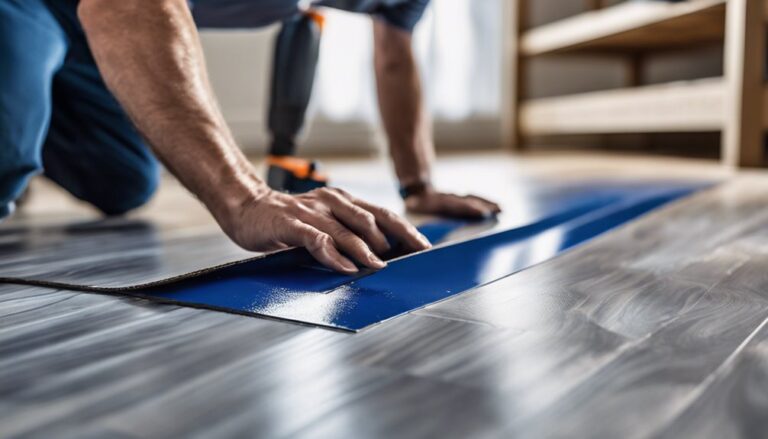
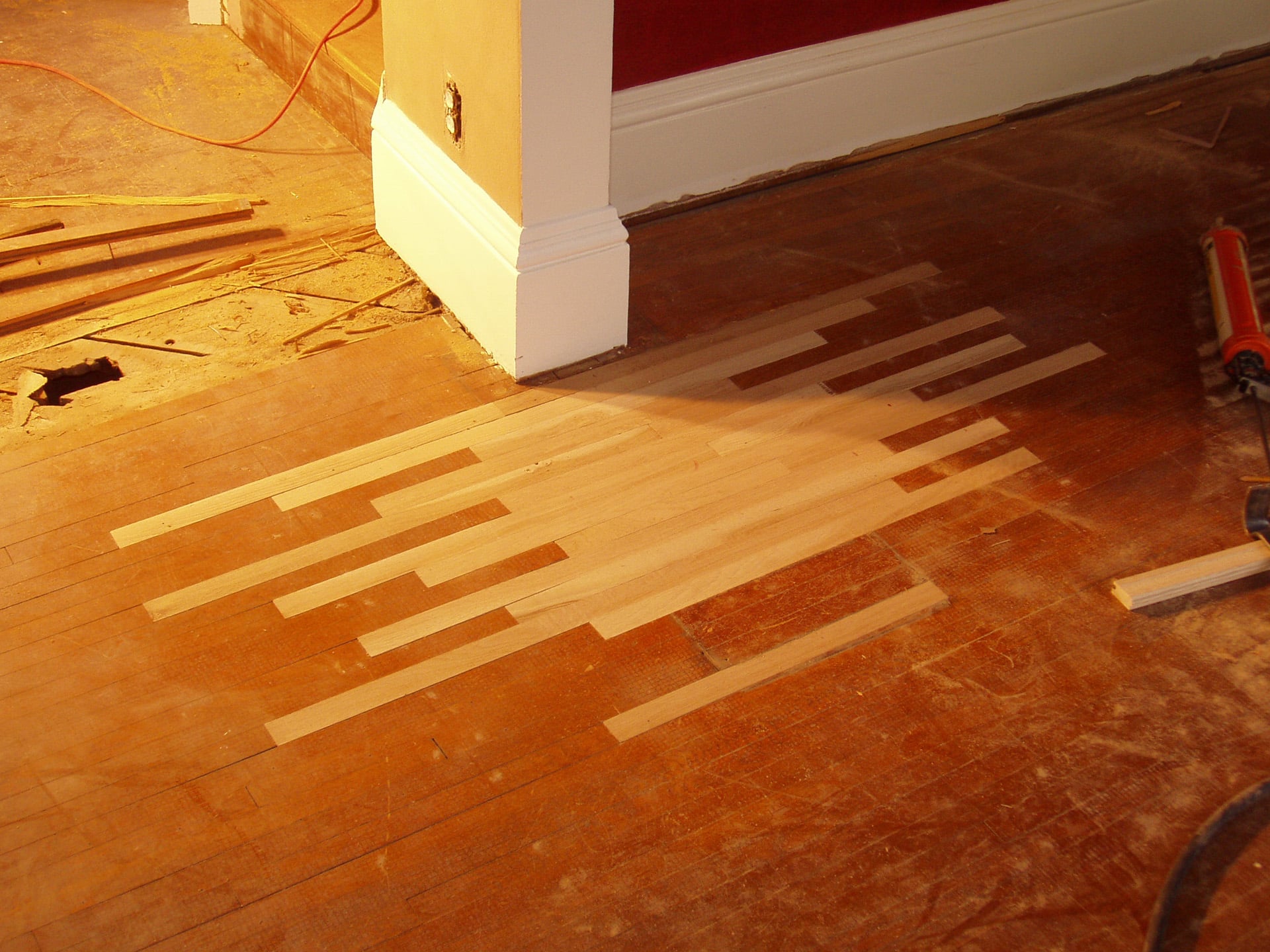
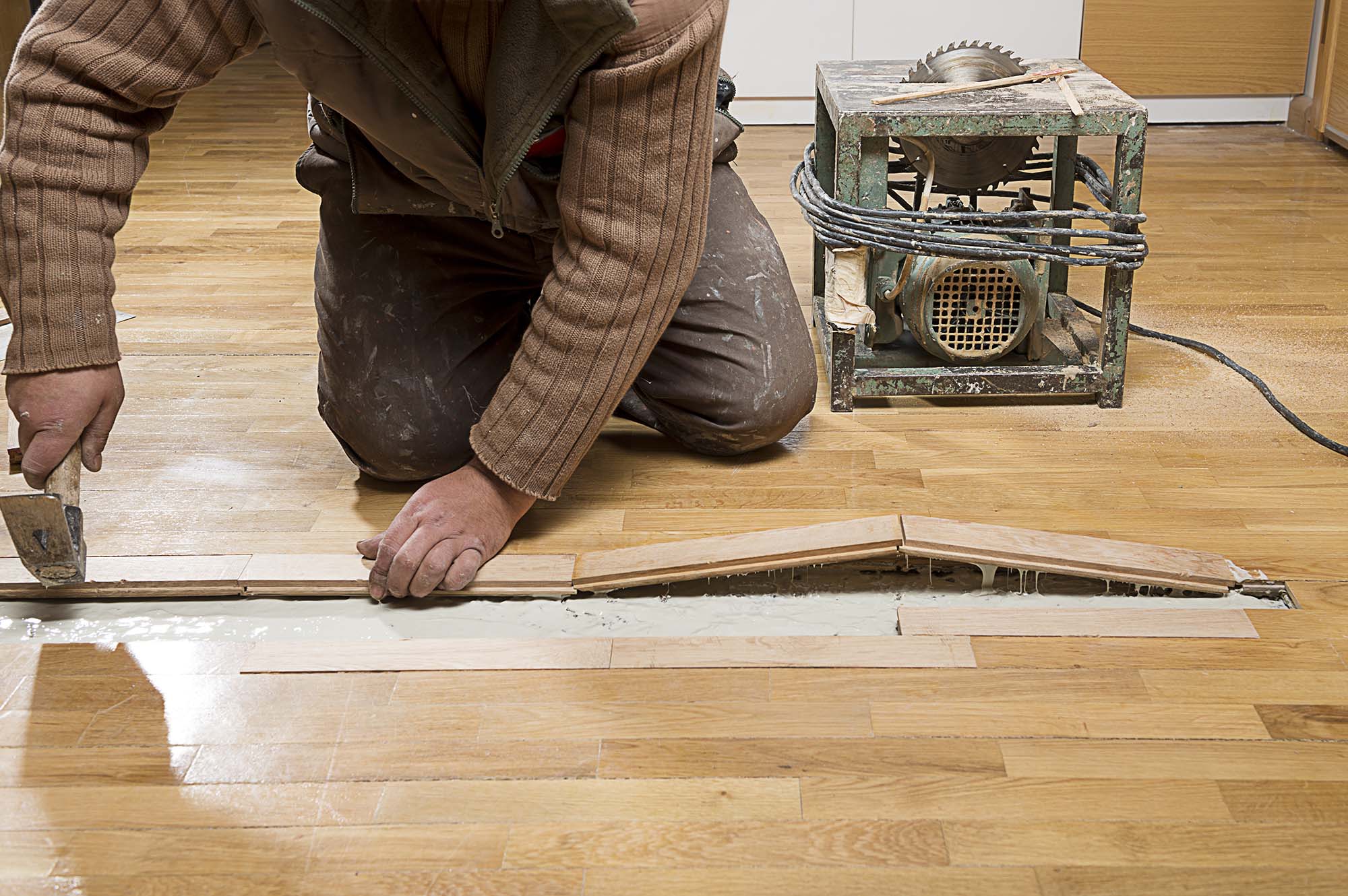
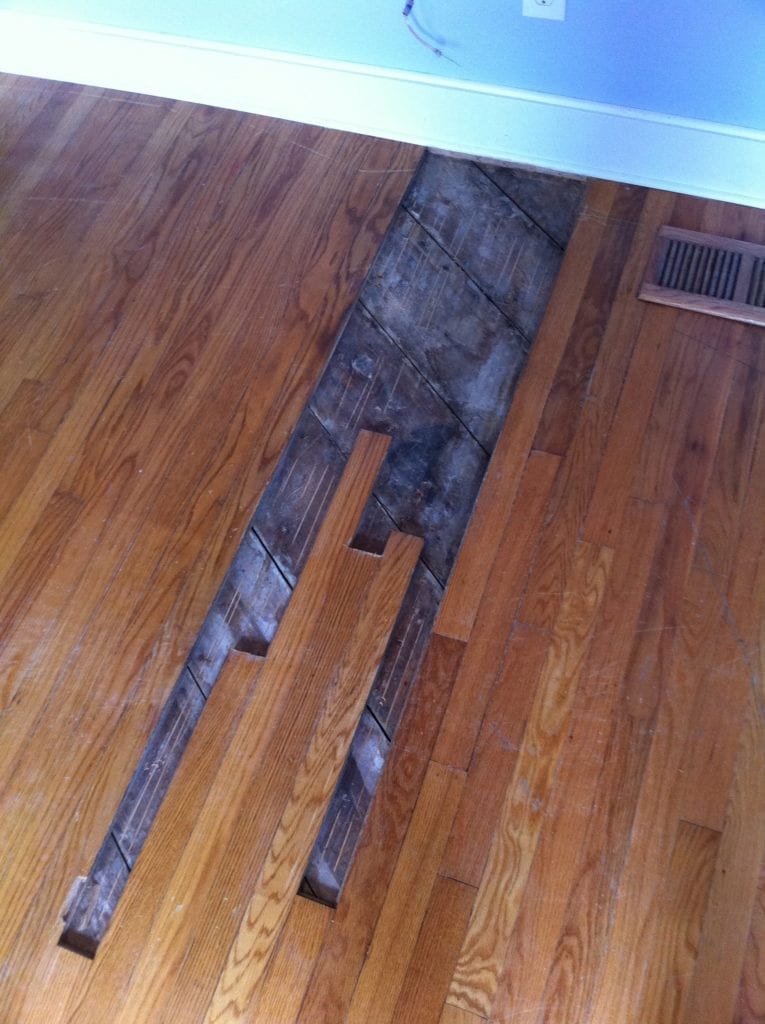
Gently lift the damaged board. Be careful not to break it more. Buy a new board of the same size. Cut it to fit if needed. Carefully place the new board. Glue and nail it down securely.
Apply a sealant to protect the wood. Choose a sealant that matches your floor. Use a brush or roller for even application. Let it dry completely. Finishing gives the floor a shiny look. It also adds extra protection. Apply a thin layer and let it dry.
Addressing Gaps And Cracks
Use wood filler for small gaps in floors. First, clean the gap. Remove dirt and dust. Apply the filler with a putty knife. Let it dry completely. Sand the area smooth after drying. This helps the floor look even and neat. Always choose the right color filler for your floor.
Larger cracks need a bit more work. Get a wood patch or sliver. Cut it to fit the crack size. Use wood glue to secure it. Press it firmly into the crack. Let it dry well. Once dry, sand the area. This will make the floor smooth again.
Keep your home at stable temperature. Wood moves with heat and cold. Use a humidifier in dry months. This helps keep wood from shrinking. Regular cleaning keeps dirt out of gaps. Check your floor often for new gaps. Quick fixes stop them from growing.
Removing Stains And Discoloration
Use vinegar and water to clean stains. Mix them in equal parts. Dip a cloth in the mix. Gently rub the stain. Avoid using too much water. Too much water can harm the wood. You can also try baking soda. Make a paste with water. Rub it on the stain. Leave it for a few minutes. Wipe it off with a damp cloth.
Sanding helps to remove scratches. Use a fine-grit sandpaper. Rub it lightly over the scratch. Clean the dust after sanding. Apply a wood finish to the area. The finish protects the wood. It also makes it shiny. Let it dry fully before walking on it.
Protective coatings keep floors safe. They guard against wear. Apply a sealant to the floor. It forms a shield. Wax can also be used. It adds a shiny layer. Both options help the floor last longer.
Maintenance Tips
Sweep the floor daily to remove dirt. Use a soft broom to avoid scratches. Vacuum weekly with a brush attachment. Clean spills right away to prevent stains. Use a damp mop for deep cleaning. Avoid wet mops as water can damage wood. Use mild soap, not harsh cleaners.
Place rugs at entryways to trap dirt. Use felt pads under furniture legs. Trim pet nails to avoid scratches. Keep indoor humidity levels steady. Avoid wearing high heels on the floor. Rearrange furniture carefully to prevent dents.
Polish floors every few months for shine. Refinish floors every few years to maintain beauty. Use professional services for deep scratches. Check for loose boards and secure them. Inspect for termites and treat if necessary. Enjoy your beautiful hardwood floor!
Frequently Asked Questions
How Do I Fix Scratches On Hardwood Floor?
To repair scratches, clean the area first. Use a wood filler or a wax stick matching your floor color. Apply gently and wipe excess. For deeper scratches, consider sanding and refinishing. Regular maintenance helps prevent future scratches.
Can Water Damage Hardwood Floors?
Yes, water can warp and stain hardwood floors. Dry spills immediately to prevent damage. For minor water damage, use fans or dehumidifiers. Severe damage may require professional repairs. Ensure proper sealing to protect your floors from moisture.
How Often Should Hardwood Floors Be Refinished?
Refinish hardwood floors every 7-10 years. Frequency depends on foot traffic and wear. Check for signs like discoloration or scratches. Proper care can extend the time between refinishing. Regular cleaning and maintenance preserve the floor’s appearance.
What Tools Are Needed For Floor Repair?
You’ll need a putty knife, sandpaper, wood filler, and a wax stick. For refinishing, use a sander and protective gear. A vacuum helps clean debris. Ensure tools are appropriate for your floor type. Proper preparation ensures successful repair results.
Conclusion
Repairing hardwood floors can be simple with the right steps. Start by identifying the damage. Use appropriate tools for cleaning and sanding. Apply matching stain for a perfect finish. Seal the floor to protect it from future damage. These steps will keep your floors looking great.
Regular maintenance is key. Avoid harsh chemicals and heavy impacts. Your hardwood floor deserves care. With these tips, you can repair it successfully. Enjoy a beautiful, lasting floor in your home. Keep it shining bright and welcoming for years to come.