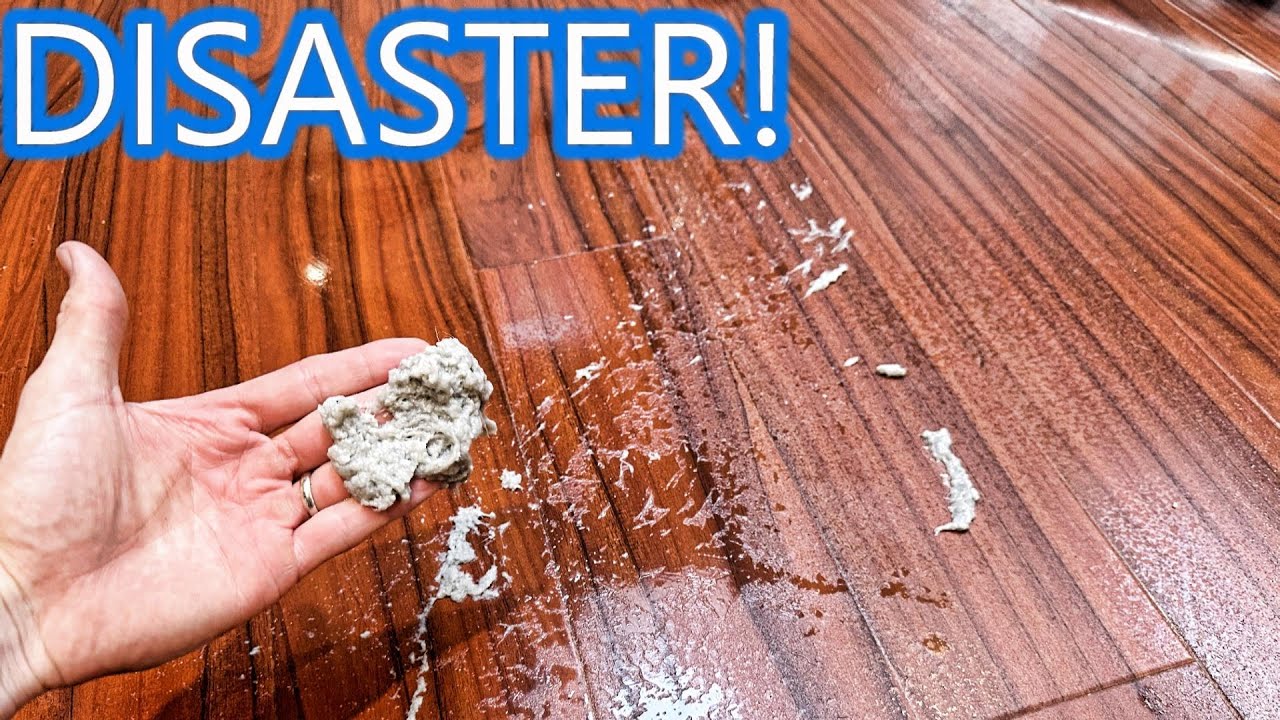

Have you ever found yourself staring at a stubborn wax stain on your beautiful floor, unsure of how to tackle the mess without causing any damage? If you’ve nodded in agreement, you’re not alone.
Wax spills can seem daunting, especially when it comes to preserving the pristine look of your flooring. But fear not, you’re about to discover simple yet effective methods to remove wax from your floor without breaking a sweat. Imagine walking into a room where every inch of your floor sparkles, free of any waxy residue.
This feeling of satisfaction isn’t just a dream; it’s achievable! With the right techniques at your fingertips, you’ll have the confidence to restore your floor to its original glory. By the end of this article, you’ll not only know how to eliminate wax from your floor but also ensure it stays spotless for longer. Ready to transform your cleaning routine and reclaim the beauty of your space? Let’s dive into the secrets of effortless wax removal that will leave your floors gleaming and your mind at ease.

Preparation Steps
Start by collecting all the needed tools. You will need a mop, a bucket, and some clean cloths. A scraper and a vacuum can help too. Choose a gentle cleaner to not harm the floor. Make sure the cleaner is safe for your floor type.
Always put safety first when cleaning. Wear rubber gloves to protect your hands. Open windows for fresh air. Make sure the floor is dry before walking on it. Avoid slips and falls by being careful.
Identifying Wax Type
There are different types of floor wax. Liquid wax is often used. It dries fast and gives a shiny look. Paste wax is thicker. It takes longer to dry but offers great protection. Water-based wax is easy to apply. It is less sticky than other waxes. Knowing the type is important. It helps in choosing the right cleaning method.
Testing helps find the wax type. Use a cloth and rub it on the floor. Liquid wax will show a stain on the cloth. Paste wax feels sticky when touched. Water-based wax leaves a milky mark. Simple tests make cleaning easier. It’s like a little science experiment at home.
Effective Wax Removal Techniques
Heat can make wax soft. Use a hairdryer on low heat. Hold it close to the wax spot. Keep it moving to avoid floor damage. Once the wax melts, wipe it with a cloth. Be careful not to burn yourself.
Chemicals can help remove wax. Buy a wax remover from the store. Follow the instructions on the label. Apply it to the wax with a cloth. Let it sit for a few minutes. Then, wipe away the wax.
A plastic scraper can remove wax too. Gently scrape the wax off. Be sure not to scratch the floor. Collect the wax pieces with a cloth. Vacuum the area to pick up small bits.

Cleaning Residual Wax
Using the right cleaning agents is crucial. Mild dish soap works well. White vinegar is another option. Both are gentle on most floors. Avoid strong chemicals. They can damage the surface. Warm water helps in cleaning. Mix it with soap or vinegar. Apply with a soft cloth.
Preventing floor damage is important. Use soft cloths to clean. Scrubbing hard can cause scratches. Test cleaning agents first. Try on a small area. Check for any reaction. Follow instructions on cleaning products. Proper care keeps floors safe and clean.
Preventing Future Wax Build-up
Keep your floor clean with regular sweeping. Dirt and dust can cause wax build-up. Use a damp mop weekly. This helps remove any sticky residues. Dry the floor completely after cleaning. Water can cause wax to stick more.
Choose a floor finish that suits your floor type. Some finishes are better for tiles. Others work well for wood. Read labels before buying. This ensures you pick the right one. Avoid finishes with too much shine. They can cause more wax to stick.
Professional Help
Removing wax from floors can be tricky. Professional help ensures safe, effective cleaning. Say goodbye to sticky floors.
When To Call A Specialist
Wax can be tricky. Sometimes it just won’t come off. Floors can get scratched or damaged. Call a specialist if you feel stuck. They have the right tools. Experts know how to handle tough spots. This saves your floor from harm. It also saves time.
Cost Considerations
Think about the cost of hiring help. Professionals can be expensive. Prices vary by location. Compare prices before deciding. Some might offer a free quote. It helps to know the average cost. This way, you can budget wisely. Sometimes, fixing damage costs more. So, a professional may be cheaper in the long run. Decide what works best for your budget.

Frequently Asked Questions
What Tools Remove Wax From Floors Effectively?
You can use a plastic scraper or a credit card to gently lift wax. For stubborn areas, a heat gun or hairdryer softens wax for easy removal. Always follow with a clean cloth and gentle floor cleaner to ensure all residues are gone.
Can Vinegar Remove Wax From Floors?
Yes, vinegar is effective for removing wax from floors. Mix equal parts vinegar and water, apply to the area, and let it sit briefly. Scrub gently with a cloth or sponge. Ensure you rinse thoroughly to remove all vinegar traces and prevent damage.
How Does Heat Help In Wax Removal?
Heat softens wax, making it easier to remove. Use a hairdryer on a low setting to melt the wax slightly. Once softened, gently scrape it off with a plastic tool. Be cautious not to overheat, which can damage floor surfaces.
Is Commercial Wax Remover Safe For Floors?
Commercial wax removers are generally safe if used correctly. Always follow manufacturer instructions and test on a small area first. Choose a product suitable for your floor type to prevent damage. Ventilate the area well to avoid inhaling strong fumes.
Conclusion
Removing wax from floors can be a straightforward task. Follow the steps carefully for the best results. Use the right tools and cleaning solutions. Patience is key during the process. Regular maintenance helps prevent wax buildup. Clean spills quickly to keep floors wax-free.
A clean floor adds charm to your home. Always test cleaning products on small areas first. Protect your floors with rugs or mats. Enjoy the fresh, clean look of your wax-free floors. Share these tips with friends for cleaner homes.