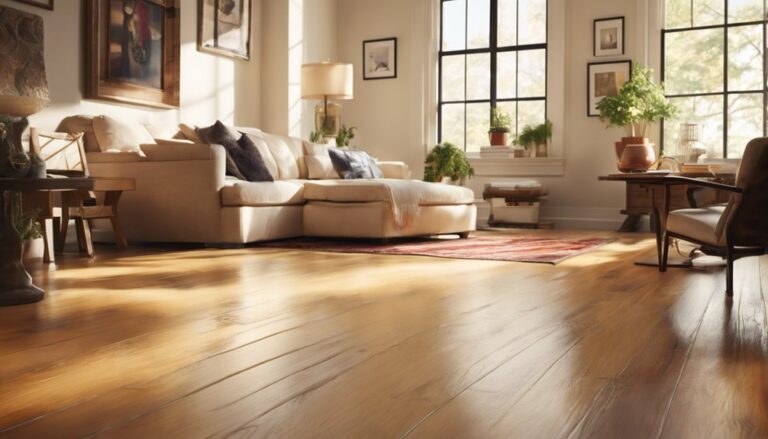

Imagine walking into your home and being greeted by the warm, natural beauty of hardwood floors. They add a touch of elegance and charm to any space.
But then, you notice a stain marring that polished perfection. Your heart sinks a little, doesn’t it? You’re not alone. Many homeowners face this issue and wonder how they can effectively remove stains from their beloved hardwood floors without causing further damage.
The good news is, you can restore your floors to their former glory with the right approach. In this guide, you’ll discover simple yet effective methods to tackle even the most stubborn stains, ensuring your floors remain stunning and flawless. So, let’s get started on bringing back the shine to your home, because who doesn’t love the feeling of pride when stepping onto spotless hardwood floors?
Common Stain Types
Water stains often leave white or cloudy marks. Use a clean cloth and gently rub the spot. Apply a bit of toothpaste or baking soda. Rub in a circular motion. This helps in removing light stains. For dark stains, sanding might be needed.
Oil-based stains can be sticky. First, wipe away excess oil with a paper towel. Sprinkle some baking soda on the spot. Let it sit for a few minutes. It absorbs the oil. Wipe away the powder with a damp cloth. Repeat if needed.
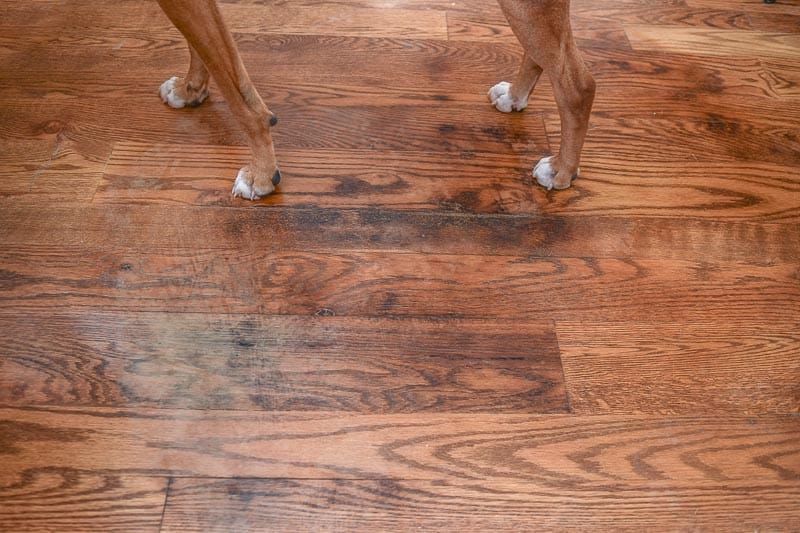
Pet stains can cause odor. Blot the stain with a cloth. Mix vinegar and water equally. Dab the mixture on the stain. Let it sit for a few minutes. Wipe away with a clean cloth. This helps reduce smell and stain.
Ink and dye stains can be tough. Dab the stain with a cloth. Use a bit of rubbing alcohol. Gently rub the stain. Do not scrub too hard. Repeat if necessary. This helps lift the ink from the wood.
Essential Cleaning Supplies
Vinegar is a great choice for cleaning. Mix it with water to clean stains. Lemon juice can also help. It smells fresh and cleans well. Baking soda works on tough spots. Sprinkle it on the stain and scrub gently.
Many stores sell hardwood floor cleaners. These are safe and easy to use. Look for products that say “non-toxic” on the label. Some brands make special sprays for wood. These products are strong on stains but gentle on wood.
A soft cloth is best for wiping. Microfiber mops work well on wood floors. Avoid using hard brushes. They can scratch the wood. A bucket is helpful for mixing cleaners. Use a spray bottle for even application.
Preparation Steps
Look at the stain on the floor. Is it big or small? Check its color. A dark stain might be harder to remove. Light stains are usually easier. Notice if the stain is sticky. Sticky stains need special care. Write down what you see. This helps in picking the right cleaning method.
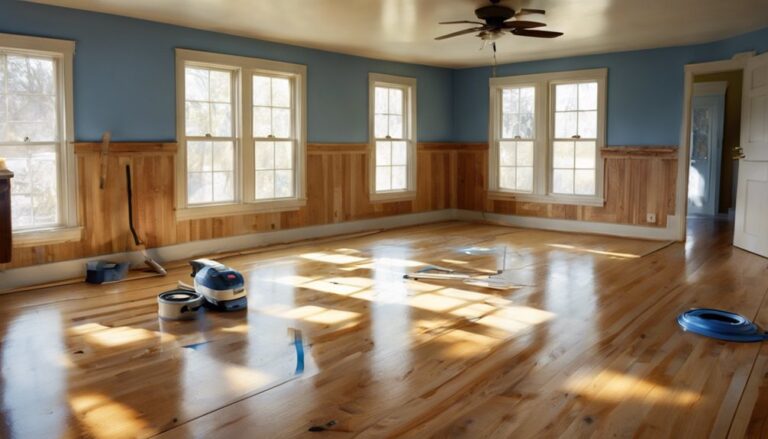
Move all furniture away from the stained spot. This creates a clear workspace. Put soft pads under heavy items. This protects the floor. Make sure the area is free from dust. Use a broom or vacuum cleaner. A clean area makes the job easier and faster.
Find a hidden area of the floor. Apply a small amount of cleaning solution. Watch for changes in color. If the floor looks the same, it is safe. If not, try a different cleaner. Testing first keeps your floor safe from damage.

Removing Water Stains
Water stains can make floors look bad. Take a clean cloth and place it over the stain. Next, use a warm iron on top of the cloth. The heat helps lift the stain. Do not use too much heat. It might damage the wood. Check the stain after each pass. Repeat if needed.
Baking soda is helpful for cleaning. Mix baking soda with water to form a paste. Apply the paste to the stain gently. Rub softly with a cloth. Let it sit for a few minutes. Wipe away the paste and check the stain. If needed, apply again.
Vinegar is a natural cleaner. Mix vinegar with water equally. Use a soft cloth to apply the mix. Rub gently on the stain. Vinegar helps brighten the wood. Avoid using too much vinegar. It can harm the floor. Always dry the area well after cleaning.
Eliminating Oil-based Stains
Sprinkle cornstarch on the oil stain. Let it sit for several hours. The cornstarch will absorb the oil. Use a vacuum or broom to clean up the powder. This step is easy and safe for hardwood floors.
Mix warm water with a few drops of dish soap. Dip a soft cloth in the soapy water. Gently scrub the stain. Rinse the cloth and wipe the area. Ensure no soap is left behind.
Use mineral spirits for tough stains. Apply a small amount to a cloth. Gently rub the stained area. This helps break down the oil. Be careful not to soak the wood.

Treating Pet Stains
Removing pet stains from hardwood floors requires quick action. Blot the stain gently with a paper towel to absorb moisture. Use a mixture of vinegar and water to clean the area. Dry thoroughly to prevent damage.
Neutralizing With Vinegar
Vinegar helps in reducing pet stains on floors. Mix equal parts of vinegar and water. Apply this mixture gently on the stain. Let it sit for a few minutes. This will help in neutralizing the stain. Vinegar is a natural cleaner and safe for pets. Always test a small area first. This ensures the solution won’t harm your floor.
Using Enzymatic Cleaners
Enzymatic cleaners break down pet stains effectively. They target proteins in urine and waste. Spray the cleaner on the stain. Leave it for the time mentioned on the bottle. Enzymatic cleaners are strong yet gentle on surfaces. They are specially made for pet stains. Follow instructions carefully for best results.
Sanding And Refinishing
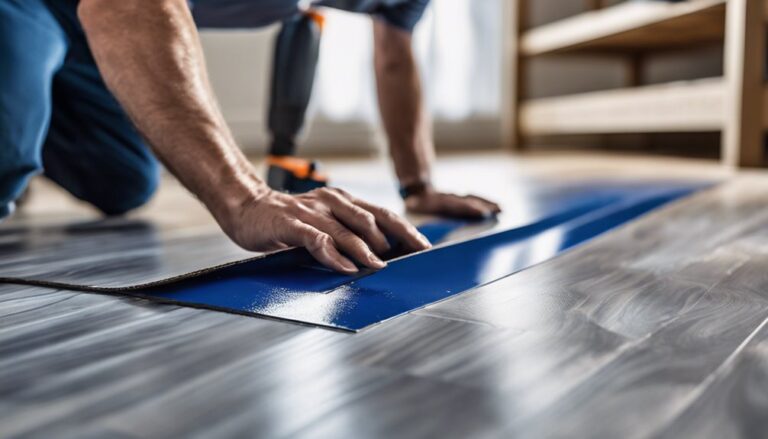
Stubborn stains may need sanding. This removes the top layer of the wood. After sanding, refinishing helps restore the floor. Use fine sandpaper for sanding. Apply wood finish to seal and shine. Always wear safety gear while sanding. This process may take time but helps in removing deep stains.
Handling Ink And Dye Stains
Use a soft cloth for this task. Dip it in rubbing alcohol. Gently blot the stain. Do not rub hard. Repeat until the stain fades. This method works for small stains. Be patient. It takes time.
Use a cotton ball for this. Soak it in hydrogen peroxide. Place it on the stain. Let it sit for a few minutes. Check the stain. Repeat if needed. Be careful not to over-soak. It can lighten the wood.
Deep stains are stubborn. Use fine-grit sandpaper here. Rub gently over the stain. Be slow and careful. Wipe the dust away. Check your progress often. Finish by applying a matching wood finish. This restores the floor’s color.
Preventive Measures
Dust and dirt can scratch wood floors. Sweep or vacuum often. A soft-bristle broom works well. Use a vacuum with a wood floor setting. Avoid water as it can damage wood. Regular cleaning keeps floors shiny and stain-free.
Place rugs near doors. This traps dirt and moisture. Mats in the kitchen can catch spills. Use non-slip mats for safety. Change and clean rugs often. This helps keep wood floors safe and clean.
Sealants protect wood from stains and scratches. Apply every few years. Choose a finish that suits your floor type. Some finishes make floors shine. Others make them look natural. Proper application keeps your floors looking new.
When To Call A Professional
Stubborn stains on hardwood floors might require expert attention. If household methods fail, it’s wise to consult a professional. They possess the tools and expertise to safely restore your floor’s natural beauty without causing damage.
Severe Damage
Hardwood floors can suffer severe damage over time. Heavy furniture or dropping heavy items can cause deep scratches. Deep scratches are very hard to fix by yourself. Water damage can also be severe. This can make the wood swell or warp. Swelling and warping need expert care. Professionals have the right tools and skills. They can restore your floors to look like new.
Persistent Stains
Some stains just won’t go away. These are called persistent stains. Wine, ink, and pet stains can be stubborn. Scrubbing hard can damage the floor. Strong chemicals can harm the wood. Professionals know the right solutions. They can remove stains safely. Your floor will look clean and fresh again.
Refinishing Needs
Floors may need refinishing after years of use. Scratches, dullness, and wear show it’s time. Refinishing makes floors shine and last longer. It involves sanding and applying a new finish. This is a big job. Experts can do it safely and quickly. They ensure even results without mistakes.
:max_bytes(150000):strip_icc()/remove-a-water-mark-from-wood-furniture-1976384_V1-ae5f581cf2374eeaa9a6372770ac204d.png)
Frequently Asked Questions
How Do You Remove Water Stains From Hardwood Floors?
To remove water stains, mix vinegar and olive oil. Apply with a cloth and rub gently. If needed, use a hardwood floor cleaner. Always dry the area thoroughly to prevent damage. Regular maintenance helps keep floors stain-free and shiny.
Can Vinegar Damage Hardwood Floors?
Vinegar can damage hardwood floors if used excessively. Dilute it with water to reduce acidity. Use sparingly and test on a small area first. Always dry the floor after cleaning to prevent moisture damage. Regular cleaning helps maintain floor integrity.
What Household Items Remove Stains From Wood Floors?
Household items like vinegar, baking soda, and olive oil can remove stains. Mix vinegar with water for light stains. Baking soda paste works for tougher spots. Olive oil adds shine. Test any solution on a small area first to ensure compatibility.
Is It Safe To Use Bleach On Hardwood Floors?
Using bleach on hardwood floors is not recommended. It can discolor and damage the wood. Instead, use gentle cleaning solutions like diluted vinegar or specialized hardwood cleaners. Always test on a small area first and dry immediately to avoid moisture damage.
Conclusion
Keeping hardwood floors clean is important. Stains can ruin their beauty. Simple steps can fix this problem. First, identify the stain type. Then, choose the right cleaning method. Use gentle cleaners to avoid damage. Regular maintenance helps prevent stains. Always clean spills immediately.
This protects the wood. Check instructions for your floor type. Each wood may need different care. Proper cleaning preserves your floor’s charm. Enjoy spotless, shining hardwood with these tips. Your home looks better with clean floors. Happy cleaning!