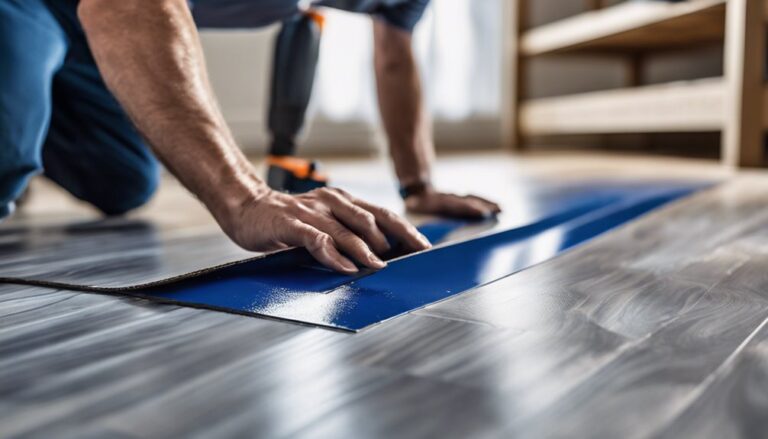
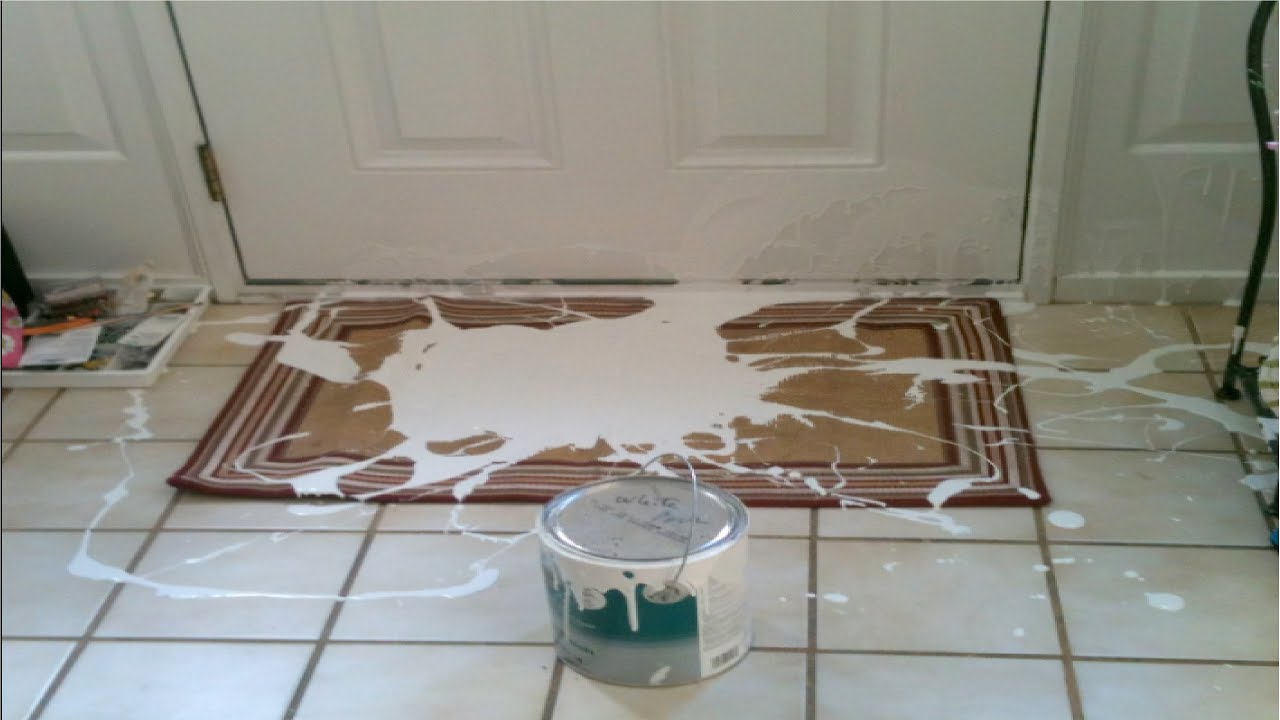

Have you accidentally splattered paint on your beautiful floor tiles and now you’re left wondering how to get rid of those pesky stains? You’re not alone.
Many homeowners face this dilemma when they attempt a DIY project or redecorate their spaces. The good news is, you don’t have to live with those unsightly paint marks on your tiles. Removing paint from floor tiles is not as daunting as it might seem, and with the right approach, you can restore your tiles to their original glory.
This guide will walk you through simple, effective methods to tackle paint removal, ensuring your floors look as stunning as ever. Keep reading to discover the secrets to spotless tiles and regain your peace of mind.
Preparation And Safety Measures
Collect tools like a scraper and soft cloth. You will need a bucket of warm water and mild detergent. Make sure to have gloves and goggles. These protect your hands and eyes from harm.
Cover nearby surfaces with old newspapers or plastic sheets. This keeps paint from spreading. Use tape to secure the coverings. This stops them from moving while you work. Always check for gaps or spaces.
Open windows and doors to let fresh air in. Use a fan to keep air moving. Fresh air helps you breathe better while working. It also helps to dry the floor faster. Remember, good air flow is important.
Identifying Tile Material
Ceramic tiles are very common. They are made from clay. These tiles have a smooth surface. This makes them easy to clean. Paint can be removed with warm soapy water. Be gentle to avoid scratches. You can use a plastic scraper. Always test a small area first.
Porcelain tiles are like ceramic but stronger. They are denser and less porous. Use a soft brush to remove paint. Hot water can help loosen the paint. Be careful with chemicals. Test them on a hidden spot first. Avoid using metal tools.
Natural stone tiles include marble and granite. They are delicate and porous. Use a pH-neutral cleaner. Water can stain these tiles. A gentle scrub brush is best. Never use acidic cleaners. These can damage the stone. Always rinse well after cleaning.
Choosing The Right Paint Remover
Chemical paint strippers work fast. They break down paint quickly. Use them carefully. Wear gloves and mask. Some chemicals are strong. Read labels before using. Follow safety tips.
Eco-friendly paint removers are safer for people and nature. They use less harsh chemicals. They are better for air quality. Natural options are available. They take time but are safer. Good for homes with kids.
Vinegar and baking soda remove paint. Mix them together. Apply to paint spots. Let it sit for a while. Scrub gently. Repeat if needed. Simple and cheap method. Good for small areas.

Step-by-step Paint Removal Process
Start by choosing a paint remover suitable for tiles. Apply it on the paint using a brush or cloth. Let it sit for a few minutes. This helps soften the paint for easy removal.
Use a scrub brush or sponge. Gently scrub the area with the softened paint. Be careful not to scratch the tiles. Clean the surface with warm water and soap. This removes remaining residue.
Rinse the tiles with clean water. Ensure no paint remover or soap is left. Dry the tiles using a clean towel. Check the tiles to see if all paint is gone.
Handling Stubborn Paint Stains
Removing paint from floor tiles can be challenging. Start by gently scraping with a plastic scraper. Use a mixture of warm water and mild detergent to clean the residue. For stubborn stains, apply a small amount of rubbing alcohol, then wipe clean.
Using Heat Methods
Heat can help in removing stubborn paint stains. You can use a hairdryer. Turn it on and point at the stain. Hold it close but not too close. The heat will make the paint soft. Scrape it gently with a plastic spatula. Be careful, don’t scratch the tile.
Mechanical Techniques
Use a plastic scraper to remove paint. Scrape slowly and carefully. Sanding sponges are also helpful. Rub gently in a circular motion. Too much pressure might damage tiles. Always use protective gloves to keep hands safe.
Professional Help
Some stains are too tough. Professional cleaners can help. They have special tools and skills. It’s safe and saves time. Experts know how to protect your tiles. It’s the best option for big areas.
Post-removal Tile Care
After removing paint, clean the tiles well. Use a mild detergent and warm water. Scrub gently to remove any leftover paint. Rinse the tiles with clean water. Dry them with a soft cloth. This keeps tiles looking new.
It’s important to protect the tile finish. Avoid using harsh chemicals. They can damage the tile surface. Use a soft mop for cleaning. Keep the tiles dry to maintain their shine.
Regular cleaning helps keep tiles shiny. Sweep or vacuum the floor often. This removes dirt and dust. Mop with warm water weekly. Check for stains and clean them right away. This helps your floor look good for a long time.
Common Mistakes To Avoid
Ignoring safety precautions can lead to accidents. Always wear gloves and goggles. These protect your skin and eyes. Ventilate the area well. Open windows and doors. This helps reduce fumes. Remember, safety comes first.
Using incorrect tools can damage tiles. Soft brushes are best. Hard tools can scratch surfaces. Use plastic scrapers instead of metal ones. They are safer for tiles. Choose the right tool for the job.
Skipping patch tests might ruin your tiles. Test a small area first. This checks if the method is safe. Different tiles need different solutions. A test can prevent mistakes. Always do a patch test before starting.

Frequently Asked Questions
How To Safely Remove Paint From Tiles?
To safely remove paint from tiles, use a plastic scraper or soft brush. Apply a mixture of warm water and mild detergent. Gently scrub the area, avoiding harsh chemicals. Rinse thoroughly and dry with a soft cloth. Test any cleaning solution on a small area first.
Can Vinegar Remove Paint From Floor Tiles?
Yes, vinegar can help remove paint from floor tiles. Mix equal parts of vinegar and water. Apply the solution to the paint and let it sit. Scrub gently with a sponge or soft brush. Rinse with water and dry the tiles.
Repeat if necessary for stubborn stains.
Which Tools Are Best For Paint Removal?
Plastic scrapers, soft brushes, and non-abrasive sponges are best for paint removal. They help avoid tile damage. Use a mild detergent or vinegar solution to soften the paint. Always test the tool on a small area first. Avoid metal scrapers to prevent scratches.
Is Paint Thinner Effective On Tiles?
Paint thinner can be effective, but use caution. It may damage tiles or grout. Apply sparingly and test on a small area first. Use protective gloves and ensure proper ventilation. Remove paint with a soft cloth or sponge. Rinse thoroughly to avoid residue.
Conclusion
Removing paint from floor tiles need not be stressful. Follow the steps carefully. Test any cleaning method on a small area first. This protects your tiles from damage. Use gentle tools and solutions. They help remove paint without scratches. Patience is key.
Work slowly and observe results. Clean up thoroughly after. This ensures no residue remains. Regular maintenance keeps tiles looking fresh. Proper care extends their life. Keep these tips handy for future use. Your tiles will shine bright again. Enjoy the clean and vibrant look.
You’re ready for a spotless home!