

Are you tired of staring at those stubborn paint stains on your concrete floor, wondering how to get rid of them? You’re not alone.
Whether it’s a DIY mishap or a leftover from a renovation project, paint on concrete can be a real eyesore. Luckily, there are effective ways to tackle this problem and restore your floor to its original beauty. Imagine a spotless surface that transforms your space into a clean and inviting environment.
Intrigued? Stick around as we uncover simple, step-by-step methods to remove paint from your concrete floor, ensuring you have all the tips and tricks to make the process hassle-free. Your floor deserves the best, and with the right guidance, you’ll achieve results that not only please the eye but also satisfy your sense of accomplishment. Ready to learn how? Let’s dive in.
Preparing The Area
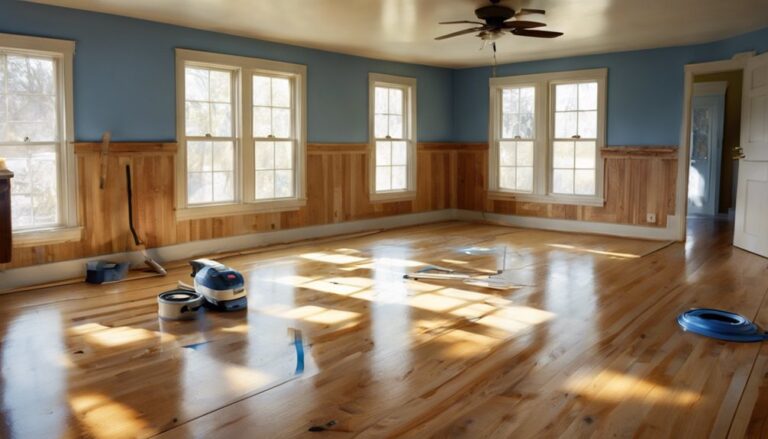
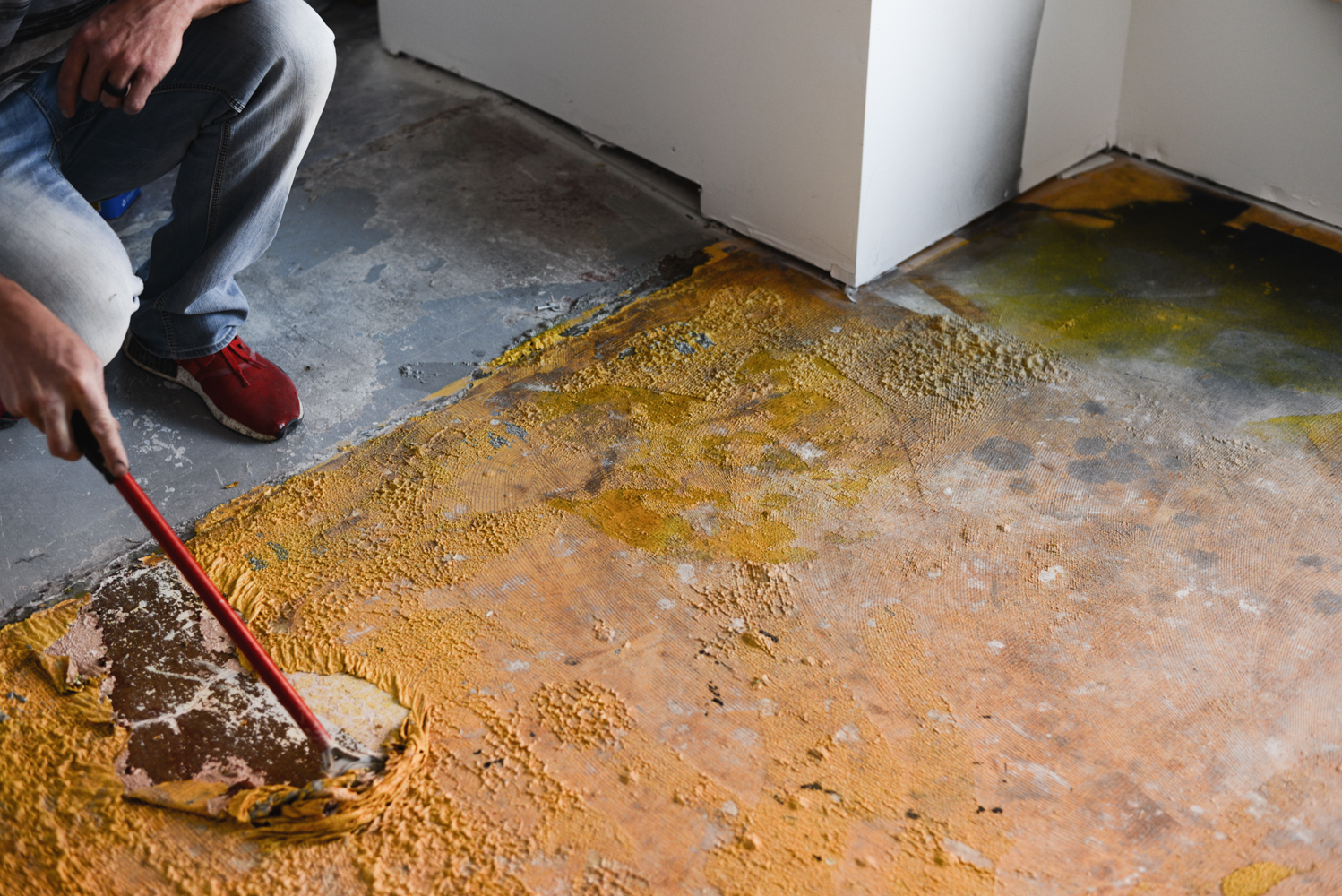
Move all furniture and items away. This keeps them safe. Sweep the floor to remove dirt. Use a vacuum cleaner for small bits. Make sure the space is clean.
Use plastic sheets on walls. They guard against splashes. Tape edges to hold sheets tight. Cover doors and windows too. Wear safety goggles and gloves. They protect your eyes and hands. Keep a first-aid kit nearby. You are ready to start now.
Choosing The Right Tools
Scrapers and brushes are essential for paint removal. Metal scrapers are strong and can scrape off thick paint. For softer paint, use a plastic scraper. Brushes with stiff bristles help scrub the floor. They remove paint from small cracks and corners. You might need a wire brush for tough paint. Always choose the right tool for the job.
Chemical strippers dissolve paint from the concrete. They are easy to apply. Spread the liquid on the paint. Wait for it to work. The paint will bubble and loosen. Use a scraper to remove it. Wear gloves and masks. Some chemicals have strong smells. Always work in a ventilated area. Follow instructions on the label for safety.
Testing A Small Area
Assess Paint Type: Start by checking the paint type. Water-based paint is easier to remove. Oil-based paint might need special tools or chemicals. Look for labels or ask a store expert.
Evaluate Surface Reaction: Test a tiny spot first. Put a small amount of remover on the concrete. Watch if the concrete changes color or texture. This helps you know if the remover is safe. Always wear gloves and goggles for safety.
Using Chemical Strippers
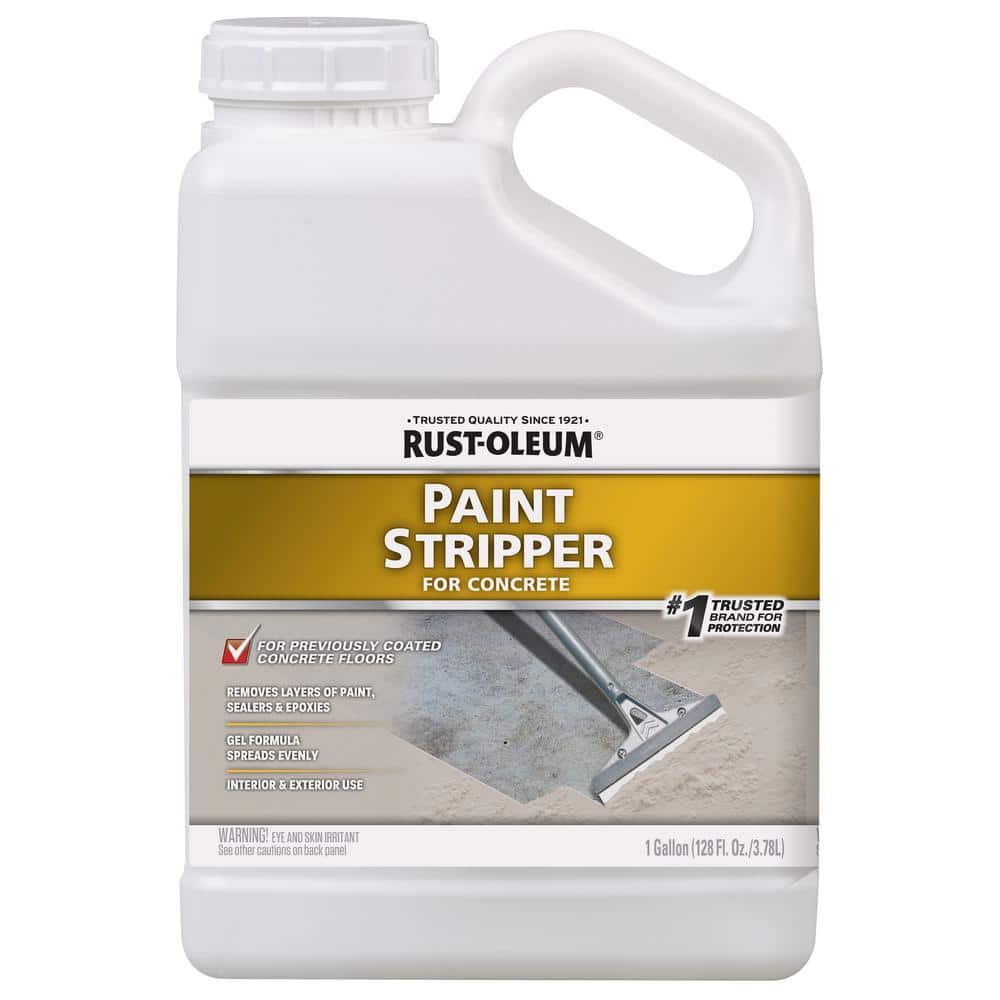
First, clean the floor. Remove dust and dirt. This helps the chemical work better. Then, pour the chemical stripper on the paint. Spread it with a brush. Use a thick coat for best results. Wait for the paint to soften. Check every 15 minutes.
After the paint softens, scrape it off. Use a plastic scraper. Be gentle to avoid scratches. If paint remains, apply more stripper. Repeat the process. Finally, wash the floor with water. This removes any leftover chemicals.
Wear gloves to protect your hands. Chemical strippers can burn skin. Use goggles for eye safety. Keep the area well-ventilated. Open windows and doors. This helps avoid fumes. Follow instructions on the label. Never mix chemicals. Mixing can be dangerous.
Mechanical Removal Techniques
A pressure washer can help remove paint from concrete floors. It uses high-pressure water jets. These jets can wash away loose paint. Start with a low-pressure setting. Increase pressure slowly. This avoids damaging the concrete. Hold the nozzle at a slight angle. This helps lift the paint. Keep the washer moving. Don’t focus on one spot for too long. Safety first. Wear protective gear like goggles and gloves.
Sanding is another way to remove paint. It involves using sandpaper or a sanding machine. Sanding works well for small areas. It is good for thin layers of paint. Grinding uses a machine with a rotating disk. This is for tough paint. The disk scrapes off the paint. Both methods create dust. Wear a mask to protect your lungs. Keep the area clean. Vacuum the dust often.
Natural And Eco-friendly Methods
Vinegar is a natural cleaner. It can help remove paint. Pour vinegar on the paint. Let it sit for 15 minutes. Then, scrub with a brush. Baking soda adds power. Mix baking soda with water. Spread it over the paint. Wait for 10 minutes. Scrub again with the brush. This method is safe for floors. It avoids harsh chemicals. It’s friendly to the environment.
Citrus-based cleaners are natural and effective. They smell good too. Apply the cleaner to the paint. Leave it for a while. Scrub with a brush. These cleaners break down paint. They make it easier to remove. Citrus oils work well. They are gentle on surfaces. No need for strong chemicals. Choose solutions with real citrus. They clean better.
Post-removal Cleaning
Rinsing the Surface is very important after removing paint. Water helps wash away small bits of paint. Use a hose or bucket of water. Make sure the water covers the whole area. Use a broom or brush to scrub the surface lightly. This helps get rid of leftover paint.
Ensuring No Residue is key for a clean floor. Check the floor for any paint spots. Look closely at corners and edges. Use a sponge to wipe these spots. Repeat rinsing if needed. Always let the floor dry fully. A dry floor shows if any paint is left. This step makes your floor look good and clean.
Preventing Future Paint Issues
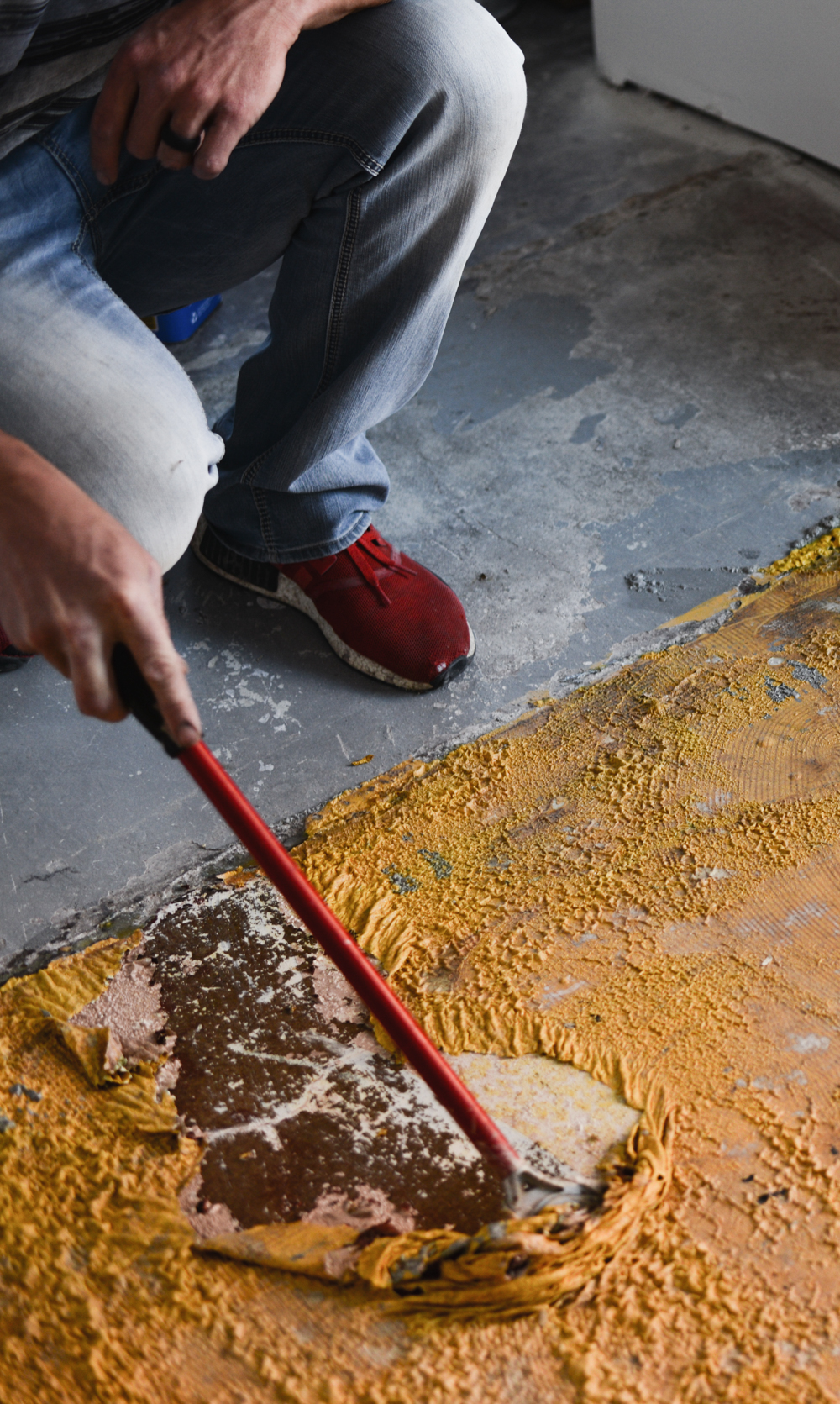
Removing paint from concrete floors helps prevent future paint issues. Use a scraper and chemical stripper to lift stubborn stains. A clean, smooth surface ensures better paint adhesion and longevity.
Sealing The Concrete
Sealing the concrete can help protect it from paint. A good sealant keeps paint from sticking. Choose a sealant that is easy to apply. Follow the instructions on the sealant package. Make sure the surface is clean before sealing. This prevents dirt from getting trapped. A well-sealed floor lasts longer and looks better. Sealing also makes cleaning easier.
Regular Maintenance Tips
Regular maintenance helps keep concrete floors in good shape. Sweep the floor often to remove dust. Use a mop with water to clean spills quickly. Avoid harsh chemicals as they can damage the sealant. Check for cracks and seal them promptly. Small cracks can grow larger if ignored. Keeping the floor dry helps too. Water can seep in and cause problems. These simple steps keep your concrete floor nice.
Frequently Asked Questions
How Do I Start Removing Paint From Concrete?
Begin by cleaning the concrete surface thoroughly. Use a scraper to loosen peeling paint. Choose a suitable paint remover or stripper. Apply it according to the instructions. Wait for the paint to soften, then scrub off with a brush. Rinse the area with water and let it dry completely.
Can Vinegar Remove Paint From Concrete?
Yes, vinegar can help remove paint from concrete. Mix vinegar with water and apply it to the paint. Let it sit for a few minutes to soften the paint. Scrub the area with a brush to remove the loosened paint.
Rinse with water afterwards and dry the surface completely.
What’s The Best Paint Remover For Concrete?
The best paint remover depends on the paint type. For water-based paints, use a water-based stripper. For oil-based paints, opt for a solvent-based remover. Eco-friendly options like citrus-based removers are also effective. Always follow the manufacturer’s instructions for application and safety precautions.
Can Pressure Washing Remove Paint From Concrete?
Pressure washing can effectively remove paint from concrete surfaces. Use a high-pressure washer with a suitable nozzle. Start with low pressure and increase gradually. Hold the nozzle at a consistent distance from the surface. Check the results frequently to avoid damaging the concrete.
Rinse thoroughly after removal.
Conclusion
Removing paint from concrete floors can seem daunting. But, with the right steps, it’s manageable. Start with the simplest method. Try soap and water first. For stubborn paint, use chemical strippers. Always wear protective gear for safety. Mechanical methods like sanding are effective too.
Don’t rush the process. Patience is key. Consider hiring professionals for extensive areas. Regular maintenance prevents paint buildup. Keep your concrete clean and safe. Your floor can look new again with these tips. Remember, proper tools make the job easier.
Your concrete floor will thank you.