
Imagine finding relief from discomfort and embracing a newfound sense of ease in your body. If you’ve ever experienced tension or unease in your pelvic area, you know how it can affect your daily life.
But what if there was a simple way to release that tension and improve your well-being? You might be surprised to discover that learning how to relax your pelvic floor can transform your physical and emotional health. This article will guide you through effective techniques to help you achieve relaxation and balance in your pelvic floor.
By the end, you’ll feel empowered with practical strategies and insights that could bring lasting comfort and harmony to your life. Keep reading to unlock the secrets to a more relaxed and healthier you.
Understanding The Pelvic Floor
Explore effective techniques to relax your pelvic floor. Breathing deeply and practicing gentle stretches can ease tension. These steps help improve comfort and well-being.
Anatomy And Function
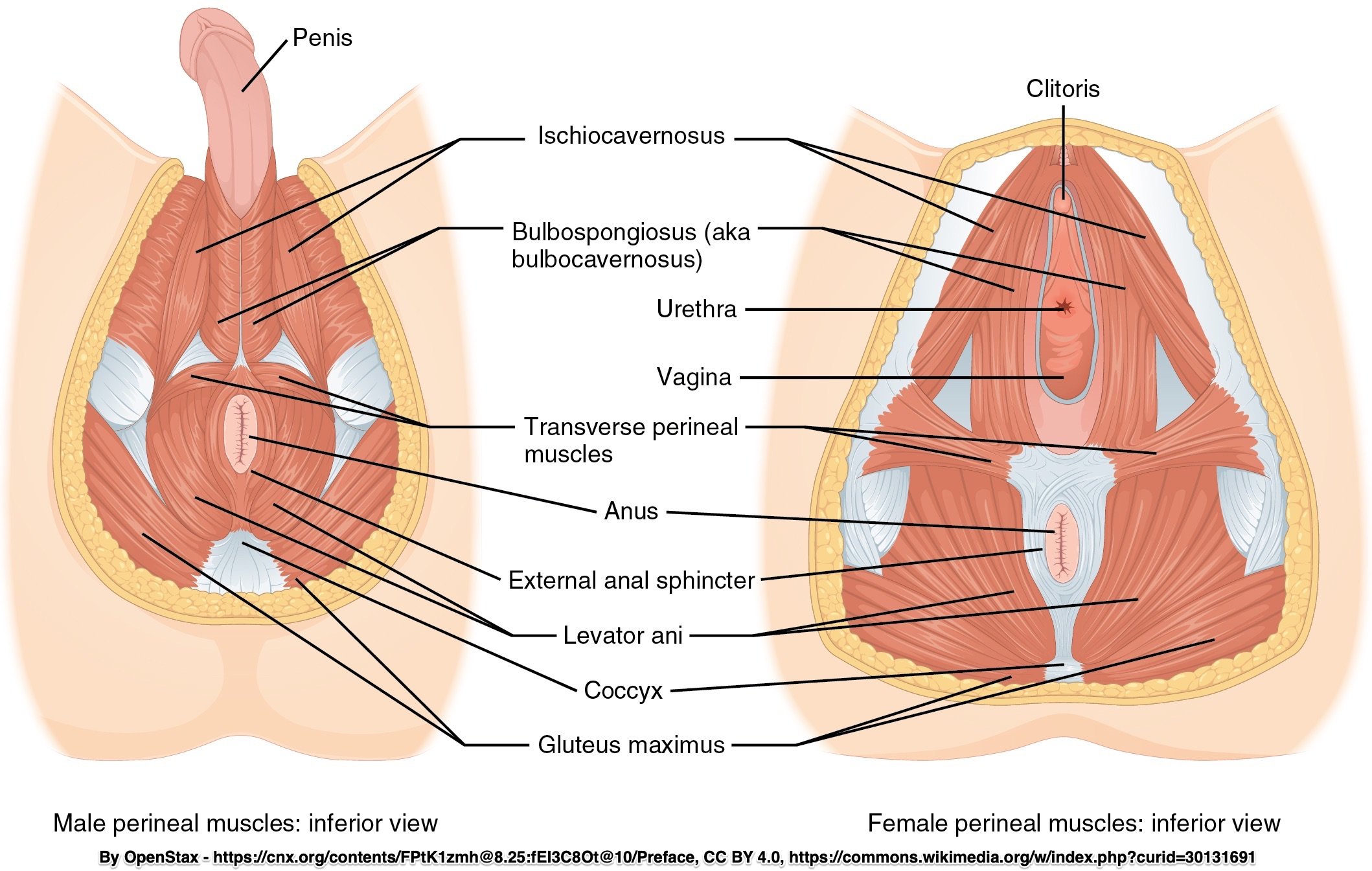
The pelvic floor is like a hammock. It supports organs like the bladder. Muscles and tissues form this floor. They help control urine and bowel movements. The pelvic floor also supports the uterus in women. It plays a role in core stability. Breathing deeply can help engage these muscles. Proper function is vital for health. Keeping the pelvic floor strong is important. Relaxing these muscles can be beneficial. Stretching can help relax them.
Common Pelvic Floor Issues
Many face pelvic floor problems. Urinary incontinence is common. Weak muscles can cause leakage. Some experience pelvic pain. Tight muscles might be the reason. Constipation can also occur. Difficulty in bowel movements is a sign. Women may face prolapse. Organs might drop due to weak muscles. Regular exercise can help. Seeking advice from doctors is wise. Addressing these issues can improve life quality.

Benefits Of Relaxing The Pelvic Floor
Relaxing the pelvic floor helps in reducing pain. It can make activities easier. This includes things like walking and sitting. Less tension in the muscles can help with bladder control. It can also help with bowel movements. The body feels better with a relaxed pelvic floor. Improved circulation is another benefit. Blood flows better when muscles are not tight. This can boost overall health.
Relaxing the pelvic floor can calm the mind. It reduces stress and anxiety. When muscles are relaxed, the mind feels good. Better sleep is another benefit. Sleep is easier when the body is calm. Relaxation can bring more peace. It helps people feel happy and content. A relaxed pelvic floor can make you feel safe. Life feels more balanced.
Identifying Pelvic Floor Tension
People with pelvic floor tension might feel pain or tightness. Some may experience frequent urination or discomfort during activities. Back pain is also a common sign. It is important to notice these symptoms early. Early detection can help in managing discomfort.
Lie down on your back. Place your hand on your belly. Take a deep breath in, then out. Feel your belly rise and fall. This shows if you are breathing deeply.
Next, gently press on your lower belly. Notice any pain or tension. If it hurts, your pelvic floor might be tense. Another way is to check if you can stop urination mid-stream. This can show how strong your pelvic floor is.
Breathing Exercises
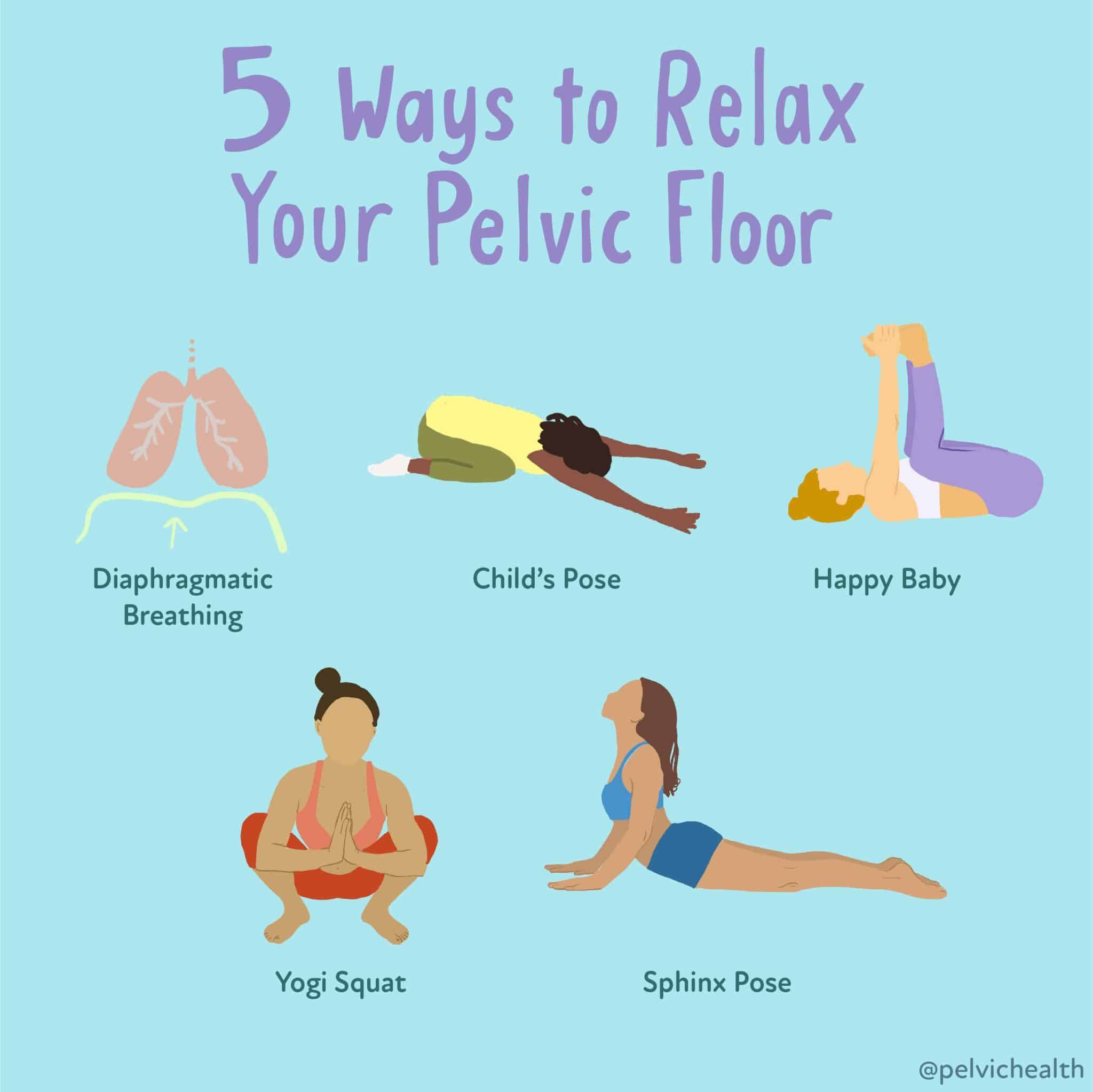
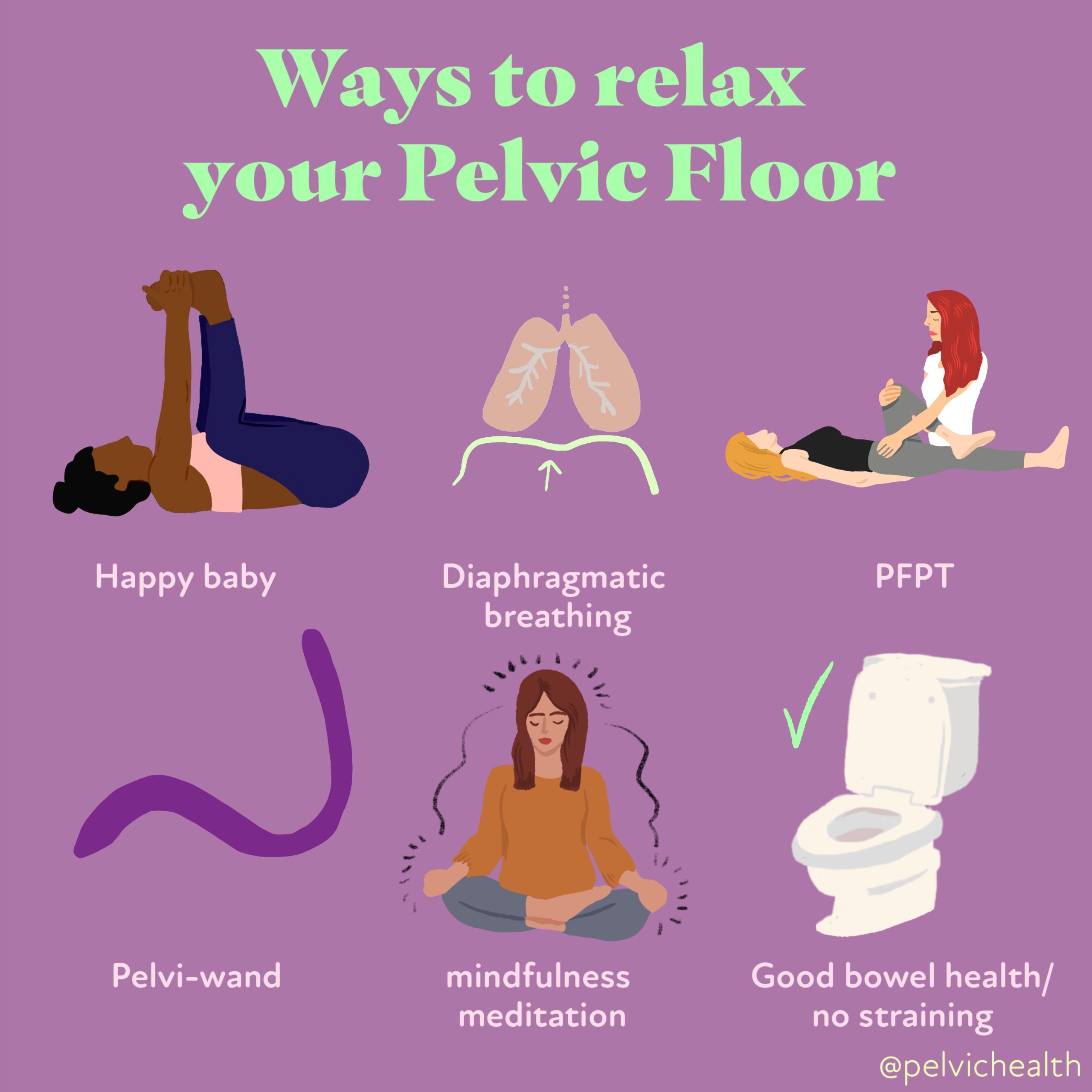
Diaphragmatic breathing helps relax your pelvic floor. Start by sitting comfortably. Place one hand on your chest. Put the other hand on your belly. Breathe in deeply through your nose. Feel your belly rise as you breathe in. Your chest should stay still. Slowly breathe out through your mouth. Feel your belly fall as you breathe out. Repeat this cycle several times.
Deep breathing offers many benefits. It calms your mind. It reduces stress and anxiety. Helps your muscles relax. Supports overall health. Improves focus and concentration. Boosts energy levels. Enhances sleep quality. Promotes a sense of well-being.
Stretching Techniques
Yoga can help relax the pelvic floor. Child’s Pose is a gentle stretch. Kneel and sit back on your heels. Stretch your arms forward. Relax your head down. Butterfly Pose is also effective. Sit and bring your feet together. Let your knees drop to the sides. Breathe deeply and relax.
Gentle stretches ease tension in the pelvic area. Knee-to-Chest Stretch is simple. Lie on your back and hug your knees. Hold them close to your chest. Breathe deeply and relax. Happy Baby Pose is another stretch. Lie on your back, grab your feet. Pull them gently toward your chest. Keep your knees wide. These stretches promote relaxation.
Progressive Muscle Relaxation
Find a quiet and comfortable spot. Sit or lie down. Close your eyes. Take a deep breath. Slowly breathe out. Start with your feet. Tighten the muscles. Hold for 5 seconds. Then, relax them. Move to your legs. Repeat the process. Continue to your stomach. Then, your chest. Next, your arms. Finally, your neck and face. Feel each muscle loosen. Let go of the tension. Focus on your breathing. Stay calm and relaxed.
Set aside 5 to 10 minutes daily. Choose a time you feel relaxed. Morning or night works well. Use reminders on your phone. Find a quiet place. Practice deep breathing. Use gentle music if you like. Over time, it gets easier. Relaxation becomes a habit. Help your body stay calm. Feel more at ease.
Mindfulness And Meditation
Understanding the mind-body connection is crucial. Our thoughts affect our body. Stress can cause tension in the pelvic floor. Relaxing the mind helps relax the body too.
Practicing deep breathing is helpful. Breathe in slowly. Hold the breath for a moment. Then breathe out gently. This simple practice helps calm the mind and the body.
Guided meditation can be very effective. It involves listening to a calm voice. This voice guides you through relaxation steps. You can find many of these online.
Choose a quiet place for your practice. Sit or lie down comfortably. Close your eyes and follow the instructions. Let your body relax with each word. This practice helps ease the pelvic floor tension.
Lifestyle Changes
Gentle breathing exercises help ease tension in the pelvic floor muscles. Gentle yoga stretches also support relaxation. Consistent practice can lead to improved pelvic comfort and flexibility.
Posture And Alignment
Good posture helps relax your pelvic floor. Sit up straight. Keep your back aligned. Avoid slouching while sitting. Align your head, shoulders, and hips. This gives your muscles a break. Balance weight on both feet when standing. Bad posture causes tension. Adjust your chair and desk for comfort. Use a cushion if needed. Practicing good posture daily helps your body relax. Your pelvic floor will thank you.
Reducing Stress And Anxiety
Stress tightens your pelvic muscles. Try deep breathing exercises. Focus on calming your mind. Simple activities help relax the body. Listen to soft music or take a walk. Light stretching also reduces tension. Remember to rest and sleep well. Your body needs breaks. Talking with a friend can ease worries. Let go of stress to feel better. Relaxation is important for your health.
When To Seek Professional Help
Persistent pelvic pain or discomfort may signal the need for expert guidance. Struggling with relaxation techniques? A professional can offer personalized strategies to ease tension effectively.
Consulting A Physical Therapist
Sometimes, pelvic floor muscles need expert help. A physical therapist can guide you. They know how to handle pelvic issues well. They can teach exercises to help relax muscles. They use special techniques for pain relief. Therapists understand the body deeply. They help you regain comfort and ease.
Understanding Treatment Options
Treatment options vary. Some use exercises. Others use massage or heat therapy. A therapist might suggest biofeedback. This helps you understand your muscle movements. Another option is electrical stimulation. It can make muscles work better. Each option has pros and cons. Discuss them with your therapist. Choose the best fit for you.
Frequently Asked Questions
What Causes Pelvic Floor Tension?
Pelvic floor tension can result from stress, posture, or injury. Psychological factors, like anxiety, may also contribute. Understanding the underlying cause is crucial. By identifying triggers, effective relaxation techniques can be applied. Consulting a healthcare professional can help determine the specific causes and guide treatment.
How Do I Relax My Pelvic Floor?
Begin by practicing deep breathing exercises. Focus on releasing tension during each breath. Gentle stretching, like yoga, can also help. Incorporating mindfulness techniques might enhance relaxation. Consistency is key for effective results. Consult a physical therapist for personalized exercises.
Can Pelvic Floor Exercises Relieve Tension?
Yes, specific exercises can relieve pelvic floor tension. Techniques like diaphragmatic breathing and pelvic stretches are beneficial. These exercises improve muscle flexibility and relaxation. Consistent practice leads to better results. Consulting a professional can provide guidance on tailored exercises.
Are There Lifestyle Changes That Help?
Yes, lifestyle changes can aid pelvic floor relaxation. Incorporate regular exercise and stress management techniques. Maintain a balanced diet and stay hydrated. Avoid activities that strain the pelvic muscles. Regular relaxation practices are essential. Consulting a healthcare provider offers personalized advice.
Conclusion
Relaxing your pelvic floor is vital for well-being. Start with gentle exercises. Breathe deeply and stay mindful. Regular practice enhances relaxation and comfort. Listen to your body’s signals. Adjust techniques as needed. Relaxation takes time and patience. Persistence leads to progress.
Consult a professional for persistent discomfort. They offer personalized guidance and support. Prioritize self-care and enjoy the benefits. Improved pelvic health boosts overall wellness. Simple steps make a big difference. Embrace the journey to better health. Your body will thank you.
Relaxation is achievable with dedication and care.