
Imagine the discomfort that comes with pelvic floor spasms. You may experience pain, tension, or an unsettling feeling that something’s just not right.
You’re not alone in this. Many people struggle with these spasms, often wondering how to find relief and restore comfort. The good news? There are practical ways to relax your pelvic floor muscles and ease those spasms. This guide is here to help you uncover effective techniques that can bring you the relief you’re seeking.
By understanding your body and implementing these strategies, you can regain control and feel more at ease. Keep reading to discover how you can transform discomfort into calm and reclaim your well-being.
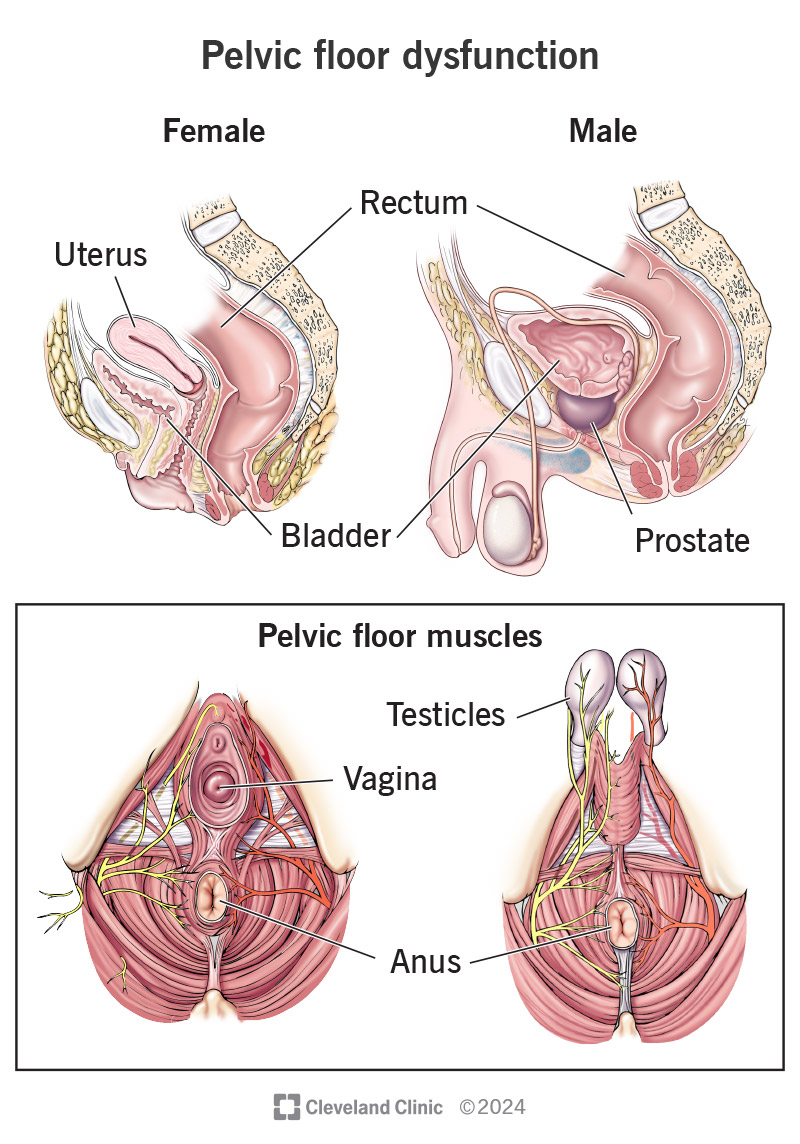
Identifying Pelvic Floor Spasms
Pelvic floor spasms cause discomfort and tension. Simple exercises like deep breathing and gentle stretching can help relax these muscles. Regular practice may ease spasms, improving overall well-being.
Common Symptoms
Pelvic floor spasms can cause pain and discomfort
Several factors can lead to pelvic floor spasms. Stress and anxiety are common triggers. They make muscles tense up. Injury to the pelvic area can also cause spasms. Poor posture affects the pelvic muscles too. Not drinking enough water might lead to muscle cramps. Some foods and drinks can irritate the bladder. These include caffeine and spicy foods. Hormonal changes during periods can trigger spasms. Recognizing these causes can help manage them.
Causes And Triggers
Breathing Techniques
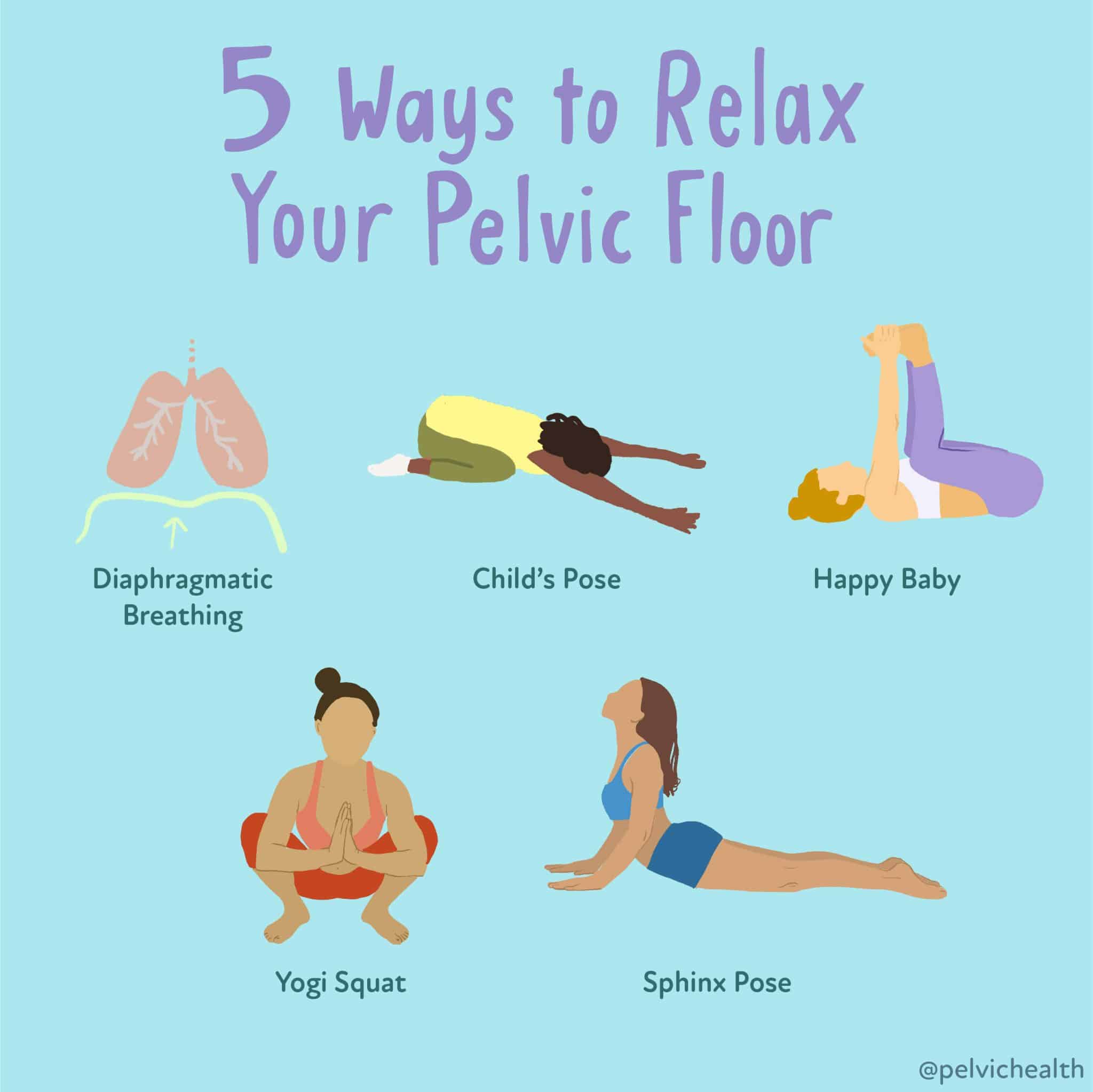
Sit comfortably. Place one hand on your chest. Place the other on your belly. Breathe in slowly through your nose. Feel your belly rise. Your chest should stay still. Exhale slowly through your mouth. Feel your belly lower. This helps calm your muscles. It makes your body feel relaxed. Repeat this breathing exercise several times. Practice it daily. It can reduce spasms.
Find a quiet spot. Sit or lie down. Close your eyes gently. Start at your toes. Tighten your muscles for 5 seconds. Then, relax them. Move to your feet. Tighten, then relax. Continue up your body. Notice each muscle group. Feel the tension leave. This reduces stress. It helps your muscles relax. Practice often for best results.
Stretching Exercises
Lie on your back. Bend your knees. Feet flat on the floor. Tilt your pelvis upward. Keep your lower back pressed to the floor. Hold for a few seconds. Release and relax. Repeat several times. This helps ease pelvic floor tension. It can improve your comfort.
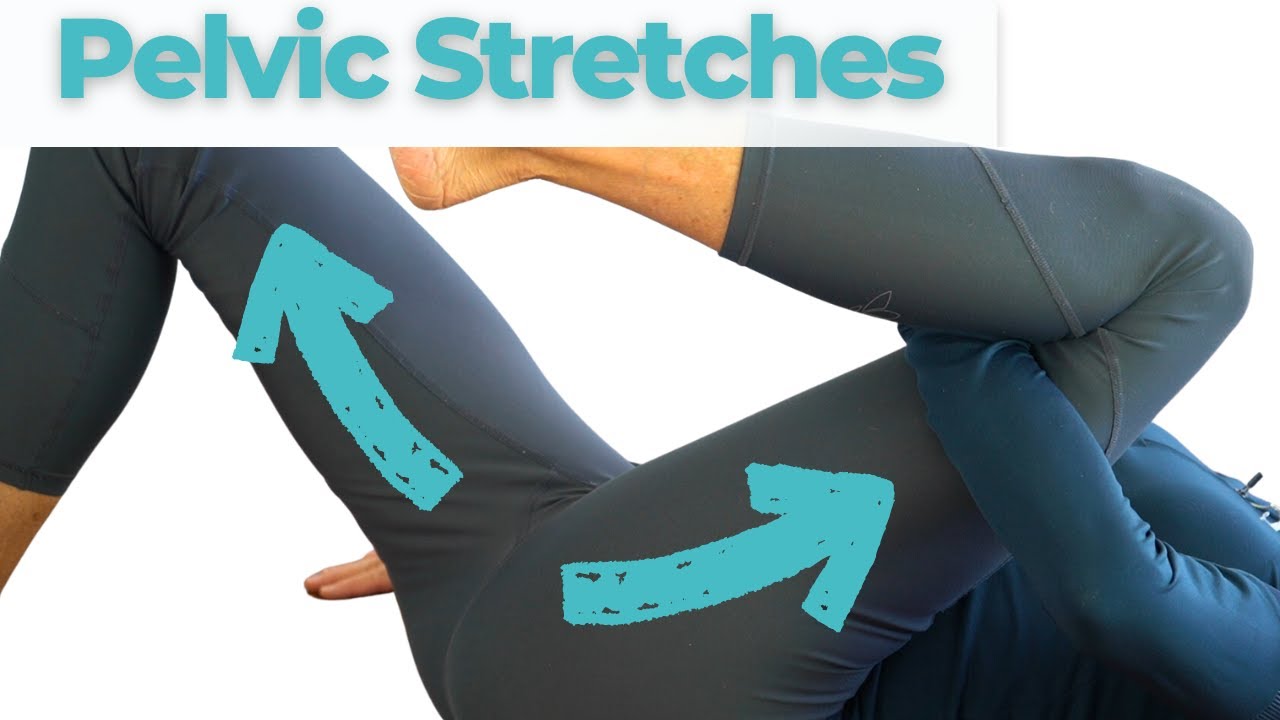
Lie on your back. Bend your knees towards your chest. Hold your feet with your hands. Open your hips and let your knees relax. Gently rock side to side. This pose helps stretch the pelvic area. It promotes relaxation and comfort. Practice regularly for best results.

Mindfulness Practices
Meditation helps calm the mind. It eases muscle tension. Sit comfortably and close your eyes. Focus on your breathing. Feel the air coming in and going out. Count your breaths silently. This keeps your mind focused. Let your thoughts pass like clouds. Stay in this calm space for a few minutes. Regular practice makes you feel better.
Guided imagery uses your mind to heal. Imagine a peaceful place. It could be a beach or forest. Picture every detail. Feel the warmth of the sun or the cool breeze. Listen to the sounds around you. This imaginary journey helps relax your body. It distracts from stress and pain. Practice often to improve your relaxation skills.
Physical Therapy Options
Biofeedback therapy helps you understand your muscles. It uses special machines. These machines show how your muscles move. You watch and learn. With practice, you can control your muscles better. This control can reduce spasms. It makes your pelvic floor feel better. Biofeedback is safe and easy. Many people find it helpful.
Myofascial release is a technique used by therapists. They apply gentle pressure. This pressure helps release tightness in muscles. It focuses on the pelvic area. The goal is to improve blood flow. Good blood flow helps muscles relax. It can reduce spasms and pain. This therapy is hands-on. It might feel like a massage.
Lifestyle Modifications
Eating the right foods can help your pelvic muscles. Fiber-rich foods are important. They help with digestion. This can reduce pressure on the pelvic area. Avoid spicy and acidic foods. They might irritate the bladder. Include more fruits, vegetables, and whole grains in your meals. These foods are gentle on your body. Eating smaller meals is helpful too. Large meals can cause discomfort.
Drinking enough water is key. It keeps your body healthy. Water helps muscles relax. This includes the pelvic muscles. Try to drink 6 to 8 glasses of water daily. Avoid too much caffeine and alcohol. They can make spasms worse. Water is the best choice. It keeps everything working smoothly.
Seeking Professional Help
A pelvic floor specialist is trained to help with spasms. They know different techniques to relax tight muscles. Specialists offer personalized exercises. These exercises help you find relief. You may also learn about biofeedback. This tool shows how your muscles work. It helps you control them better.
Sometimes, medication is needed for pain relief. Doctors may suggest muscle relaxants. These help ease the spasms. Pain relievers might also be an option. Always talk to your doctor first. They can guide you on safe medication use. It’s important to follow their advice. Medications can have side effects. So, it’s good to know the risks.
Frequently Asked Questions
What Causes Pelvic Floor Spasms?
Pelvic floor spasms are often caused by stress, overuse, or injury. They can also result from poor posture or chronic constipation. Emotional factors like anxiety can exacerbate the condition. Understanding the underlying cause is crucial for effective treatment and management of symptoms.
How Can I Identify Pelvic Floor Spasms?
Common symptoms of pelvic floor spasms include pelvic pain, discomfort, and urinary issues. You might also experience a sensation of tightness or pressure in the pelvic region. Consulting a healthcare professional can help confirm the diagnosis and provide appropriate guidance.
What Exercises Help Relax Pelvic Floor?
Gentle stretching and breathing exercises can help relax the pelvic floor. Yoga and Pilates are beneficial for improving flexibility and reducing tension. Consistent practice of these exercises can lead to significant relief over time. Always consult with a professional before starting any new exercise regimen.
Can Stress Worsen Pelvic Floor Spasms?
Yes, stress can significantly worsen pelvic floor spasms. Stress leads to muscle tension, exacerbating spasms and discomfort. Incorporating stress-reducing techniques like meditation or deep breathing can be beneficial. Managing stress effectively is crucial for overall pelvic health and well-being.
Conclusion
Relaxing pelvic floor spasms takes time and patience. Consistent practice of exercises helps. Breathing deeply can calm your muscles. Warm baths soothe and comfort the body. Seeking professional advice ensures proper guidance. Staying hydrated supports overall muscle health. Listen to your body’s signals.
Rest when needed. A balanced diet aids recovery. Each step you take matters. Progress may be gradual but it is achievable. Prioritize self-care and stay positive. Your journey to relief is personal and important. Embrace your efforts. Share your experiences with others for support.
Keep striving for comfort and wellness.