
Imagine this: you’re sitting in your living room, trying to enjoy a peaceful moment, and suddenly, the clamor of footsteps from upstairs shatters your tranquility. Walking noise from upstairs floors can be incredibly frustrating, disrupting your peace and making it difficult to focus or relax.
But what if you could transform your home into a serene sanctuary, free from unwanted noise? You can achieve this with some smart solutions that reduce walking noise effectively. You’ll discover practical tips and tricks to minimize the sound of footsteps from above.
Whether you live in an apartment building or a multi-story house, these strategies will help you regain control over your living environment. Imagine the relief of enjoying a quiet space where you can unwind without the constant reminder of activity overhead. Dive into the secrets of soundproofing and learn how to make your home a haven of peace and quiet.
Causes Of Walking Noise
Hardwood floors can be noisy. They amplify footsteps. Carpets absorb sound. They reduce noise. Tile floors are less noisy than wood. Concrete floors are quietest. Floor material matters a lot.
Thin ceilings let sound pass through. Thick walls block noise. Open spaces echo sounds. Tight spaces contain sound. Design choices affect noise levels. Good design reduces noise.
Busy homes have more noise. Quiet activities cause less noise. Loud activities increase noise. Daytime is noisier than night. People moving make sounds. Activity levels change noise levels.
Soundproofing Techniques
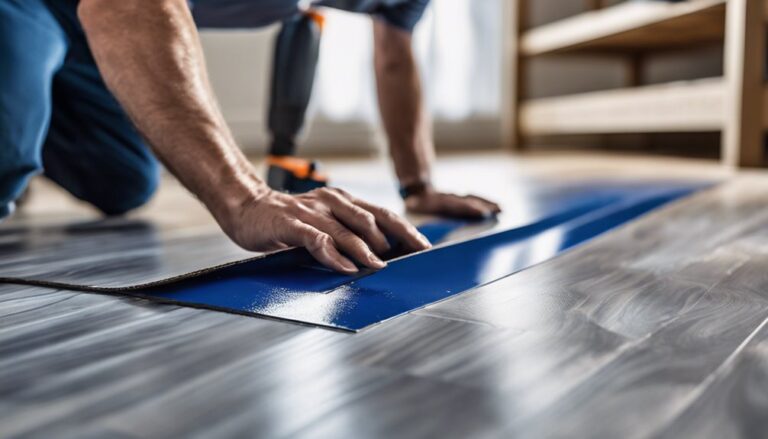
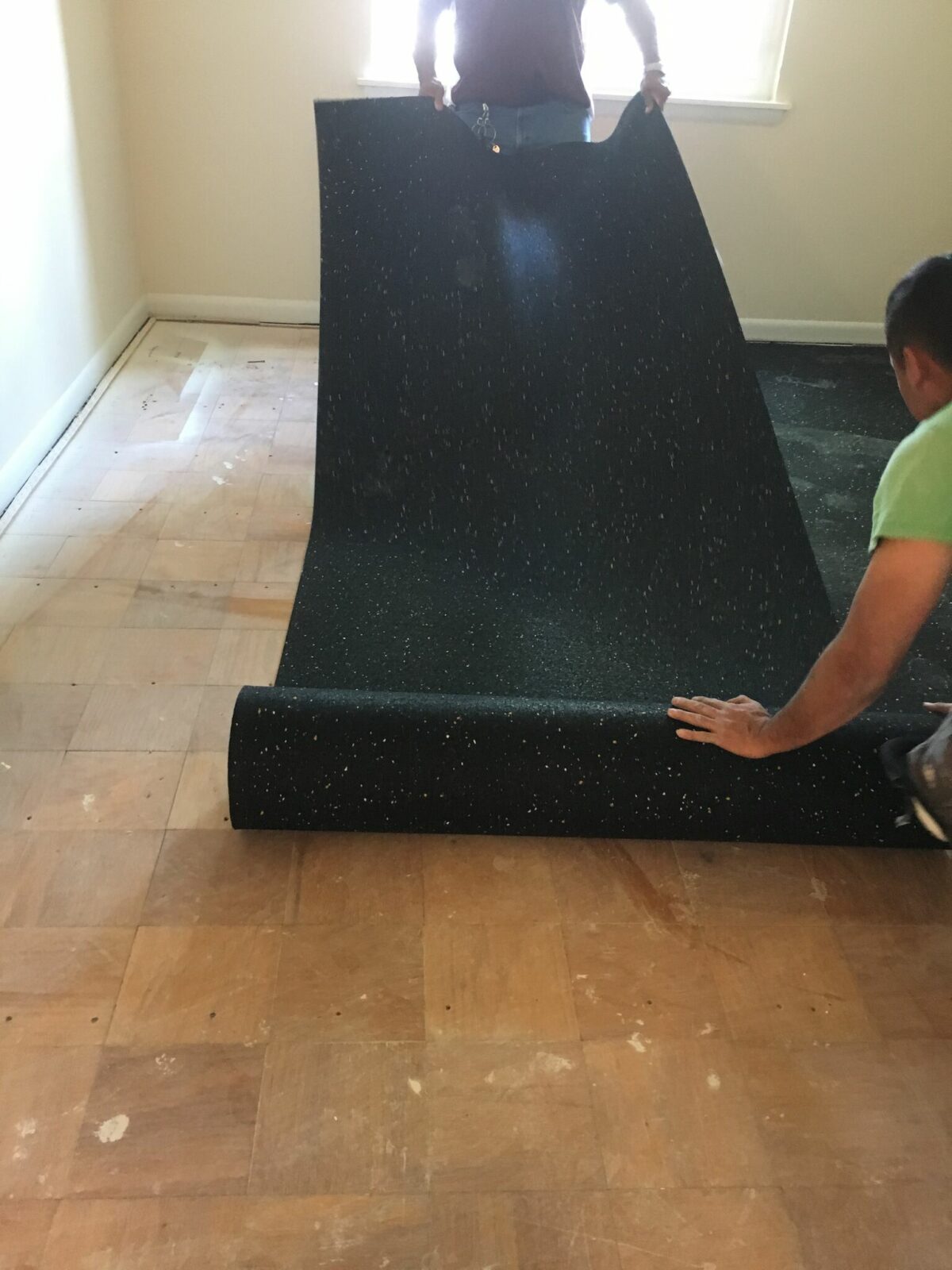
Selecting the right underlayment can help a lot. Foam and cork are popular choices. They both help reduce noise. Foam is cheaper but may not last as long. Cork is more durable and eco-friendly. Rubber underlayment is another option. It is good for heavy noise.
Acoustic insulation is very helpful. It absorbs sound and reduces echo. This makes rooms quieter. Easy to install in walls and ceilings. It also helps with temperature control. Keeps rooms warm in winter. Cool in summer.
Soundproofing mats are simple to use. Place them under carpets. They reduce floor noise. Soundproofing pads work well too. Put them under furniture legs. They stop vibrations. Both mats and pads are affordable solutions. Easy for anyone to try.
Floor Covering Solutions
Carpets can help reduce noise. Soft materials absorb sound well. They make footsteps quieter. Rugs are also helpful. Place rugs in noisy areas. They add a layer of sound protection. Choose thick rugs for better results. Colorful rugs can brighten rooms too. They make spaces cozy and quiet.
Cork is a natural sound absorber. It reduces walking noise effectively. Cork flooring is soft underfoot. This makes it pleasant to walk on. It is also eco-friendly. Cork is easy to clean. It looks good in many rooms. Cork tiles are simple to install. They come in different styles.
Rubber flooring absorbs sounds well. It reduces loud footsteps. This flooring is durable. It withstands heavy use. Rubber is easy to maintain. It is water-resistant. This makes it ideal for kitchens. Rubber floors can be colorful. They add style to spaces. They are also safe for kids.
Structural Modifications
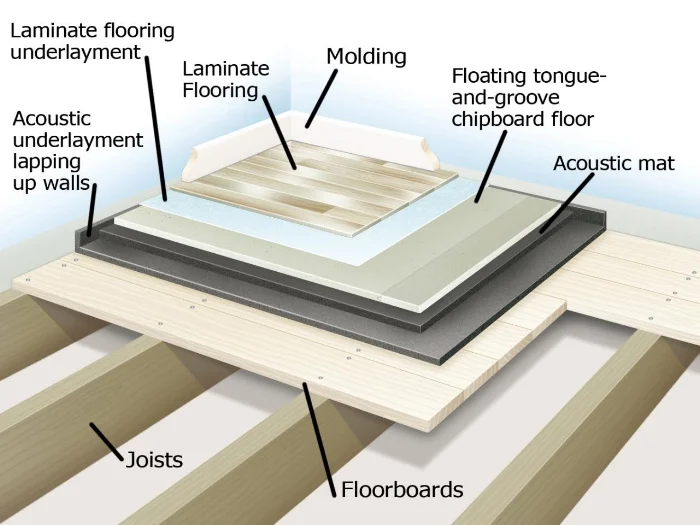
Floating floors can help reduce noise. They don’t attach directly to the subfloor. This means they can move with the pressure. Cushioning layers underneath absorb sound. Easy to install. Many homeowners do it themselves. Choose quality materials for best results. These floors can last a long time.
Strong subfloors keep noise down. Use extra layers of wood for strength. Thicker materials absorb more sound. This helps reduce creaks and thuds. Screws and glue hold layers together tightly. They keep the floor from moving. Less movement means less noise.
Resilient channels can be a good choice. They create space between floors. Sound waves cannot travel easily through them. They absorb vibration and noise. Use metal strips for strength. Install them between the joists. Experts can help with installation.
Behavioral Adjustments
Choosing soft footwear can help reduce noise. Slippers or soft shoes are ideal. They make less sound than hard shoes. Encourage family to wear them indoors. This simple change makes a big difference. Everyone will hear less noise. It feels comfortable too.
Move furniture around in busy rooms. Place chairs and tables in quieter spots. This can help reduce footsteps. Less noise will travel downstairs. Arrange rugs on the floor. Rugs can absorb sound. They make the room quieter.
Set quiet hours in your home. Everyone should be quieter during these times. Choose times when people need rest. Like early morning or late night. During these hours, walk softly. Speak in low voices. It helps everyone relax. Less noise means better rest.

Professional Solutions
Acoustic consultants are experts in sound. They can help reduce noise. Noise from walking can be annoying. Experts use special tools. These tools measure sound levels. They suggest best materials to use. This can make a big difference.
Professional installers know how to put things right. They use the correct techniques. This ensures floors are quieter. Experienced installers can install soundproofing materials. This helps to keep noise away. They make sure everything is secure.
Regular checks are important. Over time, floors can become loose. This creates more noise. Regular maintenance keeps everything tight. It can prevent problems. Small fixes can stop big issues. Always check floors for wear and tear.

Frequently Asked Questions
How Can I Soundproof Upstairs Floors?
Soundproofing upstairs floors can be achieved using acoustic mats or carpets. You can also install soundproofing underlays and ceiling panels. These materials help absorb and reduce noise transmission. Adding furniture and rugs can further minimize sound vibrations. Always consult a professional for optimal results.
What Materials Reduce Floor Noise Effectively?
Carpets, cork tiles, and acoustic underlays are effective materials for reducing floor noise. They absorb sound vibrations and minimize noise transmission. Using thick rugs can add an extra layer of sound insulation. These materials are easy to install and can significantly reduce walking noise.
Are Rugs Effective For Noise Reduction?
Yes, rugs are effective for noise reduction. They absorb sound and minimize vibrations between floors. Thick and dense rugs offer better sound insulation. Placing rugs in high-traffic areas can reduce noise significantly. For best results, pair rugs with acoustic underlays.
Does Furniture Placement Affect Floor Noise?
Furniture placement can affect floor noise levels. Well-placed furniture can absorb sound and reduce vibrations. Heavy furniture like bookshelves and sofas can help dampen noise. Ensure furniture is evenly distributed to maximize sound absorption. This simple change can significantly reduce walking noise.
Conclusion
Reducing walking noise from upstairs floors improves your home’s comfort. Use rugs or carpets for sound absorption. Install floor underlays for effective noise reduction. Consider noise-reducing flooring materials like cork or vinyl. Ensure proper installation to minimize sound transmission. Quiet upstairs floors enhance relaxation and peace.
Implement these tips for a quieter home. Enjoy a more serene living environment. Small changes make a big difference. Prioritize noise reduction for better quality of life. Your home should be your sanctuary. Peaceful surroundings improve overall well-being. Start today and experience the calm.