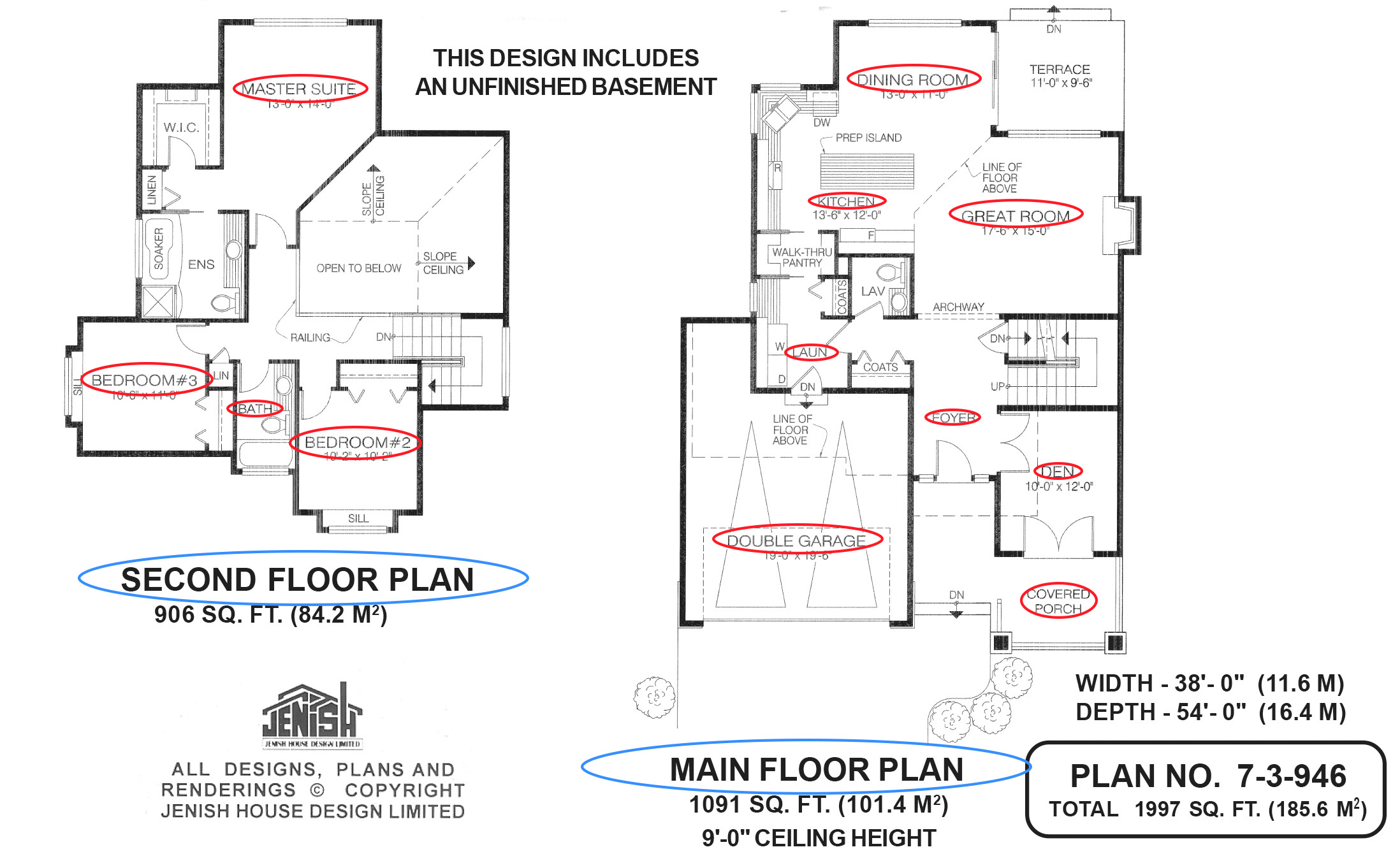

Have you ever found yourself staring at a floor plan, feeling like you’re trying to decipher a secret code? You’re not alone.
Floor plans can be confusing, yet they are essential tools when buying a home, planning renovations, or even setting up your furniture. Understanding them is crucial for making informed decisions that affect your living space. Imagine the confidence you’ll feel knowing exactly what those lines and symbols mean.
This article will guide you step-by-step through the process of reading floor plans, turning what seems complex into something simple and clear. By the end, you’ll not only be able to read floor plans but also use them to visualize and create your ideal space.
Basics Of Floor Plans
Floor plans show the layout of a building. They use lines and symbols. Walls are shown with thick lines. Doors look like arcs. Windows are often rectangles. Rooms have labels like “kitchen” or “bathroom”. Each room shows its size in feet or meters. The plan might show furniture too. This helps to see how much space is used.
Symbols make floor plans easy to read. A circle might show a light fixture. Arrows can show the flow of people. Numbers might show the height of a room. Lines can show beams or columns. Dotted lines can mean hidden parts. Letters might show different levels in a building. Like “A” for the first floor. Knowing these symbols helps you understand the plan better.
Types Of Floor Plans
2D floor plans are flat drawings of a home. They show the layout from above. Walls, doors, and windows are easy to see. These plans help in understanding room sizes. Furniture placement becomes clearer. Measurements are often included. This helps in planning space. 2D plans are simple and easy to read. Even kids can follow them.
3D floor plans give a realistic view of a home. They show how rooms look in real life. You can see height, width, and depth. These plans make it easy to imagine living there. Colors and textures are visible. It feels like walking through the house. 3D plans are more detailed. They help in visualizing the final look.
Scale And Dimensions
Scale shows the size of rooms and areas on a floor plan. It helps in comparing the real size of a room. Usually, a scale might be 1:100, meaning 1 unit on the plan is 100 units in real life. Knowing this helps you see how big a room is. Always check the scale before reading a floor plan. It tells you how big things are.
Dimensions are the numbers that tell the size of a room or wall. They show width and length. These numbers are often in feet or meters. Look for lines with numbers on the plan. They help you know how long or wide things are. These numbers are important. They help in planning furniture or decoration. Without them, it’s hard to know space sizes.
Room Layouts
Floor plans use symbols to show different parts of a room. Doors are usually shown with a curved line. Windows might be drawn with a thin line. Walls are thicker lines on the plan. Furniture like tables or beds are drawn as simple shapes. These symbols help you understand where everything goes. Knowing these symbols helps you read the layout better.
Numbers on a floor plan show room sizes. They tell how long and wide a room is. Sometimes, numbers are in feet or meters. Bigger numbers mean larger rooms. It helps to compare sizes when choosing a room. This makes it easier to plan where things should go. Understanding room sizes helps you make good use of space.
Doors And Windows
Door symbols are simple to spot on floor plans. Look for arched lines. These lines show where the door opens. A single line means a single door. A double line means a double door. The direction of the arc shows which way the door swings. Always check the swing direction. It helps with furniture placement.
Windows are shown as thin rectangles on plans. They are often placed on walls. Check the length and position of these rectangles. This tells you how big and where the window is. The right window placement gives natural light to rooms. It also offers good views outside. This is important for room design and comfort.
Structural Components
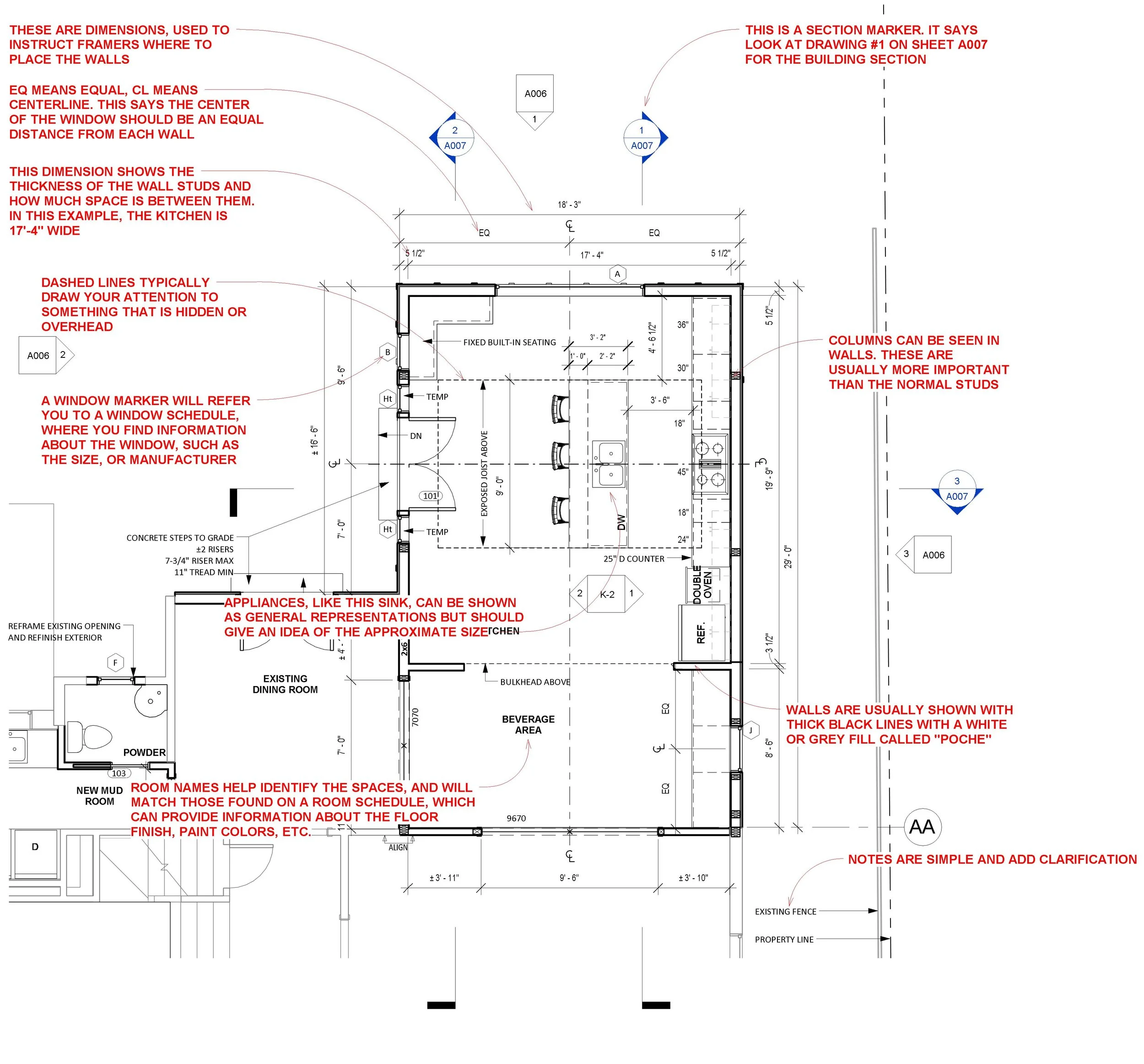
Walls are the barriers in a building. They give rooms their shape. Some walls are load-bearing. These walls support the roof and floors above. Others are partitions. They divide spaces without carrying weight. Partitions can be moved or changed. They let you customize the space. Knowing the difference is key. It helps in planning and design.
Beams are horizontal structures. They carry weight across spaces. Columns are vertical. They hold up beams and roofs. Both are crucial for strength. Without them, buildings could fall. Beams and columns work together. They create a sturdy frame. Understanding their role helps in reading floor plans. It shows how a building stands strong.
Utilities And Fixtures
Plumbing fixtures include sinks, toilets, and showers. They are marked on the floor plan with small symbols. These symbols show where the fixture will be. Pipes are usually hidden behind walls. The plan will show the pipe path. This helps builders know where to connect water. Always check the symbols key for understanding. Knowing these symbols is very helpful.
Electrical layouts show where outlets and switches are. These are small squares or circles on the plan. Each has a label. The label tells what it is. Some plans show light fixtures too. Wires connect outlets and switches to the main supply. Always note the position of lights. It’s important for setting up. Understanding these symbols makes planning easier.
Interpreting Measurements
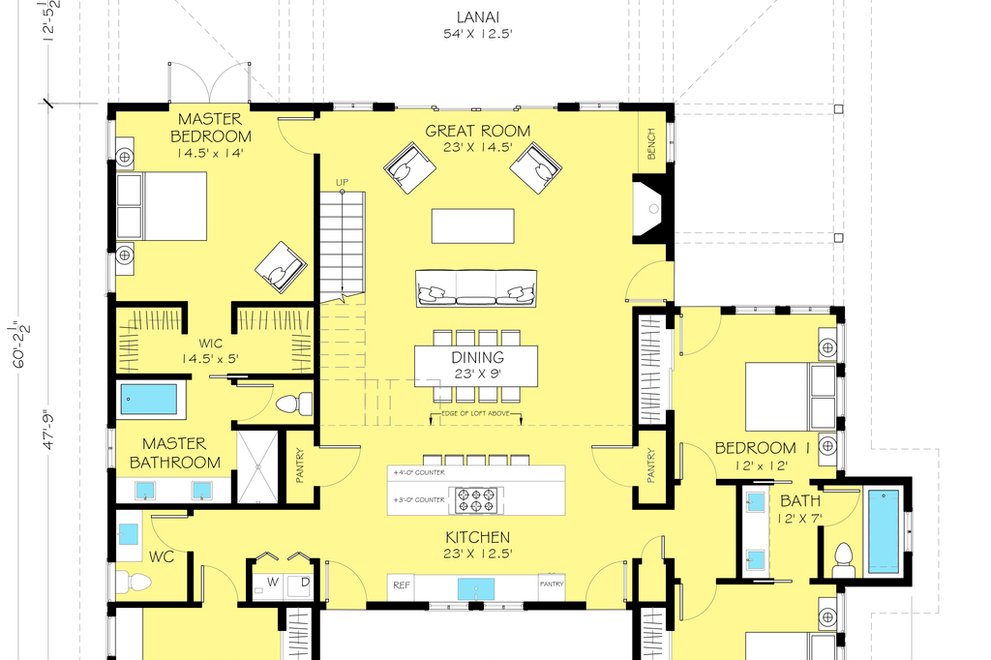
Floor plans can seem complex, but understanding them is simple with a few key tips. Start by identifying room dimensions and symbols. Recognize lines for walls, doors, and windows to grasp layout essentials.
Length And Width
Floor plans show rooms with lines and symbols. Length is how long a room is. Width is how wide a room is. Look for numbers on the lines. These numbers tell the size. A room might be 10 feet wide and 12 feet long. This helps know how much space is there. Always check both numbers. This shows the full room size. Knowing size helps with furniture. It helps with planning too.
Square Footage
Square footage tells how much total space there is. It is found by multiplying length by width. For example, a room 10 feet by 12 feet is 120 square feet. This number shows space for living. It helps to know the whole house size. Bigger numbers mean more space. Always add up all room sizes. This gives the total square footage of the house.
Common Mistakes
Many forget to check the scale on floor plans. This can lead to big errors. A room might look bigger than it is. Always compare the scale with real-world measurements. This helps in knowing the actual size. Use a ruler or a scale tool. Double-check each measurement. Be sure of the size before planning.
Symbols on a plan can be tricky. Doors, windows, and walls have special signs. These signs tell important details. Confusion happens without learning them. Study the legend on the plan. It explains what each symbol means. Practice makes reading easier. Get familiar with common symbols. This avoids costly mistakes.
Tips For Beginners
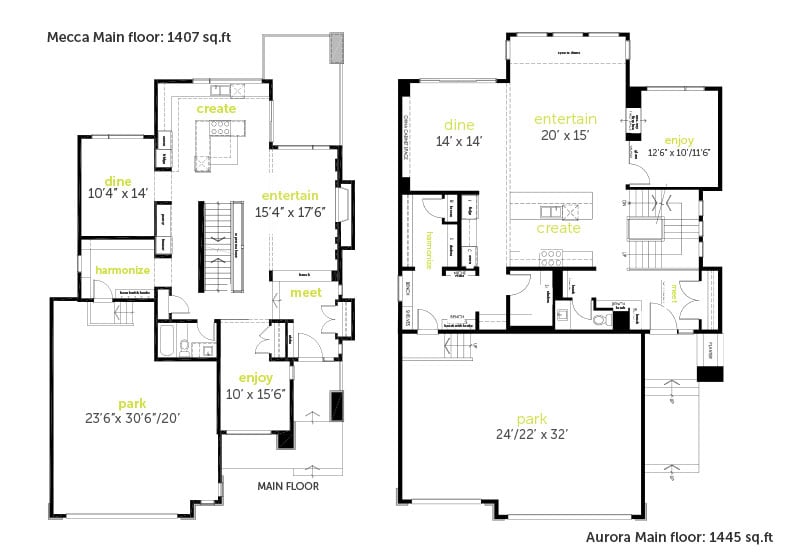
Start with simple floor plans. Look at basic rooms and layouts. Focus on walls, doors, and windows. Trace the lines with your finger. Notice the shapes and spaces. Imagine walking through the rooms. This helps your brain picture the space. Repeat this with different plans. It helps you learn faster. Ask questions if you get stuck. Keep practicing. You will get better with time.
Seek help from architects or builders. They know a lot about floor plans. Show them your sample plans. Ask for their advice. Listen to their tips and tricks. They can explain hard parts. Learn from their experience. It will make you understand more. Professionals can guide you well. They make learning easy and fun.
Frequently Asked Questions
What Do Floor Plan Symbols Mean?
Floor plan symbols represent various architectural elements like doors, windows, and walls. Understanding these symbols helps in visualizing the layout. Each symbol is standardized for consistency. Familiarity with these symbols aids in interpreting the design accurately and effectively, providing insights into the building’s structure and functionality.
How To Identify Room Dimensions On Plans?
Room dimensions are usually indicated with numbers and lines on floor plans. They show the width and length of each room. Often, measurements are in feet or meters. Knowing how to read these dimensions helps in assessing space allocation and planning furniture placement.
Why Are Floor Plans Important In Construction?
Floor plans are crucial as they provide a detailed view of the layout and design. They guide builders in executing the project accurately. Floor plans help in ensuring that the design aligns with structural requirements. They also facilitate communication among architects, builders, and clients.
How To Interpret Floor Plan Scale?
Floor plan scale shows the proportion between the drawing and real-world measurements. Typically expressed as a ratio, like 1:100. It helps in understanding the actual size of spaces depicted. Accurate interpretation of scale is essential for planning and construction purposes, ensuring precise implementation.
Conclusion
Reading floor plans is a valuable skill. It helps in understanding spaces better. Each symbol and line tells a story about the design. With practice, you can visualize rooms before they exist. This skill aids in planning and organizing. It also helps in making smart decisions about home projects.
Floor plans show how space flows and functions. Remember, practice makes perfect. Start with simple plans. Gradually explore complex designs. Soon, you’ll interpret them with ease. Floor plans are essential tools in architecture and real estate. They help us see and plan our future spaces.